Ataşehir Mah. Feza Sk. No:3 İstanbul / Türkiye
 English
Introduction
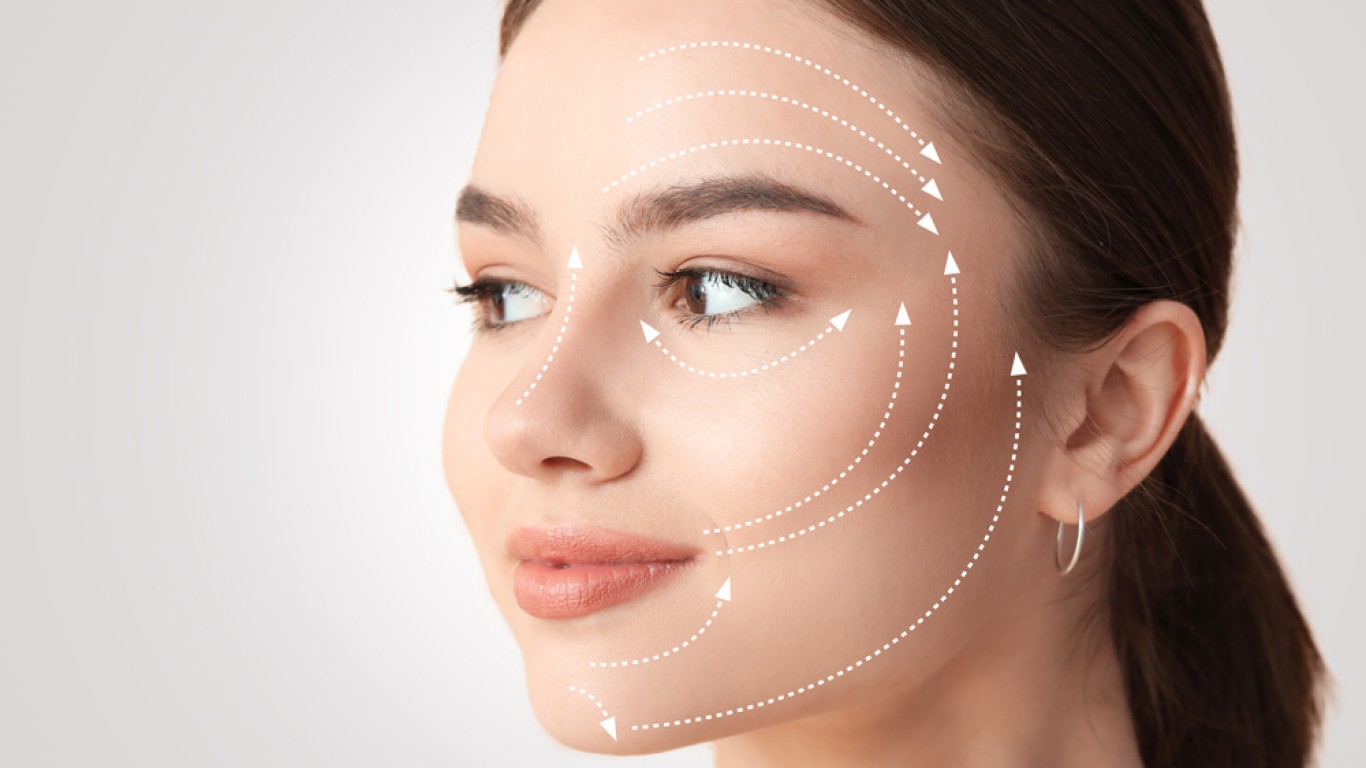
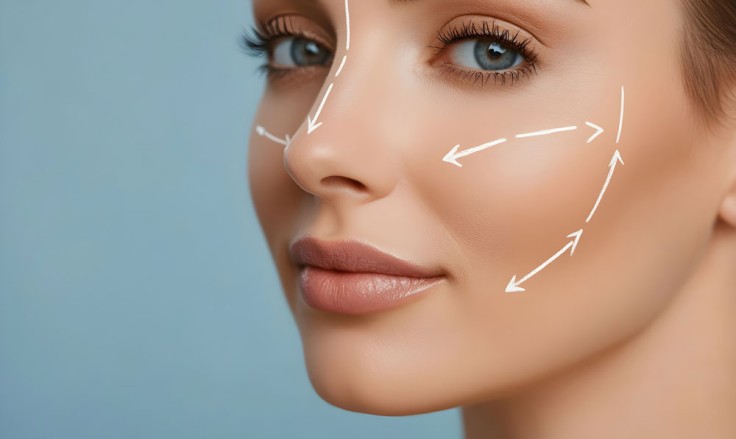
Facial fat grafting is a natural way to restore lost volume in the face. As we age, facial fat gradually shrinks and moves downwards. This can lead to hollow cheeks, sunken temples and deeper folds around the mouth. The face may also look tired, thinner or less youthful. Fat grafting uses the patient's own fat to replace this lost volume. Because it uses natural tissue, results can look and feel very soft. Surviving fat can also provide long-lasting improvement. This article explains how the procedure works and which areas it can treat. It also covers recovery, fat survival, risks and how it compares with dermal fillers.
What Is Facial Fat Grafting?
Facial fat grafting is also known as facial fat transfer or autologous fat grafting. The procedure moves fat from one area of the body to the face. Fat is usually taken from the abdomen, flanks or thighs. It is then purified and injected into areas that have lost volume. The aim is to restore fullness, improve contours and create a refreshed appearance. Fat grafting can be performed as a standalone procedure. It is also commonly combined with a facelift, neck lift or eyelid surgery. Because the fat is the patient's own tissue, allergic reactions are not a concern. Fat that survives the transfer becomes a living part of the face.
How Facial Fat Grafting Works
The procedure has three main stages: harvesting, processing and injecting. First, the surgeon removes a small amount of fat using gentle liposuction. Fine cannulas and low suction help protect the delicate fat cells. Next, the fat is processed to remove excess fluid, oil and damaged cells. This may involve gentle spinning, filtering or careful washing. Finally, the surgeon injects the purified fat in tiny droplets. Fat is placed in multiple thin layers using very fine cannulas. This technique helps each droplet connect with a new blood supply. Good blood supply is essential for the fat to survive long term. Surgery usually takes one to three hours, depending on the areas treated.
Common Treatment Areas for Facial Fat Grafting
Fat can be used to treat many areas of the face. The following table summarises the most common treatment areas.
| Area | Common Concern | Expected Improvement |
| Cheeks | Flattened or hollow cheeks | Restored fullness and a subtle lift |
| Temples | Sunken temples with age | Smoother upper-face contour |
| Under-eye area | Hollows and tired appearance | Softer transition to the cheek |
| Nasolabial folds | Deep lines from nose to mouth | Reduced depth of folds |
| Jawline and chin | Loss of definition | Improved contour and balance |
| Lips | Thin or ageing lips | Natural, modest volume |
Many patients treat several areas in one session for a balanced result.
Benefits of Fat Transfer to the Face
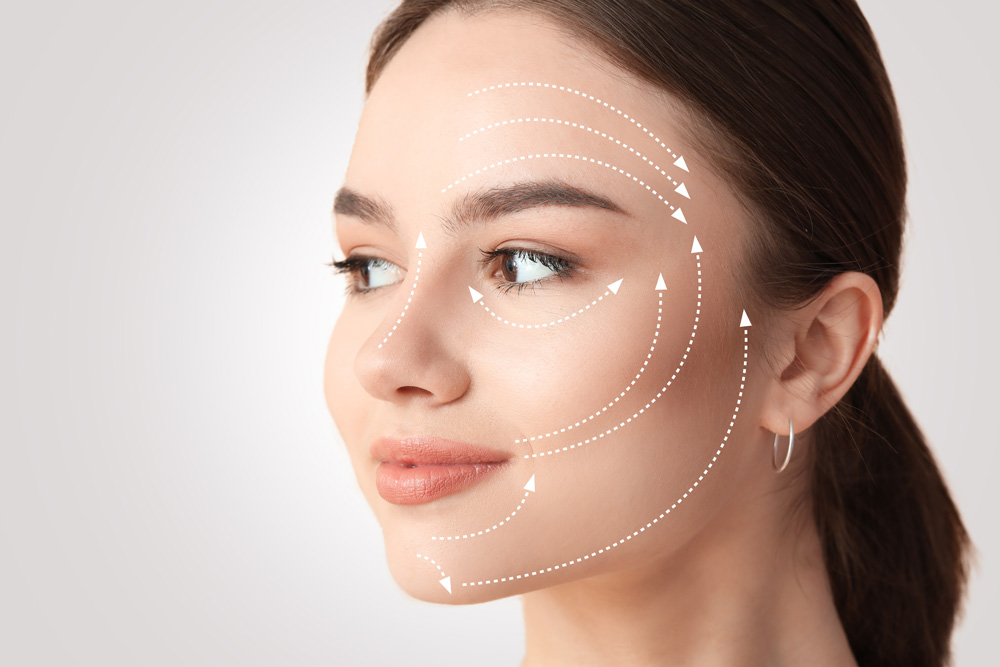
Fat grafting offers several advantages over other volumising treatments. Results can last many years once the transferred fat has settled. The treatment uses natural tissue, so it feels soft and moves naturally. Larger areas can be treated without the cost of multiple filler syringes. Fat may also improve skin quality in the treated area. This is thought to relate to regenerative cells found within fat tissue. Some patients notice improved texture and tone after treatment. Patients also benefit from mild contouring at the donor site. These benefits make fat grafting popular for patients seeking longer-lasting rejuvenation.
Who Is a Good Candidate for Facial Fat Grafting?
Good candidates have noticeable facial volume loss due to ageing or weight loss. They should have enough spare fat in at least one donor area. Very slim patients may not have enough fat available. Candidates should be in good general health and at a stable weight. Non-smokers are preferred because smoking reduces blood flow and fat survival. Patients should accept that more than one session may be required. Realistic expectations about gradual results are also essential. Fat grafting can suit patients who have had fillers but want a longer-lasting option. A surgeon will assess facial anatomy and skin quality before recommending treatment.
Preparing for the Procedure
Preparation begins with a detailed consultation and facial assessment. The surgeon discusses goals, medical history and current medications. Photographs are taken to plan treatment and record the starting point. Smokers should stop several weeks before surgery to support healing. Blood-thinning medications and some supplements may need to be paused. Patients should arrange time off work and help at home for the first few days. A stable weight before surgery helps produce predictable results. Patients receive specific instructions about eating and drinking before anaesthesia.
What Happens on the Day
Fat grafting is performed under local anaesthesia with sedation or general anaesthesia. The surgeon first marks the donor sites and the areas to be treated. Small incisions are made in discreet places for liposuction. The harvested fat is processed and prepared for transfer. Tiny incisions on the face allow fine cannulas to place the fat precisely. These incisions are very small and usually heal without noticeable scars. Most patients go home on the same day. Some may stay overnight when fat grafting is combined with other surgery.
Recovery After Facial Fat Grafting
Swelling is the most noticeable part of recovery. It usually peaks within two to three days after surgery. Most visible swelling settles within two to three weeks. Bruising on the face and donor sites can last one to two weeks. Cold compresses and sleeping with the head raised help reduce swelling. Patients should avoid pressing or massaging the treated areas unless advised. Strenuous exercise should be avoided for around two to three weeks. Most patients return to work within one to two weeks. A compression garment may be worn over the donor area for a short time.
Fat Survival and Final Results
Not all transferred fat survives after grafting. Typically, between thirty and seventy percent of the fat remains long term. Survival depends on technique, blood supply and the treated area. Surgeons often place slightly more fat than needed to allow for this. The face may therefore look slightly overfilled for the first few weeks. Final results usually become clear between three and six months. Fat that survives this period is generally considered permanent. Some patients choose a second session to refine volume or symmetry. Natural ageing and weight changes will continue to affect the face over time.
Facial Fat Grafting vs Dermal Fillers
Fat grafting and dermal fillers both restore facial volume, but they differ in several ways. Fillers provide instant, predictable results with minimal downtime. However, they are temporary and need regular maintenance. Fat grafting involves surgery and a longer recovery period. In return, surviving fat can last for many years. Fillers can be dissolved, whereas fat cannot easily be removed. Fillers suit patients wanting small, adjustable changes. Fat grafting suits patients wanting larger or longer-lasting volume restoration.
Conclusion
Facial fat grafting restores lost volume using the patient's own natural tissue. It can rejuvenate the cheeks, temples, under-eye area and other facial features. Surviving fat offers long-lasting results with a soft, natural feel. Recovery takes a few weeks, and final results appear after three to six months. An experienced surgeon can confirm whether fat grafting is the right option.
To learn more about facial fat grafting and to book a consultation, visit the ACIBADEM Beauty Center Aesthetics webpage.
Frequently Asked Questions
Fat that survives the first few months is generally long-lasting, although ageing continues.
Typically, between thirty and seventy percent of transferred fat survives long term.
Most visible swelling settles within two to three weeks after surgery.
Fat lasts longer, while fillers offer quick, reversible results without surgery.
Some patients choose a second session to refine volume or symmetry.