Ataşehir Mah. Feza Sk. No:3 İstanbul / Türkiye
 French
  English
  German
  Spanish
Introduction
A defined jawline often contributes to facial balance and profile harmony. Many individuals consider the lower face an important feature when assessing overall facial proportions. However, some people notice fullness beneath the chin despite maintaining a healthy lifestyle. This area is commonly described as a double chin. In many cases, this feature develops gradually and may not respond easily to diet or exercise alone. Because of this, many individuals explore non surgical fat removal for double chin treatments as a potential solution. These treatments aim to reduce localised fat without requiring surgical procedures. Advances in aesthetic technology have made these approaches increasingly accessible in recent years. Understanding how treatment works helps evaluate whether it aligns with expectations and aesthetic goals.
What Causes a Double Chin?
Several factors can contribute to fat accumulation beneath the chin. Genetics is often central to determining how fat is distributed across the face and neck. Some individuals may develop fullness beneath the chin even when their overall body weight remains stable. Ageing can also influence the appearance of this area. As the skin and underlying tissues change over time, the jawline may appear less defined. Weight fluctuations can further influence this region. When fat deposits accumulate in the submental area, the lower face may appear fuller. These factors can combine to create the appearance of a double chin. Non surgical fat removal for double chin treatments are designed to address this specific area of fat.
What Is Non Surgical Fat Removal for Double Chin?
Non surgical fat removal for double chin refers to aesthetic treatments designed to reduce fat beneath the chin without surgical intervention. These procedures target fat cells using specialised technology or injectable solutions. Some treatments involve carefully administered injections that break down fat cells within the targeted area. Other approaches use energy-based technologies such as cooling, ultrasound or radiofrequency to affect fat cells beneath the skin. The goal is to gradually reduce the volume of fat beneath the chin while maintaining surrounding tissue integrity. Over time, the body processes the affected fat cells naturally. As this occurs, the contour beneath the jawline may appear more defined.
How Non Surgical Fat Removal for Double Chin Works
Different technologies may be used for non surgical fat removal for double chin procedures. Injectable treatments often break down fat cells within the treated region. Once these cells are disrupted, the body gradually eliminates them through natural metabolic processes. Energy-based devices work slightly differently. Some systems apply controlled cooling to fat cells, while others use focused heat or ultrasound energy. These technologies affect fat cells while protecting surrounding tissues such as nerves and skin. As the body processes the treated cells over time, the fullness beneath the chin may gradually decrease. This slow transformation allows the face to adapt naturally to the new contour.
Benefits of Non Surgical Fat Removal for Double Chin
Many individuals choose non surgical fat removal for double chin treatments because they avoid surgical procedures. These treatments are typically performed in a clinical setting without general anaesthesia. The sessions are usually shorter compared with surgical procedures and may fit easily into a busy schedule. Some patients prefer options that allow them to return to their daily routines shortly after treatment. Non surgical approaches also allow for gradual improvement rather than sudden changes. This subtle transformation can produce a natural-looking enhancement of the jawline. Over time, patients may notice improved facial balance and a more refined lower face contour.
Who May Be Suitable for Non Surgical Fat Removal for Double Chin
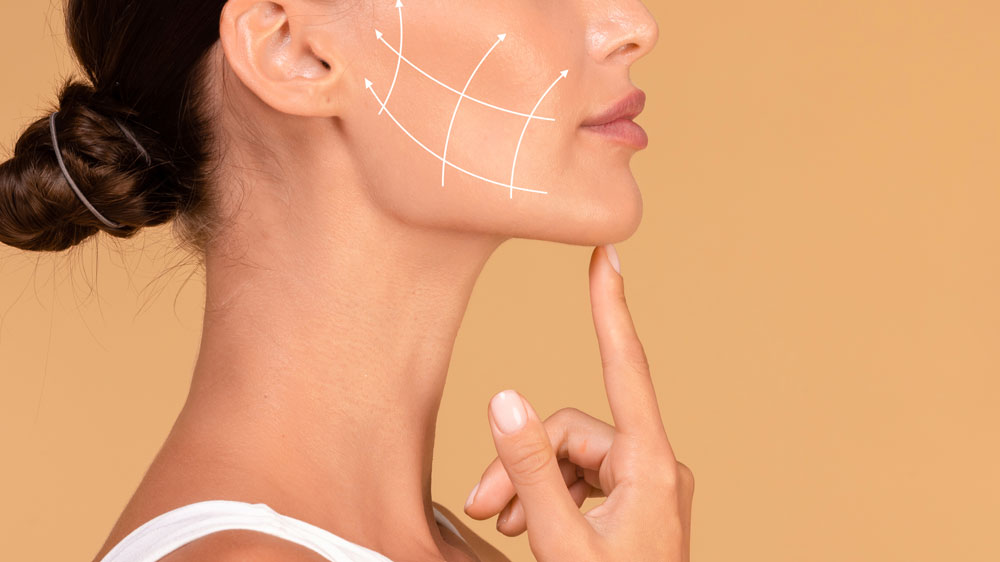
Non surgical fat removal for double chin treatments are often considered by individuals with mild to moderate fat beneath the chin. Patients who maintain a relatively stable body weight often achieve the most consistent outcomes. Skin elasticity also plays an important role in how the jawline appears after fat reduction. Individuals with stronger skin elasticity may notice smoother contour changes as the fat layer decreases. Consultation with a specialist helps determine whether these treatments align with a patient’s anatomy and expectations. Specialists assess the chin, jawline and neck structure before recommending an appropriate treatment approach.
Treatment Sessions and Gradual Results
Results from non surgical fat removal for double chin treatments usually develop gradually rather than immediately. Many treatment plans involve multiple sessions spaced several weeks apart. This spacing allows the body time to process the targeted fat cells naturally. Patients often notice progressive improvements in jawline definition as the treatment progresses. Because the change occurs slowly, the facial contour evolves in a subtle way. Specialists monitor each patient’s progress throughout the treatment process. Adjustments may be made to the plan depending on how the body responds to the procedure.
Maintaining Jawline Definition After Treatment
Maintaining treatment results often depends on consistent lifestyle habits. Balanced nutrition supports stable body weight, which helps preserve jawline definition. Regular physical activity may also support overall body composition. Skin care routines that focus on hydration and skin quality can contribute to maintaining facial firmness. Some individuals choose to schedule follow-up consultations to monitor their results over time. Maintaining overall health and stable weight often supports long-term contour balance. These habits help protect the improvements achieved through treatment.
Why Non Surgical Treatments Are Growing in 2026
Advances in aesthetic technology continue to expand treatment options in cosmetic medicine. Many individuals now prefer procedures that do not involve surgery. Non surgical fat removal for double chin treatments reflect this growing trend toward minimally invasive aesthetic care. Clinics now offer several technologies designed to address localised fat beneath the chin. Improved devices allow specialists to plan treatments more precisely. As these technologies evolve, patients have more options for achieving facial contour improvements. The popularity of non surgical treatments continues to increase as awareness of these procedures grows.
How Skin Tightening Complements Double Chin Treatments
Reducing fat beneath the chin can improve facial contour, but skin quality also influences the final appearance. In some individuals, mild skin laxity may remain after fat reduction. Skin tightening treatments are sometimes used alongside contour procedures to improve firmness in this area. Technologies that stimulate collagen can gradually strengthen the skin structure. As collagen production increases, the skin may appear smoother and more supportive around the jawline. Combining fat reduction with tightening treatments can therefore enhance overall contour results. This approach is often recommended when both fat deposits and mild laxity are present.
Jawline Definition and Facial Balance
The chin and jawline play an important role in facial harmony. When excess fat accumulates beneath the chin, it may soften the transition between the jaw and neck. Treatments designed to reduce this fat can help restore a clearer jawline outline. As the submental area becomes more refined, facial proportions may appear more balanced. Many individuals notice that the lower face appears slimmer once fullness beneath the chin decreases. Improving jawline definition can also enhance the appearance of the entire facial profile. These subtle contour improvements contribute to a more structured facial shape.
Lifestyle Factors That Influence Long-Term Results
Lifestyle habits can influence how long contour improvements remain visible. Stable body weight helps maintain the changes achieved through treatment. Significant weight gain may increase fat deposits in the chin area again. Regular exercise and balanced nutrition support overall body composition. Hydration and skin care routines may also contribute to maintaining skin quality. Individuals who maintain healthy habits often preserve jawline definition for longer periods. Consistent lifestyle choices therefore play a valuable role in maintaining treatment outcomes.
Consultation and Personalised Treatment Planning
Every face has unique proportions and anatomical characteristics. For this reason, consultation with a qualified specialist is an important step before treatment. During consultation, the chin, jawline and neck are carefully evaluated. Careful planning supports balanced and natural-looking contour improvements.
Conclusion
Non surgical fat removal for double chin treatments offer an option for reducing localised fat beneath the jawline. These procedures target fat cells using advanced technologies without requiring surgical intervention. Gradual contour improvement allows the jawline to appear more defined over time. Consultation with a specialist helps determine the most suitable treatment strategy. With careful planning and healthy lifestyle habits, individuals may achieve improved facial balance and profile definition.
For more information and to book a consultation visit the ACIBADEM Beauty Center Aesthetics webpage.
Frequently Asked Questions
It refers to treatments designed to reduce fat beneath the chin without surgery.
Results develop gradually as the body processes treated fat cells.
Some treatments involve several sessions to achieve optimal contour improvement.
Individuals with mild to moderate fat beneath the chin may be suitable candidates.
Results may remain stable when healthy lifestyle habits are maintained.