Ataşehir Mah. Feza Sk. No:3 İstanbul / Türkiye
 English
  German
  Spanish
Introduction
This eye surgery reshapes the outer corner of the eye. It has become one of the fastest-growing aesthetic procedures globally. The procedure elongates the eye horizontally, creating a more almond-shaped appearance. It can also correct downward-slanting outer corners. In recent years, lateral canthoplasty has gained significant attention across social media and in aesthetic surgery discussions. Patients from a wide range of backgrounds are seeking the procedure. Understanding what it involves and what results look like helps patients have realistic expectations. Knowing what recovery requires is equally important. This article covers everything patients should know before considering lateral canthoplasty.
What Is Lateral Canthoplasty?
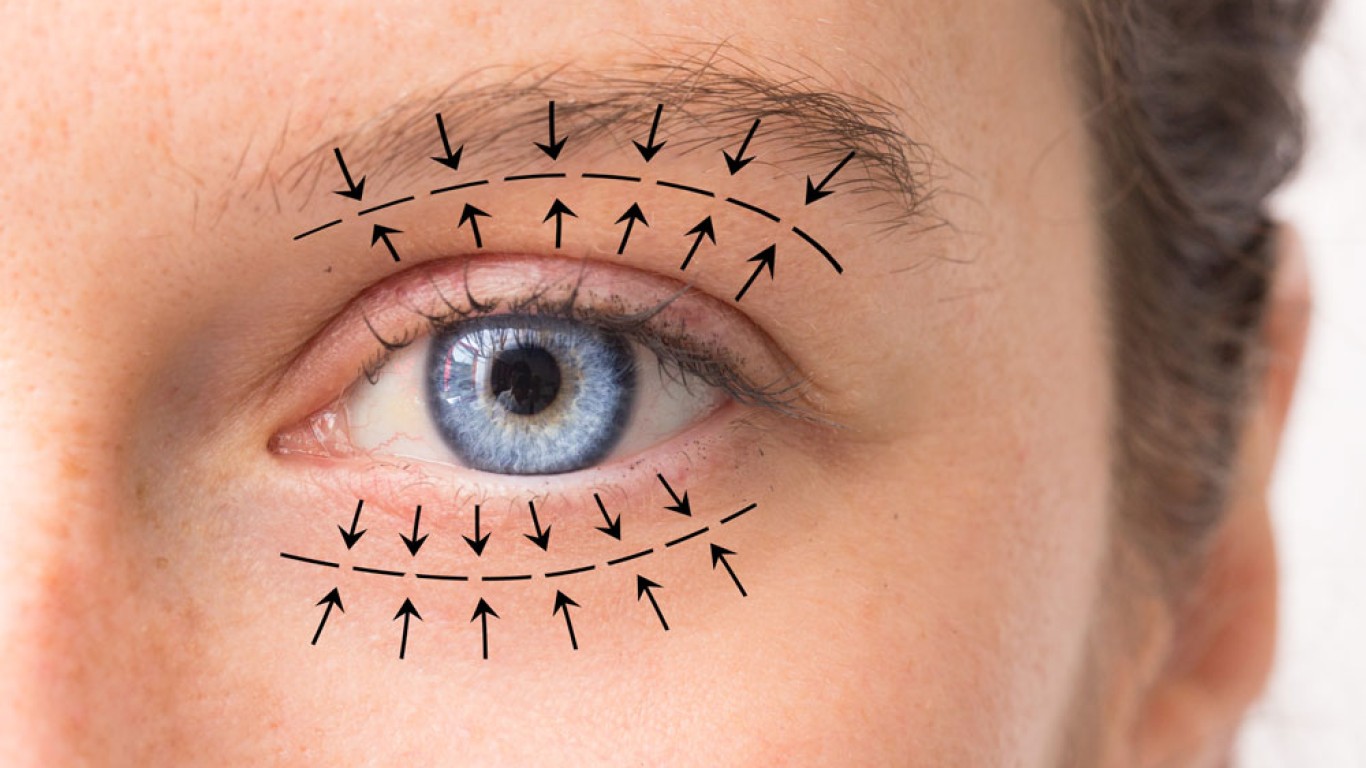
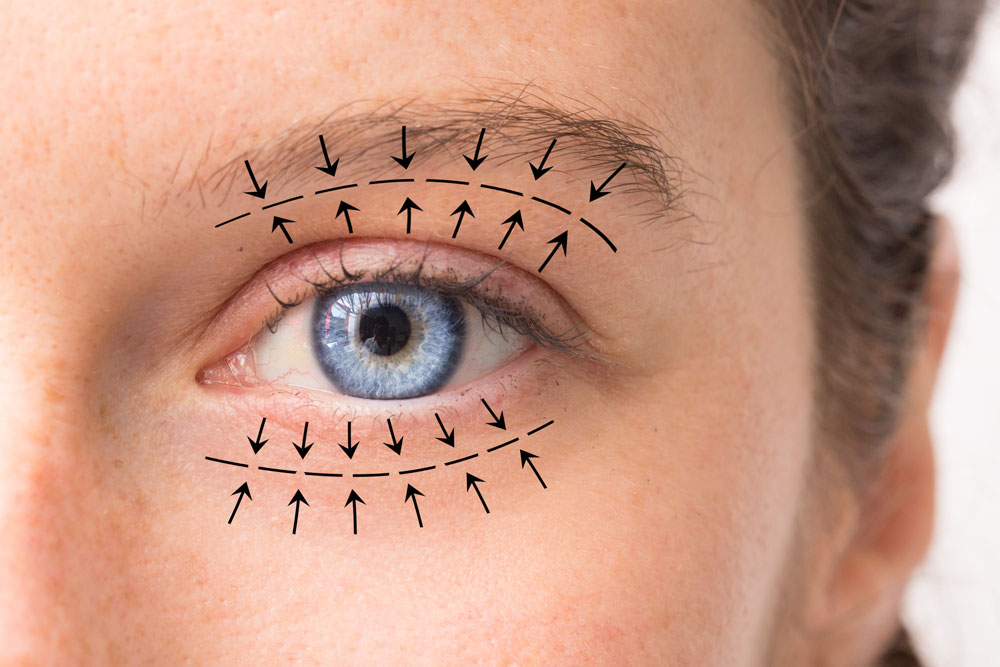
Lateral canthoplasty is a surgical procedure targeting the lateral canthus. The lateral canthus is the outer corner where the upper and lower eyelids meet. The procedure modifies or reconstructs this junction. In aesthetic canthoplasty, the outer corner is repositioned to create a more elongated, lifted or angled appearance. It addresses downward-slanting outer corners, small-appearing eyes or lack of definition at the outer corner. It is sometimes confused with a canthectomy, which simply cuts the outer corner. True lateral canthoplasty involves reconstruction of the canthal tendon. This produces more controlled, precise and lasting results. The distinction matters because the technique used significantly affects both the outcome and the longevity of results.
Why Lateral Canthoplasty Is Gaining Popularity
Several factors explain why lateral canthoplasty has gained significant popularity in recent years. The almond-shaped eye is widely considered attractive across many cultures. Social media has amplified interest in eye shape modification. Filters and editing tools showing an elongated outer eye corner have driven demand for the surgical equivalent. This has driven demand for the surgical equivalent. The rise of fox eye aesthetics brought lateral canthoplasty into mainstream aesthetic discussion. This look is defined by a lifted and elongated outer corner. Increased access to the procedure through medical tourism has also broadened its patient base. Patients who couldn’t afford it locally have found it increasingly accessible in Turkey.
Lateral Canthoplasty vs Canthopexy: Key Differences
These two procedures are related but distinct. Canthopexy tightens the existing canthal tendon without detaching and reconstructing it. It suits younger patients with mild laxity or subtle aesthetic concerns. It is less invasive and has a shorter recovery. Lateral canthoplasty fully releases and reconstructs the lateral canthal tendon. It allows more significant repositioning of the outer eye corner. It suits patients wanting more dramatic eye shape change or those with more significant anatomical concerns. Both procedures can be performed under local anaesthesia. Lateral canthoplasty requires greater surgical skill and carries a slightly higher risk profile. The surgeon advises which approach is most appropriate based on individual anatomy and aesthetic goals.
Who Is a Good Candidate for Lateral Canthoplasty?
Good candidates for this procedure share certain characteristics. They want to elongate or reshape the outer eye corner for aesthetic reasons. Their anatomy is assessed as suitable for the chosen technique. They have realistic expectations about what the procedure can and cannot achieve. They are in good general health without conditions that impair healing. Non-smoking status or willingness to stop before and after surgery is expected. Those with significant lower lid laxity may not be suitable without additional procedures. Patients should not be motivated by a desire to replicate another person's eye shape exactly. Individual orbital anatomy determines what is achievable. A detailed consultation with physical assessment and photographic planning establishes suitability for each patient.
What to Expect During and After Lateral Canthoplasty
Lateral canthoplasty is typically performed under local anaesthesia with sedation. The procedure takes one to two hours depending on complexity. Small incisions are made at the outer eye corner. The lateral canthal tendon is released and reconstructed in the new position. Sutures are placed and the incisions are closed carefully. Most patients return home the same day. Swelling and bruising around the eyes are most pronounced during the first week. The eyes may feel tight and appear asymmetrical during this phase. This is normal and resolves as healing progresses. Most patients return to social activities within two weeks. Final results develop over three to six months. Swelling fully resolves and tissues settle into their new position during this period. The incision scar sits within the natural eye crease and becomes virtually invisible.
Risks and Considerations for This Eye Procedure
The procedure carries specific risks that patients should understand before proceeding. Lower eyelid malposition is the most significant concern. If the lower lid is pulled downward or outward during healing, it can affect both appearance and comfort. Choosing a surgeon with specific experience in lateral canthoplasty significantly reduces this risk. Asymmetry between the two eyes is possible during the healing period. This typically resolves as swelling subsides. Scarring at the outer corner is generally minimal and well-concealed. Recurrence of the original appearance is possible over time as tissues relax. Some patients require a secondary procedure to refine results. Dry eye symptoms may worsen temporarily in patients who already experience them. These risks underline the importance of choosing an experienced and accredited surgeon.
The Procedure in Turkey: Pricing and Access
Turkey has become a leading destination for this eye shaping procedure. Accredited oculoplastic and plastic surgery specialists in Istanbul perform the procedure with high-quality outcomes. Pricing in Turkey is significantly lower than in the UK or Western Europe. Lateral canthoplasty in Turkey typically costs £1,500 to £3,000 all-inclusive. UK pricing for the same procedure ranges from £3,000 to £6,000 or more. All-inclusive packages at Turkish clinics cover the surgical consultation, the procedure, post-operative care and accommodation. English-speaking coordinators assist international patients throughout. Istanbul is accessible from the UK in under four hours. Surgical expertise, modern facilities and competitive pricing make Turkey a compelling destination for this procedure.
Combining Lateral Canthoplasty with Other Eye Procedures
Lateral canthoplasty is often combined with other eye procedures for a more comprehensive result. Upper blepharoplasty addresses excess upper eyelid skin. Combining it with lateral canthoplasty produces a full eye rejuvenation in a single session. Lower blepharoplasty treats puffiness and loose skin beneath the eyes. Adding it alongside lateral canthoplasty creates a complete eyelid transformation. Brow lifting elevates the position of the brow. This opens the eye area further and complements the outer corner reshaping. Dermal filler in the tear trough reduces under-eye hollowing. This improves the overall eye area appearance without surgery. The surgeon advises on which combinations are appropriate based on individual anatomy, recovery tolerance and aesthetic goals. Not every patient is suited to multiple concurrent procedures. Safety always guides the final surgical plan.
Conclusion
Lateral canthoplasty reshapes the outer eye corner to create a more elongated or lifted almond-shaped appearance. It has gained significant popularity globally in recent years. The procedure is distinct from canthopexy in its depth of intervention and the degree of change achievable. Good candidates have realistic expectations and anatomy suited to the technique. Recovery takes two weeks before social activities resume. Final results are visible at 3-6 months. Risks include lower lid malposition and asymmetry. Choosing a surgeon with specific experience in oculoplastic or eyelid surgery is essential. Turkey offers lateral canthoplasty at competitive pricing through experienced surgeons at accredited facilities.
For more information and to book a consultation visit the ACIBADEM Beauty Center Eyelid Surgery page.
Frequently Asked Questions
It releases and reconstructs the outer corner of the eye. This creates a more elongated, lifted or angled almond-shaped eye appearance.
Canthopexy tightens the existing canthal tendon without full reconstruction. Lateral canthoplasty releases and rebuilds it, allowing more significant repositioning and longer-lasting results.
Swelling and bruising resolve over one to two weeks. Final results settle over three to six months as tissues adapt to their new position.
Lower eyelid malposition, asymmetry and temporary dry eye are the key risks. Choosing a surgeon with specific eyelid surgery experience significantly reduces these.
Typically £1,500 to £3,000 all-inclusive in Turkey. UK pricing ranges from £3,000 to £6,000 or more for an equivalent procedure.