Ataşehir Mah. Feza Sk. No:3 İstanbul / Türkiye
 English
Introduction
Melasma on the face is a chronic pigmentation condition that affects millions of people worldwide. It produces symmetrical brown or greyish-brown patches on the cheeks, forehead, upper lip and chin. Melasma is frustrating because it responds to treatment but frequently returns. Understanding the causes, triggers and most effective treatment approaches helps patients manage the condition realistically. This article provides a comprehensive guide to melasma in 2026.
What Is Melasma on the Face?
Melasma on the face is a specific form of hyperpigmentation characterised by symmetrical, blotchy patches of brown or grey-brown discolouration. The pattern is bilateral and mask-like. Both cheeks typically match. The forehead shows symmetrical darkening. The upper lip and chin may be affected. Melasma on the face differs from other pigmentation conditions. Sun spots are localised and well-defined. Post-inflammatory marks sit at specific injury sites. Melasma is diffuse, symmetrical and hormonally driven. The distinction matters because melasma requires a fundamentally different treatment approach from other pigmentation types. Melasma affects women disproportionately. Approximately ninety percent of patients are female. Darker skin tones are more commonly affected. Fitzpatrick skin types three to six develop melasma more readily than lighter skin types. However, melasma can affect any skin tone and any gender.
What Causes Melasma on the Face?
The exact cause involves multiple factors. Melasma on the face has a hormonal component. Oestrogen and progesterone play a central role. The melanocytes in melasma-affected skin are inherently more responsive to hormonal stimulation. These overactive melanocytes produce excess melanin when triggered. Melasma has a genetic predisposition. Family history is a significant risk factor. Patients with close relatives who have melasma are substantially more likely to develop it. The predisposition is inherited. The triggers activate it. Melasma has a vascular component. Research shows increased blood vessel density in melasma-affected skin. The additional vascularity may contribute to melanocyte stimulation. Treatments targeting the vascular component including tranexamic acid have shown significant benefit. Melasma is therefore a complex condition with hormonal, genetic, vascular and environmental components. No single cause explains every case. The interaction between predisposition and triggers determines whether and when melasma develops.
Melasma on the Face: Triggers
| Trigger | How It Activates Melasma | Management |
| UV exposure | Stimulates melanocyte activity directly | SPF 50 daily, reapply every two hours |
| Visible light | Activates melanocytes independently of UV | Tinted SPF with iron oxide |
| Heat | May stimulate melanocyte activity via inflammation | Avoid saunas, steam, prolonged cooking heat |
| Pregnancy | Oestrogen and progesterone surge | SPF; topical treatment after delivery |
| Oral contraceptives | Hormonal fluctuation triggers melanocytes | Discuss alternatives with GP |
| HRT | Hormonal supplementation reactivates melasma | Discuss with prescribing doctor |
| Skin irritation | Inflammation triggers melanin production | Avoid harsh products, aggressive treatments |
Melasma on the face flares when triggers activate the overresponsive melanocytes. The triggers are cumulative. UV exposure alone may produce a mild flare. UV exposure combined with heat and hormonal change produces a severe flare. Managing as many triggers as possible produces the most stable control. Melasma trigger management is as important as active treatment. The most effective topical or professional treatment is undermined if triggers remain uncontrolled. Comprehensive management addresses both the existing pigment and the ongoing activation simultaneously.

Melasma on the Face: How Deep Is the Pigment?
Pigment depth affects treatment selection. Melasma is classified as epidermal, dermal or mixed depending on where the excess melanin sits. Epidermal melasma sits in the outer skin layers. The colour appears brown. It enhances under Wood lamp examination. It responds best to treatment. Dermal melasma sits deeper within the skin. The colour appears greyish or blue-grey. It does not enhance under Wood lamp. It responds poorly to topical treatment because the products cannot reach the pigment depth. Mixed melasma combines both. Melasma on the face is most commonly mixed type. Some areas respond to treatment. Others resist. The combination produces partial improvement rather than complete clearing. This realistic understanding prevents disappointment. Melasma pigment depth assessment during professional consultation helps set appropriate expectations. Epidermal-predominant cases can expect significant clearing. Dermal-predominant cases should expect more modest improvement.
Melasma on the Face: Topical Treatment
Topical agents are the first-line treatment. Melasma responds to hydroquinone as the most effective single depigmenting agent. Two to four percent concentration inhibits melanin production. Results develop over four to eight weeks. Triple combination cream combining hydroquinone, tretinoin and a mild steroid produces the strongest topical results. Melasma treatment with azelaic acid provides a safe long-term maintenance option. It inhibits abnormal melanocytes without the time limitations of hydroquinone. Niacinamide reduces melanin transfer to the skin surface. Vitamin C provides antioxidant protection and mild melanin inhibition. Melasma topical treatment follows a two-phase approach. The clearing phase uses intensive agents for eight to twelve weeks. The maintenance phase uses gentler agents indefinitely. Maintenance phase is not optional. Without it, the melasma on the face returns within weeks to months.
Professional Treatments
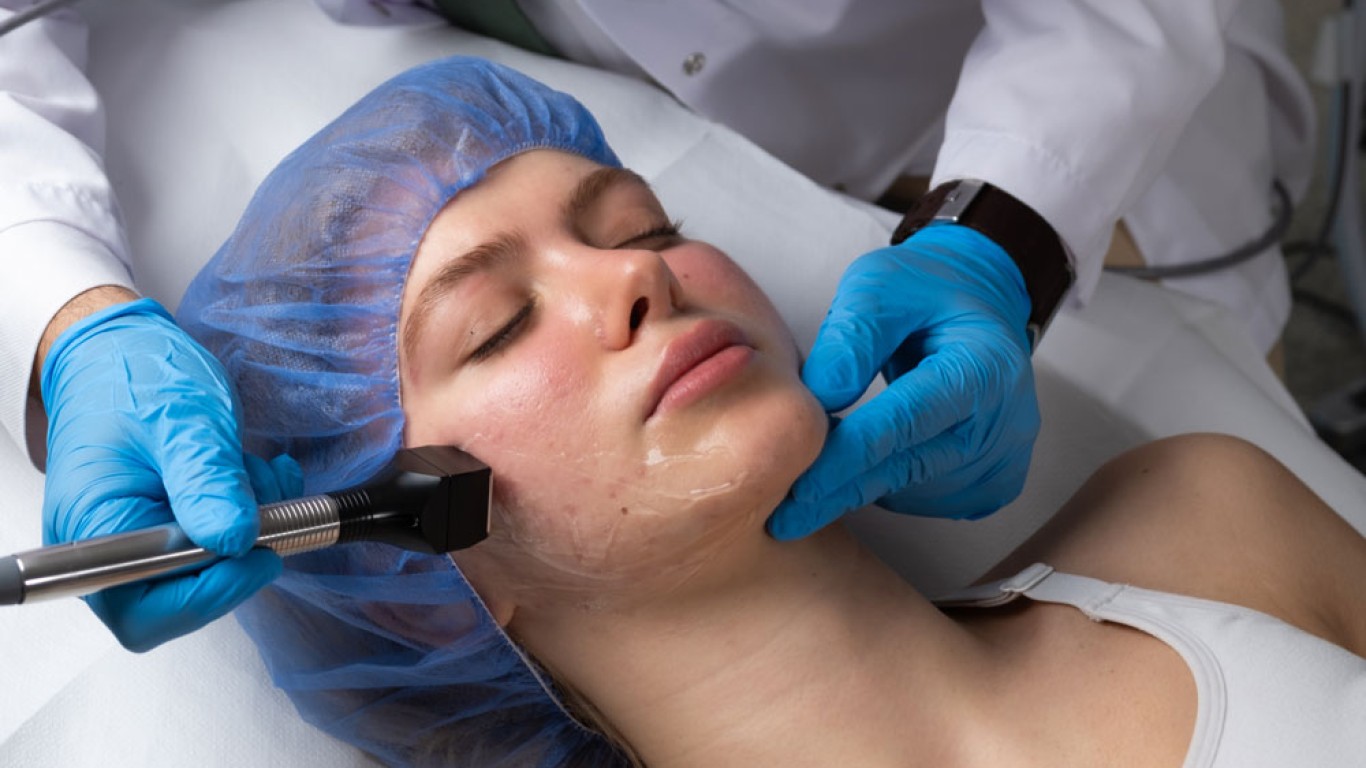
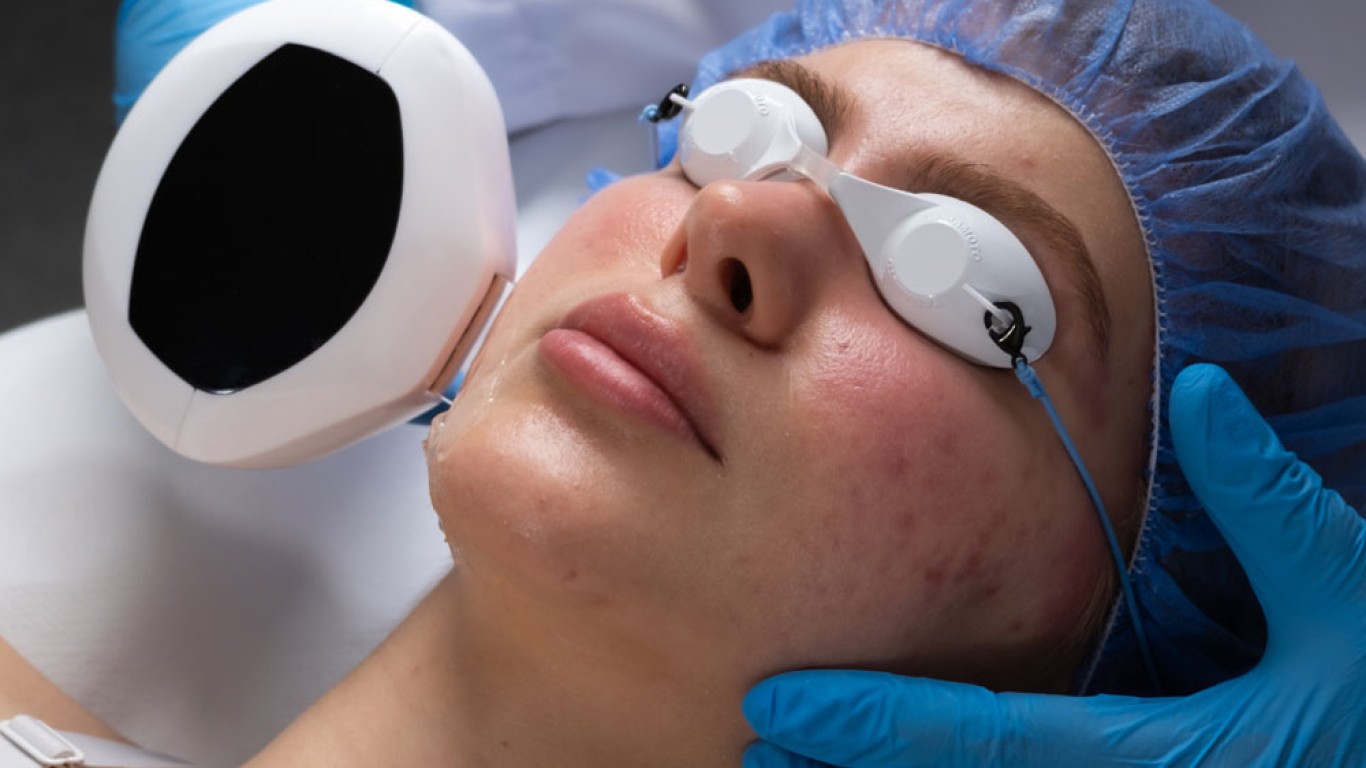
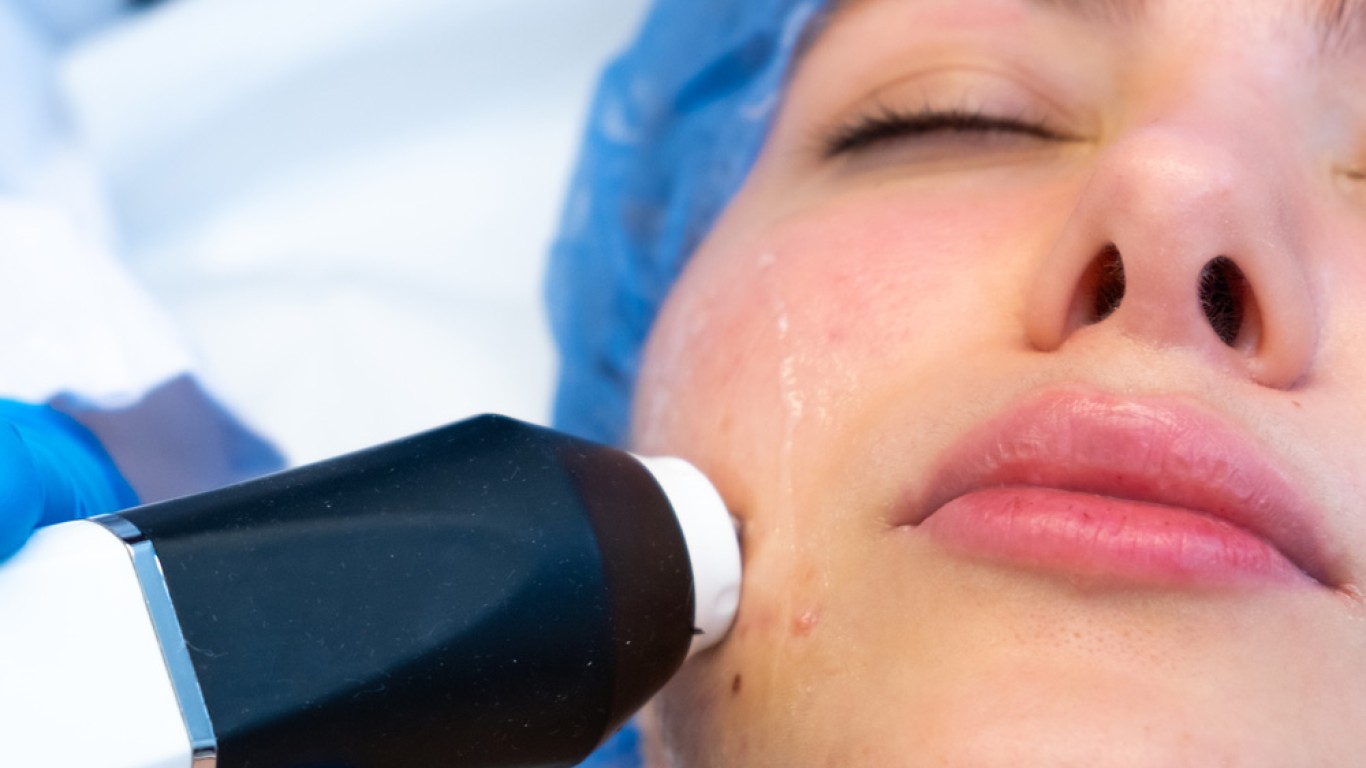
Selected professional treatments complement topical therapy. Melasma responds to gentle superficial chemical peels. Glycolic acid at thirty to fifty percent concentration resurfaces the pigmented outer layers. A course of four to six peels spaced two to four weeks apart accelerates clearing. Melasma treatment with peels must be conservative. Medium and deep peels risk post-inflammatory hyperpigmentation that worsens the condition. Melasma may respond to low-fluence Q-switched Nd:YAG laser at 1064nm in experienced hands. The settings must be conservative. Standard laser energy levels worsen melasma through inflammatory rebound. Only practitioners with documented melasma-specific laser experience should perform this treatment. Melasma on the face treatment with microneedling at conservative depths may improve pigment through accelerated cell turnover. RF microneedling adds collagen stimulation. Both suit all skin tones. Melasma professional treatment should always accompany rather than replace topical treatment and sun protection. No professional treatment alone produces sustained melasma control.
Melasma on the Face: Sun Protection
Sun protection is the most critical element. Melasma cannot be controlled without rigorous daily sun protection. SPF fifty applied every morning is the absolute minimum. Reapplication every two hours during any sun exposure is essential. Melasma on the face responds to visible light as well as UV. Standard SPF does not block visible light. Tinted SPF containing iron oxide provides this additional protection. The tint blocks the wavelengths that transparent SPF allows through. Melasma patients should use tinted SPF as their primary sun protection product. Melasma sun protection should include physical barriers. Wide-brimmed hats provide shade to the face. Sunglasses protect the periorbital area. Seeking shade during peak UV hours reduces exposure. The combination of tinted SPF, physical barriers and behavioural modification provides comprehensive protection.
Conclusion
Melasma on the face is a chronic pigmentation condition driven by hormonal, genetic, vascular and environmental factors. Triggers including UV, visible light, heat and hormonal changes activate overresponsive melanocytes. Treatment combines topical agents, oral tranexamic acid and gentle professional procedures. Sun protection with tinted SPF is non-negotiable. Melasma requires ongoing management rather than one-time treatment. Realistic expectations and consistent maintenance produce the most satisfying results. Turkey offers comprehensive melasma treatment at competitive pricing.
For more information about melasma and to book a consultation visit the ACIBADEM Beauty Center Skin Treatments page.
Frequently Asked Questions
Hormonal factors, genetic predisposition, UV exposure and vascular changes. Multiple factors interact.
Managed rather than cured. Sustained improvement is achievable with ongoing treatment and sun protection.
Topical triple combination cream as first line. Oral tranexamic acid for resistant cases. Tinted SPF daily.
Critically. Without daily tinted SPF, every other treatment is undermined. It is the most important single step.
It can without ongoing maintenance and sun protection. Consistent management prevents relapse.