Ataşehir Mah. Feza Sk. No:3 İstanbul / Türkiye
 English
Introduction
Hyperpigmentation and melasma are often confused. Both produce dark patches on the skin. Both involve excess melanin. However, hyperpigmentation vs melasma is an important distinction because the causes, behaviour and treatment approaches differ significantly. Treating melasma as general hyperpigmentation can worsen the condition. Understanding the differences helps patients seek the correct diagnosis and the most effective treatment. This article explains what sets hyperpigmentation vs melasma apart and why it matters.
Hyperpigmentation vs Melasma: Key Differences
| Factor | Hyperpigmentation (General) | Melasma |
| Cause | Sun, injury, inflammation, ageing | Hormones + UV; heat may contribute |
| Appearance | Spots or marks at specific sites | Symmetrical patches on cheeks, forehead, lip |
| Distribution | Matches injury or sun exposure pattern | Bilateral, mask-like pattern |
| Depth | Usually epidermal | Epidermal, dermal or mixed |
| Recurrence | Low once treated with SPF | High; ongoing management required |
| Treatment response | Generally excellent | Responds but frequently recurs |
What Is Hyperpigmentation?
Hyperpigmentation is the umbrella term for any localised darkening of the skin. It encompasses multiple distinct conditions. Sun spots, age spots, post-inflammatory hyperpigmentation and freckles are all forms of hyperpigmentation. Each has a different trigger but the same basic mechanism. Melanocytes produce excess melanin at the affected site. Hyperpigmentation vs chloasma understanding begins with recognising that melasma is one specific type of hyperpigmentation. All melasma is hyperpigmentation. Not all hyperpigmentation is melasma. The broader category includes many conditions that are simpler to treat and less prone to recurrence.
Post-inflammatory hyperpigmentation develops after skin injury. Acne, eczema, burns and cosmetic procedures can all trigger it. The marks sit at the sites of previous inflammation. They often fade spontaneously over months. Sun-related hyperpigmentation develops from cumulative UV exposure. The spots are flat, brown and localised to sun-exposed areas. They respond well to IPL, laser and topical treatments. Hyperpigmentation vs melasma comparison shows these general types responding more predictably and permanently to treatment.
What Is Melasma?
Melasma is a specific chronic pigmentation disorder. It produces symmetrical brown or greyish-brown patches on the face. The cheeks, forehead, upper lip, nose and chin are the characteristic locations. The bilateral, mask-like pattern distinguishes melasma from other forms of hyperpigmentation. Hyperpigmentation vs chloasma distinction at the causal level is critical. Melasma has a hormonal driver. Oestrogen and progesterone fluctuations trigger the melanocyte overactivity. Pregnancy is the most common trigger. Oral contraceptives and hormone replacement therapy also precipitate melasma. UV exposure dramatically worsens melasma. Heat exposure including saunas, hot yoga and cooking over steam may contribute. Hyperpigmentation vs melasma behavioural difference is recurrence. General hyperpigmentation typically clears with treatment and stays clear with sun protection. Melasma clears with treatment but recurs when triggered by hormones, UV or heat. This chronic, relapsing nature defines melasma. It requires ongoing management rather than one-time treatment.
Hyperpigmentation vs Melasma: Why the Distinction Matters for Treatment
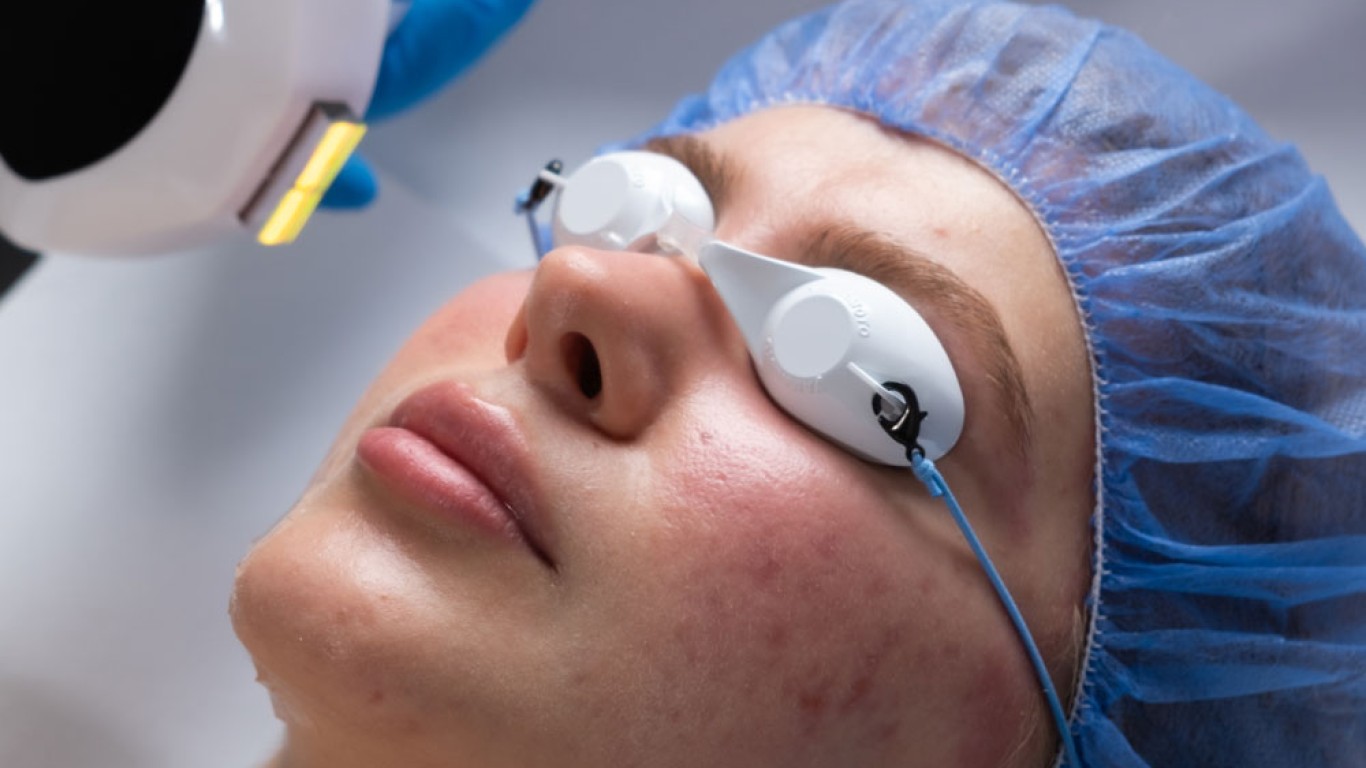
The treatment approach differs significantly. Hyperpigmentation vs chloasma treatment diverges at the intensity level. General hyperpigmentation responds well to aggressive treatments. IPL, Q-switched laser, medium-depth chemical peels and high-concentration topical agents produce excellent, lasting results for sun spots and post-inflammatory marks. Melasma requires the opposite approach. Hyperpigmentation vs melasma treatment for melasma must be conservative. Aggressive energy-based treatments including IPL and certain lasers can trigger rebound hyperpigmentation in melasma. The inflammatory response from the treatment stimulates the already overactive melanocytes. The melasma worsens rather than improves. Hyperpigmentation vs melasma misdiagnosis leads to inappropriate treatment. A patient with melasma treated with IPL on the assumption it is sun damage may experience dramatic worsening. The treatment that would have resolved sun spots aggravates the melasma. Accurate diagnosis is essential before any treatment begins.
Hyperpigmentation vs Melasma: How to Tell Them Apart
Several features help distinguish the two. Hyperpigmentation vs chloasma pattern is the first clue. General hyperpigmentation follows an injury or sun exposure pattern. Post-inflammatory marks sit where acne was. Sun spots cluster on sun-exposed areas. The distribution reflects the trigger. Melasma is symmetrical. Both cheeks match. Both sides of the forehead match. The pattern is bilateral and mask-like. This symmetry is the hallmark of melasma. Hyperpigmentation vs melasma timing provides another clue. General hyperpigmentation relates to a specific event. A sunburn, an acne breakout, a cosmetic procedure. The timing connects the spots to the cause. Melasma often appears during pregnancy, after starting contraception or during perimenopause. The timing connects to hormonal change. Hyperpigmentation vs melasma appearance differs subtly.
General hyperpigmentation tends to produce well-defined spots with clear borders. Melasma produces patches with less defined, irregular borders that fade gradually into the surrounding skin. Hyperpigmentation vs melasma definitive diagnosis uses a Wood lamp examination. The dermatologist examines the skin under UV light. Epidermal melasma enhances under Wood lamp. Dermal melasma does not. The depth of pigment determines treatment options. A dermatologist provides the most accurate diagnosis.
Hyperpigmentation vs Melasma: Treatment for General Hyperpigmentation
General hyperpigmentation responds predictably to treatment. IPL clears sun spots and age spots within two to four weeks. Chemical peels resurface pigmented skin. Laser treatments fragment melanin clusters. Topical hydroquinone, retinol and vitamin C produce gradual improvement. Hyperpigmentation vs melasma treatment for general cases can be aggressive because the melanocytes are not chronically overactive. The trigger has passed. The residual pigment simply needs to be cleared. Once cleared, the pigment stays clear with appropriate sun protection. General hyperpigmentation treatment produces high satisfaction rates. The results are lasting. Recurrence is uncommon when the patient maintains daily SPF. The treatment journey is typically short. Three to six months of targeted treatment resolves most cases.
Hyperpigmentation vs Melasma: Treatment for Melasma
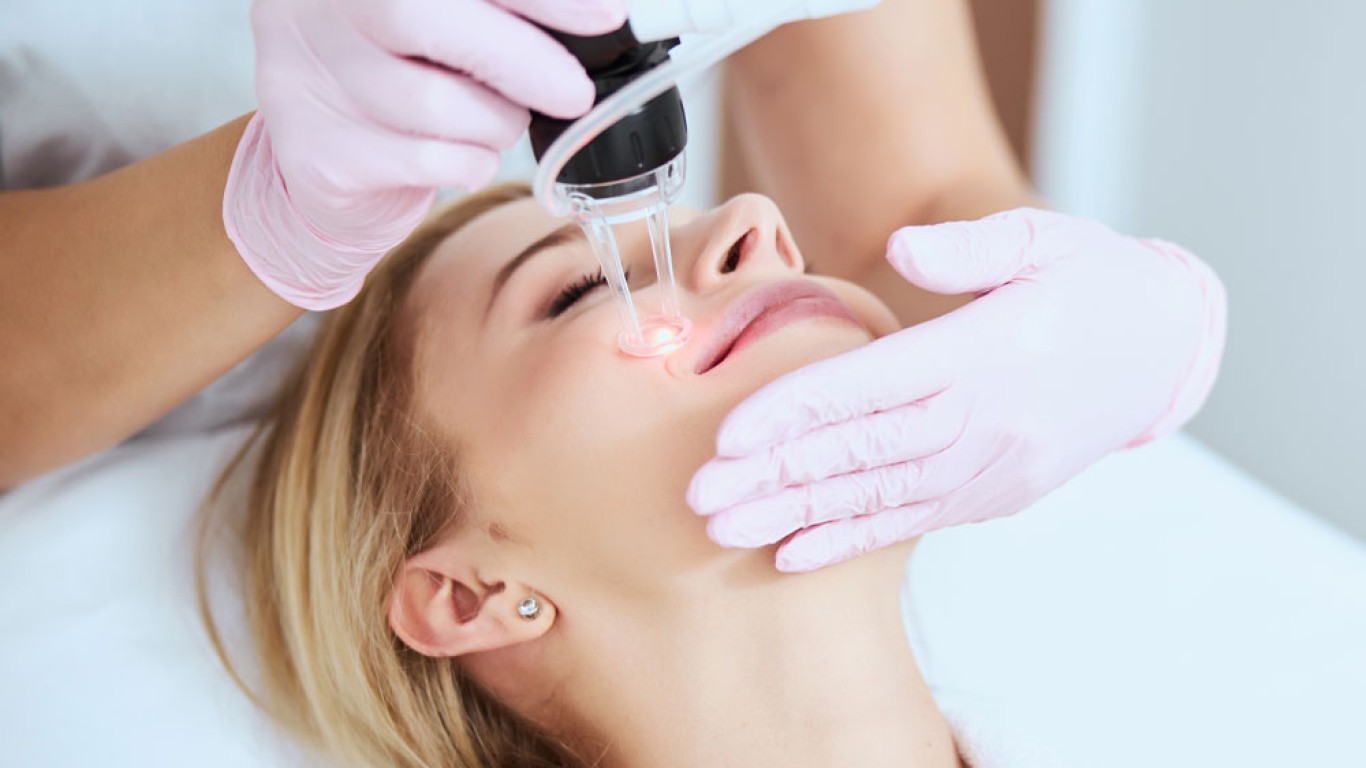
Melasma treatment requires patience, gentleness and ongoing management. The first-line approach is topical. Hydroquinone remains the most effective depigmenting agent. Combination formulations including hydroquinone, tretinoin and a mild corticosteroid produce the strongest topical results. Tranexamic acid taken orally or applied topically has shown significant benefit for melasma specifically. Hyperpigmentation vs melasma treatment for melasma includes gentle chemical peels. Superficial peels using glycolic or lactic acid at conservative concentrations improve melasma without the inflammatory rebound that aggressive peels cause. A course of four to six gentle peels produces cumulative improvement. Hyperpigmentation vs melasma treatment for melasma may include specific laser modalities. Low-fluence Q-switched Nd:YAG laser at non-ablative settings can improve melasma in experienced hands. The settings must be conservative. Aggressive laser parameters worsen melasma.
Only practitioners specifically experienced with melasma should perform laser treatment for this condition. Hyperpigmentation vs melasma treatment for melasma sun protection is non-negotiable. SPF fifty daily. Reapplication every two hours during exposure. Tinted SPF for visible light protection. Without strict sun protection, every melasma treatment is undermined. The UV triggers melanocyte activation that reproduces the pigment faster than treatment can clear it.
Conclusion
Hyperpigmentation vs melasma is a critical distinction. General hyperpigmentation responds well to aggressive treatment and resolves permanently with SPF. Melasma is a chronic hormonal condition that requires conservative treatment and ongoing management. Misdiagnosis leads to inappropriate treatment that can worsen melasma. Accurate professional diagnosis ensures the correct approach. Both conditions improve significantly with the right treatment. Turkey offers comprehensive pigmentation care at competitive pricing.
For more information about dark patches and to book a consultation visit the ACIBADEM Beauty Center Skin Treatments page.
Frequently Asked Questions
Melasma is one type of hyperpigmentation. Not all hyperpigmentation is melasma. The distinction matters for treatment.
Melasma is symmetrical and mask-like. General hyperpigmentation follows injury or sun exposure patterns. A dermatologist confirms.
Generally not. IPL can worsen melasma through rebound pigmentation. Conservative approaches are safer.
Manageable rather than curable. Treatment improves it significantly. Ongoing management maintains results.
Critically. SPF prevents recurrence of general hyperpigmentation and controls melasma progression.