Ataşehir Mah. Feza Sk. No:3 İstanbul / Türkiye
 English
  German
Introduction
Ozempic has become one of the most widely discussed weight loss medications in recent years. Originally developed for type two diabetes management, its weight loss effects generated enormous demand. Ozempic uses the active ingredient semaglutide. It belongs to the GLP-1 receptor agonist class. Understanding how Ozempic treatment works helps patients evaluate whether it suits their weight management goals. This article provides a comprehensive patient guide to Ozempic for weight loss in 2026.
How Ozempic Treatment Works
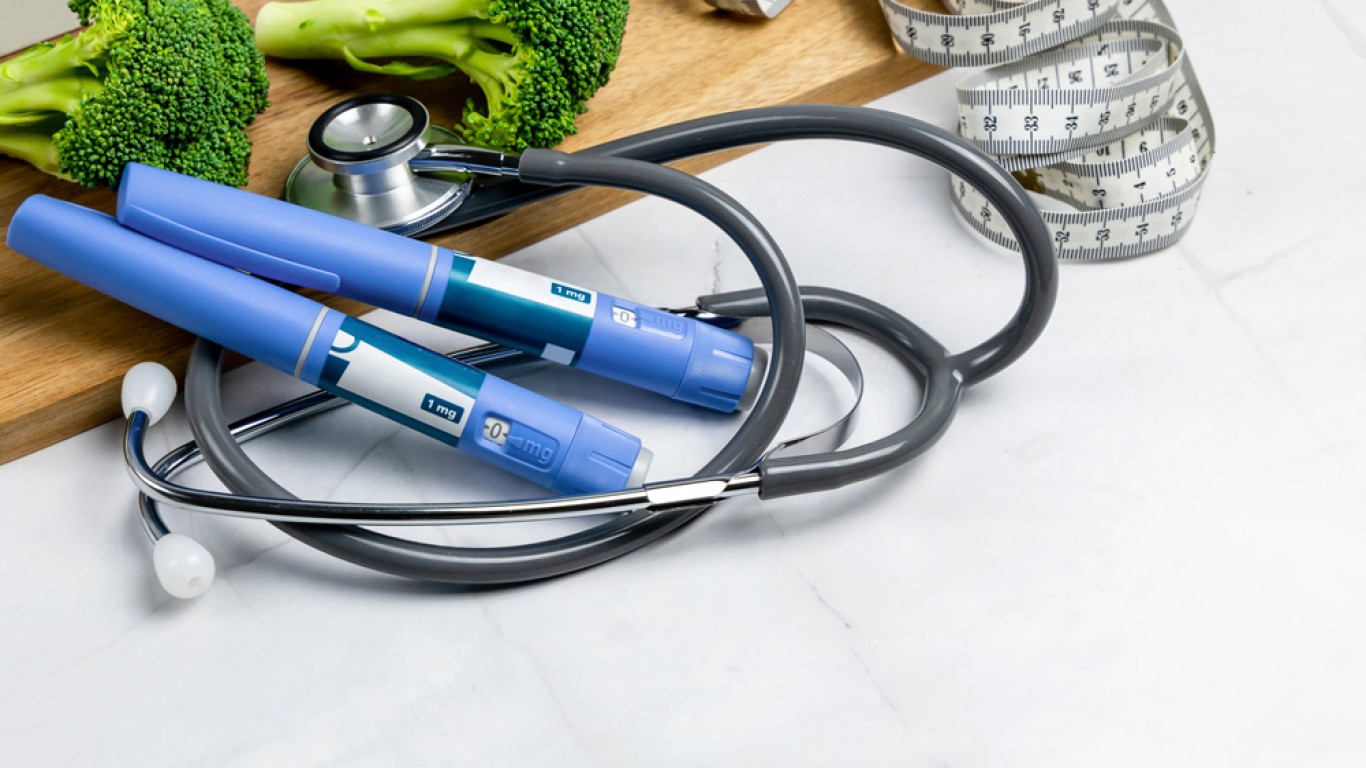
Ozempic treatment mimics a natural hormone called GLP-1. This hormone is released after eating. It signals fullness to the brain. It slows stomach emptying. It reduces appetite. Ozempic amplifies these effects. The medication binds to GLP-1 receptors in the brain and gut. Appetite decreases significantly. Patients feel satisfied with smaller meals. The desire to eat between meals reduces. Ozempic also slows gastric emptying. Food stays in the stomach longer. The feeling of fullness lasts for hours after eating. Calorie intake decreases naturally. Patients do not need to fight hunger constantly. Ozempic makes eating less feel manageable rather than punishing. The medication is administered as a weekly injection. A pre-filled pen delivers the dose subcutaneously. Most patients inject into the abdomen, thigh or upper arm. The injection is quick. The needle is fine. Most patients describe minimal discomfort.
Ozempic Treatment: Expected Weight Loss Results
Ozempic treatment produces significant weight loss for most patients. Clinical trials show average weight loss of approximately twelve to fifteen percent of body weight. Some patients achieve more. Others achieve less. Individual response varies. Ozempic weight loss develops gradually. The dose is titrated upward over several weeks. Starting doses are low. The body adjusts. Higher doses produce stronger appetite suppression. Ozempic reaches its therapeutic dose after approximately four to eight weeks of titration. Weight loss begins during the titration phase. It accelerates once the full dose is reached.
Ozempic treatment produces the most rapid weight loss during the first six months. The pace slows as the body approaches a new equilibrium. Most patients reach their maximum weight loss at twelve to eighteen months. Ozempic combined with dietary modification and exercise produces the strongest results. The medication reduces appetite. Lifestyle changes optimise the calorie balance. The combination is more effective than either approach alone.
Ozempic Treatment: Side Effects
Gastrointestinal side effects are the most common. Ozempic causes nausea in a significant proportion of patients. This is most pronounced during the dose escalation phase. The body adapts over time. Nausea typically improves within two to four weeks at each dose level. Ozempic treatment may also cause vomiting, diarrhoea and constipation. These effects are usually manageable. Eating smaller meals reduces gastrointestinal discomfort. Avoiding fatty and greasy foods helps. Ozempic side effects are the reason for gradual dose titration. Starting at a low dose allows the body to adjust before increasing. Rushing the titration worsens side effects without improving outcomes.
Ozempic may cause less common side effects including headache, fatigue and dizziness. Gallbladder problems including gallstones can occur during rapid weight loss. Pancreatitis is a rare but serious concern. Patients should report persistent abdominal pain to their doctor. Ozempic treatment carries a precautionary warning regarding thyroid tumours based on animal studies. The relevance to humans is not confirmed. Patients with a personal or family history of medullary thyroid cancer should not use the medication.

Ozempic Treatment: Who Suits the Medication?
Ozempic treatment suits specific patient profiles. The medication is approved for type two diabetes management. Its use for weight loss specifically may be off-label depending on the country. Wegovy, which contains the same active ingredient at a higher dose, is approved specifically for weight management. Ozempic suits patients with a BMI of thirty or above. Those with a BMI of twenty-seven or above with weight-related health conditions may also be appropriate candidates. Ozempic is not suitable for patients with a history of medullary thyroid cancer or multiple endocrine neoplasia syndrome type two. Patients with a history of pancreatitis should discuss suitability carefully. Ozempic during pregnancy is not recommended. The medication should be stopped at least two months before planned conception. Ozempic is prescribed by a doctor. Self-sourcing from non-medical channels carries safety risks including counterfeit products. Medical supervision ensures appropriate dosing, monitoring and side effect management.
Practical Considerations
Several practical factors affect the treatment experience. Ozempic treatment is administered once weekly. The injection can be given on any day. Consistency helps. Choosing the same day each week establishes a routine. Ozempic injection technique is straightforward. The pre-filled pen includes clear instructions. Most patients self-inject comfortably after the first attempt. The injection site should rotate between the abdomen, thigh and upper arm. Ozempic storage requires refrigeration before first use. Once opened, the pen can be stored at room temperature for up to fifty-six days. Ozempic cost varies by country and insurance coverage. The medication is expensive at retail pricing. Insurance coverage depends on the indication and policy. Some patients pay privately. Ozempic cost in some countries makes the medication inaccessible without insurance. Generic alternatives may become available in coming years. This could reduce pricing significantly.
Ozempic Treatment: What Happens When You Stop?
Weight regain after stopping is a significant concern. Ozempic effects cease when the medication is discontinued. Appetite returns to pre-treatment levels. The hormonal suppression stops. Ozempic weight regain studies show substantial weight return within twelve months of cessation. Patients may regain two-thirds or more of lost weight. Ozempic treatment appears to require ongoing use for sustained results. This raises questions about long-term commitment and cost. Ozempic as a temporary intervention produces temporary results for most patients. The weight management benefit persists only while the medication continues. Some patients transition from Ozempic to bariatric surgery for permanent structural restriction. Others accept long-term medication use as a maintenance strategy. The decision involves weighing ongoing medication costs against the health benefits of sustained weight loss. Ozempic should be discussed as a potentially long-term commitment during the prescribing conversation.
Conclusion
Ozempic treatment reduces appetite and produces significant weight loss through GLP-1 receptor agonism. Average weight loss is twelve to fifteen percent of body weight. Gastrointestinal side effects are common but manageable. Ozempic treatment works best alongside dietary modification and exercise. Weight regain after stopping is a significant concern. Long-term use may be necessary for sustained results. Bariatric surgery offers a permanent alternative. Professional consultation ensures Ozempic treatment is appropriate for individual circumstances. Turkey offers bariatric surgery at competitive pricing for patients who prefer a permanent surgical solution.
For more information about ozempic and to book a consultation visit the ACIBADEM Beauty Center Obesity Surgery page.
Frequently Asked Questions
Average weight loss is twelve to fifteen percent of body weight. Individual results vary.
Nausea is most common. Vomiting, diarrhoea and constipation may also occur. Side effects typically improve over time.
Most patients regain significant weight within twelve months of stopping. Ongoing use may be needed.
Surgery produces greater, more permanent weight loss. Ozempic is non-surgical and reversible. Both suit different patients.
Yes. Ozempic requires medical prescription and supervision for safe, appropriate use.