Ataşehir Mah. Feza Sk. No:3 İstanbul / Türkiye
 English
  German
  Spanish
Introduction
Weight loss drugs such as GLP-1 receptor agonists have transformed the treatment of obesity. They produce significant and rapid weight reduction in most patients. However, the skin is often significantly affected by this process. Many patients on weight loss drugs experience changes in their skin that they did not anticipate. Some are a direct result of the medication. Others result from the rapid weight loss itself. Understanding what to expect helps patients manage both their weight loss and their appearance. Knowing how to address changes early makes a real difference. This article covers the key skin side effects associated with weight loss drugs. It explains the most effective ways to address each one.
Why Weight Loss Drugs Affect the Skin
Weight loss drugs affect the skin through several mechanisms. Rapid fat loss is the most significant. The skin sits over a fat layer that provides structural support and volume. When fat is lost quickly, the skin does not always contract at the same rate. This leads to laxity. Reduced appetite caused by weight loss drugs often leads to lower overall nutritional intake. Protein, vitamins and minerals all support skin health. Deficiency in any of these can worsen skin quality during weight loss. Dehydration is also more common during GLP-1 treatment. Nausea and reduced fluid intake can both reduce hydration levels. Skin that is not well hydrated becomes dull, dry and less elastic. These factors together explain why weight loss drugs produce noticeable skin changes in many patients.
Loose Skin: The Most Common Weight Loss Drug Skin Effect
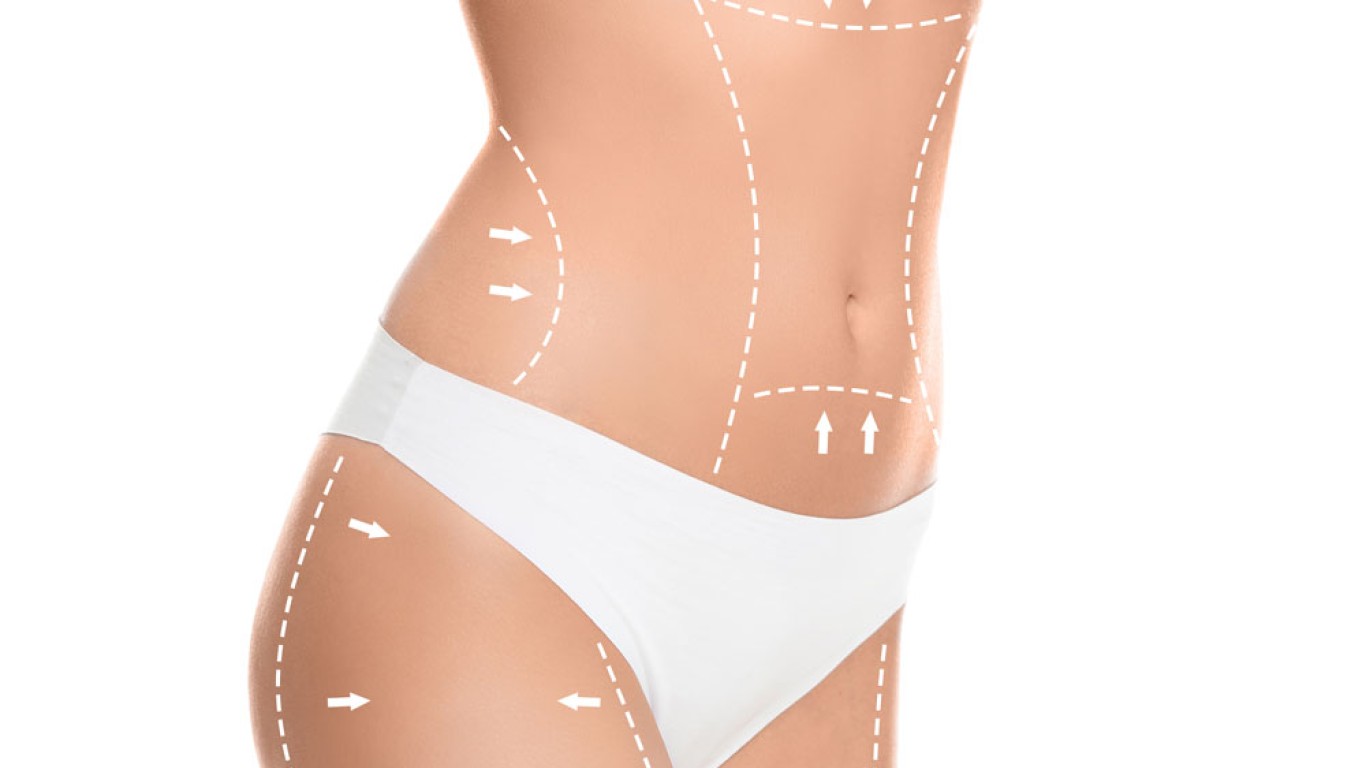
Loose skin is the most frequently reported skin consequence of rapid weight loss on weight loss drugs. The abdomen, upper arms, inner thighs and the face are the most affected areas. The skin has a degree of elasticity. However, this is limited by the speed of fat loss and individual skin characteristics. Older patients and those who lose larger amounts of weight experience more significant laxity. The face is particularly noticeable. Facial fat loss creates a deflated, aged appearance. Cheeks hollow and the jawline loses definition. Non-surgical skin tightening treatments help address mild to moderate laxity. These include radiofrequency, HIFU and radiofrequency microneedling. Significant loose skin may ultimately require surgical correction after weight has stabilised.
Dry and Dull Skin Associated with Weight Loss Drugs
Dry and dull skin are common complaints among patients taking weight loss drugs. Reduced food intake can lead to insufficient intake of healthy fats. These are essential for maintaining the skin barrier. Omega-3 fatty acids, found in oily fish, flaxseed and walnuts, support skin hydration from within. Vitamin deficiencies, particularly vitamins A, C, D and E, affect skin quality and repair. Patients on GLP-1 medications often eat smaller portions and may inadvertently miss key nutrients. Increasing hydration by drinking at least two litres of water daily supports skin moisture. Rich moisturisers applied morning and evening strengthen the skin barrier. Hyaluronic acid serums lock moisture into the skin. Addressing nutritional deficiencies through supplementation or dietary adjustment improves skin quality over time.

Facial Ageing and Ozempic Face from Weight Loss Drugs
Rapid facial fat loss caused by weight loss drugs produces a visible ageing effect. This is widely described as ‘Ozempic face’. The cheeks deflate, the under-eye area deepens, temples become more visible and the jaw loses definition. The face can appear older than before treatment while the body looks slimmer and healthier. Dermal fillers are the most effective non-surgical treatment for this change. Hyaluronic acid fillers replace lost facial volume. Strategic placement in the cheeks, temples and tear trough restores structural support. Fat grafting uses the patient's own fat for a more permanent solution. Skin boosters improve overall hydration and quality alongside volume restoration. Treating ‘Ozempic face’ promptly prevents the changes from becoming more pronounced over time.
How Affect Skin Elasticity and Collagen
Weight loss drugs affect skin elasticity indirectly. Rapid weight reduction does not give the skin time to produce enough new collagen. It cannot compensate for the structural changes occurring below the surface. Collagen is the protein that gives skin its firmness and bounce. It takes time to produce and its production slows with age. Patients over forty experience more noticeable elasticity loss because baseline collagen production is already reduced. Treatments that stimulate collagen production help address this. Radiofrequency microneedling is one of the most effective. It delivers heat precisely into the dermis. New collagen forms during the healing process. Fractional laser resurfacing stimulates deeper collagen renewal. Polynucleotide injections support cellular repair and elasticity. Starting these treatments during the weight loss phase helps the skin adapt. They work alongside the structural changes occurring as fat is lost.
Nutritional Strategies to Protect Skin During Weight Loss Drug Treatment
Nutrition has a direct impact on skin health during weight loss drug treatment. Protein is the most important dietary priority. It provides the building blocks for collagen and skin repair. Aim for at least one gram of protein per kilogram of target body weight each day. Healthy fats from sources such as avocado, oily fish and olive oil support the skin barrier. Vitamin C promotes collagen synthesis. Vitamin E protects against oxidative damage. Zinc supports wound healing and skin repair. A good quality multivitamin fills nutritional gaps during periods of reduced appetite. Biotin supplements are popular for skin and hair health during weight loss. Working with a dietitian ensures nutritional needs are met. This is especially important when appetite is significantly reduced by weight loss drugs.
Weight Loss Drug Skin Changes: When to Seek Professional Help
Some skin changes related to weight loss drugs benefit from professional assessment. Significant loose skin that does not respond to non-surgical treatment may require a surgical consultation. A plastic surgeon advises on the timing and type of body contouring. This ensures the best possible outcome for each individual patient. Facial volume loss that causes distress warrants a dermatology or aesthetics consultation. Injectable treatments are quick, safe and highly effective for this concern. Persistent dryness or worsening skin quality despite good nutrition may indicate a deficiency requiring blood testing. Hair thinning is another common weight loss drug side effect. A dermatologist can assess whether this is telogen effluvium and advise on appropriate treatment. Early professional input leads to better outcomes and less distress throughout the weight loss journey.
Hair Thinning and Other Skin-Related Weight Loss Drug Effects
Hair thinning is a common but often unexpected skin-related effect of rapid weight loss. It is known as telogen effluvium. Significant physical stress including rapid weight reduction can push hair follicles into a resting phase simultaneously. This results in noticeable shedding two to three months after the trigger. It is usually temporary. Hair typically regrows within six to twelve months once nutritional status improves and weight stabilises. Biotin, iron, zinc and adequate protein support hair recovery during this period. A dermatologist can assess whether hair loss is telogen effluvium or another condition. Nail quality may also change during rapid weight loss. Brittle nails often reflect nutritional deficiencies. Addressing these with supplementation and improved dietary intake produces meaningful improvement over time.
Conclusion
Weight loss drugs produce significant and rapid fat reduction in most patients. The skin is commonly affected by this process. Loose skin, facial deflation, dryness and reduced elasticity are the most common concerns. Nutritional strategies including adequate protein, healthy fats and supplementation protect skin quality during treatment. Non-surgical treatments including fillers, radiofrequency and collagen-stimulating procedures address moderate changes effectively. Significant loose skin may require surgical correction after weight stabilises. Professional consultation ensures the right treatment for each individual's concerns. Managing skin side effects proactively makes the weight loss journey more comfortable. It also results in a more satisfying overall outcome.
For more information about weight loss drugs visit the ACIBADEM Beauty Center Aesthetics page.
Frequently Asked Questions
Rapid fat loss does not always allow the skin time to contract. Loose skin on the face, abdomen, arms and thighs is common with significant or fast weight loss.
Ozempic face describes the deflated, aged facial appearance caused by rapid facial fat loss. Fillers and fat grafting effectively address this concern.
Prioritise protein, healthy fats, vitamins and hydration. Collagen-stimulating skin treatments during weight loss help the skin adapt alongside fat reduction.
Wait until weight has been stable for at least twelve months. A plastic surgeon can then advise on the most appropriate body contouring procedure for your specific concerns.
Yes. Non-surgical treatments including radiofrequency, HIFU and fillers are safe during GLP-1 treatment. They help manage skin changes as weight loss progresses.