Ataşehir Mah. Feza Sk. No:3 İstanbul / Türkiye
 French
  English
  German
  Spanish
Introduction
Dental veneers have become one of the most popular cosmetic dental treatments worldwide. The thin porcelain shells transform the appearance of teeth dramatically. Many patients seek veneers to address discolouration, chips, gaps or misalignment. Understanding what to expect after treatment helps patients prepare for the healing process. The veneers recovery timeline is typically much shorter than surgical procedures. However, certain milestones and aftercare practices support long-term success. This article explains the veneers recovery timeline from immediately after placement through to long-term maintenance. The information helps patients adjust to their new smile and protect their investment for years to come.
What Are Dental Veneers?
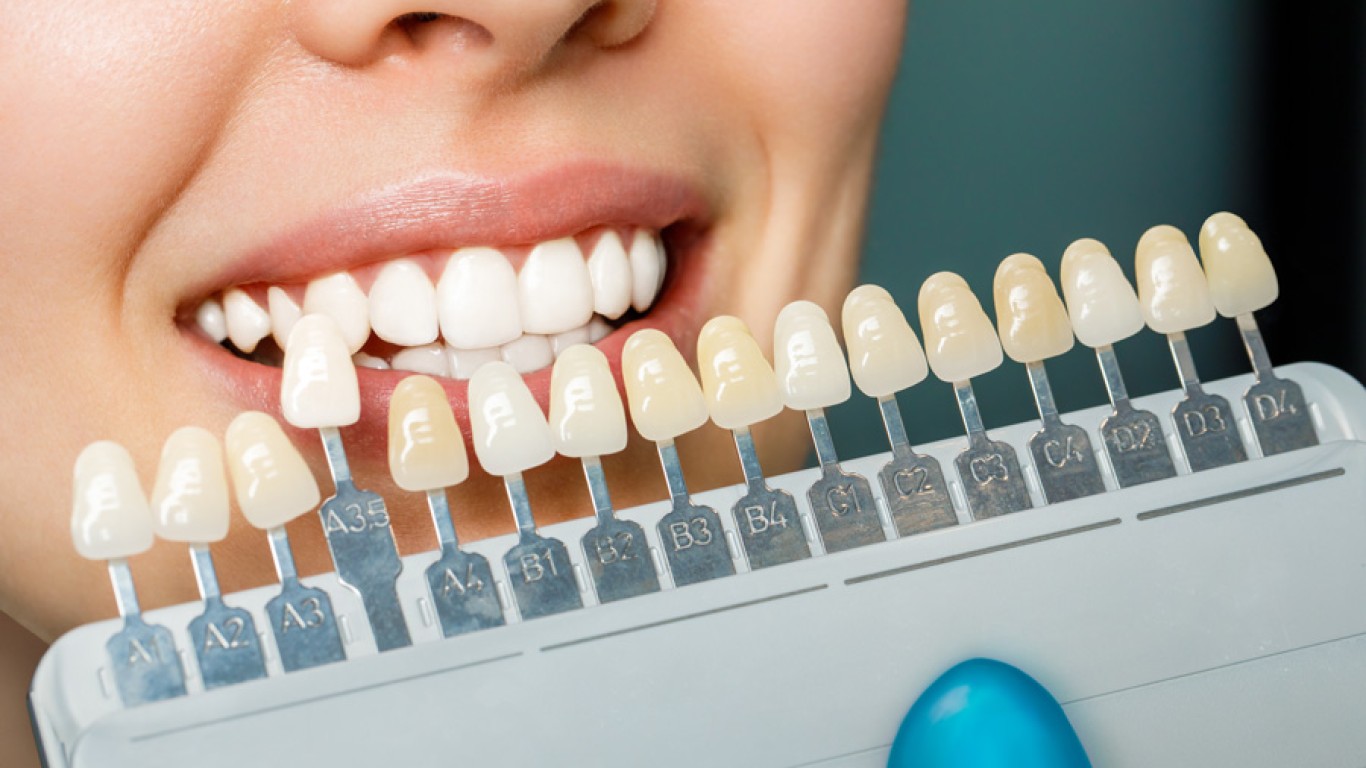
Dental veneers are thin shells of porcelain or composite material bonded to the front surface of teeth. The veneers cover imperfections and create a uniform, attractive appearance. Porcelain veneers are the most popular and durable option. They resist staining and look highly natural. Composite veneers are a more affordable alternative with a shorter lifespan. The procedure typically requires two appointments. The first involves preparing the teeth and taking impressions, while the second involves bonding the veneers in place. Modern techniques allow minimal tooth preparation in many cases. The result is a transformed smile that can last for many years with proper care.
Day of Veneer Placement
The day of veneer placement marks the start of the veneers recovery timeline. Local anaesthetic ensures comfort during the procedure. The dentist removes any temporary veneers if they were used. Each tooth surface is prepared for bonding. The custom veneers are then carefully placed and adjusted. Special dental cement secures each veneer in position. A curing light hardens the cement. The dentist checks the bite and makes any necessary adjustments. The procedure typically takes one to two hours depending on the number of veneers. Patients leave the clinic with their new smile in place. Some sensitivity is common as the anaesthetic wears off.
Veneers Recovery Timeline: First 24 Hours After Veneer Placement
The first twenty-four hours of the veneers recovery timeline focus on adjustment and comfort. Mild sensitivity to hot and cold is common during this period. The mouth may feel slightly different with the new veneers. Speech may feel unusual at first as the tongue adjusts to the new tooth shape. Patients should eat soft foods initially. Avoiding very hot or cold foods helps with sensitivity. Coffee, tea and red wine should be avoided to prevent staining the bonding material before it fully sets. Gentle brushing is fine. Most patients feel comfortable enough to return to work and social activities the next day if needed.
Veneers Recovery Timeline: Days 2 to 7
Days two to seven of the veneers recovery timeline see continued adjustment. Sensitivity gradually decreases. The mouth begins to feel more normal with the new veneers in place. Speech adjusts as the tongue learns the new tooth contours. Most patients can resume their normal diet during this period. Hard, sticky or chewy foods should still be approached cautiously. Coffee and tea consumption can typically resume after the first few days. Brushing and flossing should continue gently around the veneers. The first follow-up appointment may occur during this week to check the bite and address any concerns. Most patients feel completely adjusted to their veneers by the end of week one.
Veneers Recovery Timeline: Weeks 2 to 4
Weeks two to four of the veneers recovery timeline build confidence in the new smile. Any remaining sensitivity typically resolves during this period. Speech feels completely natural again and eating returns to normal patterns. Most patients become accustomed to seeing their new smile in the mirror. Photographs from this stage capture the transformation. Confidence in social and professional situations typically grows. Oral hygiene routines settle into a comfortable pattern. The veneers feel like part of the natural teeth. Any minor adjustments needed are typically addressed at follow-up appointments. The veneers should look and feel like the patient’s own teeth by the end of this period.
Long-Term Veneers Recovery Timeline
Beyond one month the veneers recovery timeline transitions into long-term maintenance. The veneers should feel completely natural by this point. Sensitivity should be fully resolved and patients can enjoy their full normal diet. Regular brushing and flossing maintain oral health. The bonding material has fully set. Coffee, tea, red wine and other staining foods can be consumed normally. Avoiding habits such as nail biting and using teeth as tools protects the veneers. Regular dental check-ups every six months monitor veneer health. The veneers should provide lasting beauty when cared for properly. Most patients are extremely pleased with their transformed smile during this long-term phase.
Daily Aftercare for Veneers
Daily aftercare protects veneers and supports long-term success. Brushing twice daily with a soft-bristled toothbrush keeps the veneers clean. Non-abrasive toothpaste protects the surface. Flossing removes plaque and food particles between teeth. The veneers themselves do not develop cavities but the underlying teeth still can. Mouthwash supports overall oral health. Avoiding excessive force when biting or chewing protects the veneers from damage. Patients who grind their teeth at night should wear a custom night guard. This protects both natural teeth and veneers from wear. Regular oral hygiene appointments support long-term veneer health and overall dental wellness.
Foods to Approach Cautiously
Certain foods should be approached cautiously with veneers.
- Very hard foods such as ice and hard sweets can chip or crack veneers.
- Sticky foods such as toffee and caramel can pull at the veneer edges.
- Tough meats should be cut into small pieces rather than torn with the front teeth.
- Whole apples and corn on the cob should be cut into pieces. B
- ones and shells should be avoided.
- Highly pigmented foods do not stain veneers themselves but can affect the surrounding bonding material over time.
- Moderation rather than complete avoidance is usually the best approach.
- Most patients can enjoy their normal diet with minor adjustments to protect their investment.
Signs to Contact Your Dentist
Knowing when to contact the dentist is an important part of the veneers recovery timeline. Persistent sensitivity beyond the first few weeks should be reported. Any feeling that the bite is uneven warrants attention. A loose or chipped veneer requires prompt professional care. Pain or discomfort that does not resolve should be evaluated. Any changes in the appearance of a veneer deserve investigation. Most clinics provide a contact number for post-treatment queries. Asking questions early prevents minor concerns from becoming bigger problems. Dentists expect patient queries during recovery and welcome the opportunity to provide reassurance and address concerns promptly.
Veneers Longevity and Replacement
Porcelain veneers typically last between ten and fifteen years with proper care, though some last considerably longer. Composite veneers have a shorter lifespan of around five to seven years. The veneers recovery timeline extends throughout the entire lifespan of the restoration. Regular dental check-ups identify any issues early. Worn or damaged veneers can usually be replaced individually. The natural tooth beneath remains protected. Replacement is straightforward and follows a similar process to the original placement. Maintaining good oral hygiene and avoiding damaging habits extends veneer lifespan. Many patients enjoy their transformed smile for two decades or more with proper care and regular professional maintenance.
Conclusion
The veneers recovery timeline is relatively short compared with surgical procedures. Most patients adjust to their new smile within one to two weeks. Sensitivity resolves and the veneers feel completely natural. Long-term aftercare protects the investment for many years. Following daily oral hygiene routines and avoiding damaging habits supports lasting results. Regular dental check-ups identify any concerns early. Professional veneers can transform a smile and boost confidence dramatically. Understanding the recovery process helps patients make the most of their treatment and enjoy their new smile for years to come.
To find out more about veneers and to book a consultation, visit the ACIBADEM Beauty Center Dental Treatments page.
Frequently Asked Questions
Most patients adjust fully within one to two weeks of placement.
Yes, mild sensitivity is common during the first week and gradually resolves.
Most patients return to a normal diet within a few days.
Porcelain veneers typically last ten to fifteen years with proper care.
Standard brushing and flossing are sufficient with non-abrasive toothpaste.