Ataşehir Mah. Feza Sk. No:3 İstanbul / Türkiye
 French
  English
  German
  Spanish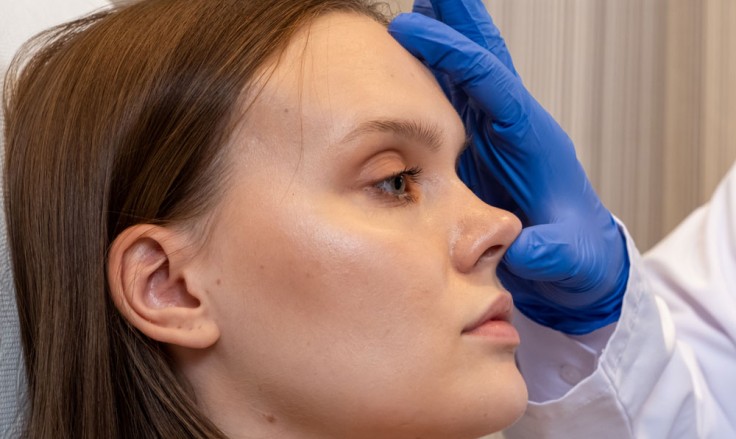
Introduction
The straight nose is one of the most requested profiles in rhinoplasty consultations. It is characterised by a smooth, even bridge. It runs in a continuous line from the brow to the tip. Many patients seek this shape because it creates a balanced and harmonious facial profile. The result appears clean and proportionate from both frontal and side views. Understanding what defines a straight nose and how rhinoplasty achieves this shape helps patients communicate their goals more effectively during consultation. This article explains the characteristics of a straight nose and the surgical techniques involved. Learn about the factors that influence whether this profile suits individual facial anatomy.
What Defines a Straight Nose?
A straight nose features a bridge that is even and free from bumps or depressions. The profile line runs smoothly from the root of the nose between the eyes to the tip. There is no visible dorsal hump or concavity. The bridge width is proportionate to the rest of the face. This creates a balanced relationship between the nose and surrounding features. The profile appears balanced from every angle. It sits centrally on the face without deviation to either side. This creates visual symmetry from the frontal view. The tip is positioned at a natural angle relative to the upper lip. This contributes to the overall sense of balance and proportion. This profile is widely associated with facial harmony. Many cultural and aesthetic traditions consider a straight nose attractive. This is due to its symmetry and clean lines.
Why Patients Request a Straight Nose
A straight nose is among the most popular goals in rhinoplasty. Patients request this shape for several reasons. A dorsal hump on the bridge creates an uneven profile that many individuals want corrected. Deviation of the nasal bridge to one side can make the nose appear crooked. Surgical correction addresses these asymmetries. It creates a cleaner side profile and more balanced frontal appearance. Some patients feel that a straight nose suits their face better than their current shape. Others associate it with a refined and polished aesthetic. The result is versatile. It complements a wide range of facial structures and proportions.
How Rhinoplasty Creates a Straight Nose
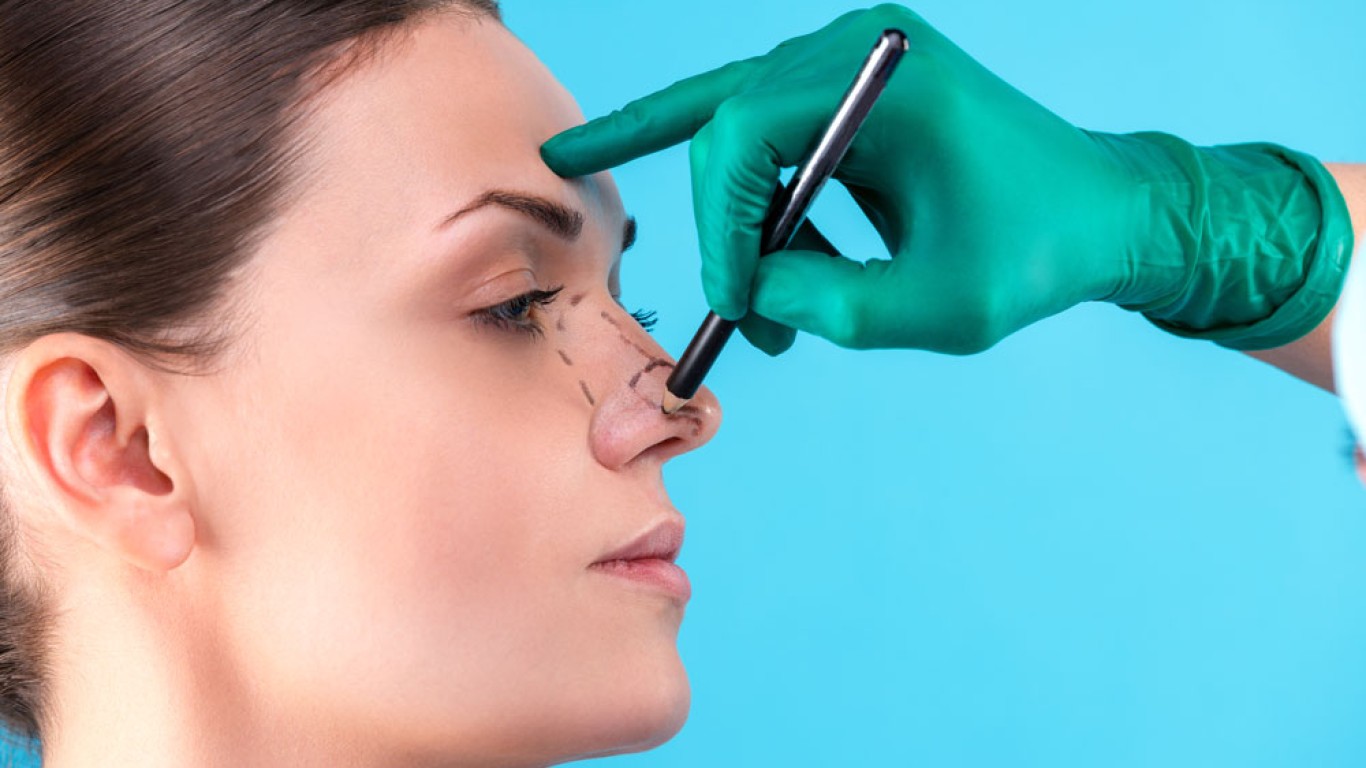
Rhinoplasty achieves a straight nose through careful reshaping of the nasal framework. The surgeon addresses bone and cartilage to create a smooth, even bridge line. Dorsal hump reduction removes excess bone and cartilage from the bridge. This eliminates the bump that creates an uneven profile. Osteotomies may be performed to reposition the nasal bones and correct any lateral deviation. This can contributes to an uneven appearance. The result requires precise alignment of both bone and cartilage along the midline. Cartilage grafts may be used to fill any depressions. Spreader grafts support the middle vault of the nose. Each technique is selected based on the specific anatomical features present.
Dorsal Hump Reduction for a Straight Nose
Dorsal hump reduction is the most common technique for creating a straight nose profile. The hump typically consists of both bone and cartilage. The surgeon removes the precise amount needed to create a smooth bridge line. Over-reduction must be avoided. Removing too much creates a scooped or overly concave profile. The ideal profile sits between a humped and a scooped bridge. The surgeon uses precise measurements to achieve this balance. Filing and rasping tools smooth the bone surface after reduction. The result is a bridge that flows in a continuous line from root to tip. Careful technique ensures the straightened profile looks natural.
Correcting a Crooked Bridge
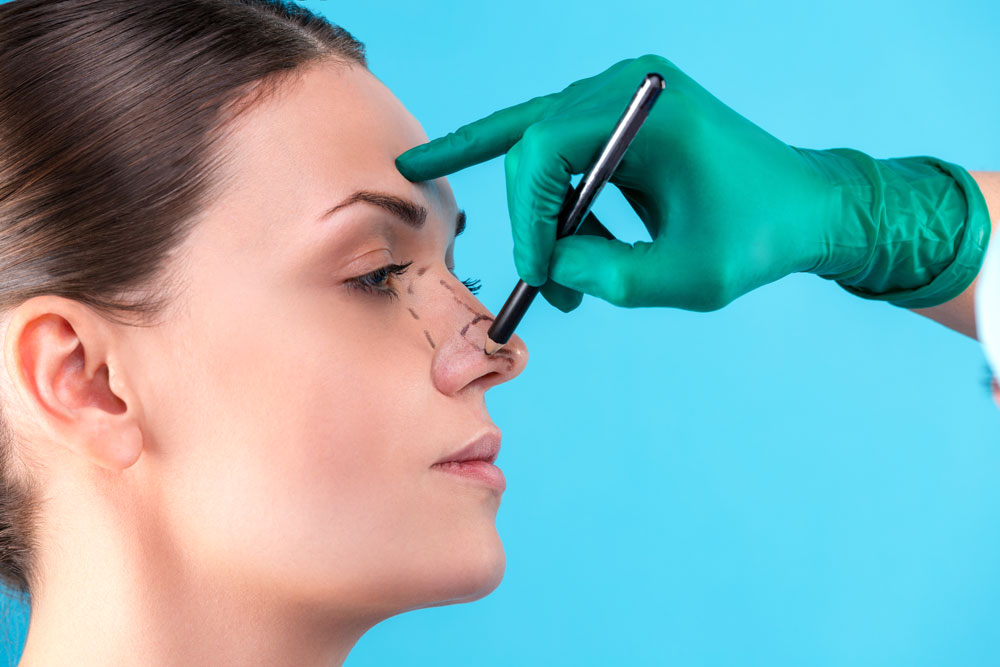
A deviated bridge shifts the nose to one side. This creates asymmetry that detracts from facial balance. Achieving this profile requires correcting the underlying deviation. Osteotomies reposition the nasal bones along the midline. Septal work may be necessary to straighten the internal cartilage framework. A result that also functions well requires attention to both aesthetics and airway. Cartilage grafts provide structural support where needed. Correcting deviation is one of the more technically demanding aspects of rhinoplasty. Experienced surgeons plan these corrections carefully to ensure long-lasting alignment.
The Consultation Process
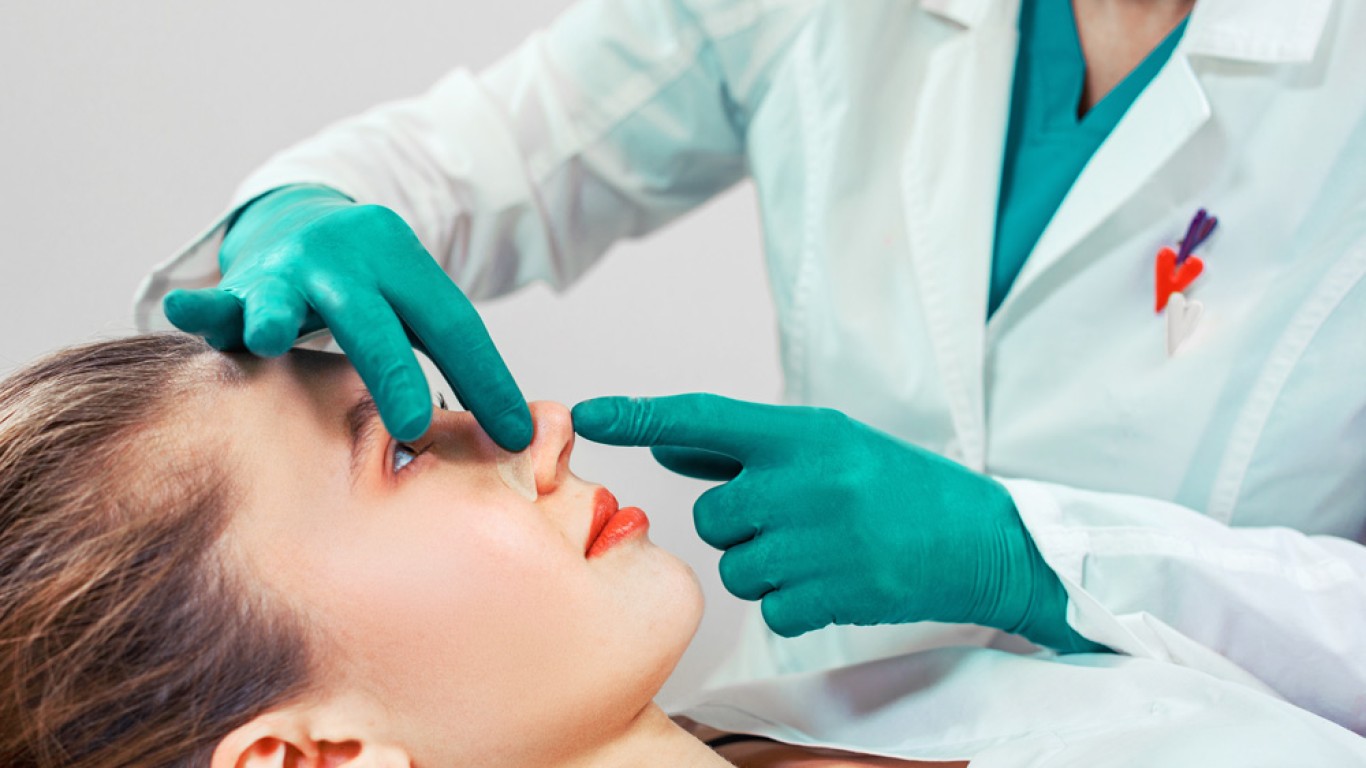
Consultation is essential for patients seeking a straighter nose. The surgeon examines the bridge, tip and overall nasal structure. Photographs are taken from multiple angles. Digital imaging or 3D simulation previews the expected result. The result must suit the patient's individual facial proportions. What looks balanced on one face may appear too narrow or too wide on another. The surgeon advises on what degree of straightening is achievable. Skin thickness and cartilage strength influence the final outcome. Open communication during consultation ensures that both surgeon and patient share a clear vision. Patients are encouraged to discuss their goals, concerns and expectations in detail to support personalised planning and realistic outcome assessment.
Can Every Nose Be Made Perfectly Straight?
Not every nose can achieve a perfectly straight result. Individual anatomy places limitations on what surgery can accomplish. Thick nasal skin may mask precise structural changes. Results in patients with very thick skin may appear softer than expected. Cartilage memory can cause slight shifts during healing. Previous nasal injury or surgery may complicate straightening. Mild asymmetry is natural and present in most faces. A result that appears natural is a more realistic goal than mathematical perfection. Surgeons prioritise balance and harmony over absolute symmetry. Setting these expectations during consultation supports higher patient satisfaction.
Recovery After Surgery
Recovery follows a standard rhinoplasty timeline. A splint supports the reshaped bridge for one week. Swelling and bruising are common during the first two weeks. The bridge appears straight once the splint is removed. Residual swelling may temporarily affect the appearance. The profile becomes more defined as swelling resolves over the following months. Most patients return to daily activities within two weeks. Avoiding impact to the nose is important during healing. Final results develop over twelve to eighteen months. Patience during this period is essential. The gradual refinement process reveals the straight profile progressively. Regular follow-up appointments help monitor healing progress. It ensures the nose maintains its intended shape throughout the recovery process.
Facial Harmony
The profile contributes to overall facial harmony. It draws less attention than a humped or crooked nose. This allows other facial features to be noticed more naturally. It creates a balanced midline anchor for the face. It complements the eyes, lips and chin proportionally. The aesthetic impact of a straighter nose is often subtle but significant. Patients frequently report that their face looks more balanced after achieving a straighter nose profile. The change enhances the overall appearance without dominating it. Facial harmony is the ultimate goal of any well-planned rhinoplasty procedure.
Risks and Considerations
Rhinoplasty for a straight nose carries the same risks as any surgical procedure. Swelling and bruising are expected. Infection is rare when proper protocols are followed. Asymmetry may occur if healing is uneven. The result depends on the body's healing response as well as surgical technique. Revision surgery may be considered if the outcome does not meet expectations. Choosing an experienced rhinoplasty surgeon reduces these risks significantly. Thorough pre-operative assessment and careful surgical planning support the most predictable outcomes. Understanding potential risks helps patients make informed decisions.
Conclusion
A straighter nose is one of the most sought-after rhinoplasty outcomes. The shape is defined by a smooth, even bridge with balanced proportions. Surgery achieves this through hump reduction, deviation correction and precise structural work. Individual anatomy and skin thickness influence achievable results. Consultation ensures that the straight nose profile suits each patient's facial proportions. Recovery progresses over several months with final results developing gradually. Professional guidance ensures personalised planning for the best possible outcome.
For more information and to book a consultation visit the ACIBADEM Beauty Center Rhinoplasty page.
Frequently Asked Questions
A nose with a smooth, even bridge free from humps or deviations.
Yes, hump reduction creates a smoother bridge profile.
Final results develop over twelve to eighteen months.
Yes, thicker skin may show less precise structural detail.
Natural balance is more realistic and aesthetically pleasing than mathematical perfection.