Ataşehir Mah. Feza Sk. No:3 İstanbul / Türkiye
 English
  German
  Spanish
Introduction
A TCA peel is one of the most versatile chemical peel treatments available in clinical aesthetics today. Trichloroacetic acid has been used in dermatology for several decades with proven results across a range of skin concerns. The treatment addresses pigmentation, scarring, sun damage and fine lines. TCA peels remove damaged skin layers to reveal fresher tissue beneath. Different concentrations allow the depth to be tailored to each patient's specific needs and skin type. A TCA peel suits patients seeking visible improvement without surgical intervention. Understanding how the treatment works helps patients evaluate whether it matches their concerns. This article explains the science, the treatment process and what results to expect realistically. It also highlights who benefits most from treatment and how recovery progresses.
What Is a TCA Peel?
TCA peel uses trichloroacetic acid to exfoliate and resurface the skin in a controlled manner. The acid breaks down bonds between damaged skin cells. This triggers the body to shed the outer layer. Fresh tissue is produced beneath as part of the natural healing response. TCA peels are classified as medium-depth at concentrations between fifteen and thirty-five percent. Lower concentrations produce lighter peels with less downtime required. Higher concentrations penetrate deeper for more dramatic results. A TCA peel stimulates collagen production during the healing phase. The new skin is smoother, more even and healthier in appearance overall. The treatment has a strong clinical track record spanning decades. It remains one of the most widely used chemical peel formulations in dermatology worldwide. Its versatility makes it suitable for a wide range of aesthetic concerns.
How a TCA Peel Works
A TCA peel creates a controlled chemical injury to the skin surface. The acid penetrates through the epidermis and triggers a wound-healing response. Damaged cells are shed over the following days as new tissue forms beneath. New collagen and elastin production begins during the healing phase. The depth of penetration depends on the acid concentration and layers applied during the session. A skilled practitioner monitors the skin's frosting response to control the peel depth precisely in real time. This visual assessment is an advantage that TCA peels offer over some laser treatments. The peeling process typically lasts five to ten days depending on treatment depth. Fresh skin emerges as the old tissue sheds naturally. Collagen remodelling continues for several months after the procedure. This ongoing improvement is why results continue to develop well beyond the initial healing period. Over time, the skin often appears firmer, brighter and more refined overall.
Skin Concerns a TCA Peel Treats
A TCA peel addresses multiple skin concerns through its resurfacing and collagen-stimulating mechanism effectively. Sun damage and photoageing respond well to medium-depth treatment. Hyperpigmentation including melasma and age spots improves as damaged pigmented cells are removed during peeling. Acne scarring benefits from the collagen remodelling that occurs during healing beneath the surface. Fine lines and wrinkles soften as new collagen supports the skin. Uneven texture becomes smoother across the treated area. Enlarged pores can appear reduced as the skin tightens. A TCA peel also improves overall skin tone and radiance. The versatility of the treatment makes it suitable for patients presenting with multiple concerns simultaneously. Few other single treatments address such a broad range of issues in one session. Many patients notice brighter, fresher-looking skin even after their first treatment.

TCA Peel for Acne Scarring
Acne scarring is one of the most common reasons patients seek a TCA peel. The TCA CROSS technique uses high-concentration acid applied directly into individual ice pick scars. This stimulates collagen production from the base of the scar upward over successive sessions. Broader application at medium depth addresses rolling and boxcar scars effectively across the treated area. Multiple sessions produce progressive improvement in scar appearance. A TCA peel for scarring typically requires three to six sessions. These are spaced four to eight weeks apart. Each session builds on the collagen response from previous treatments. Results continue to develop for months after the final session. CROSS technique remains one of the most effective non-surgical approaches for deep ice pick scars. Improvement is gradual, allowing results to appear natural rather than abrupt.
TCA Peel for Pigmentation
Pigmentation concerns respond well to a TCA peel at appropriate concentrations. Sun spots and age spots are removed as the damaged layer sheds. Melasma can improve although this condition requires careful ongoing management and realistic expectations from the outset. Post-inflammatory hyperpigmentation from acne may also benefit from controlled resurfacing. A TCA peel removes pigmented cells while stimulating fresh growth beneath. Patients with darker skin tones require careful assessment because medium-depth peels carry a higher risk of post-inflammatory pigmentation changes. Sun protection after treatment is essential. Pre-treatment preparation with retinoids improves outcomes. Hydroquinone may be prescribed to reduce melanocyte activity before the procedure begins. Consistent aftercare preserves the pigmentation improvement achieved during treatment. Regular follow-up helps maintain results and minimise future pigmentation recurrence.
The TCA Peel Procedure
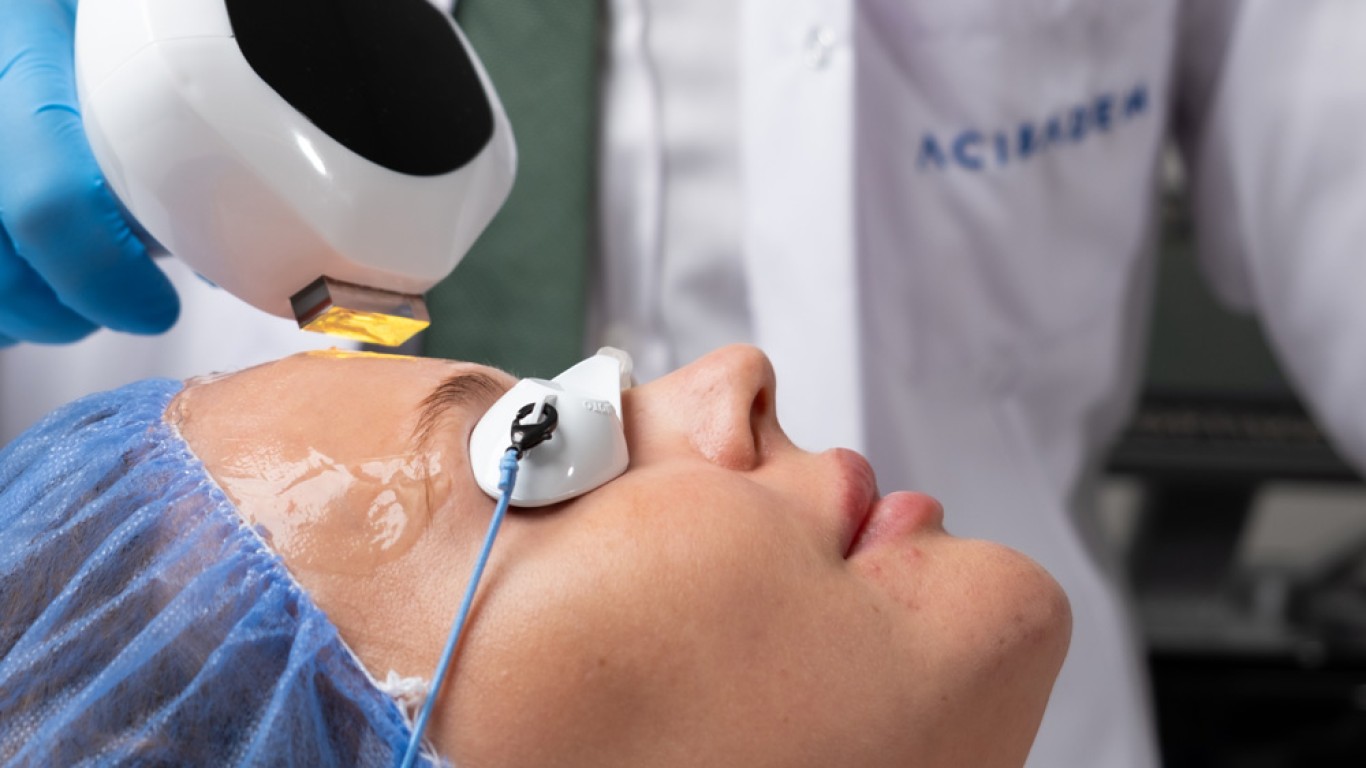
The procedure begins with thorough cleansing of the treatment area. Skin is degreased to ensure even acid penetration across the surface. The practitioner applies the TCA solution using gauze or a brush in a controlled manner. A stinging or burning sensation occurs during application. This typically lasts two to five minutes. The practitioner monitors the frosting response which indicates peel depth. The procedure takes approximately fifteen to thirty minutes. No anaesthesia is typically required for standard applications. A fan or cool air manages discomfort during the session. The acid is self-neutralising. Post-treatment soothing products are applied immediately afterward. The skin is protected before the patient leaves the clinic. Clear aftercare guidance is provided before discharge to support optimal healing.
TCA Peel Recovery and Aftercare
Recovery from the procedure follows a predictable timeline for most patients. Redness and tightness develop immediately after treatment. The skin darkens over the first two to three days as the treated layer prepares to separate and shed. Peeling begins around day three and continues for five to ten days. The skin feels dry and tight during this phase. Patients must avoid picking at peeling skin to prevent scarring or uneven healing. A TCA peel requires diligent sun protection during recovery and for weeks afterward. Broad-spectrum SPF must be applied daily. Gentle moisturisers support healing between sessions. Most patients return to social activities within seven to ten days. Makeup can be applied once peeling resolves completely. Following the aftercare protocol closely maximises results. Adequate hydration also supports skin recovery and comfort throughout the healing process.
Who Suits a TCA Peel?
A TCA peel suits patients with concerns that respond to chemical resurfacing treatments. Those with sun damage, pigmentation and fine lines are good candidates. Patients with acne scarring benefit from the collagen remodelling effect. Adults wanting improved skin texture and tone are well suited to the procedure. Lighter skin tones generally tolerate TCA peels with fewer complications than darker complexions. Patients with active acne, eczema or rosacea should wait until these conditions are controlled before treatment. The procedure is not suitable for patients using isotretinoin. Consultation determines individual suitability based on skin type, medical history and treatment goals. Realistic expectations support the most satisfying experience. The practitioner recommends the appropriate concentration and treatment plan for each patient. A personalised approach helps maximise benefits while supporting a smooth recovery.
Conclusion
A TCA peel is a versatile and effective chemical resurfacing treatment with a strong clinical track record. It addresses pigmentation, acne scarring, sun damage, fine lines and uneven texture across a treatment course. Different concentrations allow tailoring to individual skin concerns and types. The TCA CROSS technique targets ice pick scars specifically with concentrated application. Recovery takes five to ten days with proper aftercare essential. Multiple sessions produce cumulative improvement that exceeds any single treatment. Sun protection preserves results and prevents new damage. The procedure suits patients seeking meaningful non-surgical skin improvement at any age. Professional consultation ensures the plan matches individual skin type and concerns. Turkey offers the treatment at competitive pricing with experienced dermatology practitioners. Modern treatment protocols continue to improve outcomes and patient satisfaction year after year.
To find out more information about skin treatments and to book a consultation visit the ACIBADEM Beauty Center Skin Treatments page.
Frequently Asked Questions
A chemical peel using trichloroacetic acid to resurface skin and stimulate collagen.
Pigmentation, acne scarring, sun damage, fine lines and uneven texture.
Five to ten days of peeling depending on depth.
Three to six sessions spaced four to eight weeks apart.
Careful assessment is needed; darker skin carries higher pigmentation risk.