Ataşehir Mah. Feza Sk. No:3 İstanbul / Türkiye
 French
  English
  German
  Spanish
Introduction
Brow lift surgery rejuvenates the upper face by lifting sagging eyebrows and smoothing forehead lines. Several techniques can achieve these results. Two of the most popular modern approaches are the temporal brow lift and the endoscopic brow lift. Each technique has specific advantages for different patients and concerns. Understanding the key differences helps patients evaluate which approach may suit their goals. This article compares the temporal brow lift with the endoscopic brow lift across technique, recovery and results. The information supports informed decision-making in consultation with a qualified surgeon about the most appropriate brow rejuvenation approach.
What Is a Temporal Brow Lift?
A temporal brow lift is a targeted surgical procedure that lifts the outer portion of the brow. The technique uses small incisions hidden within the temporal hairline. Through these incisions, the surgeon lifts and repositions the outer brow tissue. The procedure specifically addresses drooping of the brow tail. A temporal brow lift is less invasive than a traditional full brow lift. It focuses only on the lateral brow area rather than the entire forehead. The procedure typically takes one to two hours. It may be performed under local anaesthesia with sedation or general anaesthesia. Recovery is relatively quick compared with more extensive techniques.
What Is an Endoscopic Brow Lift?
An endoscopic brow lift uses minimally invasive techniques with specialised equipment. The surgeon makes several small incisions within the hairline. A small camera called an endoscope is inserted through one incision. Other instruments pass through additional incisions to perform the lift. The endoscope allows the surgeon to visualise and work on the forehead tissues beneath the skin. The entire brow is lifted and muscles that cause frown lines may be adjusted. Procedure typically takes one to two hours. General anaesthesia is standard. Endoscopic brow lifts offer comprehensive upper face rejuvenation through smaller incisions than traditional brow lift methods.
Temporal Brow Lift Technique Explained
The temporal brow lift technique focuses on the outer portion of the brow. The surgeon makes small incisions in the temporal area hidden within the hair. Through these incisions, the underlying tissues are accessed and lifted. The lateral brow is pulled upward and outward. Strong sutures secure the tissue in its new position. The procedure does not address the central forehead or inner brow. It specifically targets the outer brow tail which is often the first area to droop with age. The focused nature of the technique makes the temporal brow lift less invasive than more comprehensive procedures. Recovery is typically faster.
Endoscopic Brow Lift Technique Explained
The endoscopic brow lift technique addresses the entire forehead and brow. Several small incisions are made within the hairline. An endoscopic camera provides detailed visualisation of the underlying tissues. The surgeon releases attachments that hold the brow in its lowered position. The entire brow and forehead tissue are then lifted to a more youthful position. Muscles that create frown lines between the eyebrows can be weakened or removed. Sutures or small fixation devices hold the tissue in place. The comprehensive nature of the endoscopic approach addresses multiple concerns simultaneously. It produces more extensive rejuvenation than the temporal technique alone.
Temporal Brow Lift vs Endoscopic: Incisions and Scarring
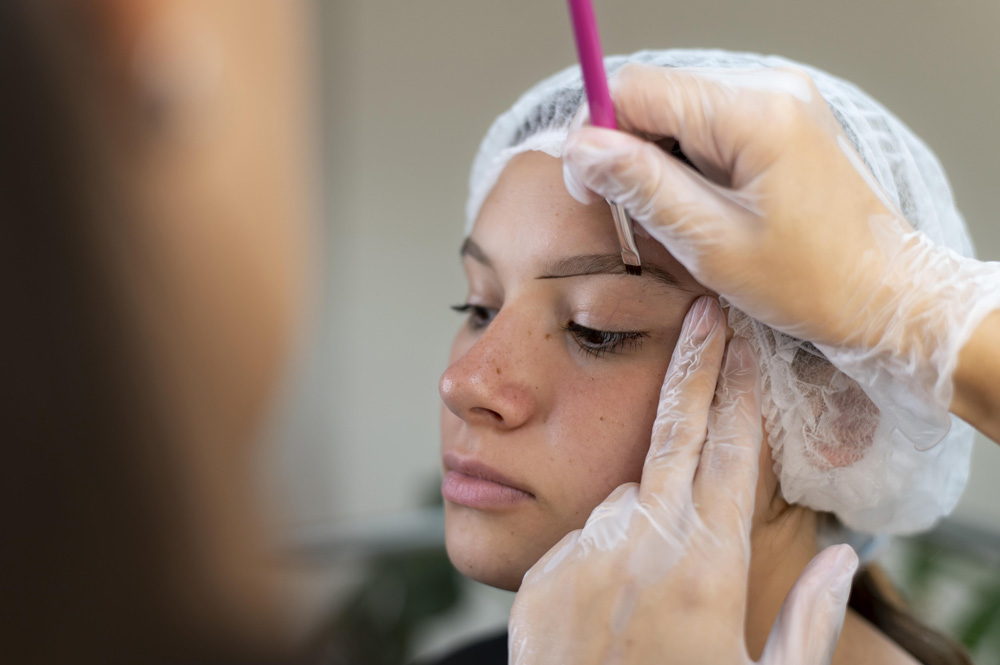
Incision patterns differ between the two techniques. The temporal brow lift uses two small incisions placed within the temporal hairline. These are typically around two to three centimetres long. The endoscopic brow lift uses three to five smaller incisions distributed across the hairline. Each incision is typically one centimetre or less. Both techniques place incisions within the hair for concealment. Scars from either approach are typically not visible after healing. The smaller individual incisions of the endoscopic technique may cause less localised scarring. However both approaches produce good aesthetic outcomes when performed by experienced surgeons.
Areas of Improvement: A Comparison
The two techniques address different areas of the upper face. A temporal brow lift specifically lifts the outer brow tail. It does not affect the central forehead or frown lines. The endoscopic brow lift addresses the entire brow including the central portion. It can also weaken the muscles that create frown lines and horizontal forehead creases. Patients with isolated outer brow drooping are often well suited to the temporal approach. Those with more extensive forehead concerns typically benefit from the endoscopic technique. The surgeon evaluates individual concerns during consultation. The recommended technique depends on which areas need improvement. Understanding these differences helps patients choose a treatment that aligns closely with their aesthetic priorities.
Recovery: Temporal Brow Lift vs Endoscopic
Recovery differs between the two techniques. The temporal brow lift typically involves faster recovery due to its more focused nature. Most patients return to social activities within seven to ten days. Swelling and bruising are limited to the treated area. The endoscopic brow lift involves slightly longer recovery due to the more extensive work. Most patients return to social activities within ten to fourteen days. Swelling affects the whole forehead during the first week. Both techniques have significantly shorter recovery than traditional brow lift approaches. Following aftercare instructions supports the best outcomes from either procedure. Adequate rest and proper care can help minimise swelling and support smoother healing in both cases.
Results and Longevity
Results from both techniques are long lasting when performed appropriately. A temporal brow lift produces noticeable improvement in the outer brow position. The effect refreshes the eye area and opens the upper face. Results typically last several years before further age-related changes occur. The endoscopic brow lift produces more comprehensive results. The entire brow and forehead appear rejuvenated. Frown lines are softened. Results often last five to ten years or longer. Both procedures significantly delay the natural progression of brow descent. Maintenance treatments such as botulinum toxin can extend the benefits of either approach. Individual ageing patterns and lifestyle factors may influence how long results are maintained over time.
Who Is Suited to a Temporal Brow Lift?
The temporal brow lift suits specific patients well. Those with isolated drooping of the outer brow are ideal candidates. Patients in their thirties and forties with early signs of brow descent often benefit. The procedure suits those seeking a subtle refresh without extensive surgery. Those with minimal central forehead concerns are good candidates. The less invasive nature appeals to patients wanting shorter recovery. Younger patients with naturally shorter foreheads often prefer this approach. A consultation evaluates each patient's individual anatomy. The surgeon advises whether the temporal approach will achieve the desired result or whether the endoscopic technique is more appropriate. Patients who want to maintain a natural look without significant structural change often find this approach particularly suitable for their goals.
Who Is Suited to an Endoscopic Brow Lift?
The endoscopic brow lift suits patients with more extensive upper face concerns. Those with overall brow descent benefit from comprehensive lifting. Patients with deep frown lines or forehead creases achieve better results with this approach. Those seeking maximum rejuvenation from a single procedure often choose the endoscopic option. Good general health supports safe treatment. The comprehensive nature of the procedure produces more dramatic results. Patients with significant forehead skin laxity may benefit. A consultation determines suitability. The surgeon advises on whether endoscopic brow lift is the most appropriate approach based on individual anatomy and aesthetic goals. Patients looking for longer-lasting improvement across the entire forehead and brow region often prefer this technique for its broader effect.
Conclusion
The temporal brow lift and endoscopic brow lift are both effective modern techniques for brow rejuvenation. The temporal approach focuses on the outer brow with smaller incisions and faster recovery. Endoscopic technique provides more comprehensive upper face rejuvenation through minimally invasive methods. The choice depends on individual anatomy, concerns and aesthetic goals. Both techniques offer significantly improved recovery compared with traditional brow lift surgery. Professional consultation ensures personalised planning for each patient. Choosing an experienced surgeon is essential for the best outcomes from either procedure. Understanding the differences between these options allows patients to make confident and informed decisions about their treatment journey.
For more information and to book a consultation visit the ACIBADEM Beauty Center page.
Frequently Asked Questions
Temporal brow lift targets the outer brow while endoscopic lifts the entire brow.
The temporal brow lift typically involves slightly faster recovery.
Both techniques place incisions within the hairline for concealment.
The endoscopic brow lift typically produces more comprehensive rejuvenation.
Results from both techniques typically last several years to over a decade.