Ataşehir Mah. Feza Sk. No:3 İstanbul / Türkiye
 French
  English
  German
  Spanish
Introduction
Facial ageing and structural imbalance affect both appearance and confidence over time. Subtle changes in skin elasticity, fat distribution and muscle tone can gradually alter facial harmony. In 2026, face surgery techniques continue to evolve with greater precision, safety and personalisation. Modern approaches focus on restoring proportion rather than altering identity or creating artificial tightness. Patients increasingly seek natural refinement instead of dramatic transformation. Advances in technology, imaging and surgical planning support more predictable and balanced outcomes. Understanding current techniques helps patients make informed decisions about treatment options.
How Face Surgery Has Evolved
Traditional facial surgery often focused primarily on tightening surface skin to reduce visible sagging. While this created short term improvement, it sometimes resulted in tension and an unnatural appearance. Modern techniques now address deeper structural layers for longer lasting and more natural results. Surgeons reposition underlying tissues such as the SMAS layer rather than pulling the skin alone. This shift reduces surface tension and creates smoother facial contours. Improved anatomical understanding supports balanced elevation without distortion. The emphasis has moved toward subtle rejuvenation, tissue preservation and proportionate correction.
Deep Plane Facelift Techniques
The deep plane facelift remains one of the most advanced lifting procedures available. This method releases and repositions deeper facial tissues as a single unit. By lifting the muscular layer and supporting structures, results appear more natural and durable. Skin is redraped gently without excessive stretching or tightness. Face surgery using deep plane techniques often produces softer transitions around the cheeks and jawline. This approach supports restoration of midface volume while improving lower face definition. It is particularly suited for moderate to advanced facial descent.
Midface and Volume Restoration
Ageing often causes volume loss in the cheeks, temples and under eye region. Modern facial surgery may combine lifting with structural volume support for comprehensive correction. Repositioning descended fat pads restores youthful contour and projection. Fat grafting can enhance areas of hollowing using the patient’s own tissue. Combining these techniques improves overall facial harmony. Balanced volume restoration prevents a flat or over tightened look. The goal is smooth transition between facial zones rather than isolated correction.
Jawline and Neck Refinement
The lower face and neck are central to overall facial balance and definition. Advanced face surgery techniques address sagging along the jawline with precise tissue repositioning. Muscle tightening beneath the chin enhances contour and support. Excess tissue may be adjusted carefully to refine the cervicomental angle. Neck improvement is often integrated with facial lifting for cohesive results. This comprehensive approach ensures that the lower face aligns naturally with midface correction. Harmonious planning avoids mismatch between regions.
Minimally Invasive Face Surgery Innovations
Although surgical techniques remain essential for structural correction, minimally invasive advancements continue to improve patient experience. Smaller incisions and endoscopic tools reduce visible scarring and tissue disruption. Improved instrumentation allows more accurate repositioning of facial layers. Recovery protocols have also improved, focusing on comfort and gradual reintegration into daily activities. Modern facial surgery places emphasis on reducing downtime where possible. Enhanced planning and refined technique contribute to smoother recovery.
Personalised Planning for Face Surgery
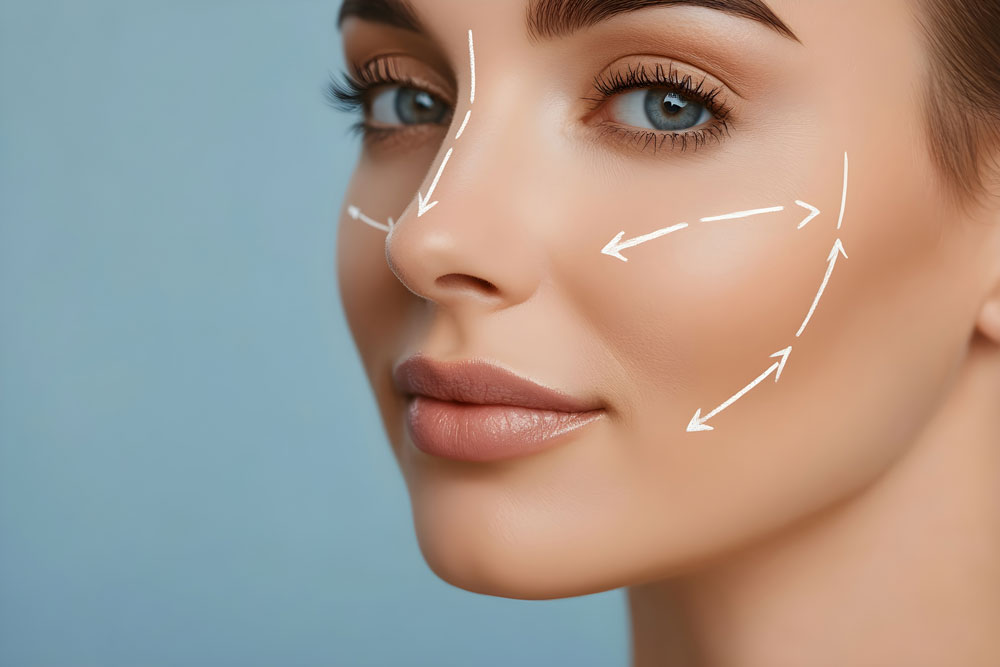
Customisation is central to face surgery in 2026. Digital imaging and facial analysis tools assist with preoperative planning and proportion assessment. Surgeons evaluate facial symmetry, volume distribution and tissue quality carefully. Treatment plans vary depending on age, anatomy and aesthetic goals. Individualised design reduces the risk of overcorrection or imbalance. Precision planning supports natural looking results that respect personal identity. Consultation remains a key component of successful outcomes.
Face Surgery Scar Placement and Healing Advances
Incisions are strategically placed along natural creases, hairlines and behind the ears. Modern closure techniques reduce tension on the skin and support refined healing. Face surgery scars are planned to remain discreet and well concealed. Improved suturing materials and layered closure techniques enhance scar quality. Postoperative care protocols, including scar management guidance, further support maturation. Attention to detail in incision design influences long term cosmetic appearance.
Combining Face Surgery Procedures for Comprehensive Results
Patients often combine facial surgery with eyelid, brow or neck procedures to achieve balanced rejuvenation. Addressing multiple areas within a unified plan enhances harmony between upper and lower facial zones. Combination strategies are tailored carefully according to anatomy and preference. Over treatment is avoided through measured and conservative planning. Cohesive design ensures natural integration and proportionate improvement across the face.
Why Many Patients Choose Turkey for Face Surgery
Turkey has become a leading destination for advanced facial procedures. This is due to experienced surgeons and modern facilities. Comprehensive consultation ensures personalised treatment planning aligned with patient goals. Face surgery is approached conservatively to preserve identity and authentic expression. Patients value structured aftercare and attentive follow up. Precision technique and advanced infrastructure enhance safety and predictability. The combination of expertise and thoughtful planning supports refined outcomes.
Structural Versus Surface Ageing
Modern face surgery recognises that ageing occurs at multiple anatomical levels. Surface skin laxity is only one visible component. Deeper structural changes, including ligament loosening and fat descent, play a significant role. Treating the surface alone rarely delivers lasting refinement. In 2026, surgeons prioritise structural repositioning beneath the skin. This approach restores foundational support before addressing surface contour. Understanding these layered changes has transformed surgical strategy.
Preservation of Facial Identity
One of the defining principles of contemporary facial surgery is identity preservation. Patients no longer seek exaggerated lifting or dramatic alteration. Instead, they want to look refreshed while remaining recognisably themselves. Surgical planning now focuses on subtle elevation and proportional balance. Over-tightening is avoided deliberately. Natural transitions between facial regions are prioritised. This refined philosophy reflects evolving aesthetic standards.
Advances in Surgical Instrumentation
Technological innovation has improved surgical precision significantly. Fine dissection tools allow controlled tissue release with minimal disruption. Enhanced lighting and magnification improve visibility of delicate structures. These advances reduce unnecessary trauma during face surgery. Improved haemostasis techniques support cleaner operative fields. Greater control translates into smoother recovery and refined outcomes.
Role of Fat Grafting in Modern Techniques
Volume restoration has become central to comprehensive facial rejuvenation. Fat grafting is often integrated into facial surgery to address hollowing. Harvested fat is purified and strategically injected into targeted areas. This restores softness and structural support simultaneously. Unlike synthetic fillers, fat integrates naturally with existing tissue. Balanced placement avoids overfilling and maintains proportion.
Neck Contouring as a Core Component
In 2026, neck contouring is rarely treated as an afterthought. The neck and lower face function as a continuous aesthetic unit. Facial surgery frequently includes tightening of underlying neck muscles. This improves jawline definition and enhances profile balance. Attention to the cervicomental angle supports cohesive rejuvenation. Treating the neck in isolation can disrupt harmony.
Male Versus Female Facial Considerations for Face Surgery
Modern facial surgery also recognises gender-specific anatomical differences. Male facial structures often require preservation of angularity and strength. Female faces may prioritise softer contour transitions. Surgical planning adapts to these structural distinctions. Brow height, jawline contour and cheek projection are evaluated carefully. Respecting gender characteristics ensures authentic results.
Scar Minimisation Strategies
Scar design has become increasingly sophisticated. Incisions follow natural creases and hair-bearing zones carefully. Face surgery scars are planned to remain discreet even with short hairstyles. Layered closure techniques reduce surface tension. Postoperative protocols include scar refinement strategies when needed. Attention to incision detail influences long term cosmetic quality.
Recovery Optimisation in 2026
Enhanced recovery protocols have improved patient comfort significantly. Swelling management strategies are implemented early. Patients receive detailed guidance on gradual activity resumption. Facial surgery recovery is structured rather than rushed. Monitoring ensures healing progresses smoothly. Improved techniques contribute to reduced downtime compared to older methods.
Digital Imaging and Surgical Simulation
Preoperative planning now frequently incorporates digital imaging tools. These systems assist in visualising proportion and symmetry. While simulations are not exact predictions, they support communication. Facial surgery planning benefits from this collaborative visual approach. Patients gain clearer understanding of potential outcomes. Structured planning enhances confidence and alignment of expectations.
Long Term Ageing Strategy
Modern face surgery is part of a broader ageing management strategy. Surgical correction addresses structural descent, but maintenance remains important. Skin quality, lifestyle habits and non surgical treatments contribute to longevity. Long term planning avoids overcorrection at any single stage. Incremental refinement supports natural evolution over decades. Balanced intervention aligns with graceful ageing principles.
Conclusion
Facial surgery in 2026 focuses on structural restoration, proportion and natural refinement rather than surface tightening alone. Modern techniques reposition deeper tissues while preserving authentic expression and individuality. Personalised planning, advanced instrumentation and refined surgical principles support predictable and balanced results. With thoughtful assessment and precise technique, patients achieve rejuvenation that appears harmonious and natural.
For more information and to book a consultation visit the ACIBADEM Beauty Center Aesthetics webpage.
Frequently Asked Questions
It refers to advanced techniques that reposition deeper tissues naturally.
Yes, especially when structural layers are addressed.
The goal is refinement rather than altering identity.
Most swelling improves within a few weeks.
Incisions are placed discreetly along natural contours.