Ataşehir Mah. Feza Sk. No:3 İstanbul / Türkiye
 French
  English
  German
  Spanish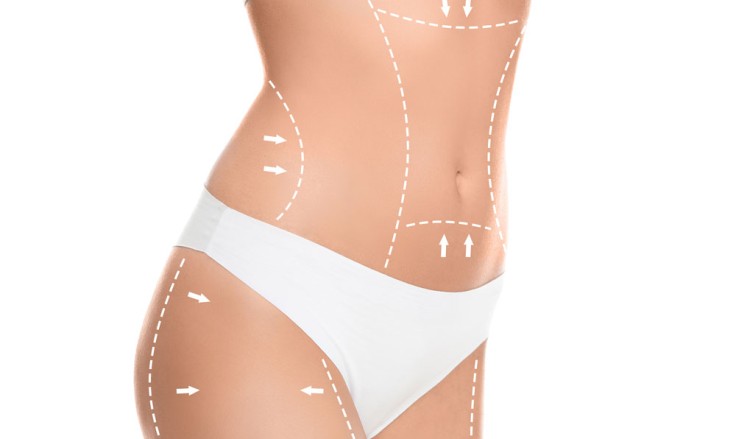
Introduction
Significant weight reduction can transform overall health and body composition. However, the physical changes that follow are not always even or predictable. Rapid weight loss often leaves behind excess skin, tissue laxity and contour irregularities that affect body shape. These changes can be frustrating for individuals who have worked hard to reach a healthier weight. Revision body contouring procedures are designed to refine these areas and restore smoother proportions. The goal is to address concerns that remain after the initial weight reduction phase. Many patients explore these treatments once their body weight has stabilised. Understanding how rapid weight loss affects the body helps patients plan appropriate contouring strategies.
How Rapid Weight Loss Affects Body Shape
When the body loses a large amount of weight in a relatively short period, tissues may not adapt evenly. Fat stores decrease across multiple regions, but skin and connective tissue often lag behind significantly. Rapid weight loss can stretch collagen and elastin fibres beyond their ability to retract naturally. This creates visible laxity in areas such as the abdomen, upper arms and thighs. The degree of looseness depends on age, genetics and the total amount of weight lost. Even younger patients can develop noticeable laxity after rapid weight loss if the reduction is substantial. These physical changes are a common reason patients seek revision contouring.
Common Areas Affected by Rapid Weight Loss
Certain body regions are more prone to visible changes after significant weight reduction. The areas most commonly affected by rapid weight loss include:
- The abdomen, where loose skin and tissue folds often develop.
- The upper arms, which may appear softer with hanging skin.
- The thighs, particularly along the inner leg.
- The chest and breast area, where volume loss creates sagging.
- The lower back and flanks, where contour irregularities may appear.
Each area responds differently to weight reduction. Revision contouring addresses these regions individually or in combination depending on the patient's anatomy and goals.
What Is Revision Body Contouring?
Revision body contouring refers to surgical procedures that refine body shape after significant weight reduction. These treatments focus on removing excess skin and improving tissue contour across affected areas. Procedures may include abdominoplasty, arm lift, thigh lift or body lift techniques depending on individual needs. The approach depends on which areas require the most refinement and restructuring. Revision contouring differs from initial weight loss procedures because it targets residual concerns rather than fat reduction. Specialists assess the body carefully before recommending a personalised treatment plan. The aim is to create smoother transitions between body regions and restore balanced proportions.
Skin Laxity After Rapid Weight Loss
Skin laxity is one of the most common concerns following rapid weight loss. When fat volume decreases quickly, the skin may not contract at the same pace. Collagen fibres that provide structural support can weaken under prolonged stretching. This results in loose, hanging skin that affects both appearance and comfort. Skin laxity after rapid weight loss varies from mild looseness to significant tissue excess. The location and extent of laxity help determine which contouring procedures are most appropriate. Addressing these concerns can improve both physical comfort and body confidence.

When to Consider Contouring After Rapid Weight Loss
Timing plays a critical role in achieving successful contouring outcomes after weight reduction. Specialists generally recommend waiting until body weight has stabilised before undergoing revision procedures. Weight stability allows the body to settle into its new shape and gives skin time to retract naturally. Ongoing weight fluctuation can compromise surgical results and affect long-term satisfaction. Most clinicians suggest maintaining a stable weight for several months before proceeding with contouring. Some patients find that their skin adapts more than expected during this waiting period. Careful timing after rapid weight loss ensures more predictable and lasting contour improvements.
Surgical Techniques Used in Revision Contouring
Several surgical techniques are available for post-weight-loss body contouring depending on individual needs. Abdominoplasty removes excess abdominal skin and tightens the underlying muscular and tissue structure. Arm lift surgery addresses hanging skin on the upper arms to create a firmer, more defined contour. Thigh lift procedures improve shape along the inner or outer thigh depending on where laxity is present. A lower body lift may treat multiple areas including the abdomen, flanks and thighs in one operation. Surgeons select the most appropriate method based on individual anatomy and goals. Incision placement is planned carefully to minimise visible scarring wherever possible.
The Role of Skin Elasticity in Contouring Outcomes
Skin elasticity significantly influences the results of revision contouring procedures. Patients with stronger collagen support tend to experience smoother and more predictable outcomes after surgery. Age, genetics and cumulative sun exposure all affect elasticity levels over time. Individuals who have experienced rapid weight loss may have weakened collagen fibres in certain areas of the body. Skin tightening technologies such as radiofrequency can stimulate collagen production beneath the surface. These treatments may be recommended alongside surgical contouring to enhance overall skin firmness. Assessing skin quality during consultation helps specialists design an effective and realistic plan.
Maintaining Results After Rapid Weight Loss Contouring
Preserving contouring results requires consistent long-term habits and stable body weight. Significant weight fluctuation can affect skin and tissue contour over time, undermining surgical improvements. Balanced nutrition supports metabolic health and helps prevent remaining fat cells from expanding. Regular physical activity maintains muscle tone beneath the skin and enhances overall body definition. Patients who commit to healthy routines after rapid weight loss contouring often enjoy lasting improvements. Proper skincare and sun protection also support long-term skin quality in treated areas.
Recovery Expectations After Contouring Surgery
Recovery timelines vary depending on the type and number of procedures performed. Patients may experience swelling, tightness or mild bruising during the initial healing phase. Compression garments are often recommended to support tissues and encourage smooth contour development. These garments help maintain the new shape as the body adapts during the healing process. Most individuals return to daily activities gradually as recovery progresses over the following weeks. Final contour improvements become visible as swelling decreases and tissues settle into their new position. Following professional aftercare guidance supports smooth recovery and optimal long-term results.
The Psychological Impact of Rapid Weight Loss on Body Image
Achieving major weight reduction is a significant accomplishment that deserves recognition. However, the physical aftermath of rapid weight loss can affect body image and confidence in unexpected ways. Loose skin and contour irregularities may feel discouraging after months of effort and discipline. Many patients report feeling that their body does not yet reflect the transformation they have achieved. Revision contouring can help bridge this gap by refining body shape and restoring smoother proportions. The psychological benefits of contouring often extend beyond appearance alone. Feeling more proportionate and comfortable can positively influence overall wellbeing and long-term motivation.
Consultation and Personalised Treatment Planning
A thorough consultation is the first step toward effective revision contouring after weight reduction. Specialists evaluate body composition, skin quality and the specific areas of concern during this assessment. Each patient presents a unique combination of tissue laxity and contour irregularity that requires careful analysis. Treatment plans are therefore tailored to individual anatomy, health profile and aesthetic goals. Digital imaging may help demonstrate potential improvements and support informed decision-making. Surgeons discuss expected outcomes, recovery timelines and any limitations associated with the recommended procedures. Open communication between patient and specialist ensures that expectations remain realistic throughout the process.
Combining Multiple Contouring Procedures
Some patients benefit from addressing several areas during a single surgical session rather than separate operations. Combining procedures can improve overall body balance more efficiently and reduce the total number of recovery periods. A body lift, for example, may treat the abdomen, flanks and thighs together in one operation. However, combined procedures involve longer operating times and greater physical demand on the body. Surgeons assess whether combining treatments is appropriate based on the patient's overall health. Safety remains the priority when planning multi-area contouring procedures. When performed carefully, combined surgery can produce comprehensive and harmonious results.
Conclusion
Revision body contouring offers effective solutions for individuals dealing with skin laxity and contour irregularities after rapid weight loss. Surgical techniques can remove excess tissue and restore smoother body proportions. Careful timing, personalised planning and professional consultation ensure the best possible outcomes. When supported by stable body weight and healthy lifestyle habits, contouring results can remain visible for many years. These procedures help patients complete their transformation and fully appreciate their weight reduction journey.
To book a consultation with a specialist on the topic of revision body contouring, visit the ACIBADEM Beauty Center website.
Frequently Asked Questions
It refers to surgical procedures that refine body shape after significant weight reduction.
Skin may not retract fully when fat volume decreases quickly.
Most specialists recommend waiting until body weight has been stable for several months.
Yes, combining procedures is possible when the patient's health allows it.
Results can last many years when stable weight and healthy habits are maintained.