Ataşehir Mah. Feza Sk. No:3 İstanbul / Türkiye
 French
  English
  German
  Spanish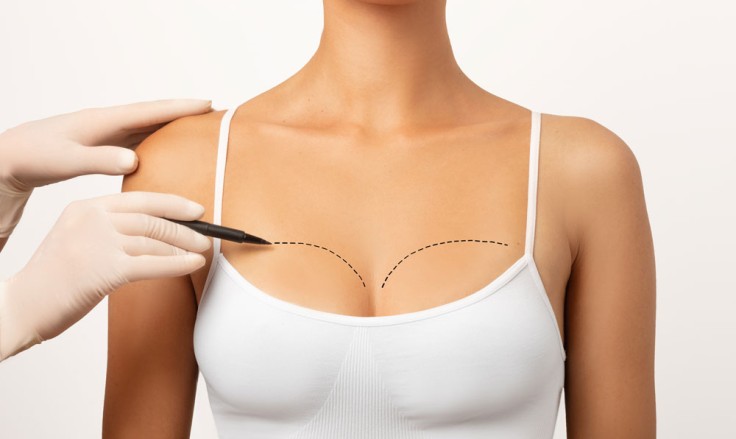
Introduction
Excess breast volume can affect both physical comfort and emotional wellbeing over time. Many women experience persistent back pain, shoulder strain and difficulty finding supportive clothing that fits. Physical activity may feel restricted due to heaviness and imbalance. Reduction mammoplasty is designed to remove excess tissue and reshape the breasts proportionately. The goal is not only aesthetic refinement but also meaningful functional relief. Understanding what to expect before, during and after surgery helps patients prepare with clarity. Clear expectations support a smoother experience and realistic satisfaction.
What Is Reduction Mammoplasty?
Reduction mammoplasty is a surgical procedure that decreases breast size while improving overall contour. It involves removing excess glandular tissue, fat and skin to create a lighter breast mound. The nipple and areola are repositioned carefully to maintain natural proportion and alignment. The breasts are reshaped to create a lifted, balanced appearance that complements the torso. The procedure aims to harmonise breast size with body structure rather than simply reduce volume. Careful preoperative planning ensures proportional results that appear natural and cohesive.
Who Is a Suitable Candidate for Reduction Mammoplasty?
Suitable candidates are individuals experiencing physical discomfort due to heavy or enlarged breasts. Chronic neck, upper back or shoulder pain is frequently reported. Indentations from bra straps and skin irritation beneath the breast fold may also occur. Some patients seek improved posture, greater mobility or enhanced confidence in clothing. Good general health and stable weight support optimal healing. A detailed consultation determines whether mammoplasty aligns with personal goals and anatomical considerations.
The Consultation Process
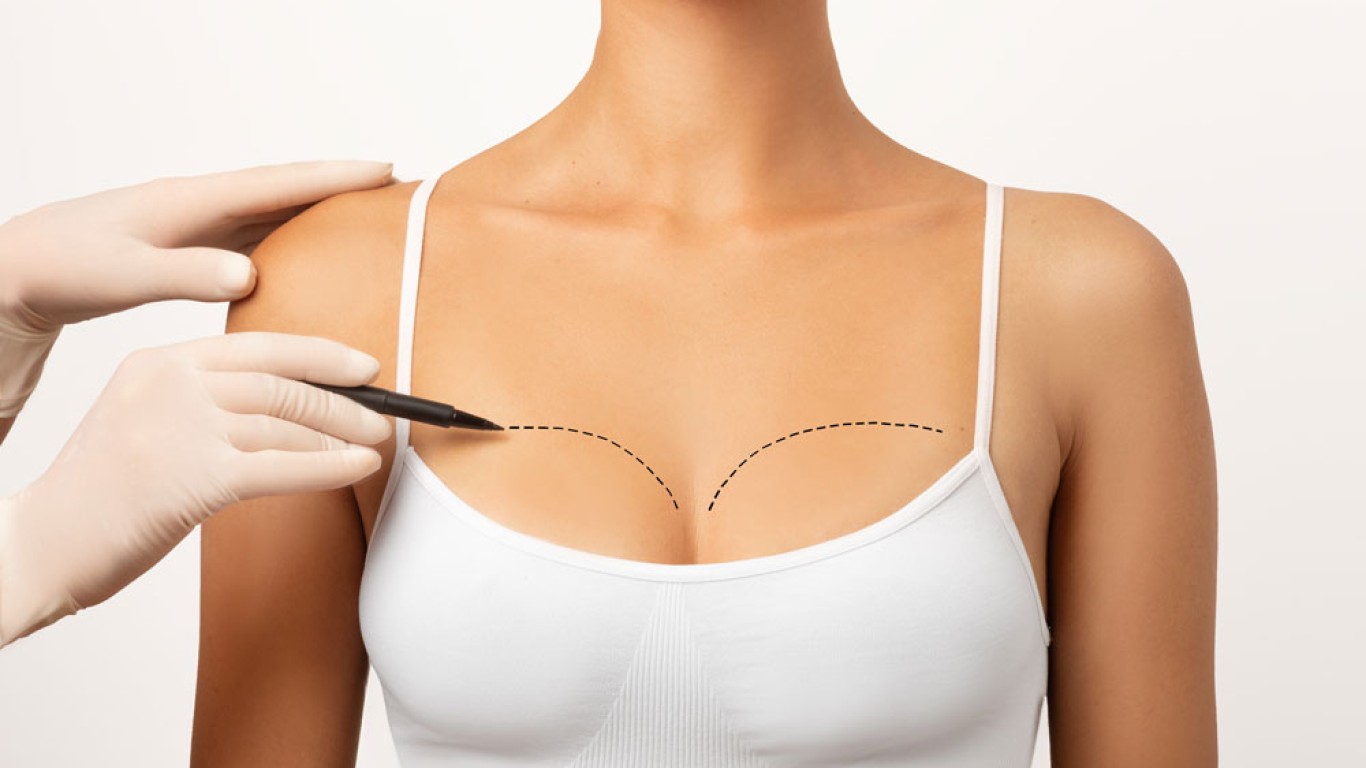
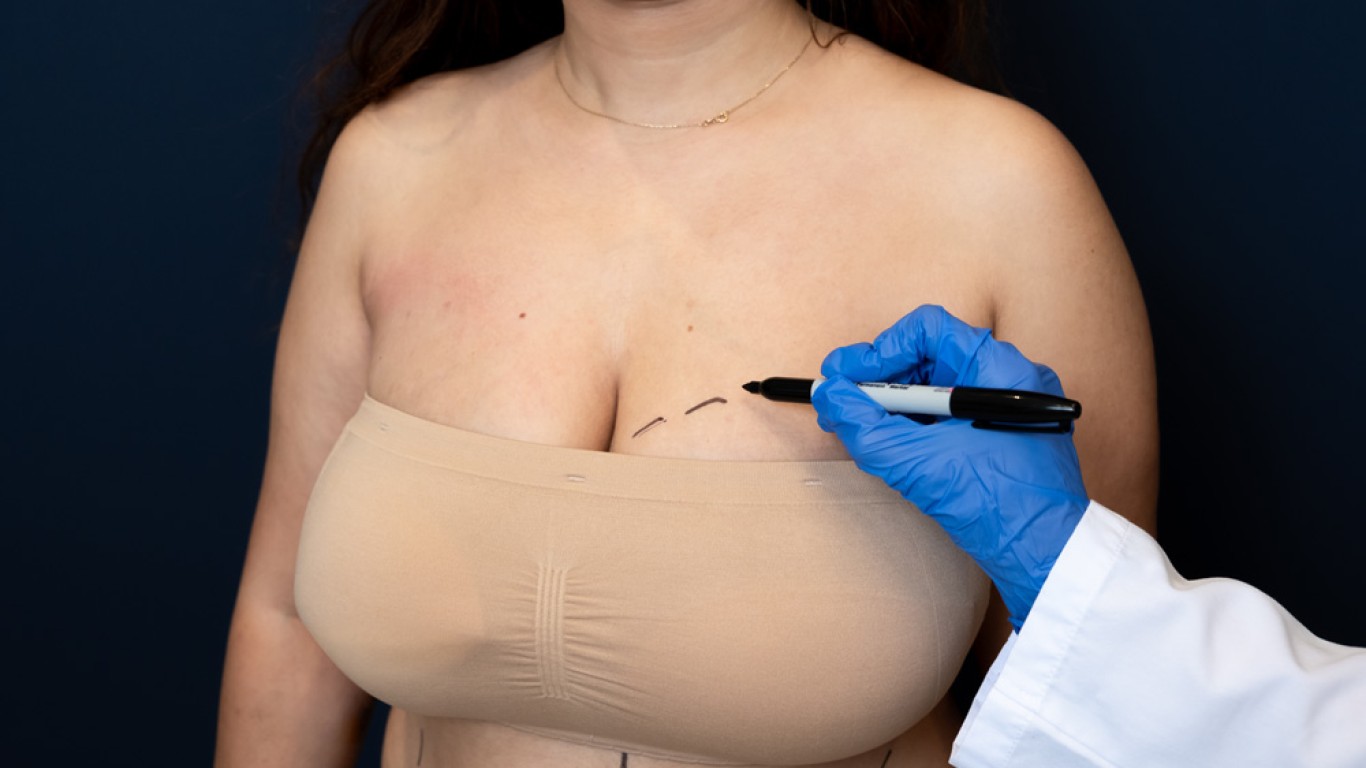
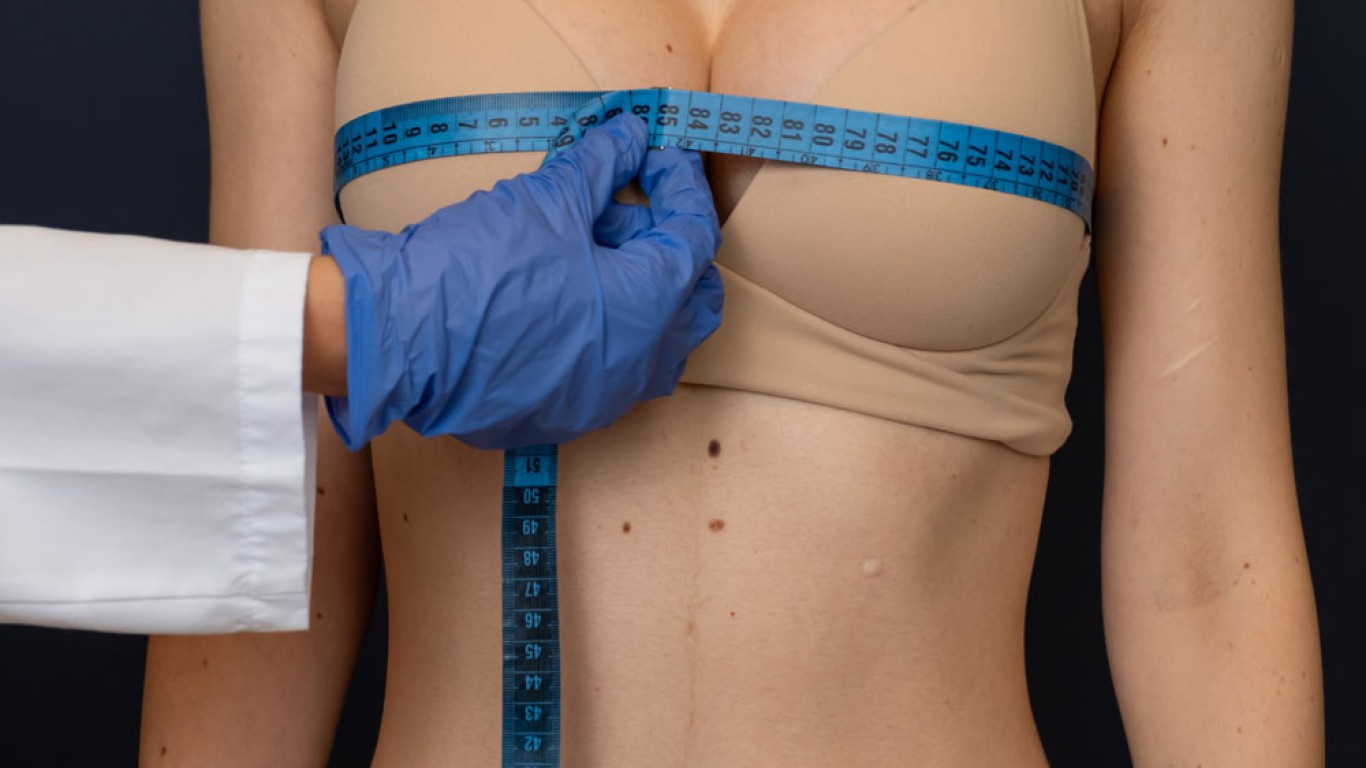
During consultation, breast measurements, skin elasticity and tissue distribution are evaluated carefully. Surgeons assess nipple position relative to the breast fold and chest wall. Desired size and overall proportion are discussed openly to ensure realistic expectations. Photographs may support surgical planning and documentation. Lifestyle factors, including activity level, are considered during assessment. Clear communication before reduction mammoplasty ensures that aesthetic and functional objectives are aligned.
How Reduction Mammoplasty Is Performed
Reduction mammoplasty is performed under general anaesthesia to ensure comfort throughout the procedure. Incisions are placed strategically to allow tissue removal, lifting and reshaping. Excess breast tissue, fat and skin are removed with precision. The nipple is repositioned higher on the newly shaped breast mound to maintain natural balance. Remaining tissue is sculpted to create smooth contour and symmetry between both breasts. Incisions are closed using layered suturing to support internal structure and healing.
Immediate Postoperative Experience
Swelling, tightness and mild discomfort are expected in the first few days after surgery. Supportive surgical garments help stabilise the breasts and reduce swelling. Drain tubes may be used temporarily depending on the surgical technique. Most patients return home the same day with detailed aftercare instructions. Early rest and limited arm movement support smoother recovery. Follow up appointments allow monitoring of healing and reassurance.

Reduction Mammoplasty Recovery Timeline
Initial swelling gradually decreases over several weeks as tissues settle. Most patients resume light activities within two weeks, depending on comfort. Strenuous exercise and heavy lifting should be avoided for several weeks to protect healing tissues. Bruising fades steadily and breast shape begins to refine. Final contour becomes clearer once swelling resolves completely.
Scar Placement and Healing
Incisions are typically placed around the areola and extend vertically downward. Some techniques include a horizontal incision within the natural breast fold. Mammoplasty scars are designed to follow natural contours and remain discreet beneath clothing. Early redness or firmness fades gradually as healing progresses. Proper aftercare, including scar management guidance, supports smoother maturation. Most scars soften and lighten significantly within several months.
Long Term Results and Benefits of Reduction Mammoplasty
Reduction mammoplasty provides both physical and aesthetic benefits that can improve daily comfort. Many patients report substantial relief from chronic back and shoulder discomfort. Improved posture and greater ease of movement are common outcomes. Clothing often fits more comfortably and proportionately. Breast shape appears lifted, balanced and aligned with body structure.
Why Many Patients Choose Turkey for Breast Reduction
Turkey offers experienced surgeons specialising in advanced breast procedures. Comprehensive consultation supports personalised surgical planning and clear communication. Reduction mammoplasty is approached conservatively to maintain natural proportion and identity. Patients value structured aftercare and attentive follow up throughout recovery. Modern facilities and refined technique enhance predictability and patient comfort.
Choosing the Right Breast Size
One of the most important discussions before mammoplasty is desired final size. Many patients arrive with a target cup size in mind. However, cup sizing varies between brands and does not always reflect proportion. Surgeons focus instead on body balance, chest width and tissue distribution. The goal is to create harmony between the breasts and overall frame. Removing too much volume may compromise shape and support. Careful measurement ensures the result feels both comfortable and aesthetically balanced.
Breast Shape and Projection After Surgery
Reduction mammoplasty not only decreases size but also reshapes the breast. Larger breasts often lose upper pole fullness due to gravity. During surgery, tissue is repositioned to improve projection and contour. The nipple is elevated to align with the new breast mound. Internal reshaping techniques help maintain long term support. The objective is a lifted appearance that complements the torso. Shape refinement is as important as volume reduction.
Impact on Nipple Sensation
Nipple sensation is an important consideration for many patients. During mammoplasty, surgeons aim to preserve nerve supply whenever possible. Temporary changes in sensitivity may occur during early healing. In most cases, sensation gradually stabilises over time. Careful surgical planning reduces the likelihood of significant alteration. Discussing expectations openly during consultation supports reassurance.
Breastfeeding Considerations
Future breastfeeding is a common concern, particularly for younger patients. Reduction mammoplasty techniques are designed to preserve as much glandular function as possible. However, outcomes can vary depending on the amount of tissue removed. Some patients are able to breastfeed successfully after surgery. Others may experience partial limitation. Individual anatomy and surgical method influence this possibility. Preoperative discussion helps align expectations realistically.
Posture and Musculoskeletal Relief
Excess breast weight often places strain on the spine and shoulders. Mammoplasty for reduction can significantly improve postural alignment. By decreasing front weight load, the back muscles experience less tension. Many patients report feeling lighter and more mobile. Improved posture may also reduce long term muscular discomfort. Relief from physical strain is one of the most valued outcomes of the procedure.
Exercise and Physical Activity After Reduction Mammoplasty Surgery
Large breasts can limit participation in certain sports and exercise routines. Running and high impact activities may cause discomfort. Mammoplasty often increases comfort during movement. After full recovery, patients frequently report greater freedom in physical activity. Supportive garments are recommended during the healing phase. Gradual return to exercise protects surgical results.
Emotional and Psychological Benefits
The emotional impact of reduction mammoplasty can be substantial. Some patients have experienced unwanted attention due to breast size. Others feel self conscious in fitted clothing. Surgery can restore a sense of proportion and control over body image. Increased confidence often accompanies improved physical comfort. Emotional wellbeing is an important part of overall satisfaction.
Long Term Weight Stability
Maintaining a stable weight helps preserve surgical results. Significant weight gain may increase breast volume again. Conversely, weight loss may reduce fullness slightly. Mammoplasty for reduction results are most predictable when body weight remains consistent. Balanced nutrition and regular exercise support long term stability. Lifestyle choices play a role in maintaining contour.
Age and Timing Considerations
There is no single ideal age for mammoplasty. Some patients undergo surgery in their early twenties. Others wait until later adulthood. The decision depends on breast development, symptoms and personal readiness. Stable breast size and overall health support timing. Consultation helps determine appropriate scheduling based on individual circumstances.
Setting Realistic Expectations for Reduction Mammoplasty
Understanding the limitations of mammoplasty for reduction is essential. The goal is proportional reduction rather than perfection. Minor asymmetry may remain due to natural anatomical variation. Scars are permanent but typically fade with time. Clear communication supports realistic goals. Patients who understand the process often report higher satisfaction.
Conclusion
Mammoplasty for reduction reduces excess breast volume while restoring proportion, balance and physical comfort. The procedure addresses chronic strain as well as aesthetic concerns thoughtfully. With careful planning, realistic expectations and appropriate recovery, patients experience meaningful improvement. Understanding each stage of the process supports confident decision making and long term satisfaction.
For more information and to book a consultation visit the ACIBADEM Beauty Center Breast Reduction webpage.
Frequently Asked Questions
It is surgery to reduce breast size and reshape contour.
Most patients resume light activities within two weeks.
Scars are placed along natural contours and fade gradually.
Results are long lasting with stable weight.
Many patients report significant reduction in discomfort.