Ataşehir Mah. Feza Sk. No:3 İstanbul / Türkiye
 French
  English
  German
  Spanish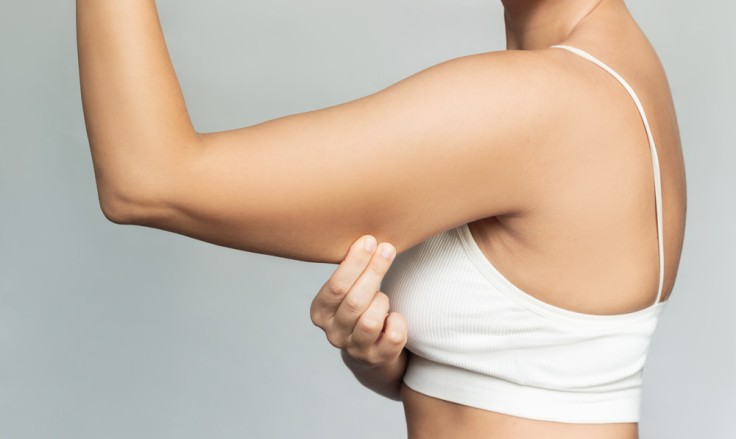
Introduction
Upper arm fullness is a common aesthetic concern for many individuals. The area between the shoulder and elbow can hold stubborn fat deposits that resist exercise. Even active individuals may notice persistent fullness in this region. Arm fat removal treatments focus on reducing these deposits and improving overall arm contour. Modern techniques address both fat volume and skin quality for smoother results. When the arms appear more refined, the overall body silhouette becomes more balanced and proportionate. Understanding available treatment options helps patients select the most suitable approach for their anatomy and goals.
Why Fat Accumulates in the Upper Arms
Fat distribution varies across the body depending on genetics, hormones and lifestyle patterns. The upper arms can store fat easily because the area contains soft tissue with limited muscle definition. Hormonal changes associated with ageing can influence how fat accumulates in this region. Treatment addresses these deposits directly through arm fat removal techniques. Some individuals also notice increased fullness following weight fluctuations over time. As the body gains and loses weight, fat cells may expand or shrink unevenly. Understanding why fat accumulates helps specialists select the most appropriate treatment approach for each patient.
Liposuction for Arm Fat Removal
Liposuction is one of the most widely used techniques for reshaping the upper arms and improving their definition. A surgeon removes fat cells through a small cannula inserted beneath the skin surface. The procedure allows careful sculpting while preserving natural proportions and smooth transitions between treated and surrounding areas. The technique focuses on reducing volume while maintaining balanced arm contours. Small incisions are placed in discreet locations to minimise visible marks after healing. Results become visible once initial swelling subsides over the following weeks. Arm fat removal using liposuction can produce noticeable improvements when performed by experienced specialists.
Non-Surgical Arm Fat Removal Options
Non-surgical treatments offer alternatives for patients seeking gradual improvement without incisions or extended recovery periods. Arm fat removal sometimes includes technologies such as cryolipolysis, radiofrequency or ultrasound-based devices. These devices target fat cells beneath the skin without requiring surgical intervention or general anaesthesia. The body gradually processes the treated fat cells over the following weeks and months after each session. As fat cells break down, the arm area becomes slimmer and smoother in appearance. These methods suit mild to moderate fat deposits best. Many patients prefer non-surgical options because they create improvements with minimal disruption to daily routines.
The Role of Skin Tightening in Treatment Outcomes
Skin elasticity plays an important role in the final appearance after fat reduction. Strong collagen within the skin allows it to adapt smoothly when fat volume decreases. These treatments often achieve the best outcomes when the skin retains good elasticity. Younger individuals generally experience stronger skin retraction. As collagen levels decline with age, the skin may become less firm after treatment. In such cases, skin tightening technologies may be recommended alongside fat reduction. Radiofrequency and ultrasound-based treatments can stimulate collagen and support improved firmness in the treated area.
Combining Fat Reduction with Skin Tightening
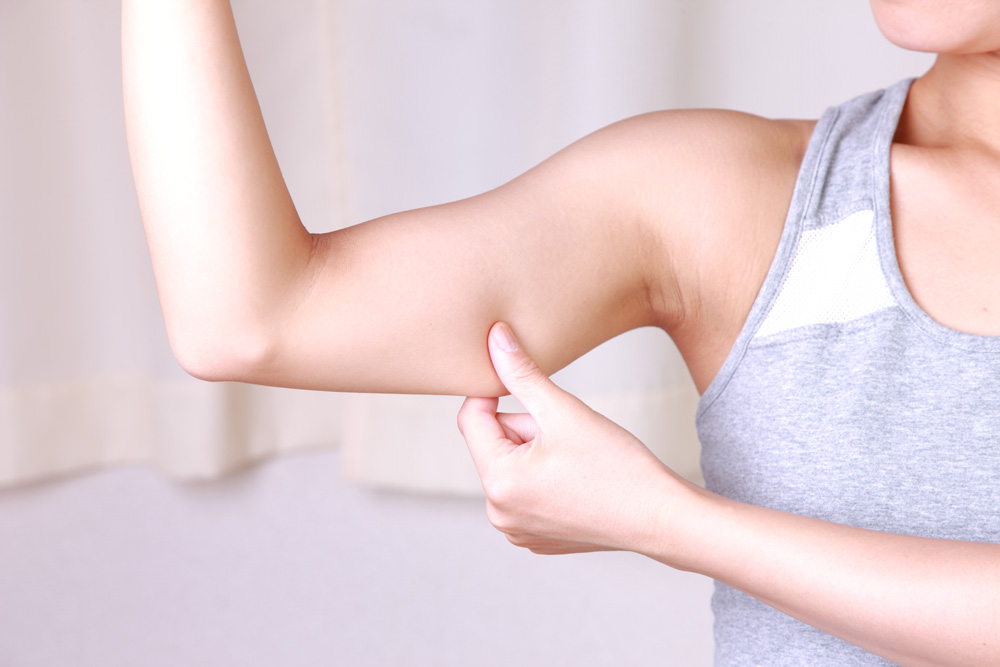
Some patients benefit from combining fat reduction with skin tightening procedures for more comprehensive results. Fat reduction alone may not address mild skin laxity that develops after fat volume decreases. Energy-based technologies can stimulate collagen production within the deeper skin layers to support tissue firmness. Combining approaches allows specialists to address both fat volume and skin quality simultaneously. This dual strategy often produces smoother and more refined upper arm contours. Surgeons assess whether combination treatment is appropriate during the consultation assessment based on individual anatomy.
Recovery After Arm Fat Removal Treatment
Recovery largely depends on the type of treatment selected. Surgical procedures may involve temporary swelling or mild bruising as the body heals. Compression garments are often recommended to support the arms during recovery. These changes usually improve gradually over the following weeks. Non-surgical treatment typically allows patients to return to daily activities quickly. Improvements become visible as treated fat cells reduce over time. Following professional aftercare guidance supports smooth healing. Most patients notice clearer arm contour within the first few weeks.
Maintaining Results Long Term
Maintaining results depends on long-term lifestyle habits. Treatment removes targeted fat cells from the treated area permanently. However, remaining cells can expand if body weight increases significantly. Balanced nutrition helps support stable weight and overall wellbeing. Regular physical activity maintains muscle tone in the upper arms. Strength training exercises can further improve arm definition over time. These habits help preserve the smoother contour achieved through treatment. Consistent routines support long-lasting visible improvements.
Who Is a Good Candidate for Arm Fat Removal?
Ideal candidates have localised upper arm fat that does not respond to exercise and healthy eating. Arm fat removal is designed for body contouring rather than significant weight reduction. Patients should maintain a stable body weight before treatment for the best results. Good general health supports safe healing and recovery. Realistic expectations contribute to higher satisfaction with outcomes. Consultation evaluates fat distribution, skin quality and arm structure carefully. The goal is natural enhancement that complements overall body proportions.
Consultation and Treatment Planning
A thorough consultation is the first step when considering arm fat removal for upper arm contouring. Specialists evaluate the distribution of fat, skin quality and overall arm structure during this assessment. These factors help determine whether surgical or non-surgical approaches will produce the most balanced result. Digital imaging may be used to demonstrate potential improvements before treatment begins. Patients discuss their goals and any concerns during the appointment. Personalised planning ensures that the chosen technique aligns with the patient's anatomy and desired outcome. Open communication between patient and specialist supports informed and confident decision-making throughout the process.
How Arm Fat Removal Improves Body Balance
The upper arms contribute significantly to overall body proportion and silhouette. Excess fat in this area can make the arms appear heavy compared with the shoulders and torso. Arm fat removal refines the shape and improves visual balance across the upper body. When the arms appear slimmer, the overall silhouette looks more proportionate. Many individuals notice improved clothing fit after arm fat removal treatment. Sleeveless garments may feel more comfortable to wear. Improving arm proportion contributes to a more balanced and harmonious body shape overall.
Exercise After Arm Fat Removal
Physical activity supports upper arm contour after treatment. While arm fat removal reduces localised fat deposits, exercise maintains muscle tone beneath the skin. Strength training targeting the triceps and shoulders can improve definition over time. Light resistance exercises may be resumed once the surgeon approves return to activity. Improved muscle tone enhances the smoother contour achieved through arm fat removal. Regular exercise also supports overall metabolic health and stable body weight. When fitness routines complement treatment, the arms often appear firmer and more defined long term.
Arm Fat Removal and Confidence
Many patients report improved confidence after upper arm contouring procedures. Arm fat removal can change how clothing fits and feels on the body. Sleeveless tops and fitted garments may feel more comfortable and flattering after treatment. These subtle improvements can influence self-perception positively in everyday situations. Feeling more proportionate supports confidence and body image. The visual improvement often motivates patients to maintain healthy lifestyle habits long term. When expectations are realistic, satisfaction with arm fat removal results tends to be consistently high.
Conclusion
Arm fat removal provides effective options for reducing stubborn upper arm fat and improving contour. Both surgical and non-surgical techniques address fat deposits depending on individual needs. Skin tightening technologies can enhance results when combined with fat reduction. Careful evaluation ensures the most appropriate approach for each patient. With consistent aftercare and healthy habits, arm fat removal supports smoother, more balanced upper arm contours.
To explore whether arm fat removal is right for you, visit the ACIBADEM Beauty Center Liposuction page.
Frequently Asked Questions
It refers to procedures that reduce fat deposits and improve upper arm contour.
No, non-surgical technologies can also reduce small fat deposits.
Yes, combining fat reduction with skin tightening supports smoother contours.
Results can be long lasting when healthy habits are maintained.
Individuals with localised arm fat and stable body weight may benefit.