Ataşehir Mah. Feza Sk. No:3 İstanbul / Türkiye
 French
  English
  German
  Spanish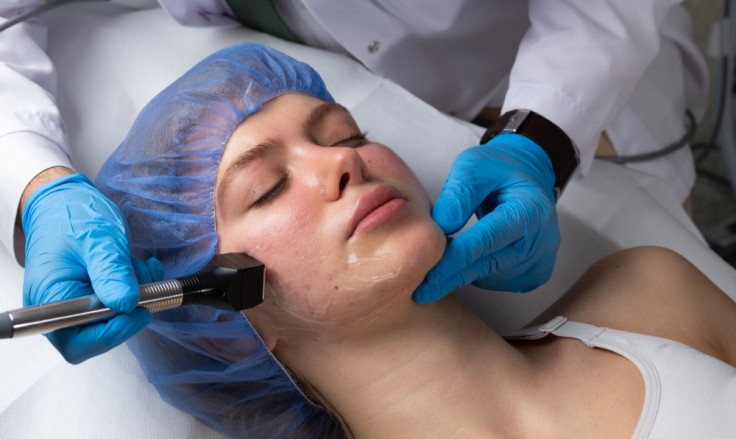
Introduction
Skin firmness naturally decreases with age, sun exposure and environmental stress. Collagen production slows gradually over time, reducing structural support. Many people seek non-surgical solutions to restore tightness and improve texture. Radio frequency skin tightening has become a widely requested option in aesthetic medicine. The treatment targets deeper layers of the skin without incisions or visible trauma. Unlike surgical lifting procedures, it focuses on collagen stimulation rather than tissue removal. Understanding how it works helps patients evaluate suitability, expected results and long-term benefits.
What Is Radio Frequency Skin Tightening?
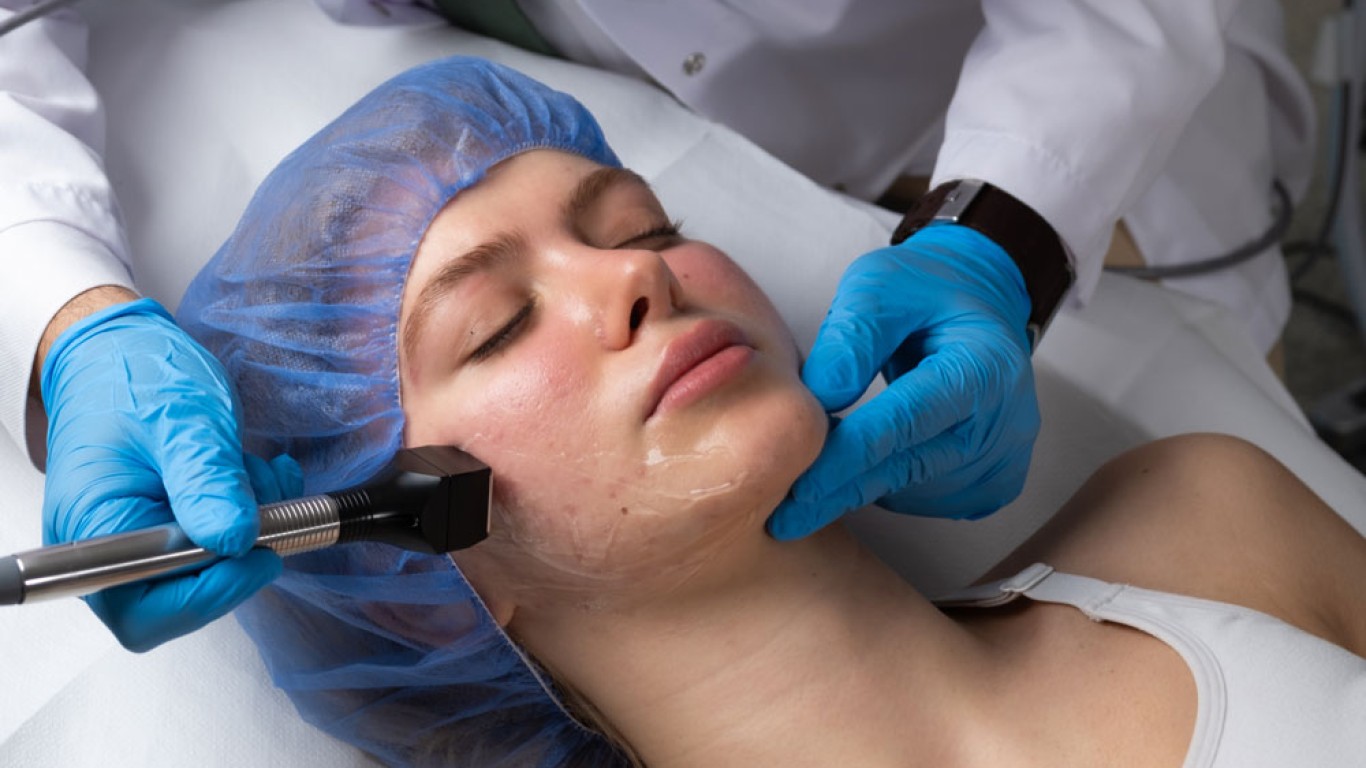
Radio frequency skin tightening is a non-invasive aesthetic procedure designed to improve dermal firmness. It uses controlled energy waves to generate heat within the deeper skin layers. This heat stimulates collagen remodelling and elastin production gradually. The outer epidermal surface remains protected during treatment through integrated cooling systems. Radio frequency skin tightening does not require general anaesthesia or surgical incisions. Sessions are typically performed in a clinical environment using specialised devices. Treatment parameters are adjusted according to skin thickness and treatment area. Precision control ensures safety and comfort.
Understanding Different Radio Frequency Technologies
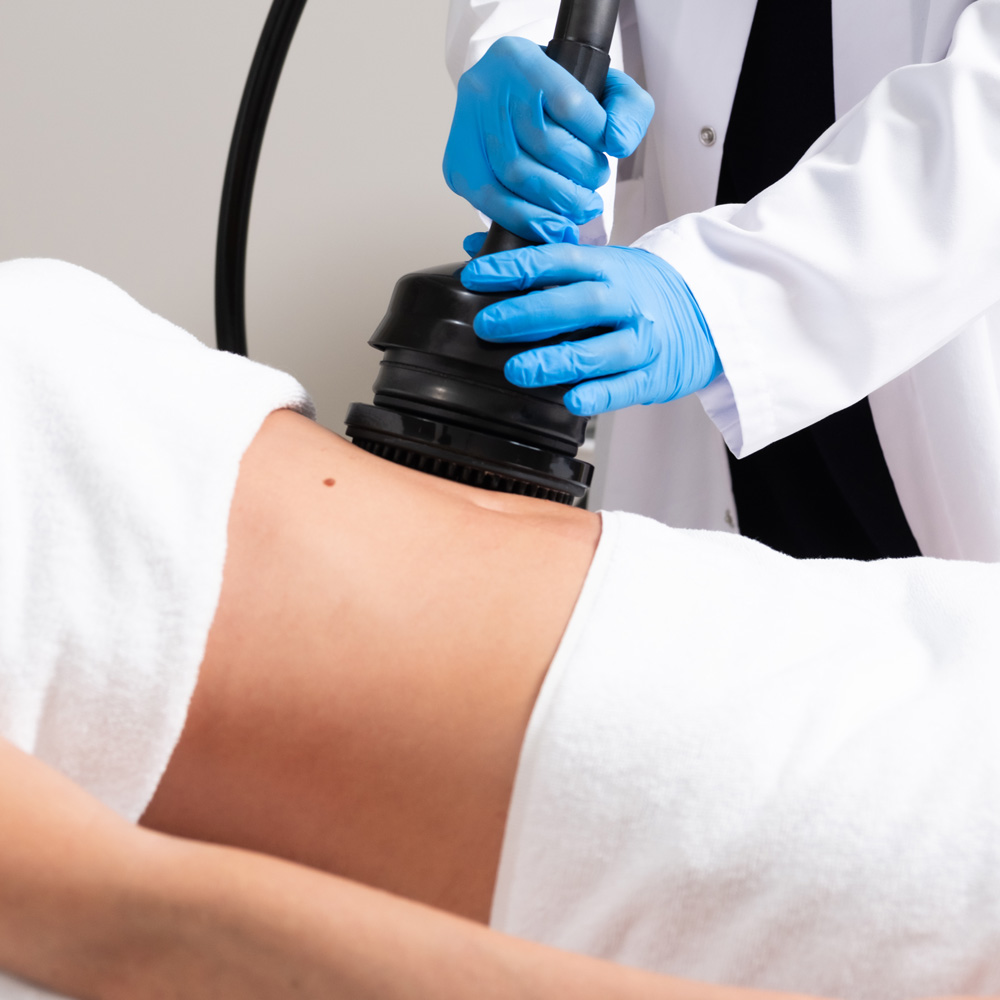
Not all radio frequency systems operate in the same way. Some devices use monopolar energy to penetrate deeper tissue layers. Others use bipolar or multipolar systems for more controlled heat distribution. The depth of energy delivery influences treatment suitability. Deeper penetration may benefit thicker skin areas such as the abdomen while more superficial systems may suit delicate facial regions. Device selection depends on skin thickness, laxity level and treatment goals. Professional assessment ensures the most appropriate technology is chosen.
How Thermal Energy Remodels Tissue
Controlled thermal energy creates microscopic changes within collagen fibres. Heat causes immediate fibre contraction, creating subtle tightening. Over time, the body responds by initiating natural repair mechanisms. Fibroblasts increase collagen synthesis to reinforce tissue structure - this regenerative process strengthens the dermal framework gradually. Unlike surgical lifting, there is no removal of skin. Instead, the focus remains on internal support improvement. The result appears progressive and understated.
Radio Frequency Skin Tightening and How Collagen Stimulation Works
Collagen fibres provide structural support and maintain skin resilience. When exposed to controlled thermal energy, existing collagen contracts temporarily. This produces a subtle immediate tightening effect following treatment. More importantly, the heat activates fibroblast cells within the dermis. These cells begin producing new collagen over several weeks. Radio frequency skin tightening therefore creates both short-term contraction and long-term regeneration. Gradual remodelling enhances elasticity and improves skin density. The biological process continues even after the session ends.
How Radio Frequency Skin Tightening Improves Skin Elasticity Over Time
Elasticity depends on the quality, density and arrangement of connective tissue fibres. As collagen increases, the dermal matrix becomes firmer and more organised. Radio frequency skin tightening supports this strengthening process progressively. Results typically become more visible after several weeks. Multiple sessions may optimise improvement depending on severity of laxity. Consistent treatment stimulates cumulative collagen response. Skin often appears smoother and more resilient over time. Improvement develops naturally rather than dramatically.
Areas Commonly Treated With Radio Frequency Skin Tightening
- The face is one of the most frequently treated areas. Jawline laxity and mild cheek sagging respond particularly well.
- The neck and décolletage often show visible improvement due to thin skin structure.
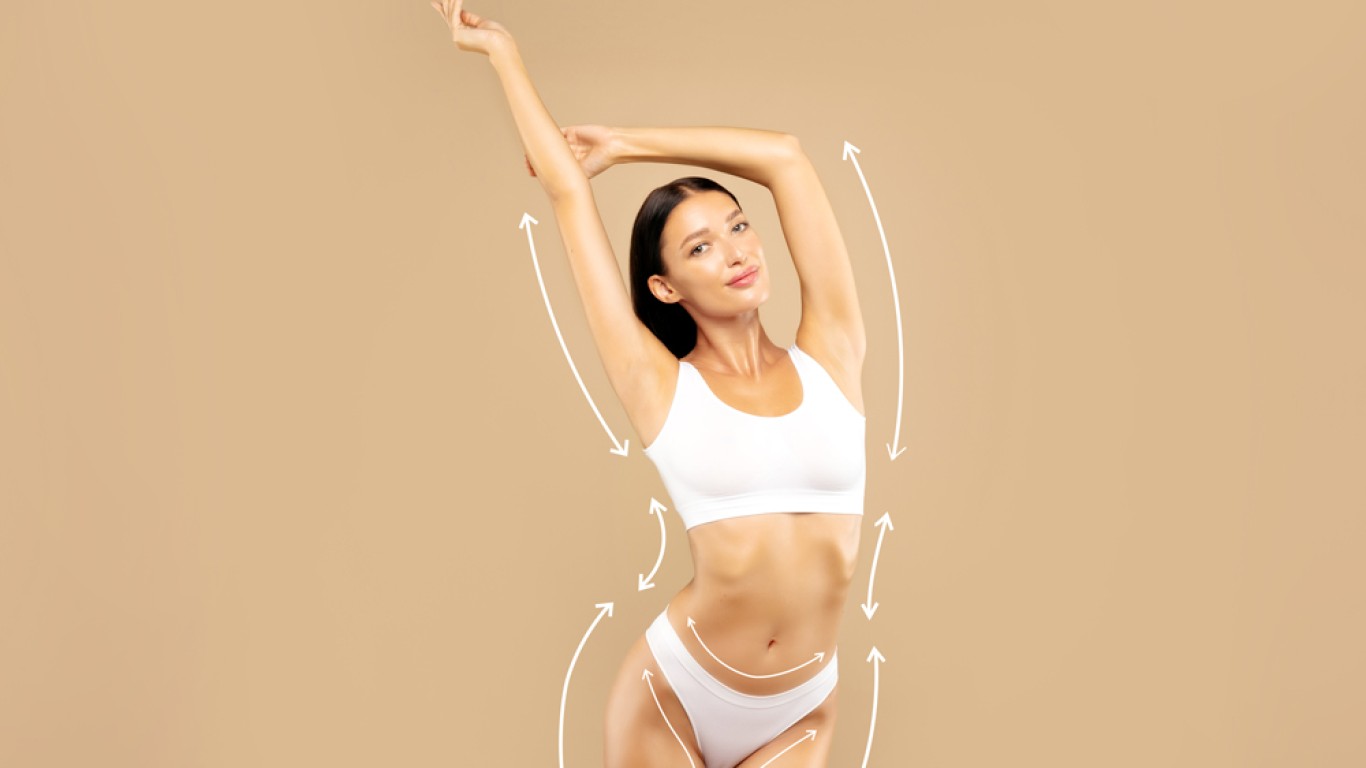
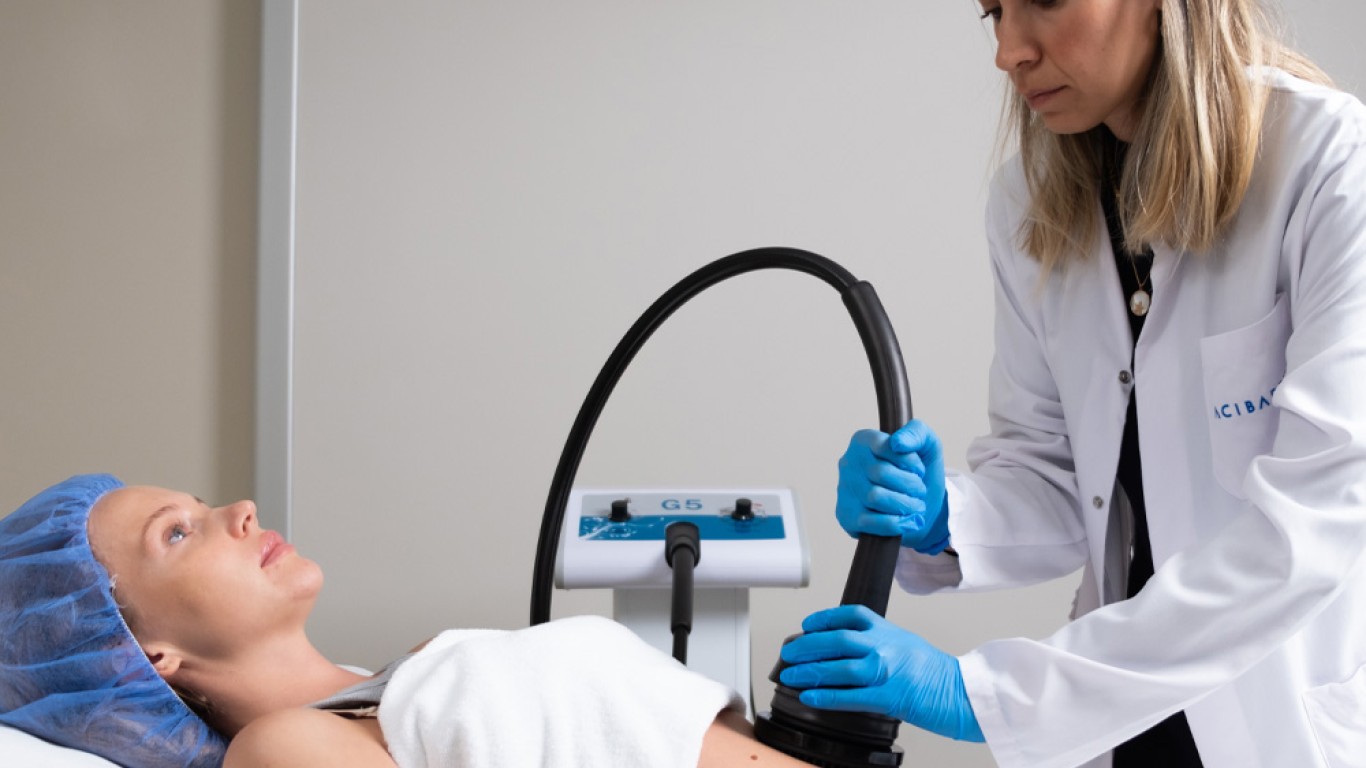
- Radio frequency skin tightening can also be used on the abdomen, arms and thighs.
- Body areas with mild looseness benefit from dermal stimulation.
- Treatment suitability depends on the degree of laxity and tissue thickness.
- Comprehensive evaluation determines ideal treatment zones.
Who Is a Suitable Candidate for Radio Frequency Skin Tightening?
Ideal candidates typically present with mild to moderate skin laxity. Individuals seeking gradual refinement without surgery often choose this option. Radio frequency skin tightening works best when baseline elasticity is still present - patients with severe excess skin may require surgical lifting instead. Consultation determines realistic expectations based on skin quality and age. Medical history, lifestyle factors and sun damage also influence candidacy. Personalised planning ensures appropriate selection.
Treatment Experience and Comfort
Patients often describe the sensation as warm and manageable. Integrated cooling systems protect the outer skin layer throughout the procedure. Sessions usually last between thirty and sixty minutes depending on treatment area size. Radio frequency skin tightening does not require anaesthesia in most cases. Mild redness or warmth may occur temporarily and most individuals resume normal activities immediately afterward. There is no need for extended recovery time.
Radio Frequency Skin Tightening Frequency and Scheduling
Optimal results often require a structured treatment schedule - many patients undergo three to six sessions spaced several weeks apart. Gradual spacing allows collagen production to develop between visits. Severe laxity may require additional sessions. Maintenance treatments may be recommended annually but the number of sessions depends on baseline skin condition. A personalised plan ensures steady improvement rather than abrupt change.
The Importance of Practitioner Skill in Radio Frequency Skin Tightening
Energy-based treatments require precise technique. Proper temperature control prevents overtreatment or insufficient stimulation. An experienced practitioner adjusts energy levels according to tissue response. Treatment speed and depth must be monitored carefully. Skilled application ensures uniform heating across the area. Even distribution reduces the risk of irregular tightening. Professional expertise directly influences safety and outcome quality.
Skin Thickness and Treatment Response
Thicker skin may respond differently than thinner tissue. Facial skin tends to show visible improvement more quickly. Body areas may require stronger or repeated sessions. Individual collagen density also affects response rate. Younger patients may notice faster regeneration due to higher baseline collagen levels. Mature skin often requires longer remodelling time. Understanding these variables supports realistic expectations.
Preventative Use in Younger Patients
Some individuals begin treatment before significant laxity develops. Early collagen stimulation may slow visible ageing progression. Preventative sessions focus on maintaining firmness rather than correcting sagging. Gradual stimulation supports long-term elasticity preservation - this proactive approach is increasingly popular in aesthetic medicine. Subtle maintenance often prevents more dramatic intervention later.
Maintenance and Long-Term Results
Collagen production continues gradually for several months after treatment. Maintenance sessions may be recommended annually to sustain firmness. Healthy lifestyle habits support longer-lasting elasticity. Radio frequency skin tightening results depend partly on natural ageing progression. Hydration, balanced nutrition and sun protection enhance durability. Because ageing continues, gradual follow-up treatments may maintain improvements. Long-term outcomes appear subtle and natural.
Combining Radio Frequency Skin Tightening With Other Treatments
Radio frequency skin tightening may complement other aesthetic procedures effectively. Microneedling can enhance collagen stimulation synergistically. Injectable treatments may address volume loss simultaneously. Combination planning supports comprehensive rejuvenation rather than isolated improvement, and structured consultation ensures coordinated timing between procedures. Layered treatment strategies often provide enhanced patient satisfaction while personalised protocols maximise overall outcome.
Why Many Patients Choose Turkey
Turkey offers advanced aesthetic technologies and experienced medical practitioners. Modern clinics provide personalised assessment and structured treatment planning. Radio frequency skin tightening is performed using updated and certified equipment. Competitive pricing attracts international patients seeking high standards of care. Coordinated medical tourism services simplify travel arrangements. Comprehensive follow-up enhances reassurance and continuity.
Post-Radio Frequency Skin Tightening Skin Care Recommendations
Gentle skincare is advised after treatment sessions. Hydrating products support barrier recovery. Avoiding intense heat exposure immediately afterward is recommended - sun protection protects newly stimulated collagen from UV damage. Maintaining a balanced skincare routine enhances long-term results. Consistent care reinforces treatment benefits and supportive habits contribute to durability.
Realistic Expectations and Outcome Assessment
Radio frequency skin tightening produces gradual improvement rather than dramatic lifting. Results often appear natural and proportionate. Severe sagging cannot be corrected entirely without surgery. Improvement typically becomes noticeable within one to three months. Photographic comparison helps track progress objectively. Clear consultation before treatment ensures alignment between goals and achievable results.
Overall, radio frequency skin tightening improves skin elasticity through controlled thermal stimulation and progressive collagen remodelling. Device selection, practitioner expertise and personalised scheduling all influence outcome quality. While not a replacement for surgical lifting in advanced cases, it offers a reliable and minimally invasive option for those seeking gradual, natural-looking firmness and structural support.
Conclusion
Radio frequency skin tightening improves skin elasticity by stimulating collagen production and promoting dermal contraction. The treatment offers gradual, natural-looking refinement without surgical intervention. Suitable for mild to moderate laxity, it supports firmer contour over time. With structured planning, maintenance sessions and healthy lifestyle habits, patients can achieve improved skin resilience and balanced rejuvenation.
For more information about radio frequency skin tightening, and to book a consultation, visit the ACIBADEM Beauty Center skin tightening page.
Frequently Asked Questions
It heats dermal layers to stimulate collagen production.
Most patients describe it as warm and comfortable.
Multiple sessions often produce optimal results.
No significant downtime is typically required.
Collagen improvement lasts, but ageing continues naturally.