Ataşehir Mah. Feza Sk. No:3 İstanbul / Türkiye
 French
  English
  German
  Spanish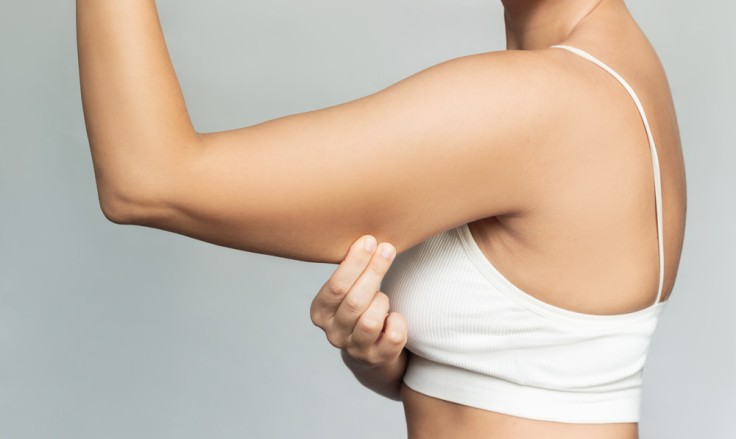
Introduction
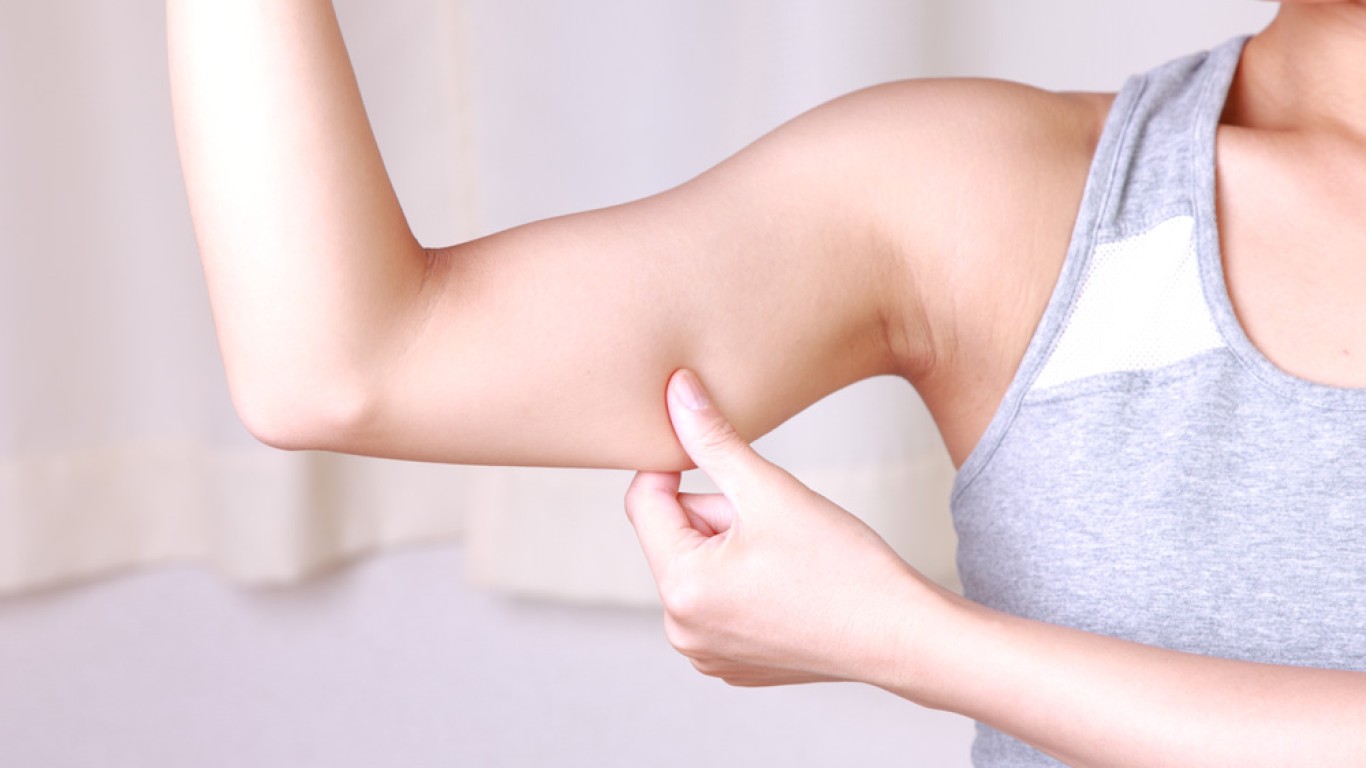
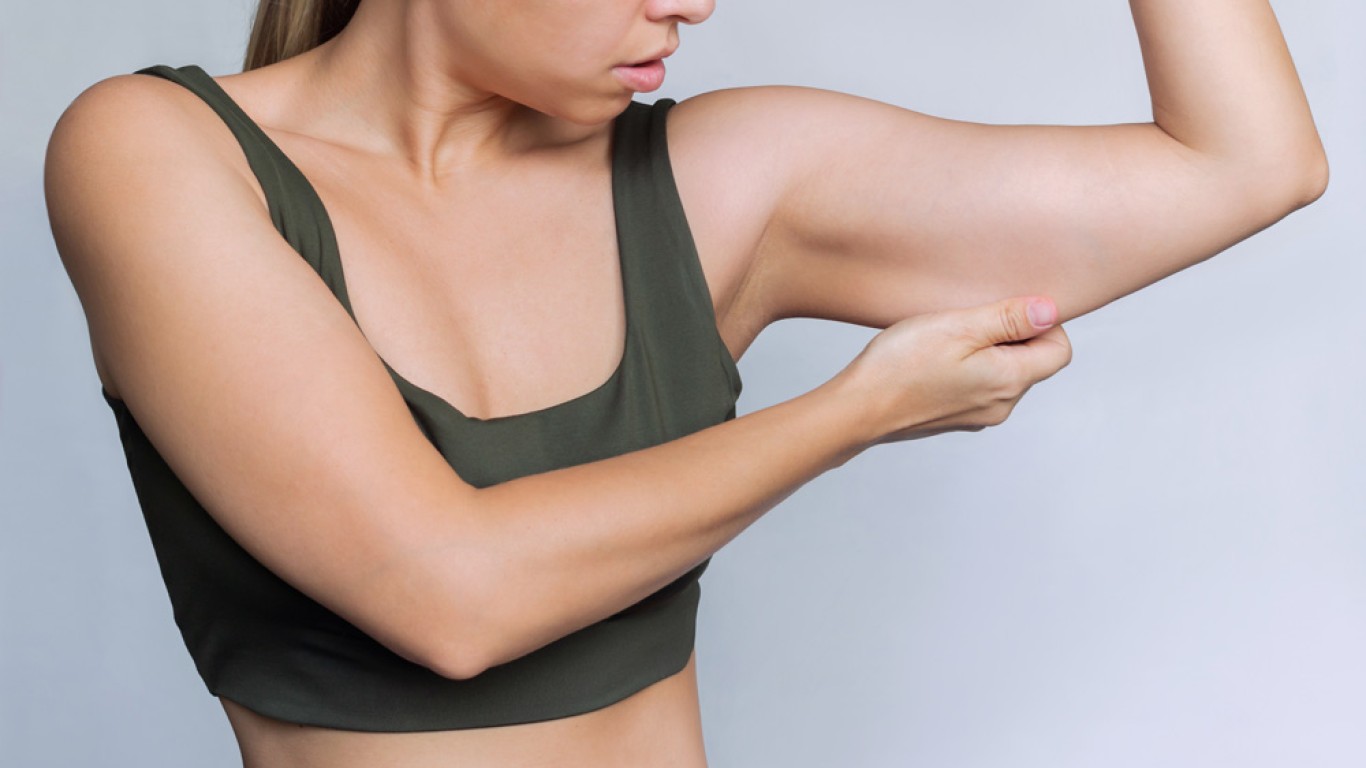
Arm lift surgery, also known as brachioplasty, removes excess skin and fat from the upper arms. The procedure creates smoother, more contoured arms. Many patients seek arm lift surgery after significant weight loss or due to age-related skin laxity. Understanding what to expect after surgery helps patients prepare for the healing process. The arm lift recovery timeline follows a predictable pattern over several weeks. Each phase brings specific changes and milestones. This article explains the arm lift recovery timeline from immediately after surgery through to final results. The information helps patients plan their schedule and prepare practically for each stage of healing.
What Happens During Arm Lift Surgery?
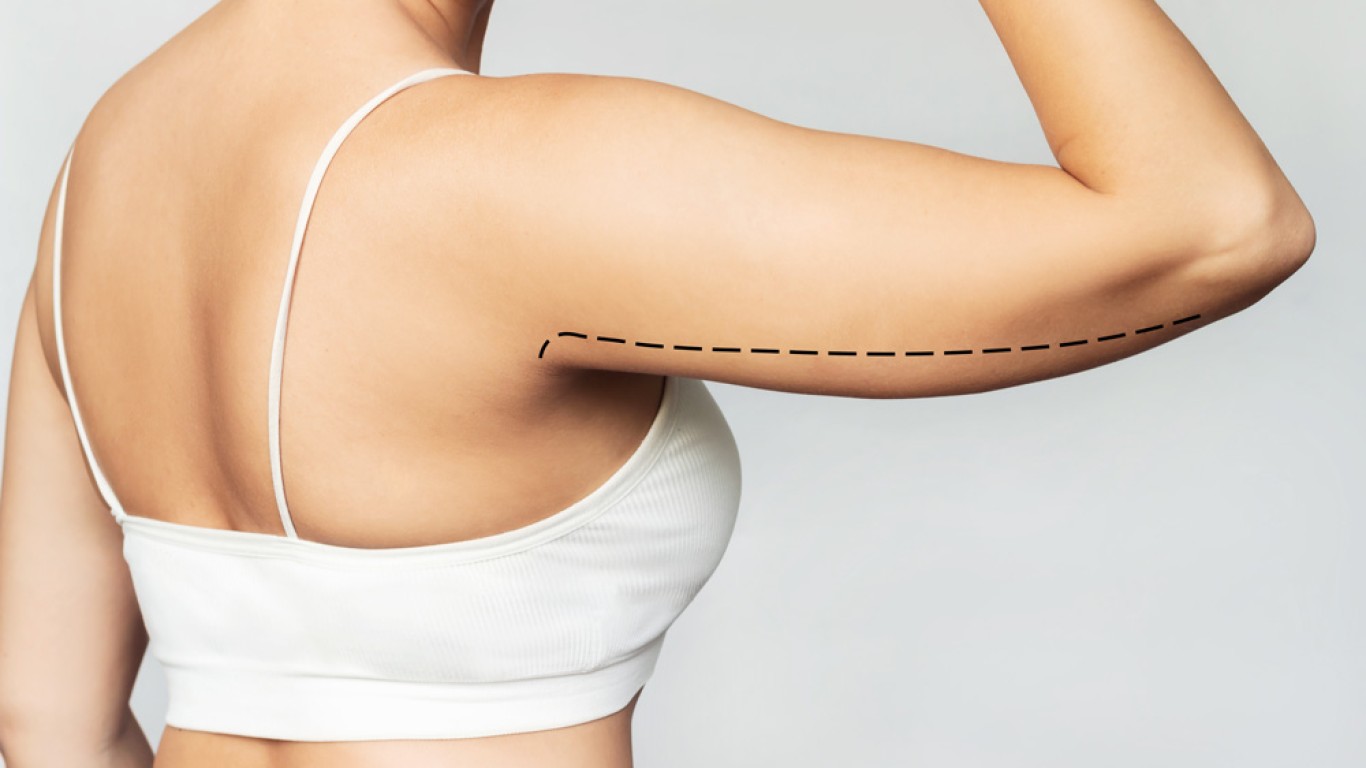
Arm lift surgery removes excess skin and fat from the upper arms. The surgeon makes an incision along the inner arm. The length of the incision depends on the amount of tissue to be removed. Excess skin is excised and the remaining skin is tightened. Liposuction may be combined with the procedure to remove additional fat. The surgeon then closes the incision with sutures. The procedure typically takes two to three hours. General anaesthesia is standard. Most patients return home the same day. Compression garments support healing during the first few weeks. The procedure produces dramatic improvement in arm contour and confidence.
Arm Lift Recovery Timeline: First 24 Hours
The first twenty-four hours mark the start of the arm lift recovery timeline. Patients wake from general anaesthesia in the recovery room. The arms feel tight, sore and bandaged. Pain medication keeps discomfort manageable. Movement of the arms is restricted to protect the healing incisions. Patients should avoid lifting anything heavy. Eating light meals is easier than complex food. Patients should arrange someone to help them at home. Sleeping with the arms elevated on pillows helps reduce swelling. Rest is essential during this initial recovery period. The first follow-up appointment is typically scheduled within the first few days of surgery.
Arm Lift Recovery Timeline: Week 1
The first week of the arm lift recovery timeline focuses on rest and managing discomfort. Pain peaks during the first few days and then gradually improves. Swelling and bruising are most noticeable during this period. Patients should wear compression garments continuously. Drains may be in place to remove fluid from the surgical sites. These are typically removed after a few days. Walking around the house supports circulation. Lifting the arms above shoulder height should be avoided. Most patients take the week off work to rest. Showering may be permitted after the second day with care around the incisions. Sleep position remains important for comfort.
Arm Lift Recovery Timeline: Week 2
Week two of the arm lift recovery timeline brings significant improvement. Pain decreases noticeably. Most patients return to office work or working from home. Driving may resume if pain medication is no longer needed. Swelling and bruising begin to fade. Compression garments continue to provide support. Light daily activities become more comfortable. Heavy lifting and reaching overhead must still be avoided. Stitches may dissolve naturally or be removed depending on the technique used. Most patients describe feeling more comfortable and able to manage daily tasks. The improvement in arm contour is already visible despite residual swelling.
Weeks 3 to 4: Building Confidence
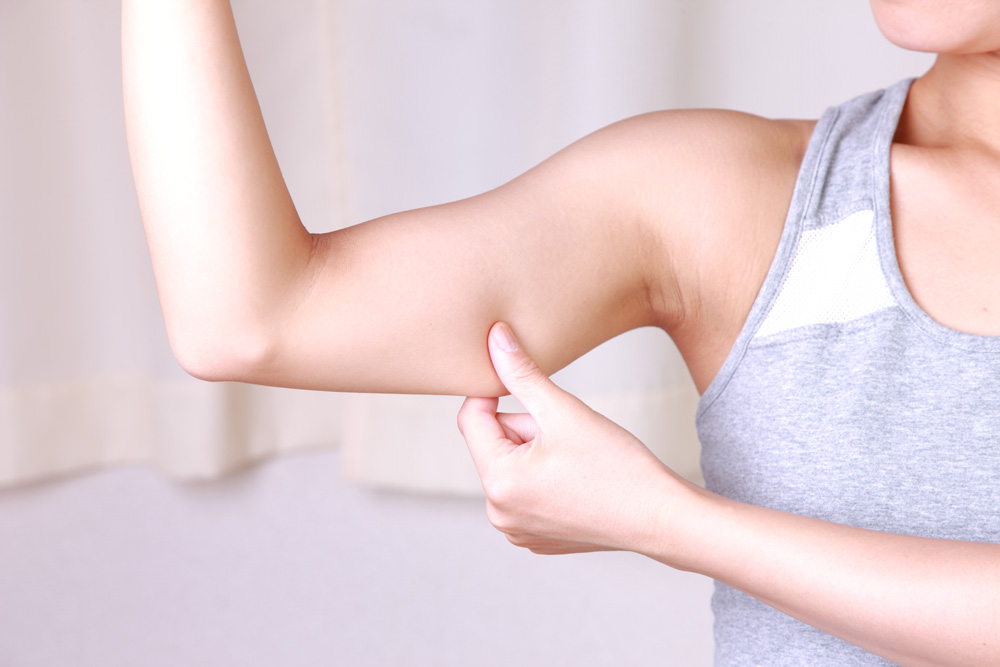
Weeks three and four of the arm lift recovery timeline see continued progress. Swelling continues to decrease gradually. The new arm contour becomes more apparent. Light cardiovascular exercise such as walking can typically resume. Upper body exercises and lifting should still wait. Many patients can reduce compression garment wear during this period. Showing arms in short sleeves becomes more comfortable. The scars are still healing and appear pink. Most patients describe feeling almost back to normal during this period. Energy levels improve significantly. Photographs at this stage show the developing result clearly.
Weeks 5 to 6: Resuming Most Activities
Weeks five and six of the arm lift recovery timeline allow most activities to resume. Most discomfort has resolved. Swelling continues to decrease. Many patients can return to light upper body exercise during this period. Heavy lifting and strenuous workouts should still be approached cautiously with surgeon approval. The scars continue to mature. Most patients are very pleased with their progress at this stage. The improvement compared with the early weeks is dramatic. Confidence in the result grows as the arms feel more like part of the body. Compression garments may no longer be required during the day.
Months 2 to 3: Continued Refinement
Months two and three of the arm lift recovery timeline show clear improvement. Most residual swelling has resolved. The final contour of the arms is becoming clear. Patients can resume all normal activities including most exercise. Strenuous upper body workouts typically receive surgeon approval during this period. The scars begin to fade from bright pink to softer tones. Sun protection is essential to prevent darkening of the scars. The arm lift recovery timeline continues to progress. Most patients are very satisfied with their outcome by this stage. Daily confidence in clothing and activities improves significantly.
Months 6 to 12: Approaching Final Results
Months six to twelve represent the later phase of the arm lift recovery timeline. The final arm contour is established. The scars continue to mature and fade over this extended period. They typically transition from pink to a softer flesh tone. Full exercise and activity can be resumed without restriction. Patients enjoy their new arm shape confidently. Clothing choices expand to include sleeveless options. The dramatic change compared with pre-operative photographs is clear. Most patients describe the surgery as life-changing. The improvement in confidence often extends beyond the arms to overall body image and self-esteem.
Arm Lift Recovery Timeline: Scar Care
Scar care is an important part of the arm lift recovery timeline. Incisions must be kept clean and dry during early healing. Silicone sheets or gels can support scar maturation after initial healing. Sun protection prevents pigmentation changes that can darken scars permanently. Gentle massage once cleared by the surgeon can improve scar appearance. Scars typically take twelve to eighteen months to reach their final appearance. They fade and flatten progressively during this period. Some patients benefit from additional scar treatments if scars develop thick or raised textures. Following scar care instructions carefully supports the best long-term cosmetic result.
Tips for a Smooth Recovery
Several tips support a smoother arm lift recovery timeline. Following all aftercare instructions carefully is essential. Wearing compression garments as directed supports healing and contour. Avoiding heavy lifting prevents strain on healing tissues. Keeping the arms elevated during rest reduces swelling. Eating a healthy diet supports tissue healing. Staying hydrated helps the body recover. Avoiding smoking is essential as it impairs healing and scar quality. Attending all follow-up appointments allows progress monitoring. Asking questions early prevents minor concerns from becoming problems. Patience throughout the healing process leads to the best long-term outcomes.
When to Contact Your Surgeon
Knowing when to contact the surgeon supports a safer arm lift recovery timeline. Severe pain that does not respond to medication warrants a call. Significant bleeding or unusual swelling should be reported. Signs of infection such as fever, increasing redness or warmth require immediate attention. Any concerns about healing or unexpected changes deserve professional input. Most clinics provide a contact number for post-operative queries. Asking questions early prevents minor concerns from becoming bigger problems. Surgeons expect patient queries during recovery and welcome the opportunity to provide reassurance and guidance throughout the healing journey.
Conclusion
The arm lift recovery timeline progresses through clear phases over several weeks and months. Each stage brings specific changes and milestones. The initial discomfort gradually gives way to dramatic improvement in arm contour and confidence. Understanding what to expect helps patients prepare practically and emotionally for the healing journey. Following aftercare instructions supports the best outcomes. Scar care and patience during the longer phases of healing produce the most satisfying final results. Professional follow-up ensures optimal recovery throughout the process. The transformation justifies the patience required during recovery. Consistent communication with healthcare providers, maintaining a healthy lifestyle, and monitoring any unusual symptoms further enhance safety, comfort, and overall satisfaction during the recovery experience.
For more information and to book a consultation visit the ACIBADEM Beauty Center webpage.
Frequently Asked Questions
Initial recovery takes six to eight weeks; final results develop over several months.
Most patients return to office work within one to two weeks.
Light exercise can resume after three to four weeks; upper body workouts after six.
Yes, scars typically fade significantly over twelve to eighteen months.
Most patients wear them for four to six weeks after surgery.