Ataşehir Mah. Feza Sk. No:3 İstanbul / Türkiye
 French
  English
  German
  Spanish
Introduction
Preserving and enhancing natural teeth remains a priority in modern dentistry. While dental implants and full restorations can replace missing teeth, many treatment options exist to preserve and improve the patient's own teeth. These conservative approaches keep the natural structure intact while addressing cosmetic or functional concerns. Many patients prefer treatments that work with rather than replace their natural teeth. Understanding the available options helps individuals make informed decisions about their oral health and smile. This article explores the range of treatments available for enhancing natural teeth and what patients can expect from each approach.
Why Preserve Natural Teeth?
Preserving natural teeth offers several advantages. Natural teeth maintain normal biting function and sensation. They contribute to healthy jaw bone density through everyday use. The roots of natural teeth stimulate the surrounding bone and prevent the deterioration that can follow tooth loss. Natural teeth also look and feel authentic in a way that even the best prosthetics may not match. Modern dentistry emphasises conservation of tooth structure whenever possible. The philosophy is to address problems with the most minimally invasive approach that will achieve a good result. This approach protects long-term oral health while improving appearance and function.
Teeth Whitening for Natural Teeth
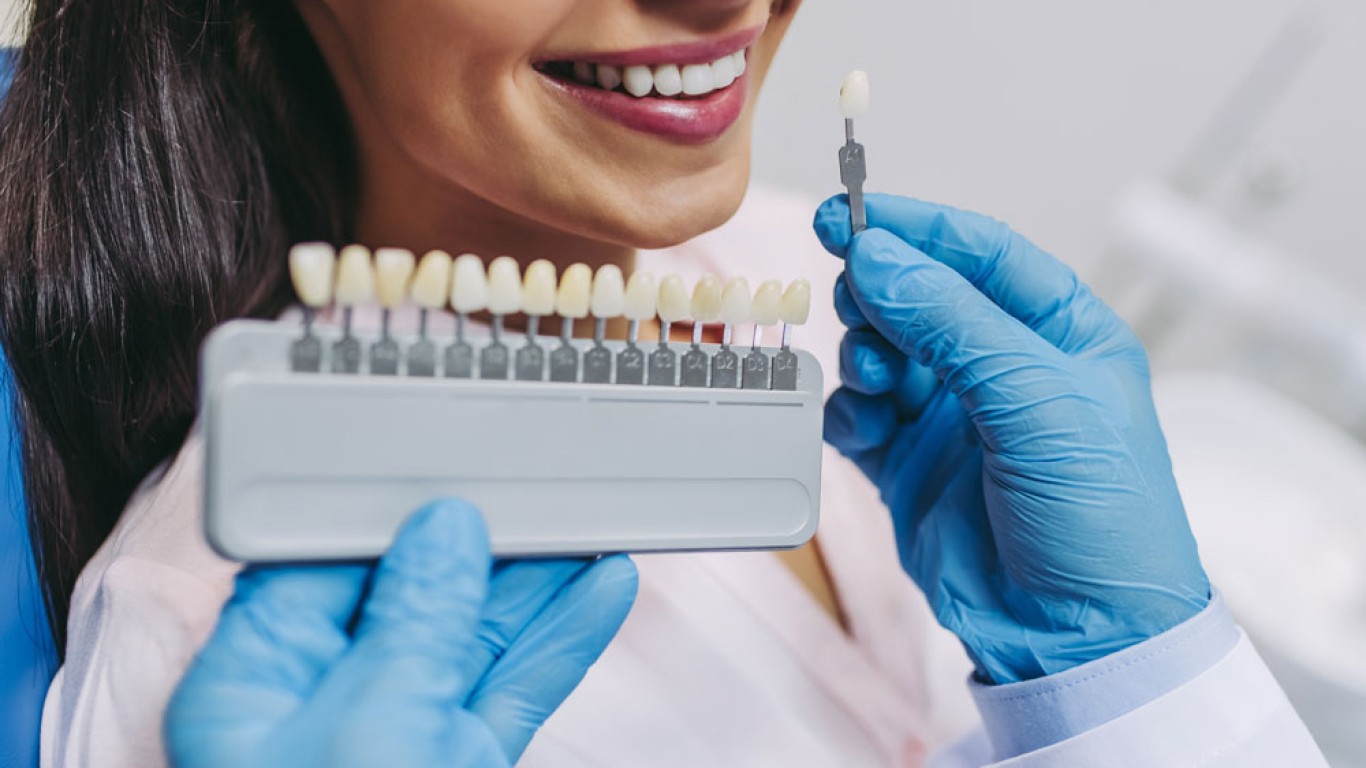
Teeth whitening is one of the most popular cosmetic treatments for natural teeth. The procedure brightens discoloured teeth without removing any tooth structure. Professional whitening uses stronger agents than over-the-counter products. In-office treatments produce results in a single session. Take-home kits from dentists offer gradual whitening over one to two weeks. Whitening addresses stains from coffee, tea, wine and ageing. The procedure does not work on dental restorations such as crowns or veneers. Results typically last one to three years depending on lifestyle. Whitening is a conservative treatment that preserves the entire tooth structure while dramatically improving appearance.
Dental Bonding
Dental bonding uses a tooth-coloured composite resin to repair or enhance natural teeth. The procedure can address small chips, gaps, discolouration and minor shape concerns. The dentist applies the resin directly to the tooth. It is shaped, hardened and polished to match the surrounding teeth. The procedure typically takes thirty to sixty minutes per tooth. No anaesthetic is usually needed. Bonding is completely reversible and minimally invasive. It preserves all the natural tooth structure. Results last five to ten years with proper care. Bonding offers an affordable alternative to veneers for patients seeking subtle cosmetic improvement to their natural teeth.
Dental Veneers for Enhancement
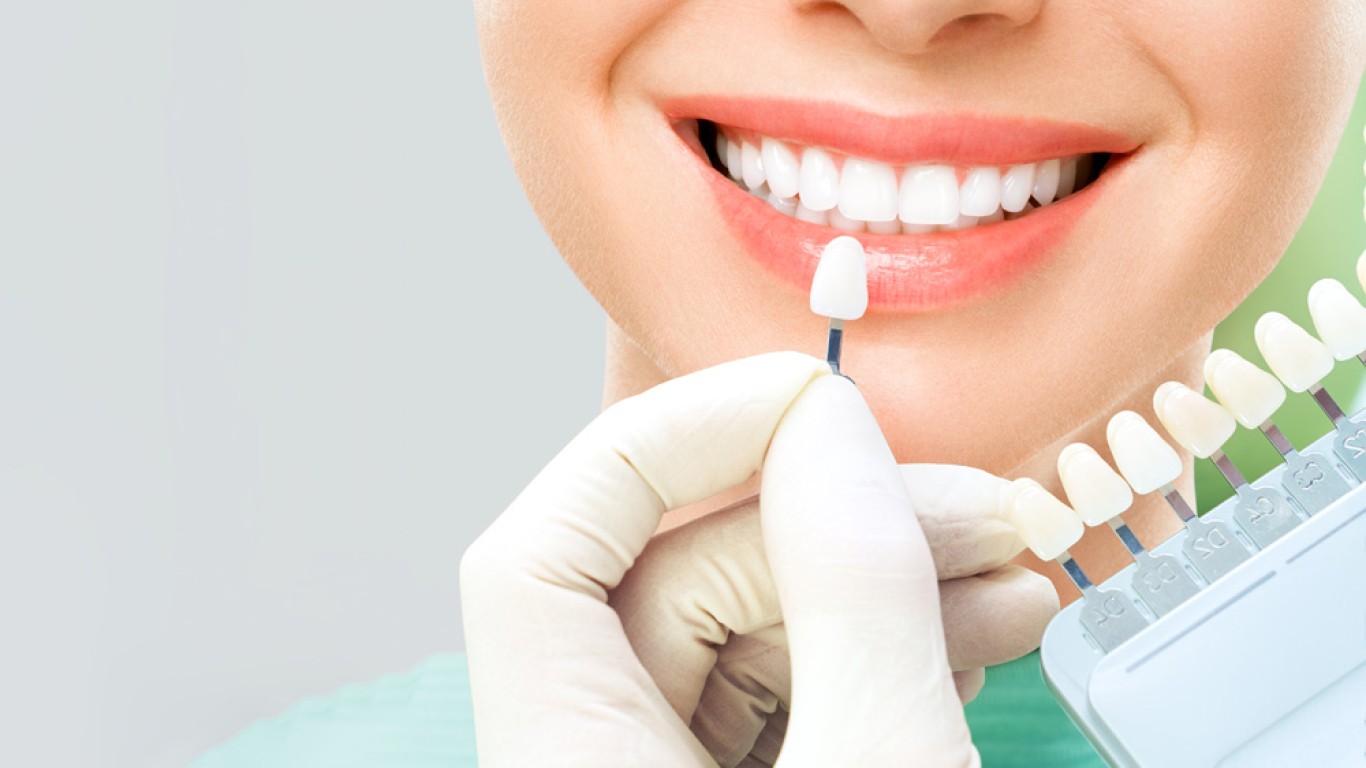
Veneers offer a more comprehensive cosmetic enhancement while preserving much of the underlying natural teeth. Porcelain veneers are thin shells bonded to the front surface of teeth. They address multiple concerns including discolouration, chips, gaps and shape. The procedure requires minimal tooth preparation in most cases. Modern techniques can achieve excellent results with very little enamel removal. Some minimal preparation veneers require almost no tooth alteration at all. Veneers last ten to fifteen years with proper care. They provide dramatic transformation while leaving the natural tooth structure largely intact. This balances cosmetic improvement with preservation of the patient's own teeth.

Composite Fillings
Composite fillings repair cavities while matching the natural tooth colour. The dentist removes decayed tooth structure and replaces it with tooth-coloured resin. Composite fillings bond directly to the tooth for strength. They are virtually invisible once placed. Modern composites are durable and long lasting. They preserve more natural teeth structure than older amalgam fillings. The procedure typically takes thirty minutes to an hour per tooth. Local anaesthetic ensures comfort. Composite fillings can last many years with proper oral hygiene. They offer both functional restoration and cosmetic improvement while maintaining the natural appearance of the teeth.
Inlays and Onlays
Inlays and onlays are conservative restorations for damaged natural teeth. They are used when a filling would not provide enough strength but a full crown would remove too much tooth structure. Inlays fit within the cusps of the tooth. Onlays extend over one or more cusps. The restorations are made from porcelain, composite or gold. They are custom-fitted to match the existing tooth shape. The procedure typically requires two appointments. Inlays and onlays preserve more natural teeth structure than crowns while providing excellent durability. They often last fifteen to thirty years with proper care. This conservative option suits many restorative situations.
Orthodontic Treatment for Natural Teeth
Orthodontic treatment moves natural teeth into better positions without removing any tooth structure. Traditional braces use brackets and wires to gradually shift teeth. Modern clear aligners such as Invisalign offer a discreet alternative. Orthodontic treatment addresses crowding, spacing, overbite, underbite and crossbite issues. Treatment typically takes six to twenty-four months depending on complexity. The natural teeth are preserved completely throughout treatment. Retainers maintain results after active treatment ends. Orthodontics often produces dramatic improvements in both appearance and function while keeping all the natural teeth intact. Many adults now pursue orthodontic treatment due to clear aligner options.
Enamel Shaping and Contouring
Enamel shaping is a subtle conservative treatment for natural teeth. The dentist gently reshapes the enamel to address minor irregularities. Small chips, uneven edges and slightly overlapping teeth can be smoothed. The procedure removes only a very small amount of enamel. No anaesthetic is usually needed. Results are immediate. Enamel shaping is quick, affordable and painless. It suits patients with minor cosmetic concerns who want to preserve their natural teeth completely. The treatment can be combined with bonding to address both shape and colour issues simultaneously. It represents one of the most conservative cosmetic dentistry options available to patients.
Root Canal Treatment to Save Natural Teeth
Root canal treatment saves natural teeth that would otherwise need extraction. The procedure removes infected or damaged pulp from inside the tooth. The inside of the tooth is then cleaned, filled and sealed. A crown or filling protects the treated tooth. Root canal treatment allows patients to keep their natural teeth when the tooth structure is otherwise sound. Modern techniques make the procedure comfortable and predictable. Root canal treated teeth can last a lifetime with proper care. This treatment is often preferable to extraction followed by implant placement. Preserving the natural tooth maintains normal function and bone health.
Preventive Care for Natural Teeth
Preventive care is the foundation of preserving natural teeth. Regular dental check-ups identify problems early. Professional cleanings remove tartar that cannot be cleaned at home. Fluoride treatments strengthen enamel against decay. Fissure sealants protect vulnerable tooth surfaces. Good daily oral hygiene including brushing twice daily and flossing supports lasting dental health. A balanced diet limiting sugar and acidic foods protects natural teeth. Avoiding tobacco preserves both appearance and gum health. These conservative practices keep natural teeth healthy for a lifetime. Prevention is the most effective and affordable approach to dental care throughout life.
Choosing the Right Treatment
Choosing the right treatment for teeth depends on individual circumstances. The nature of the concern is the first consideration. Cosmetic issues such as discolouration may respond to whitening alone. Structural problems may need bonding, veneers or crowns. The condition of the natural teeth influences options. Healthy teeth allow more conservative approaches. Damaged teeth may need more extensive treatment. Budget and time considerations also matter. A dental consultation evaluates the options and recommends the most appropriate approach. The goal is always to preserve as much natural teeth structure as possible while achieving the patient's goals for appearance and function.
Conclusion
A wide range of treatment options exists for enhancing and preserving natural teeth. From whitening and bonding through veneers, orthodontics and conservative restorations, modern dentistry offers solutions for nearly every concern. The common thread is preservation of the patient's own tooth structure wherever possible. This conservative philosophy protects long-term oral health while achieving excellent cosmetic and functional outcomes. Professional dental consultation ensures the most appropriate treatment for each individual situation. Preserving natural teeth remains the gold standard when it can be achieved, with newer technologies making this possible in more clinical situations than ever before. Advances in digital imaging, minimally invasive techniques, and preventive care strategies continue to improve precision, comfort, and long-term success rates for patients worldwide.
For more information and to book a consultation visit the ACIBADEM Beauty Center Dental Treatments page.
Frequently Asked Questions
Natural teeth maintain bone health and normal function better than any replacement.
Teeth whitening preserves all tooth structure while brightening appearance.
Some minimal preparation veneers require almost no enamel removal.
Dental bonding typically lasts five to ten years with proper care.
Yes, preserving the natural tooth is typically preferable when possible.