Ataşehir Mah. Feza Sk. No:3 İstanbul / Türkiye
 French
  English
  German
  Spanish
Introduction
Nose shape plays a significant role in overall facial balance. Many people become interested in aesthetic treatments after noticing how their nose appears in photographs or side profiles. Understanding different nose shapes helps explain why certain features appear more prominent than others. The nose sits centrally on the face and strongly influences facial symmetry. Even subtle changes in nasal structure can affect overall appearance. Some individuals inherit particular nose shapes genetically. While others experience changes due to injury or ageing. Treatments designed to refine nasal shape focus on improving proportion while maintaining natural harmony. This guide explains common nasal shapes and how modern treatments can improve them.
What Determines Nose Shapes?
Several anatomical factors influence nasal shape. The underlying bone structure forms the upper portion of the nose. Cartilage shapes the lower third and determines tip structure. Skin thickness also plays a role in how refined the nose appears. Genetic traits largely determine different nose shapes. Family characteristics may influence bridge height, tip projection and nostril width. Ethnicity can also affect nasal proportions and structural features. These natural variations explain why nose shapes differ widely across individuals. Understanding these factors helps surgeons plan personalised treatment approaches.
Different Nose Shapes: Roman Nose Shape
The Roman nose is sometimes called an aquiline nose. It features a prominent bridge with a slight curve or hump. This shape often creates a strong profile and is commonly inherited genetically. Some individuals appreciate the distinctive character of this nasal shape. Others may prefer a smoother bridge line that blends more gently with the forehead. Treatment options typically focus on refining the nasal bridge. Rhinoplasty can smooth the hump and adjust nasal proportions while maintaining natural structure. The goal is to soften the profile without removing the different nose shapes character completely.
Different Nose Shapes: Button Nose Shape
The button nose is often considered small and rounded with an upward tilt at the tip. This shape can create a youthful and delicate appearance. Many individuals with this nose shape do not seek surgical changes. However, some people may feel the tip appears overly rotated or lacks definition. Subtle rhinoplasty techniques can adjust tip projection or improve balance with other facial features. Non-surgical fillers may also provide temporary contour adjustments in selected cases.
Different Nose Shapes: Bulbous Nose Shape
A bulbous nose is characterised by a wide or rounded nasal tip. This shape typically results from thicker cartilage or skin at the tip area. The nasal bridge may appear balanced, but the lower portion of the nose appears fuller. Treatments often focus on refining tip cartilage structure. Surgeons use specialised suturing techniques to narrow and reshape the nasal tip. The aim is to create a more defined contour while maintaining natural proportions. Skin thickness also influences how visible these changes appear after surgery.
Different Nose Shapes: Flat Nose Shape
A flat nose typically features a lower nasal bridge and less projection from the face. This shape is common in certain ethnic groups and reflects natural anatomical variation. Some individuals prefer to increase bridge height or tip projection for stronger facial balance. Surgical rhinoplasty can reshape the nasal framework using cartilage grafts. Non-surgical nose filler treatments may also enhance bridge definition temporarily. The objective is to maintain harmony with the individual’s facial features while improving projection.
Different Nose Shapes: Crooked Nose Shape
A crooked nose appears misaligned when viewed from the front. This may result from genetic development, injury or structural asymmetry within the nasal bones. Crooked noses may affect both appearance and breathing function. Surgical correction focuses on realigning nasal bones and adjusting cartilage structures. This approach helps improve both nasal symmetry and airflow. The goal is to achieve a straight nasal line while preserving natural proportions.
Different Nose Shapes: Wide Nose Shape
A wide nose may involve broader nasal bones, a wide bridge or flared nostrils. This shape can create a strong central facial feature. Some individuals prefer a narrower bridge or more refined nostril shape. Rhinoplasty techniques may involve narrowing the nasal bones and adjusting cartilage structure. In certain cases, nostril reduction procedures refine the base of the nose. These adjustments help improve facial balance without dramatically altering natural identity.
How Non-Surgical Treatments Can Improve Nose Shape
Not all nasal concerns require surgery. Non-surgical rhinoplasty uses dermal fillers to reshape certain nasal features temporarily. Fillers can smooth small bumps along the bridge or improve minor asymmetry. This technique adds volume strategically to create the appearance of a straighter profile. Results are temporary and usually last several months to a year. Non-surgical treatments cannot reduce nasal size, but can improve contour balance in selected cases.
When Rhinoplasty May Be the Best Option
Surgical rhinoplasty remains the most effective method for permanently reshaping the nose. The procedure allows surgeons to modify bone and cartilage structures directly. Rhinoplasty can reduce nasal size, refine the tip or correct asymmetry. Advanced surgical planning ensures that changes complement the individual’s facial proportions. Modern techniques focus on preserving natural structure while improving balance. Careful planning and realistic expectations are essential for achieving satisfying outcomes.
Choosing the Right Approach for Nose Shapes
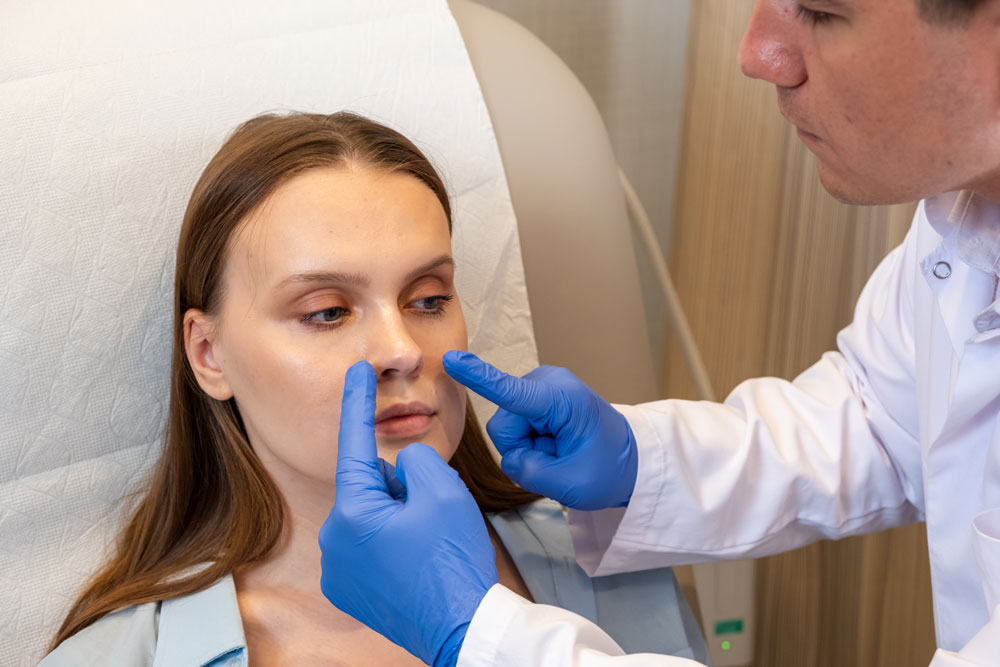
Treatment planning for different nose shapes depends on the individual’s anatomy and aesthetic goals. Some patients benefit from subtle contour adjustments with non-surgical treatments. Others require structural rhinoplasty to achieve their desired changes. Consultation with an experienced specialist helps determine the most suitable option. During consultation, surgeons evaluate bone structure, cartilage strength and skin thickness. Digital imaging may also help demonstrate potential outcomes. This planning process ensures treatment remains personalised and balanced.
How Facial Proportions Influence Nose Shape Decisions
When considering improvements to different nose shapes, surgeons always evaluate the nose in relation to the entire face. The nose should complement surrounding features such as the chin, forehead and cheekbones. Facial balance is often more important than changing the nose alone. For example, a nose may appear large simply because the chin is slightly recessed. In these situations, improving chin projection enhances overall facial harmony without dramatically altering the nose. Specialists analyse facial angles and proportions during consultation to determine how the nose interacts with other features.
The angle between the nose and upper lip is another important measurement. A balanced nasal profile should align naturally with the forehead slope and chin position. When planning treatment, surgeons aim to create a nose that suits the individual’s facial structure. Rather than applying a standard shape. This personalised approach ensures that refinements appear natural and harmonious. By understanding how different nose shapes interact with facial proportions, treatment can achieve subtle but meaningful improvements in overall facial balance.
Using Digital Imaging to Plan Nose Shape Improvements
Advances in digital imaging technology have improved how surgeons plan treatments for different nose shapes. During consultation, many clinics use 3D imaging systems to simulate potential outcomes. These tools help visualise how subtle adjustments may influence facial harmony before undergoing any procedure. Digital simulations do not guarantee exact results. But they provide a helpful reference when discussing treatment goals. By comparing different projections, bridge heights or tip refinements, patients gain an understanding of changes.
This collaborative planning process helps align expectations between patient and surgeon. While also ensuring that adjustments remain proportionate to the individual’s facial features. Careful visual planning helps patients understand how refinements may appear from different angles. It also allows surgeons to demonstrate how structural changes influence overall facial balance.
Long-Term Balance When Refining Nose Shapes
Another important consideration when addressing different nose shapes is long-term facial balance. The nose should age naturally alongside the rest of the face. Surgical planning therefore focuses on structural stability and natural proportions rather than dramatic reshaping. A nose that is excessively reduced or heavily altered may appear unnatural over time. Maintaining adequate cartilage support helps preserve nasal function and aesthetic harmony as the years pass. Modern rhinoplasty techniques prioritise conservative refinement while maintaining structural strength beneath the skin. Surgeons aim to enhance facial proportions rather than create an entirely new nasal shape. By focusing on balanced improvement, the nose remains harmonious with surrounding facial features long after healing is complete.
Conclusion
Understanding different nose shapes helps individuals explore treatment options more confidently. Nasal shape is influenced by bone structure, cartilage and skin characteristics. Some people embrace their natural nose shape, while others seek refinement for improved facial harmony. Both surgical and non-surgical techniques can address specific nasal concerns. With careful planning and expert evaluation, treatments can enhance nasal proportion while preserving natural appearance.
For more information and to book a consultation visit the ACIBADEM Beauty Center Rhinoplasty page.
Frequently Asked Questions
Genetics, bone structure, cartilage shape and skin thickness all influence nasal appearance.
Yes, fillers can temporarily improve contour or symmetry in selected cases.
Rhinoplasty can refine many shapes including bulbous, crooked or wide noses.
No, filler-based treatments are temporary and typically last several months.
They evaluate facial proportions, nasal structure and patient goals during consultation.