Ataşehir Mah. Feza Sk. No:3 İstanbul / Türkiye
 French
  English
  German
  Spanish
Introduction
A confident smile often reflects careful aesthetic planning rather than coincidence. Modern cosmetic dentistry focuses on harmony, proportion and natural brightness instead of exaggerated whiteness. A bright smile design considers far more than tooth whitening alone. It integrates tooth shape, alignment, gum contour and overall facial structure. Every element is analysed to ensure the smile complements the individual’s features. Personalised assessment ensures results suit age, complexion and personality. Understanding the process helps patients appreciate the technical detail and artistry involved. A balanced approach ensures brightness enhances authenticity rather than creating artificial contrast.
What Is a Bright Smile Design?
A bright smile design is a customised dental enhancement plan created after detailed analysis. It combines cosmetic and restorative techniques to improve overall appearance and symmetry. The objective is balanced brightness that looks natural in all lighting conditions. Tooth size, gum line position and midline alignment are evaluated carefully. A bright smile design enhances natural features rather than masking them behind excessive treatment. Digital imaging and facial analysis guide decision making. Precision planning ensures cohesion with facial proportions and lip movement. Each treatment plan reflects individual anatomy rather than a standard template.
Bright Smile Design: Colour Selection and Shade Matching
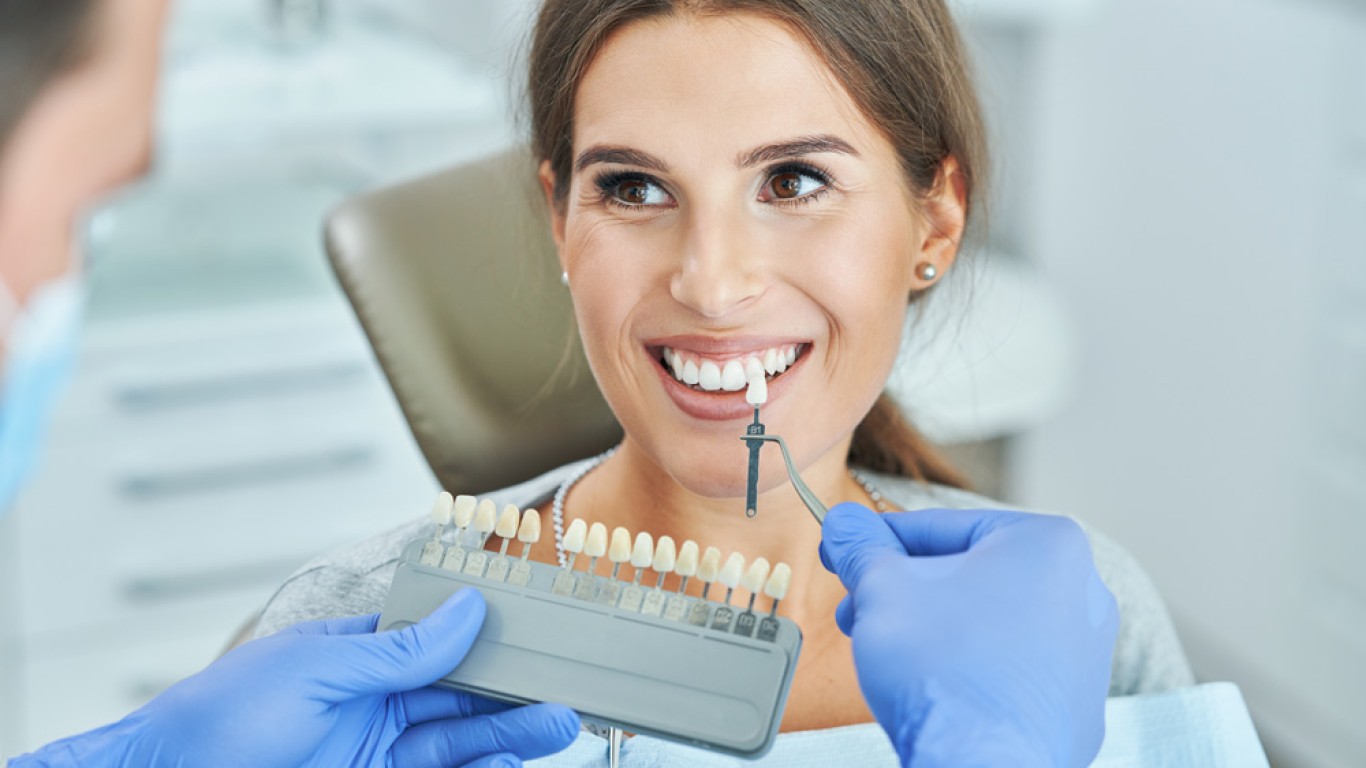
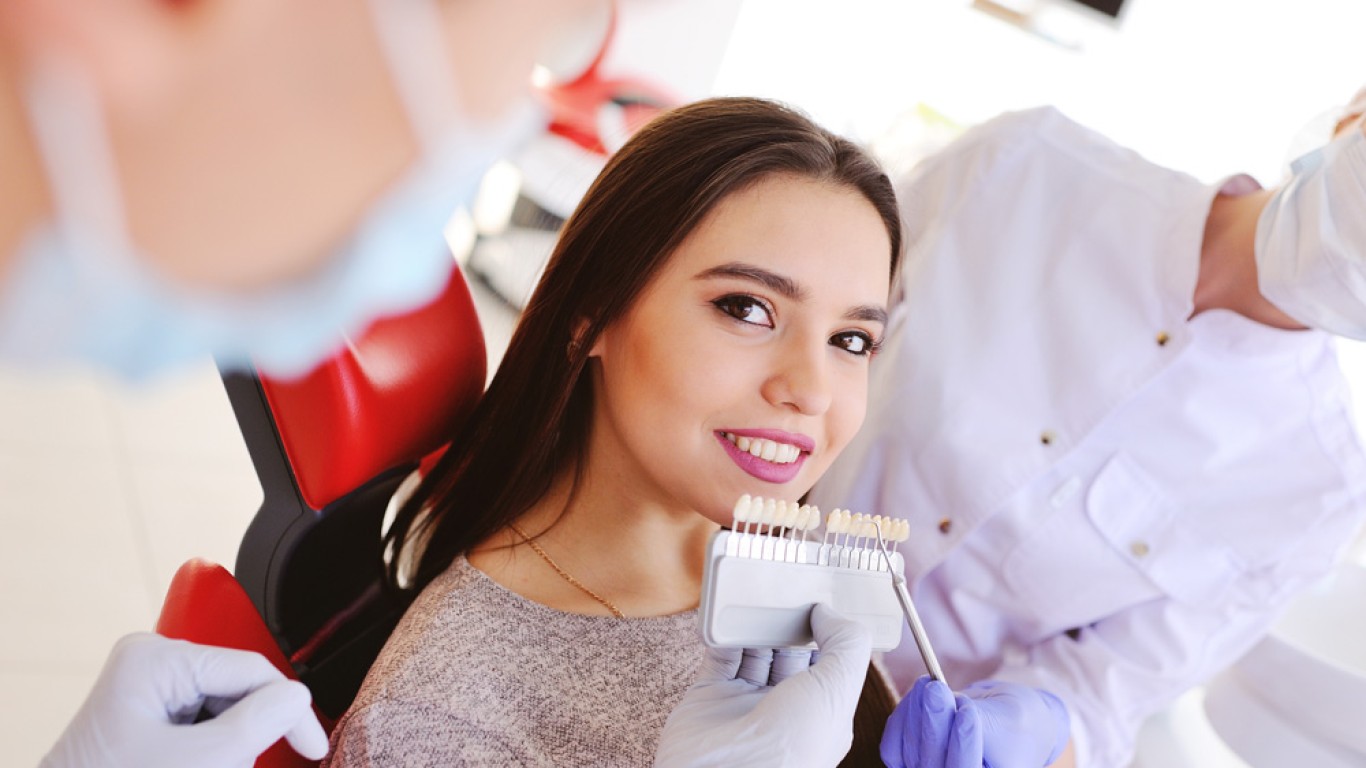
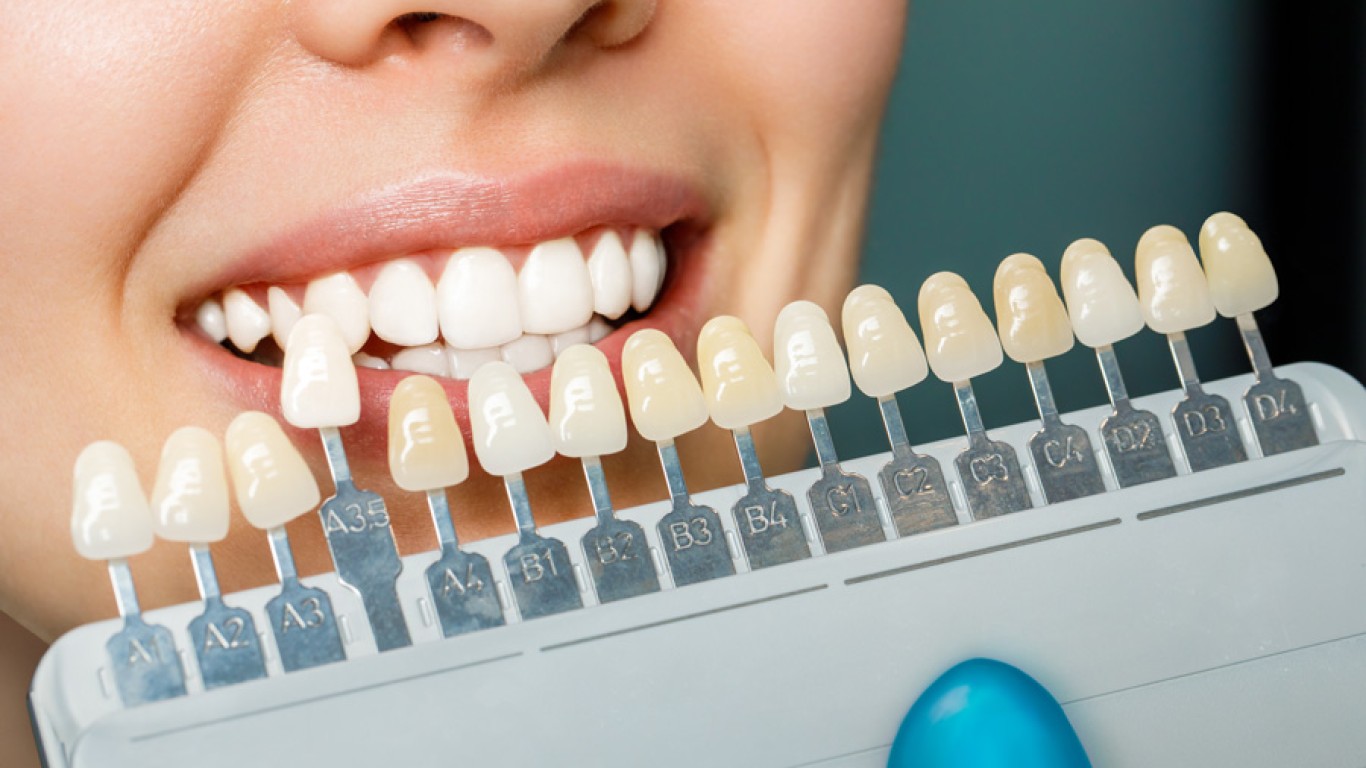
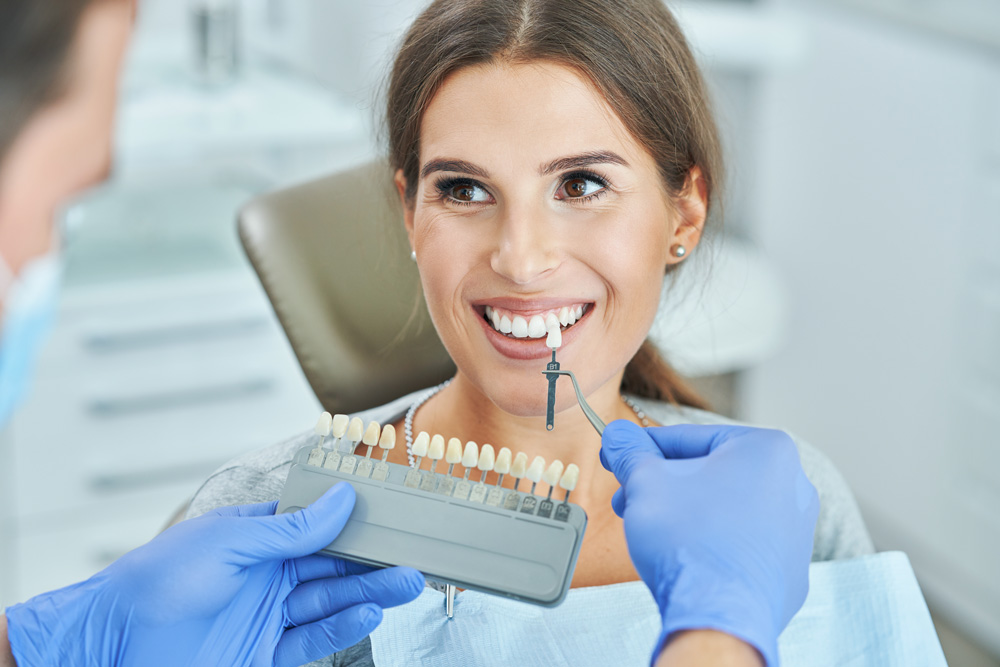
Tooth shade plays a central role in the final aesthetic outcome. Excessive whitening can appear unnatural against certain skin tones. A bright smile design selects shades that complement complexion, lip colour and even eye tone. Digital shade guides and calibrated lighting assist accurate matching. Gradual enhancement often produces more realistic brightness than extreme whitening. Dentists also consider translucency and enamel thickness. Balanced colour selection maintains authenticity and avoids artificial contrast. Subtle gradation between teeth supports a natural appearance.
Bright Smile Design: Tooth Shape and Proportion
Tooth dimensions influence smile harmony significantly. Width-to-length ratios affect visual balance and facial proportion. A bright smile design refines these proportions subtly when adjustments are necessary. Veneers or composite bonding may correct minor irregularities in contour. Rounded edges create softness, while sharper angles enhance definition. Over-enlargement can disrupt facial proportion and look unnatural. Careful measurement and planning preserve natural expression and function. Proportion must align with lip curvature during smiling.
Bright Smile Design: Alignment and Symmetry
Straight alignment improves how light reflects across the smile. Minor crowding or spacing can be corrected conservatively with aligners. Orthodontic adjustments often precede restorative treatments. A bright smile design prioritises symmetry without aiming for unrealistic perfection. Natural variation between sides maintains authenticity. Balanced alignment enhances confidence and comfort. Midline correction supports facial symmetry. Subtle refinement improves both appearance and oral function.
Bright Smile Design: Gum Contour and Smile Line
Gum position influences how teeth appear in relation to the face. Excess gum display can affect perceived tooth length. Contouring techniques may gently reshape the gum line where necessary. A bright smile design evaluates tooth-to-gum ratio carefully for proportional harmony. Symmetrical gingival margins enhance refinement and polish. Healthy gum tissue is essential for long-term stability. Subtle adjustments create harmonious framing around each tooth.
Facial Harmony and Lip Support
Smile aesthetics extend beyond teeth to surrounding structures. Lip position and facial proportions guide design decisions carefully. A bright smile design considers how teeth support lip shape during speech and smiling. Over-projecting restorations may alter facial profile negatively. Balanced integration maintains soft facial expression. Dynamic assessment ensures the smile looks natural in motion. Holistic evaluation improves overall aesthetic quality.
Digital Smile Simulation
Modern dentistry uses advanced digital imaging for accurate planning. Simulations preview expected results before treatment begins. A bright smile design benefits from clear visual communication between dentist and patient. Patients gain clarity regarding shape, shade and alignment choices. Adjustments can be discussed before any procedure starts. Collaborative planning reduces uncertainty and improves satisfaction. Technology enhances precision and predictability.
Material Selection in Cosmetic Dentistry
Material choice influences durability, strength and aesthetic realism. Porcelain veneers provide translucency similar to natural enamel. Composite bonding offers conservative correction with shorter preparation time. A bright smile design balances longevity with subtle brightness. Surface texture contributes to realistic light reflection. High-quality materials resist staining and wear. Proper bonding technique ensures structural stability.
Bright Smile Design Maintenance and Longevity
Maintaining brightness requires consistent oral hygiene and professional care. Regular dental cleaning preserves surface clarity and gum health. A bright smile design remains stable when properly maintained. Avoiding excessive staining foods and smoking supports colour retention. Protective night guards may be recommended in some cases. Professional follow-up protects long-term results and structural integrity.
Why Many Patients Choose Turkey for Smile Design
Turkey offers advanced cosmetic dental facilities with experienced clinicians and digital planning tools. Comprehensive consultation ensures personalised smile analysis. A bright smile design is created using modern imaging and precise craftsmanship. Competitive pricing combined with high-quality materials attracts international patients. Structured follow-up enhances reassurance. Multidisciplinary collaboration supports refined and predictable outcomes.
The Role of Enamel Texture in Smile Aesthetics
Natural teeth are not perfectly smooth or uniformly glossy. Subtle enamel texture affects how light reflects across the surface. When designing cosmetic enhancements, recreating this micro-texture is essential. Overly polished surfaces can appear artificial under bright lighting. Fine vertical ridges and gentle translucency add authenticity. Careful layering techniques in veneers or bonding replicate these natural variations. Attention to surface detail elevates the final result from obvious dentistry to refined artistry.
Tooth Length and Age Perception
Tooth length influences how youthful a smile appears. Over time, natural wear shortens the incisal edges slightly. Restoring length in a conservative manner can subtly rejuvenate facial appearance. However, excessive length may distort proportion and affect speech. Designers consider facial height and lip mobility before making adjustments. Balanced elongation enhances vitality without appearing exaggerated. Small refinements can create noticeable freshness.
The Importance of Midline Alignment
The dental midline ideally aligns with the centre of the face. Slight deviations are common and often acceptable. Significant misalignment, however, can affect overall harmony. Adjusting midline position may involve orthodontics or restorative correction. Even small improvements can enhance symmetry. Careful analysis ensures correction remains natural rather than forced. Alignment should complement facial structure rather than compete with it.
Managing Tooth Transparency
Natural teeth are not completely opaque. Light passes through the enamel at the edges, creating translucency. Reproducing this effect is crucial for realism. Modern ceramic materials allow layered translucency for lifelike depth. Too much opacity can make teeth appear flat. Too much transparency may reduce perceived brightness. Achieving the correct balance requires careful shade mapping and material selection.
Bite Function and Aesthetic Stability
Cosmetic enhancement must not compromise bite mechanics. Occlusion influences long-term durability of restorations. Even distribution of chewing forces protects veneers and bonding. Aesthetic design is integrated with functional analysis. Adjustments may be required to ensure comfortable jaw movement. Stability ensures results remain intact for years. Function and beauty must work together seamlessly.
The Influence of Facial Expression
A smile is dynamic rather than static. Teeth are visible during speech, laughter and subtle expression. Planning must account for movement and muscle activity. Lip mobility affects how much tooth structure shows. Designers assess the smile at rest and in motion. Balanced results appear natural in everyday interaction. Dynamic evaluation prevents stiffness or artificiality.
Customisation for Different Face Shapes
Face shape influences tooth form selection. Rounded faces often suit softer tooth contours. Angular faces may complement slightly sharper edges. Proportion must align with facial geometry. Customisation avoids a one-size-fits-all outcome. Subtle contour adaptation creates harmony. Individuality is preserved through tailored design.
Addressing Minor Imperfections Strategically
Small imperfections can sometimes add character. Eliminating every irregularity may create uniformity that looks unnatural. Skilled planning decides which features to refine and which to preserve. Slight asymmetry can maintain authenticity. Strategic correction enhances without erasing personality. Balanced design avoids over-treatment.
Longevity Through Preventive Care
Protecting aesthetic results requires proactive care. Regular dental visits ensure restorations remain intact. Professional cleaning preserves surface shine and gum health. Wearing protective guards may be recommended for those who grind teeth. Preventive strategies maintain both appearance and function. Long-term success depends on continued attention. When carefully executed, the result enhances confidence while preserving individuality and authenticity.
Conclusion
Creating a bright smile design involves far more than whitening treatment alone. It requires evaluation of tooth proportion, colour harmony, alignment and facial balance. Precision planning ensures brightness appears natural rather than artificial. With careful material selection, digital planning and personalised assessment, patients achieve confident and harmonious smiles that reflect their individuality.
For more information and to book a consultation visit the ACIBADEM Beauty Center Dental Treatments webpage.
Frequently Asked Questions
It is a personalised cosmetic dental enhancement plan.
No, it also considers shape, alignment and proportion.
Longevity depends on materials and maintenance.
Yes, each smile is individually planned.
Digital simulations often allow visual planning.