Ataşehir Mah. Feza Sk. No:3 İstanbul / Türkiye
 English
  German
  Spanish
Introduction
The brow lift is an established facial rejuvenation procedure that corrects drooping eyebrows and forehead lines. Two main techniques exist. The traditional open approach uses a longer incision across the scalp. The endoscopic brow lift uses several small incisions with a camera-guided technique. Both methods address the same concerns. However, the approaches differ in recovery, scarring and surgical technique. The endoscopic brow lift has become increasingly popular due to its less invasive nature. Understanding how the two methods compare helps patients make informed decisions during consultation. This article explains both techniques and outlines their key differences clearly. A patient's facial anatomy plays an important role in determining the most suitable technique. Brow position, forehead height, skin quality and hairline location all influence surgical planning. Understanding each method allows patients to approach consultation with realistic expectations.
What Is an Endoscopic Brow Lift?
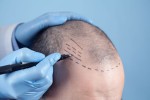
An endoscopic lift is a minimally invasive surgical procedure that elevates the brow position. The surgeon makes three to five small incisions behind the hairline. Each incision is approximately one to two centimetres long. A thin tube with a camera, called an endoscope, is inserted through one incision. The camera displays the internal structures on a monitor in real time. The surgeon uses specialised instruments through the remaining incisions to release and reposition tissue. Endoscopic brow lift lifts the brow to a more youthful position. Forehead muscles that cause frown lines can be weakened during the procedure. The brow is secured in its elevated position using small fixation devices. The technique avoids the need for a long scalp incision entirely.
Procedure is designed to reposition deeper tissues rather than simply tightening skin. This creates a more natural and long-lasting result. Modern fixation devices maintain the new brow during healing while minimising tension on the tissues.
How Open Brow Lift Surgery Works
Traditional open brow lift uses a continuous incision across the top of the scalp. The incision typically runs from ear to ear behind the hairline. The surgeon lifts the forehead skin directly to access underlying muscles and tissue. Excess skin is removed and the brow is repositioned manually. The technique provides direct surgical access to the entire forehead area. Open surgery allows extensive muscle modification and tissue removal. The incision is closed with sutures or staples. The endoscopic lift avoids this extensive incision entirely. Open surgery was the standard approach for many decades before endoscopic methods developed. It remains appropriate for patients with significant skin excess on the forehead. Ones that cannot be addressed through smaller incisions alone.
Endoscopic Brow Lift vs Open Surgery: Technique Differences
The endoscopic lift differs from open surgery in several important ways. Incision length is the most obvious difference. Open surgery uses one long incision. The endoscopic approach uses three to five small ones. Tissue disruption is considerably less with the endoscopic technique. The camera provides magnified internal visualisation without requiring large-scale tissue elevation. The endoscopic brow lift preserves more sensation in the scalp because fewer nerves are disrupted during surgery. Blood loss is typically lower with the endoscopic approach. Operating time is generally comparable between the two techniques. Both procedures are performed under general anaesthesia.
The endoscopic technique relies on specialised equipment and advanced surgical training. Surgeon experience with the endoscopic approach specifically is essential for achieving optimal results. Another advantage of the endoscopic brow lift is the reduced disruption of blood supply. Preserving more normal anatomy may contribute to faster healing and improved patient comfort. Smaller incisions also allow surgeons to perform the procedure with less visible evidence of surgery.
Endoscopic Brow Lift Recovery Compared
Recovery is one of the most significant differences between the two approaches. The endoscopic brow lift produces less swelling and bruising than open surgery. Smaller incisions mean less tissue trauma overall. Most endoscopic patients experience moderate swelling during the first week. Bruising may extend around the eyes temporarily. Pain is manageable with prescribed medication. Bandages are typically removed within one to two days. Most patients return to light activities within seven to ten days. The endoscopic brow lift recovery timeline is generally shorter than open surgery. Open brow lift patients often need two to three weeks before resuming social activities.
Numbness in the scalp is less common and resolves more quickly with the endoscopic technique. Strenuous exercise should be avoided for four to six weeks regardless of technique. Patients often report feeling socially comfortable sooner after an endoscopic brow lift. The reduced swelling allows earlier appreciation of the improved brow position. Follow-up appointments during the first weeks help monitor healing and ensure the tissues are settling.
Scarring: Endoscopic Brow Lift vs Open Surgery
Scarring differs substantially between the two approaches. The endoscopic brow lift produces three to five small scars hidden within the hair. Each scar is approximately one to two centimetres long. These heal to become virtually undetectable in most patients. Open surgery produces a single long scar running across the scalp behind the hairline. This scar is concealed by hair in most patients. However, it is significantly longer than endoscopic incision scars. Patients with thinning hair may find longer scars more difficult to conceal. The endoscopic brow lift is therefore preferred by patients concerned about scar visibility. Both techniques place incisions behind the hairline for maximum concealment. Scar care instructions support the best cosmetic outcome regardless of the approach used.
Results: What to Expect
Both techniques produce effective brow elevation and forehead rejuvenation. The brow appears more youthful and alert after treatment. Frown lines between the eyebrows improve significantly. Horizontal forehead lines reduce as the skin is repositioned. The endoscopic brow lift produces natural-looking results that develop as swelling resolves over several weeks. Open surgery produces comparable results with similar longevity. Results from both approaches typically last seven to twelve years. Natural ageing continues after surgery but from an elevated baseline position. Some patients combine the procedure with eyelid surgery for more comprehensive upper facial rejuvenation. The choice between techniques doesn’t affect the quality or duration of the final result.
Who Suits the Endoscopic Brow Lift?
The endoscopic brow lift suits most patients seeking brow elevation and forehead rejuvenation. It is particularly well suited to patients with moderate brow descent and forehead ageing. Those with minimal excess forehead skin respond well to the technique. Patients who want shorter recovery and minimal scarring prefer the endoscopic approach. The endoscopic brow lift is less suitable for patients with significant forehead skin excess. These patients may benefit more from open surgery which allows direct skin removal. Receding hairlines may also influence technique selection. Men considering brow lift surgery should discuss hairline considerations with their surgeon carefully. Consultation determines which technique best addresses each patient's anatomy and goals. Surgeon experience with both techniques supports the most appropriate recommendation.
Endoscopic Brow Lift: Cost Considerations
Pricing for the brow lift varies by location and clinic. In the UK, the procedure typically costs between five thousand and eight thousand pounds. Turkey offers significantly lower pricing with comprehensive all-inclusive packages. Turkish packages commonly include surgery, hospital stay, accommodation and aftercare. The cost difference reflects lower operational expenses rather than reduced quality. Open surgery pricing is generally comparable to the endoscopic approach. The brow lift requires specialised equipment which some clinics factor into pricing. Patients should compare full package values when evaluating clinics internationally. Accredited facilities with experienced surgeons provide the safest and most satisfying outcomes. Professional consultation helps patients understand what is included in the quoted treatment price.
Conclusion
The brow lift offers a less invasive alternative to traditional open brow lift surgery. It uses small incisions and camera-guided technique to elevate the brow position. Recovery is shorter with less swelling and minimal scarring compared with open surgery. Both techniques produce effective and long-lasting forehead rejuvenation results. The brow lift suits most patients with moderate brow descent and forehead ageing. Open surgery remains appropriate for patients with significant skin excess. Professional consultation determines which technique best suits individual anatomy and goals. Turkey offers the procedure at competitive pricing with experienced facial rejuvenation surgeons. Both techniques remain valuable options within modern facial rejuvenation surgery. Assessment of anatomy, ageing patterns and aesthetic goals helps ensure the best approach is selected.
For more information about brow lifts and to book a consultation visit the ACIBADEM Beauty Center Aesthetics page.
Frequently Asked Questions
A minimally invasive brow elevation using small incisions and camera guidance.
Recovery is shorter with less swelling, bruising and scarring.
Results typically last seven to twelve years.
Small scars are hidden within the hair and become virtually undetectable.
Yes, eyelid surgery and facelift are commonly combined with brow lift.