Ataşehir Mah. Feza Sk. No:3 İstanbul / Türkiye
 English
  German
  Spanish
Introduction
Drooping or hooded eyelids affect many adults. The excess skin can create a heavy, tired appearance. Two main solutions exist. Eyelid tape offers a temporary, non-invasive lift. Eyelid surgery provides a permanent correction. The eyelid tape vs surgery comparison is common among patients exploring their options. Each approach has clear advantages and limitations. Understanding both helps patients make the right choice. This article compares the two methods across convenience, results, cost and suitability.
What Is Eyelid Tape?
Eyelid tape is an adhesive strip applied to the upper eyelid. It creates a temporary crease that lifts hooded skin. The tape sits within the natural eyelid fold. It is designed to be discreet when applied correctly. Eyelid tape vs surgery comparisons often begin here. Tape is affordable and widely available. No medical procedure is required. It is applied fresh each day. Some products are designed for single use. Others last throughout the day. Double eyelid tape is popular in East Asian beauty markets. It creates a defined crease on monolid or hooded eyes. The tape is removed at the end of the day. No lasting change occurs.
What Is Eyelid Surgery?
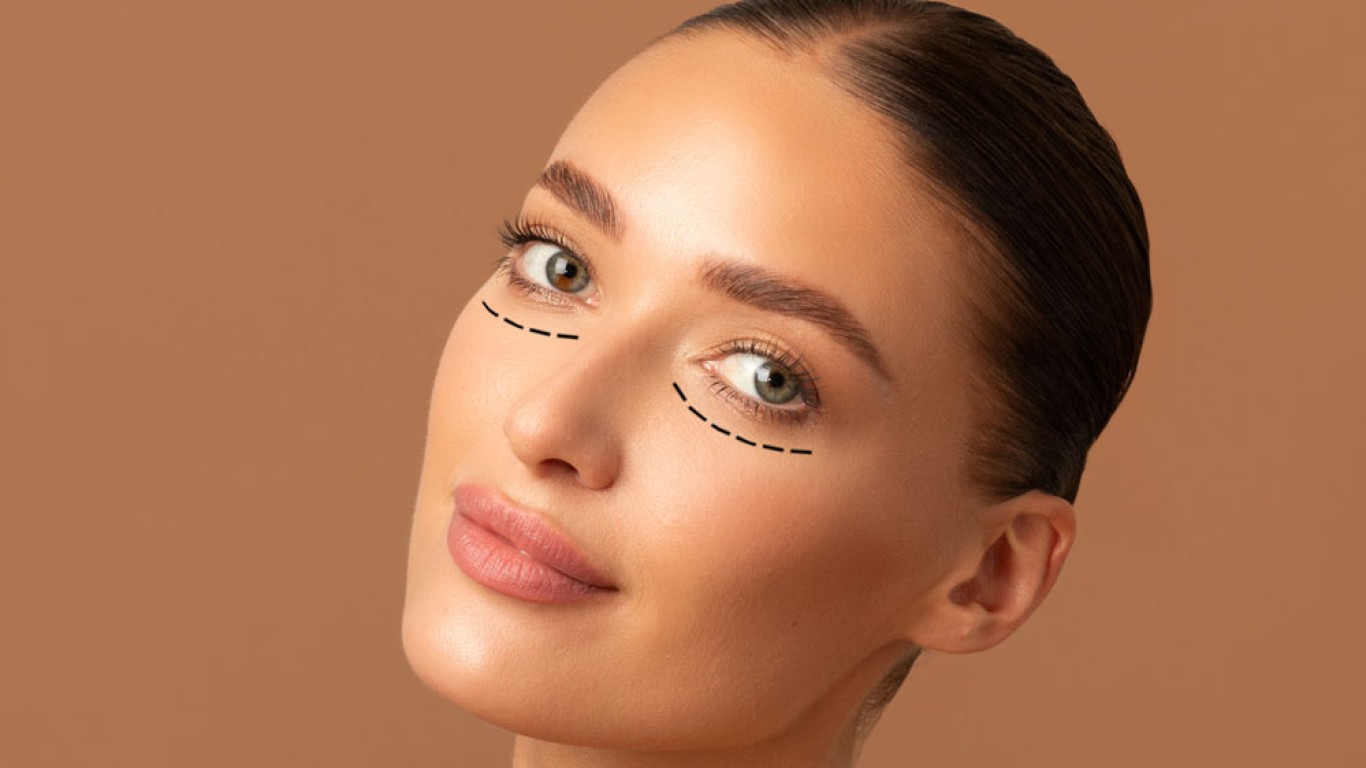
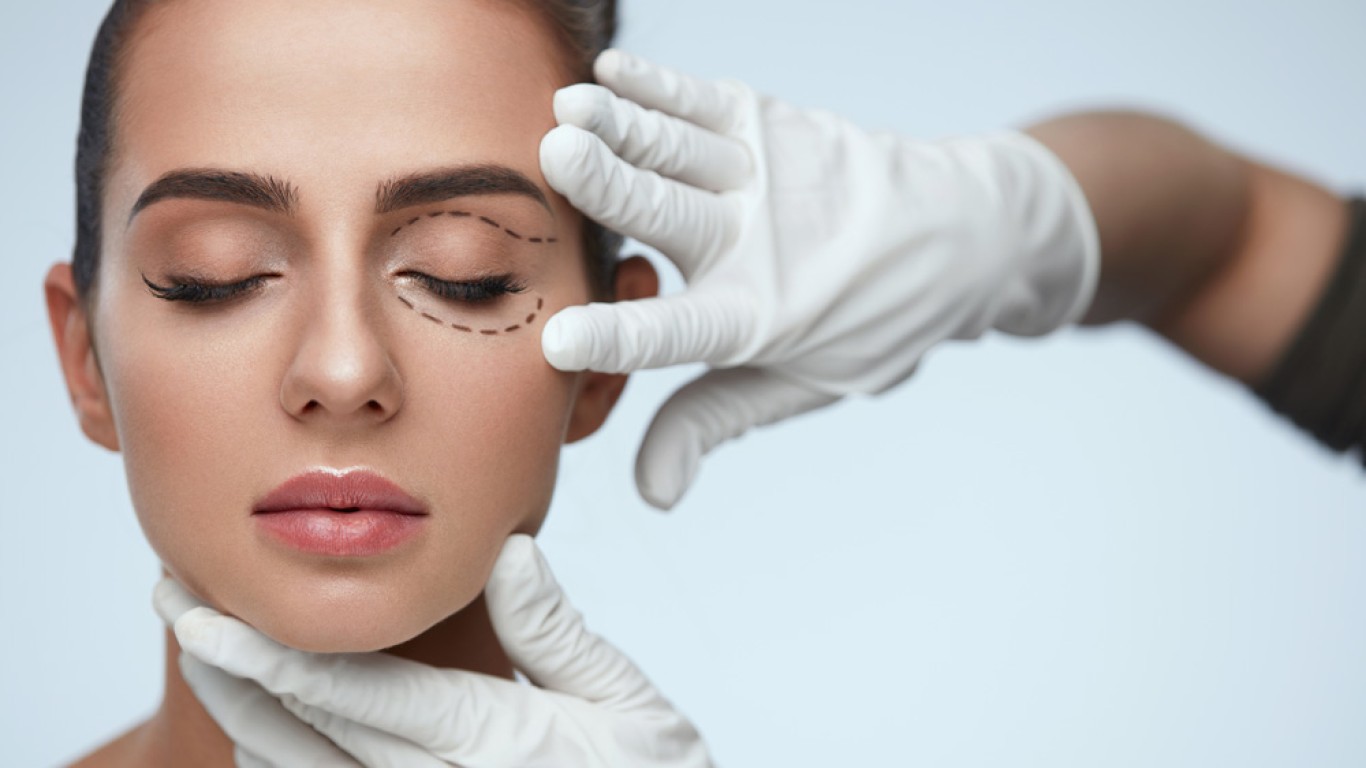
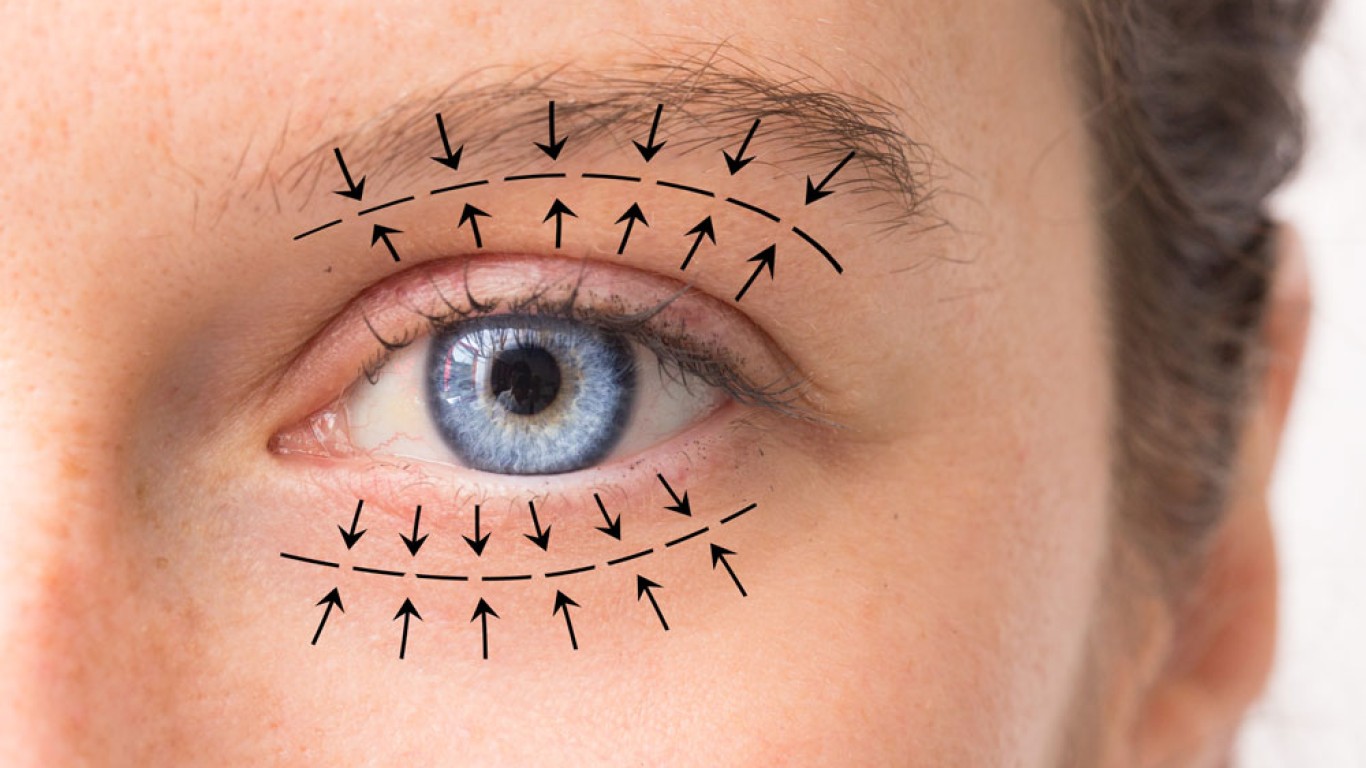
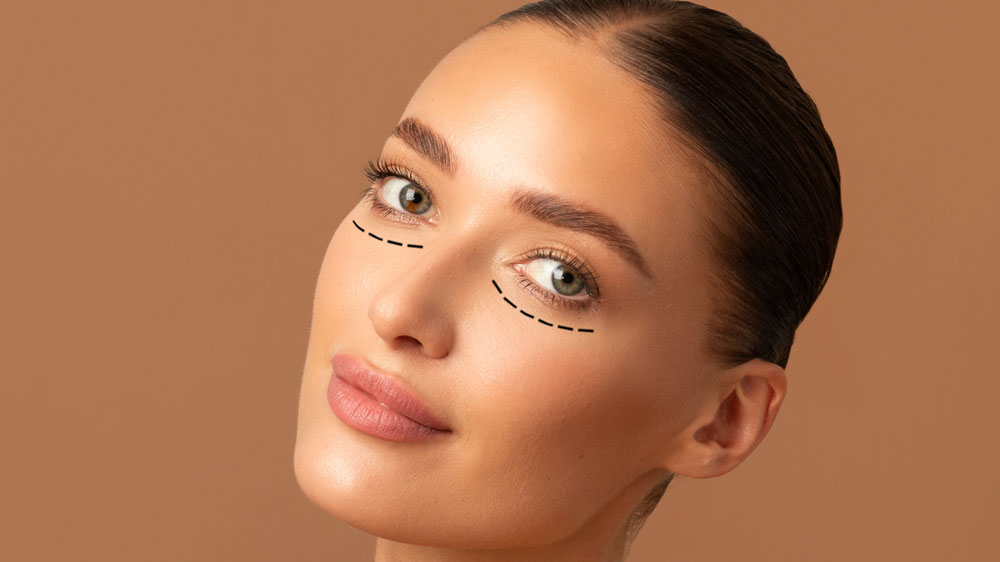
Eyelid surgery is a procedure called blepharoplasty. It removes excess skin from the upper eyelids. The surgeon makes an incision within the natural crease. Surplus skin and sometimes fat are removed. The incision is closed with fine sutures. Result is a permanent lift. The eyelid tape vs surgery comparison highlights this permanence. Blepharoplasty produces a lasting change to eyelid appearance. The procedure takes one to two hours. Local anaesthesia with sedation is standard. Most patients go home the same day. Recovery takes one to two weeks. Sutures are removed within five to seven days. Results are visible once swelling resolves.
Eyelid Tape vs Surgery: Results Compared
The results differ significantly between the two approaches.
| Feature | Eyelid Tape | Eyelid Surgery |
| Duration | Hours (single use) | Permanent |
| Cost | Low (ongoing) | Higher (one-time) |
| Downtime | None | One to two weeks |
| Natural appearance | Variable | Consistent |
| Addresses excess skin | Temporarily | Permanently |
Eyelid tape creates a visible lift while worn. The effect disappears when the tape is removed. Results vary with application technique. Some patients achieve a natural look. Others find the tape visible or uncomfortable. The eyelid tape vs surgery results comparison favours surgery for consistency. Blepharoplasty produces a natural, permanent crease. The result does not depend on daily application skill. Surgery addresses both skin excess and underlying tissue. Tape only addresses the surface appearance temporarily.
Eyelid Tape vs Surgery: Convenience
Convenience is a key factor in the eyelid tape vs surgery decision. Tape requires daily application. Each morning involves careful placement. The process takes five to ten minutes. Tape must be repositioned if it shifts. Makeup application over tape requires practice. Swimming and intense exercise may dislodge the tape. Eyelid tape vs surgery convenience clearly favours surgery long term. Blepharoplasty requires a single recovery period. After healing, no daily maintenance is needed. The result is present every morning without effort. Patients who have used tape for years often describe surgery as liberating. The daily routine is eliminated permanently.
Eyelid Tape vs Surgery: Skin Health Considerations
Long-term tape use can affect eyelid skin health. Daily adhesive application and removal stresses the skin. The eyelid skin is the thinnest on the body. Repeated tape use may cause irritation and redness. Contact dermatitis can develop from adhesive sensitivity. Stretching occurs when tape is removed carelessly. Eyelid tape vs surgery skin health considerations favour surgery. Blepharoplasty improves skin quality by removing excess tissue. No ongoing adhesive contact is required. The healed eyelid is healthier than skin subjected to daily tape use. Patients with sensitive skin are particularly affected by prolonged tape use. Allergic reactions to adhesive compounds are not uncommon.
Eyelid Tape vs Surgery: Cost Over Time
The initial cost comparison favours tape. A pack of eyelid tape costs a few pounds. Surgery costs significantly more upfront. However, eyelid tape vs surgery cost analysis changes over time. Daily tape use accumulates costs over months and years. Premium tape products cost more per pack. Annual spending on tape can reach several hundred pounds. Blepharoplasty is a one-time investment. No ongoing product purchases are needed. Over a five to ten year period, surgery often costs less in total. Turkish clinics offer blepharoplasty at competitive pricing. All-inclusive packages cover surgery, aftercare and accommodation. The long-term value of surgery typically exceeds tape.
Who Suits Eyelid Tape?
Eyelid tape suits specific situations. Patients who want a temporary solution for special occasions benefit. Those exploring how a crease would look before committing to surgery use tape as a preview. Younger patients with mild hooding may prefer tape initially. Eyelid tape vs surgery suitability depends on the patient's goals and commitment level. Tape suits patients who are not ready for surgery. It provides a reversible, non-invasive option. Those who prefer to avoid medical procedures entirely may use tape long term. However, patients with significant skin excess find tape insufficient. Heavy hooding requires surgical correction for meaningful improvement.
Who Suits Eyelid Surgery?
Eyelid surgery suits patients wanting permanent correction. Those tired of daily tape application benefit most from the switch. Patients with significant upper eyelid hooding that affects appearance or vision are strong candidates. Adults in good general health are suitable. Non-smokers heal more predictably. Eyelid tape vs surgery candidacy assessment should involve professional consultation. The surgeon evaluates skin excess, muscle position and fat distribution. Patients with realistic expectations achieve the highest satisfaction. Surgery suits those committed to a one-time solution. The permanence eliminates ongoing effort and cost. Most patients describe blepharoplasty as a worthwhile investment. Patients seeking long-term convenience often find surgery more practical than temporary alternatives.
When Eyelid Tape Is No Longer Enough
Age is another consideration in the eyelid tape vs surgery decision. Younger patients with mild hooding may manage well with tape for several years. The skin excess is minimal and tape provides adequate lift. However, hooding typically worsens with age. Skin elasticity decreases and the eyelid tissue descends further. Tape becomes less effective as the excess skin increases. At a certain point, surgery becomes the more practical solution. The eyelid tape vs surgery transition often happens naturally as patients recognise the limitations of tape over time. Many blepharoplasty patients describe using tape for years before deciding that surgery was the better long-term option.
Patients who undergo eyelid surgery frequently describe the result as one of the most satisfying cosmetic procedures available. The eyes are the focal point of the face. A refreshed, open eye area has a disproportionate impact on overall facial appearance. Colleagues and friends notice the patient looks more rested and alert. The improvement is visible but rarely looks obviously surgical. This natural quality makes blepharoplasty one of the most popular facial procedures worldwide. The eyelid tape vs surgery comparison consistently favours surgery for patients seeking lasting, natural rejuvenation with minimal ongoing effort required.
Eyelid Surgery in Turkey
Turkey offers blepharoplasty at competitive pricing. Upper eyelid surgery typically costs £1500 - £2300 all-inclusive. UK pricing ranges from two thousand five hundred to five thousand pounds. Turkish packages include consultation, surgery, accommodation and aftercare. Experienced oculoplastic and cosmetic surgeons perform the procedure at accredited facilities. JCI-accredited hospitals meet international standards. The eyelid tape vs surgery decision often tips toward surgery when Turkish pricing makes it more accessible. Recovery takes one to two weeks. Most patients travel home within five to seven days. Remote follow-up monitors healing after departure. Many clinics provide English-speaking coordinators who support patients throughout the treatment journey. This makes planning and communication straightforward for international visitors.
Conclusion
The eyelid tape vs surgery comparison presents two fundamentally different approaches. Tape offers temporary, daily lifting. Surgery provides permanent correction. Tape is affordable short term but accumulates cost over years. Surgery involves higher upfront investment but eliminates ongoing expense. Eyelid tape vs surgery convenience strongly favours blepharoplasty long term. Skin health considerations also support surgery over prolonged tape use. Professional consultation determines which approach suits individual needs. Turkey offers eyelid surgery at competitive pricing with experienced surgeons and modern facilities. Many patients ultimately prefer the predictability and permanence that surgery provides. Long-term satisfaction rates remain consistently high among suitable candidates.
For more information eyelid procedures and to book a consultation visit the ACIBADEM Beauty Center Aesthetics page.
Frequently Asked Questions
It suits temporary use. Surgery is better for permanent correction.
Results are permanent. The removed skin does not grow back.
Long-term daily use can cause irritation and stretching.
Typically £1500 - £2300 all-inclusive.
Most patients return to normal activities within one to two weeks.