Ataşehir Mah. Feza Sk. No:3 İstanbul / Türkiye
 French
  English
  German
  Spanish
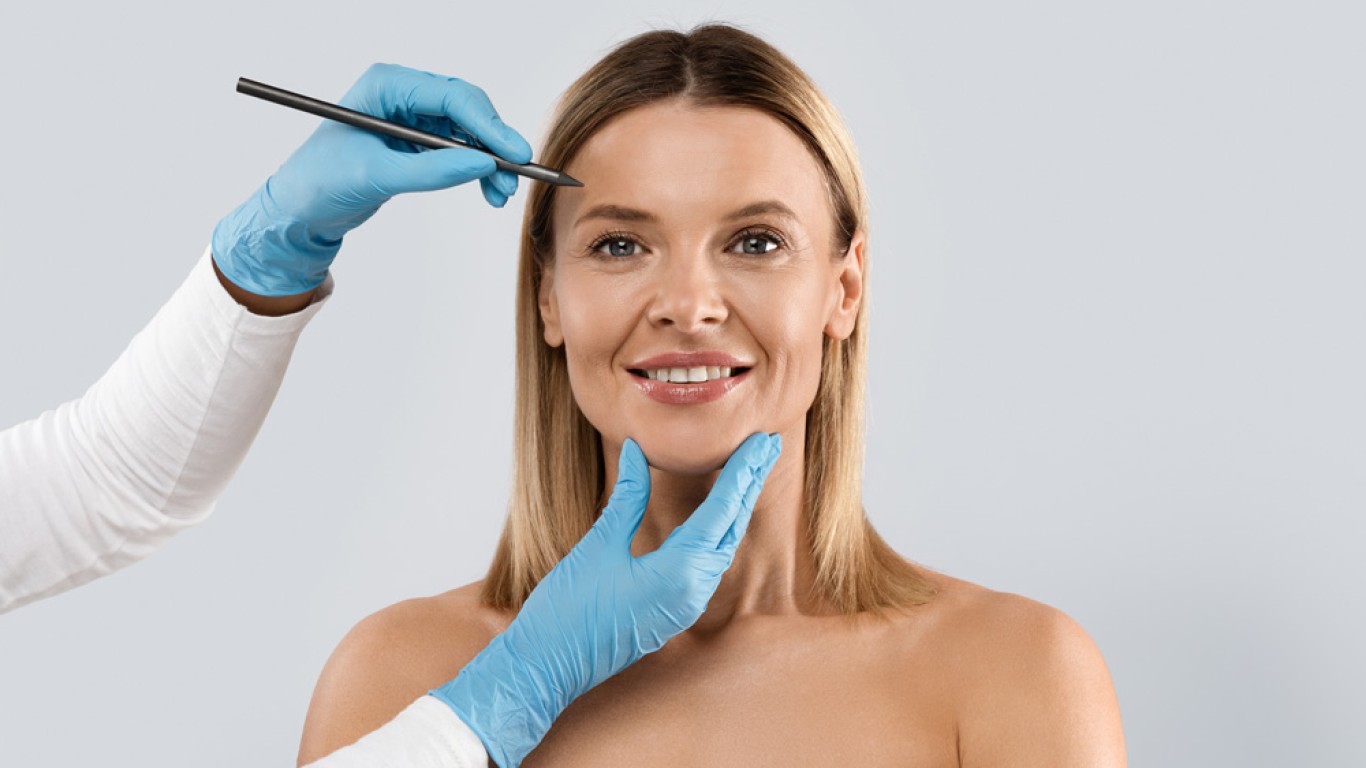
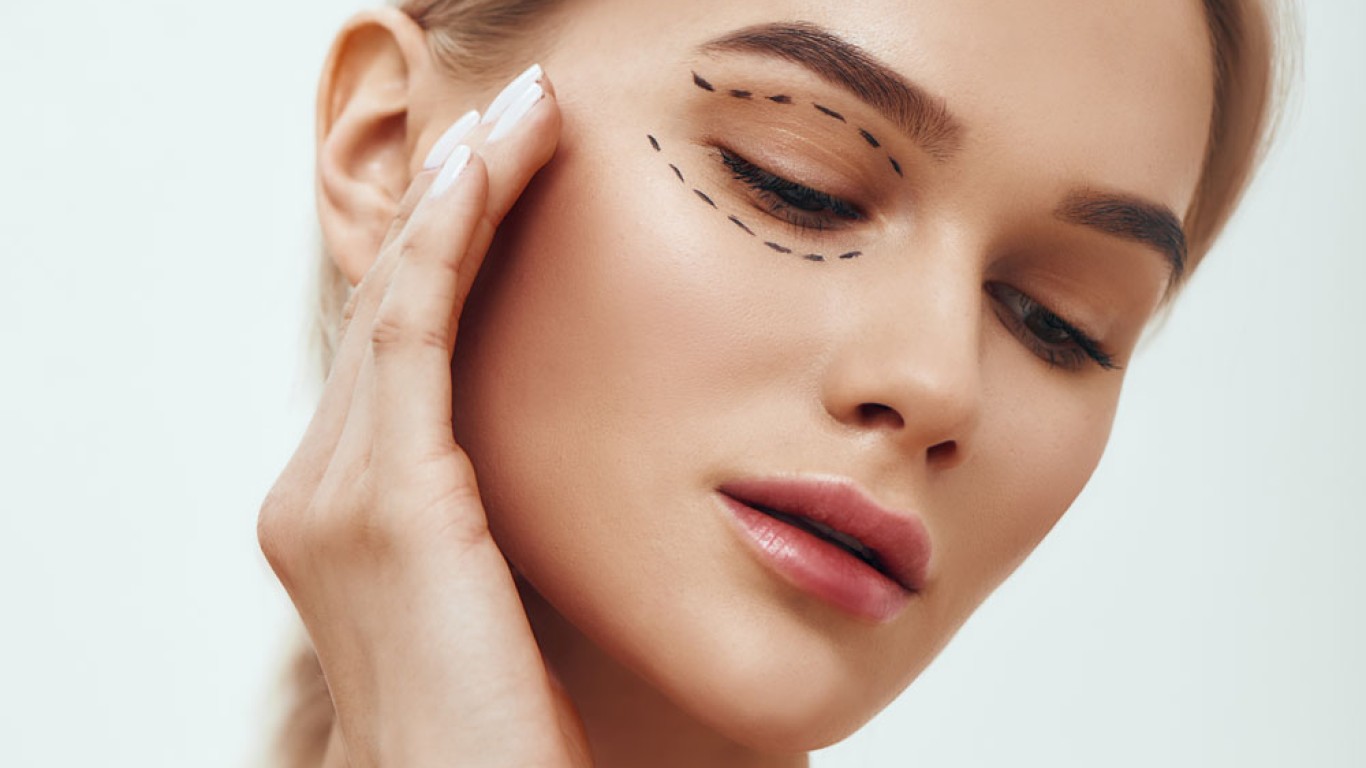
Forehead lines are often the first visible signs of facial ageing and can appear earlier than expected. Many consider botox for forehead wrinkles to soften these lines effectively without changing their identity. However, a common concern is looking frozen or expressionless after treatment. Modern aesthetic techniques focus on balance rather than complete muscle restriction. The goal is natural smoothing while maintaining facial movement and character. Understanding how treatment works helps patients feel more confident and informed before proceeding.
What Causes Forehead Lines to Form?
Forehead wrinkles develop from repeated muscle contraction over time, particularly from raising the eyebrows. This repeated motion folds the skin in the same pattern for years. Initially, these lines disappear when the face relaxes. Gradually, collagen decline causes them to remain visible even at rest. Sun exposure, dehydration and lifestyle factors can accelerate this process significantly. Muscle overactivity combined with thinning skin deepens the folds and makes them more noticeable. Targeting muscle movement is therefore central to effective and controlled treatment.
How Botox for Forehead Wrinkles Works on Forehead Muscles
Botox for wrinkles works by relaxing specific muscles temporarily without affecting surrounding structures. It blocks signals between nerves and the targeted muscle fibres. As contraction reduces, the overlying skin begins to smooth gradually over several days. This does not remove expression completely or prevent natural reactions. Instead, it softens excessive movement that creates deep creasing. Careful placement allows the forehead to remain expressive but less strained, creating a refreshed appearance.
Why Modern Techniques Avoid the “Frozen” Look
Early misconceptions about treatment often relate to overcorrection or excessive dosing. When too much product is used, muscle movement may reduce dramatically. Today, practitioners use smaller, strategically placed doses for more subtle results. Botox for forehead wrinkles is customised based on muscle strength, age and facial structure. Conservative treatment preserves natural eyebrow movement and emotional expression. The result appears rested rather than restricted. Subtle adjustment ensures balanced facial dynamics and natural communication.
Personalised Dosage and Placement
Every forehead differs in muscle thickness, strength and symmetry. Some patients have stronger frontalis muscles that require slightly higher dosing. Others need minimal relaxation for visible improvement. Botox for wrinkles must be placed precisely to maintain symmetry and balance. Overly low placement can affect brow position and facial harmony. Detailed assessment ensures harmonious results without heaviness. Precision technique prevents disruption of surrounding muscle groups.
How Long Botox for Forehead Wrinkles Results Typically Last
Results usually begin appearing within several days as muscle activity gradually decreases. Full smoothing often develops within two weeks after injection. Forehead wrinkle botox typically lasts between three and four months depending on metabolism. Muscle activity gradually returns as nerve signals regenerate naturally. Regular maintenance sessions help prevent lines from deepening again over time. Consistent treatment may also reduce muscle strength gradually, leading to softer future lines.

Combining Botox for Forehead Wrinkles With Other Treatments
In some cases, static lines remain visible even when muscles are relaxed. Botox for forehead wrinkles may be combined with dermal fillers for deeper creases. Skin resurfacing treatments can improve surface texture and stimulate collagen production. Combination strategies address both muscle activity and structural skin changes. This approach supports comprehensive refinement rather than isolated correction. Balanced treatment plans often create more natural and long lasting improvement.
Maintaining Natural Brow Position
A key aspect of natural results is preserving appropriate brow balance and position. Over relaxation can cause unwanted heaviness or asymmetry. Skilled practitioners evaluate how the forehead interacts with surrounding muscles, including those that elevate the brows. Forehead wrinkle botox is adjusted carefully to avoid downward pressure. Proper technique ensures lift remains proportionate and subtle. Preserving facial harmony is essential for believable outcomes.
Lifestyle Habits That Support Botox for Forehead Wrinkles
Healthy lifestyle habits enhance treatment longevity and overall skin quality. Sun protection prevents accelerated collagen breakdown and premature ageing. Hydration and balanced nutrition support skin resilience and elasticity. Managing stress may reduce repetitive muscle tension in the forehead. While botox for forehead wrinkles relaxes movement temporarily, supportive habits extend visible smoothness. Combining professional treatment with healthy routines supports sustained improvement.
Why Many Patients Choose Turkey for Injectable Treatments
Turkey offers experienced aesthetic practitioners and structured consultation processes. Clinics focus on personalised planning rather than standardised dosing approaches. Forehead wrinkle botox is tailored carefully to individual anatomy and expression patterns. Patients value balanced outcomes that maintain natural movement. Professional assessment ensures subtle, proportionate enhancement aligned with facial structure.
Understanding Dynamic Versus Static Lines
Not all forehead wrinkles behave in the same way. Dynamic lines appear only during facial movement, such as raising the eyebrows. Static lines remain visible even when the face is relaxed. Botox for forehead wrinkles primarily targets dynamic lines by reducing muscle activity. When dynamic movement decreases, static lines often soften gradually as well. However, deeply etched static creases may require additional support. Distinguishing between these two types is essential for selecting the most appropriate treatment plan.
The Role of the Frontalis Muscle
The frontalis muscle is responsible for lifting the eyebrows and creating horizontal forehead lines. It works continuously during facial expression, especially in individuals who are expressive. Botox for forehead wrinkles focuses specifically on moderating the strength of this muscle. The aim is not to eliminate its function entirely. Instead, controlled relaxation reduces excessive folding of the skin. Understanding this anatomy explains why precision placement is critical for natural results.
Balancing the Upper Face Muscles
The forehead does not function in isolation. It interacts with muscles between the eyebrows and around the eyes. If only the frontalis muscle is treated without considering surrounding structures, imbalance may occur. Botox for forehead wrinkles must be coordinated with adjacent muscle groups. This ensures that eyebrow height and facial symmetry remain harmonious. Proper balance prevents unintended heaviness or exaggerated arching. Coordinated treatment supports overall facial proportion.
Gradual Botox for Forehead Wrinkles Rather Than Sudden Change
Modern aesthetic philosophy prioritises subtle, gradual refinement. Many patients prefer incremental improvement rather than dramatic transformation. Forehead wrinkle botox can be administered conservatively during the first session. This allows adjustment in future visits if necessary. Gradual smoothing helps maintain confidence during the transition. Friends and colleagues may notice a refreshed appearance without identifying treatment. Subtle progression often feels more natural and reassuring.
The Psychological Impact of Forehead Lines
Forehead wrinkles can influence how others perceive facial expression. Deep horizontal lines may create an impression of stress or fatigue. Some individuals feel that their external appearance does not reflect how they feel internally. Botox for forehead wrinkles can soften these visual cues gently. Improving surface smoothness often enhances self confidence and social comfort. The objective is alignment between appearance and expression rather than dramatic alteration.
Age Considerations in Treatment Planning
Treatment strategies may vary depending on age and skin condition. Younger patients often seek preventative smoothing to avoid deeper creases. In these cases, lighter dosing may be sufficient. Botox for forehead wrinkles in mature patients may require adjusted technique due to skin thinning. Age related collagen decline influences how lines respond. Personalised assessment ensures results appear appropriate for each life stage. Balanced planning avoids overcorrection at any age.
Maintaining Natural Facial Communication
Facial expression is central to communication and emotional connection. A completely immobile forehead can appear unnatural. Botox for forehead wrinkles is designed to reduce excessive contraction while preserving expressive ability. Patients should still be able to raise their eyebrows and show emotion naturally. Skilled practitioners understand the importance of subtle movement. Maintaining communication through facial cues is essential for authentic results.
Botox for Forehead Wrinkles Frequency and Long Term Strategy
Consistency plays a role in maintaining smoothness. Most patients repeat treatment several times per year. Forehead wrinkle botox gradually trains muscles to contract less forcefully. Over time, some individuals may require slightly lower doses. Long term strategy focuses on maintenance rather than escalation. Structured follow up allows refinement of dosage as muscle strength changes. Predictable scheduling supports stable and natural outcomes.
Conclusion
Botox for forehead wrinkles provides effective smoothing without freezing facial expression when performed correctly. By relaxing targeted muscles carefully, lines soften while movement remains natural and authentic. Modern techniques prioritise conservative dosing and precise placement. When administered by experienced professionals, results appear refreshed and balanced rather than artificial. With proper planning, maintenance and supportive lifestyle habits, patients can achieve smoother foreheads while preserving genuine expression.
For more information and to book a consultation visit the ACIBADEM Beauty Center Botox webpage.
Frequently Asked Questions
No, when administered properly it preserves natural movement.
Most patients notice improvement within several days.
Correct placement prevents unwanted brow heaviness.
Typically every three to four months.
Yes, consistent treatment may slow line progression.