Ataşehir Mah. Feza Sk. No:3 İstanbul / Türkiye
 English

Introduction
Chemical peels are one of the most established treatments for improving skin tone and texture. They use a controlled acid solution to remove damaged outer layers of skin. As the skin renews, it often looks smoother, brighter and more even. A common question is how many chemical peels sessions are needed to see a visible change. The answer depends mainly on the depth of the peel and the concern being treated. Light peels usually need a course, while deeper peels may need only one session. This guide explains typical session numbers for different peels and skin concerns. It also covers the timing between treatments, recovery and longer-term maintenance.
What Is a Chemical Peel?
A chemical peel is a treatment in which an acid solution is applied to the skin. The solution loosens and removes dead or damaged cells from the surface. This encourages the growth of new skin and can stimulate collagen production. Peels are generally grouped into three main depths, depending on how far they reach. Light peels work on the outermost layer of skin. Medium peels reach slightly deeper into the upper part of the dermis. Deep peels penetrate further and produce the most dramatic change. Common ingredients include glycolic acid, lactic acid, salicylic acid and trichloroacetic acid. The practitioner chooses the acid and strength based on your skin type and goals. Stronger solutions reach deeper layers, which usually means fewer sessions but a longer recovery. Gentler solutions work more gradually and allow most patients to continue their normal routine.
How Many Chemical Peels by Peel Depth?
The depth of the peel is the biggest factor in how many chemical peels you will need. Gentler peels work gradually, so they are repeated more often.
| Peel Depth | Typical Sessions | Interval | Typical Downtime |
| Light peel | 4 to 6 | 2 to 4 weeks | 0 to 3 days |
| Medium peel | 1 to 3 | 3 to 6 months | 5 to 10 days |
| Deep peel | Usually 1 | Not usually repeated | 2 to 3 weeks or longer |
These figures are general guides rather than fixed rules for every patient. Your practitioner will tailor the plan to your skin and how it responds. Some patients reach their goals sooner, while others need a few extra sessions to see clear change. Deep peels are less commonly performed today, as fractional lasers offer alternatives with more predictable healing. They also require careful medical supervision and are not suitable for every skin type.
How Many Chemical Peels for Acne and Acne Scars?
For active acne, a course of light salicylic acid peels is often recommended. Most plans involve four to six sessions spaced two to four weeks apart. Salicylic acid can help to unclog pores and reduce oil on the skin's surface. Acne scars usually need a different approach from active breakouts. Light peels can soften shallow marks and improve texture over a longer course. Medium peels may be used for more noticeable scarring, often with one to three sessions. Deeper or pitted scars often need additional treatments, such as microneedling or laser resurfacing. A practitioner can assess your scars and suggest the most suitable combination.

How Many Chemical Peels for Pigmentation?
Pigmentation includes sun spots, melasma and dark marks left after inflammation. These concerns often respond well to a course of light or light to medium peels. Most treatment plans involve four to eight sessions spaced around two to four weeks apart. Results build gradually as pigmented cells are shed with each treatment. Melasma can be particularly persistent and may return after treatment. Sun exposure, hormonal changes and heat can all trigger it again. For this reason, daily sun protection and suitable skincare are essential between sessions. Patients with darker skin tones need careful peel selection to reduce the risk of new pigmentation. Gentler acids, such as lactic or mandelic acid, are often preferred for these skin types. A patch test may also be carried out before the first full treatment.
How Many Chemical Peels for Fine Lines and Ageing Skin?
Light peels can improve the look of fine lines, dullness and rough texture. A course of four to six sessions is common for general rejuvenation. For more established lines and sun damage, a medium peel may give stronger results. This is often performed once, with a second treatment several months later if needed. Peels are less effective for deep wrinkles or sagging skin. In these cases, a practitioner may discuss laser resurfacing, injectables or other treatments instead.
Factors That Affect How Many Chemical Peels You Need
Several factors influence how many sessions are needed to reach your goals. These include the following:
- The type, depth and severity of the concern being treated
- Your skin type, tone and sensitivity
- The strength and type of acid used by the practitioner
- How consistently you use sun protection and recommended skincare
- Lifestyle factors, such as smoking and regular sun exposure
Some patients also prepare their skin with specific products for a few weeks before treatment. This can help the peel work more evenly and may reduce the risk of side effects.
What Happens During and After a Peel?
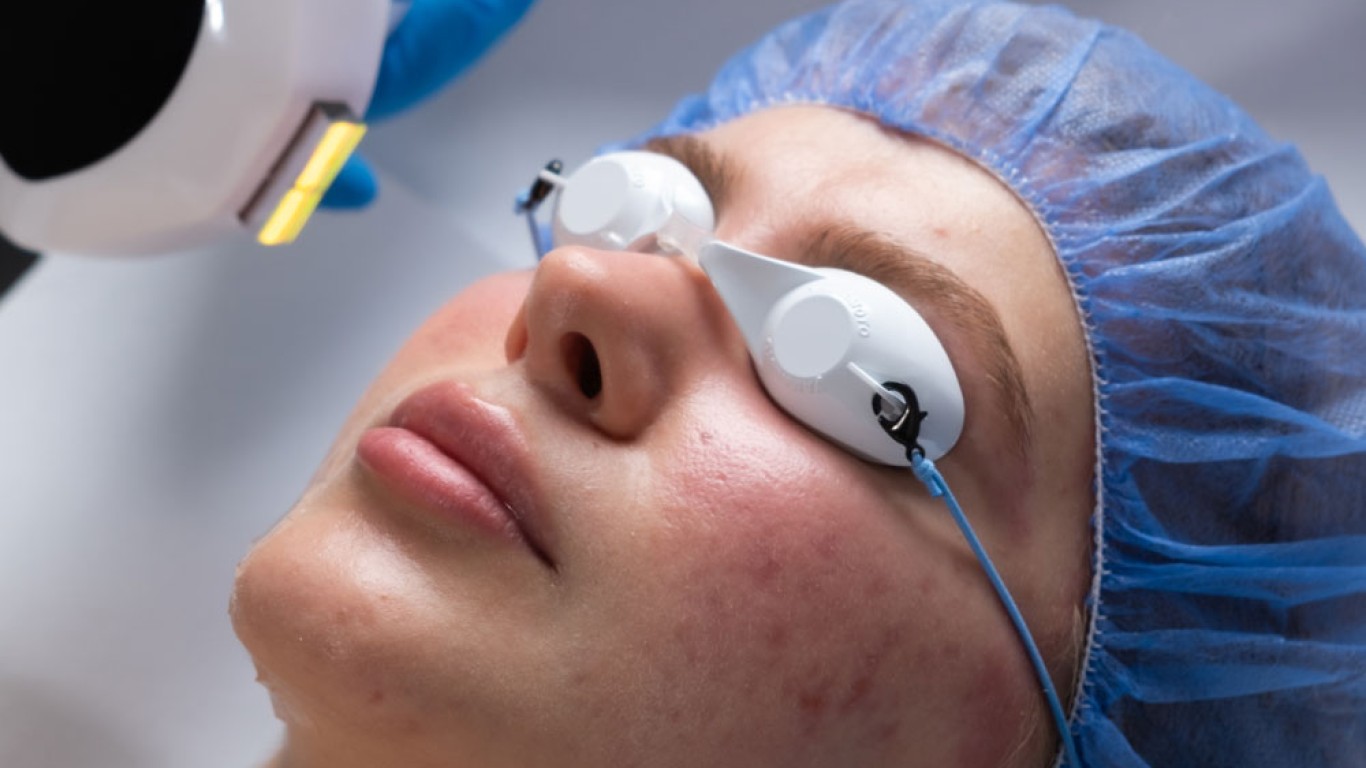
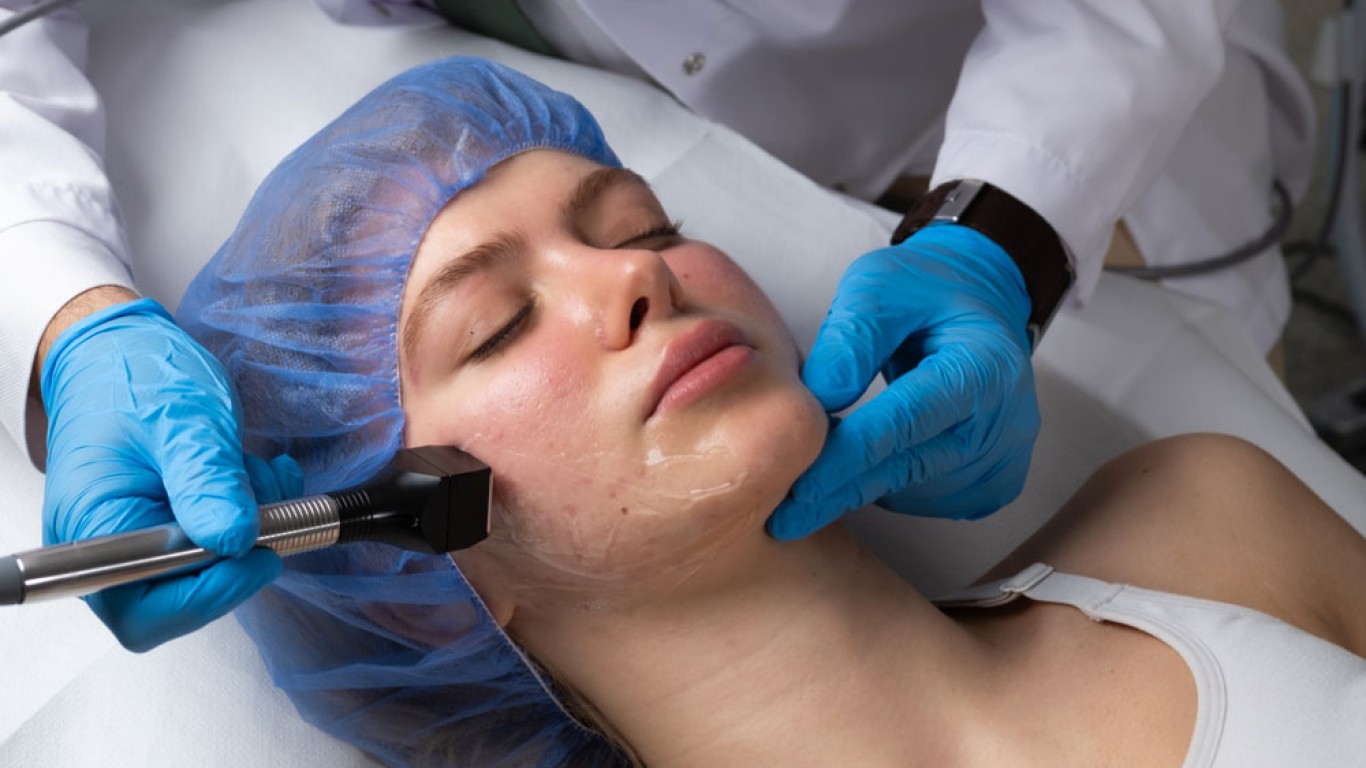
Before a peel, the skin is cleansed thoroughly to remove oil and make-up. The acid solution is then applied and left on the skin for a set time. Most patients feel tingling, warmth or stinging during this stage. The solution is then neutralised or removed, depending on the type of peel. A soothing product and a broad-spectrum sunscreen are usually applied afterwards. After a light peel, the skin may look pink and feel slightly tight for a day or two. Mild flaking may follow over the next few days as old cells shed. After a medium peel, the skin often darkens and peels over about one week. It is important not to pick or pull at peeling skin. Doing so can increase the risk of infection, scarring and pigment changes.
Conclusion
How many chemical peels you need depends on the peel depth and your skin concern. Light peels usually need four to six sessions, while medium peels may need one to three. Deep peels are usually performed only once. Maintenance treatments then help to sustain results over time. A professional assessment is the best way to build a plan that suits your skin.
Explore how many chemical peels at ACIBADEM Beauty Center to learn more about chemical peels and related options.
Frequently Asked Questions
One light peel can brighten the skin, but results are usually modest. Most concerns need a course of treatments for lasting improvement. A single medium or deep peel may be enough for some patients.
Light peels are usually repeated every two to four weeks during a course. Medium peels are generally spaced several months apart to allow full healing. Your practitioner will advise on safe intervals for your skin.
Most patients feel tingling, warmth or mild stinging during a light peel. Medium and deep peels can be more uncomfortable, so pain relief may be offered. Any discomfort usually settles soon after the solution has been neutralised or removed.
Many light and some medium peels can be used safely on darker skin. However, the risk of pigment changes is higher with stronger peels. An experienced practitioner will select the most suitable acid and strength.
Results from a light peel course can last for several months with good skincare. Medium peel results often last longer, sometimes for a year or more. Sun protection plays a major role in how long results last.