Ataşehir Mah. Feza Sk. No:3 İstanbul / Türkiye
 English
Introduction
The skin beneath the eyes is thin and often one of the first areas to show ageing. Fine lines, crepey texture and dark pigmentation can make the eyes look tired. Under eye laser treatment is a popular way to improve these concerns without surgery. Many patients want to know how many sessions they will need before they see a result. The answer depends on the type of laser, the concern being treated and how the skin responds. This guide explains typical session numbers, timing between treatments and what results to expect.
What Is Under Eye Laser Treatment?
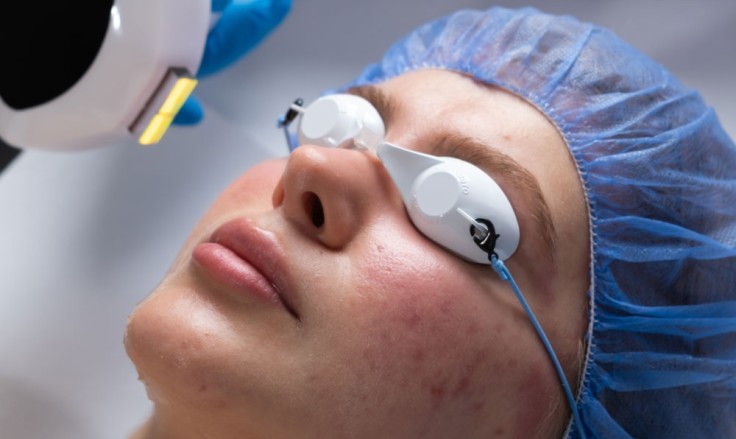
Under eye laser treatment uses focused light energy to improve the skin beneath the eyes. It can target fine lines, loose skin, uneven texture and pigmentation. The laser creates controlled heat or tiny areas of injury within the skin. This prompts the body to repair the area and produce new collagen over the following months. Specialist eye shields are always used to protect the eyes during treatment. A numbing cream is usually applied beforehand to keep the procedure comfortable. Most sessions take around twenty to forty minutes, depending on the laser and the area treated. Patients can usually go home straight after treatment, although driving may be uncomfortable if the eyes feel sore. The practitioner adjusts settings, as the skin in this area is much thinner than elsewhere.
Types of Laser Used Beneath the Eyes
Several types of laser are used here, and each needs a different number of sessions. The choice depends on the main concern and the patient's skin type. Common types include the following:
- Non-ablative fractional lasers, which heat deeper layers while leaving the surface intact
- Fractional ablative lasers, such as carbon dioxide lasers, which treat tiny columns of skin
- Pigment lasers, which target excess brown pigment in the skin
- Vascular lasers, which target visible blood vessels that create a blue tone
Gentler lasers usually need more sessions, while stronger lasers often need fewer.
Under Eye Laser Treatment: Sessions by Laser Type
The type of laser has the greatest effect on how many sessions are needed. The table below shows typical ranges for each type.
| Laser Type | Typical Sessions | Interval | Typical Downtime |
| Non-ablative fractional | 3 to 5 | 4 to 6 weeks | 1 to 3 days |
| Fractional ablative | 1 to 2 | 3 to 6 months | 5 to 10 days |
| Pigment laser | 3 to 6 | 4 to 8 weeks | 1 to 3 days |
| Vascular laser | 2 to 4 | 4 to 6 weeks | 1 to 3 days |
These figures are general guides only, and your practitioner will tailor the plan to your skin.
Under Eye Laser Treatment for Fine Lines and Crepey Skin
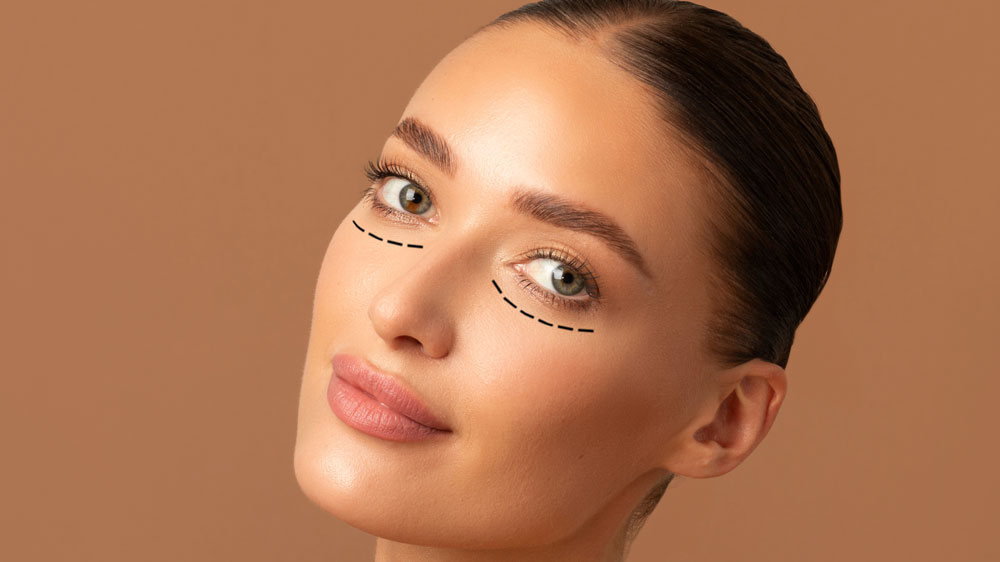
Fine lines and crepey texture are among the most common reasons for treatment. Both respond well to lasers that stimulate new collagen beneath the surface. Non-ablative fractional lasers usually need a course of three to five sessions. Results build gradually as collagen forms between treatments. Many patients notice smoother texture after the second or third session. Fractional ablative lasers can give a stronger result in one or two sessions. However, they involve more downtime, with peeling and redness for around one week. Deeper wrinkles or significant loose skin may respond better to other treatments, such as eyelid surgery.
Under Eye Laser Treatment for Pigmentation
Brown pigmentation beneath the eyes is common, especially in medium and darker skin tones. Pigment lasers break down excess pigment so the body can clear it gradually. Most patients need three to six sessions spaced four to eight weeks apart. Results build slowly as pigment fades with each treatment. Pigmentation can return without daily sun protection, so maintenance is often needed. Patients with darker skin tones need careful laser selection to avoid new dark patches. A test patch may be offered before the full course begins to check how the skin responds.
Under Eye Laser Treatment for Visible Blood Vessels
Thin skin can let small blood vessels show through, creating a blue or purple tone. Vascular lasers target these vessels and can reduce their visibility over time. Most patients need two to four sessions spaced around four to six weeks apart. Collagen-building treatments may also help by thickening the skin over the vessels.
Why Sessions Are Spaced Apart
Collagen takes several weeks to form after each laser session. Spacing sessions apart allows the skin to heal and respond before the next treatment. Having sessions too close together does not usually speed up results. It can also increase irritation and the risk of side effects in this delicate area. Most practitioners recommend four to six weeks between non-ablative sessions. Ablative treatments are usually spaced several months apart, if repeated at all.
Factors That Affect How Many Sessions You Need
Several factors influence how many sessions a patient will need to reach their goals. Understanding them helps to set realistic expectations from the start. Factors that affect session numbers include the following:
- The type and severity of the concern being treated
- Skin type and tone, which affect which lasers can be used safely
- Age and skin quality at the start of treatment
- Sun exposure and the use of sunscreen between sessions
- Smoking and other lifestyle factors that affect healing
Combining lasers with other treatments may also change the number of sessions needed. For example, adding skin boosters or filler may reduce the number of laser sessions required for some patients.
Conclusion
The number of under eye laser treatment sessions depends on the laser type and the concern being treated. Non-ablative lasers usually need three to five sessions, while ablative lasers often need one or two. Pigmentation may need three to six sessions, and maintenance helps to keep results steady. Choosing the right under eye laser treatment also depends on skin type, age and the desired improvement. Some patients notice changes after their first session, while others need a full course. Consistent aftercare and daily sun protection help maintain the results. Combining suitable skincare with professional treatments can further support smoother, brighter-looking skin. A professional assessment is the best way to plan the right course for your skin.
Explore skin treatments at ACIBADEM Beauty Center to learn more about under eye laser treatment.
Frequently Asked Questions
One session of a stronger ablative laser can give a noticeable result for some patients. Gentler lasers usually need a course of three to five sessions. Your practitioner will advise on the right plan.
Laser treatment beneath the eyes is considered safe when performed by a trained practitioner. Protective eye shields are always used during treatment. Settings are adjusted for the thin skin in this area.
Redness after non-ablative lasers usually settles within one to three days. After ablative lasers, pinkness can last around one week or longer. Sun protection helps the skin recover evenly.
Laser can lighten pigmentation and reduce visible vessels beneath the eyes. It cannot correct shadows caused by hollowing. Filler may suit hollowing better.
Some lasers can be used safely on darker skin with careful settings. Others carry a higher risk of pigment changes. An experienced practitioner will choose the most suitable option.