Ataşehir Mah. Feza Sk. No:3 İstanbul / Türkiye
 French
  English
  German
  Spanish
Introduction
Forehead wrinkles are among the earliest visible signs of facial ageing and often become noticeable in the thirties or forties. They develop gradually and may deepen with time if left untreated. They are a natural part of ageing. Yet, many people seek ways to soften them without losing natural expression. Forehead wrinkles can affect how rested or youthful the face appears, especially in bright lighting. Understanding their causes helps determine the most effective treatment options. Modern aesthetic medicine offers both non surgical and surgical solutions. These are tailored carefully to individual needs and anatomy.
What Causes Forehead Wrinkles?
Wrinkles on the forehead develop primarily from repetitive muscle movement across the upper face. Raising the eyebrows, expressing surprise or concentrating creates horizontal lines over time. Initially these are dynamic lines that disappear at rest. As collagen and elastin decrease, the skin loses resilience and lines become visible without movement. Sun exposure accelerates skin thinning and collagen breakdown significantly. Dehydration, smoking and environmental stressors may also contribute to early line formation. Genetics influence how quickly forehead wrinkles appear and how deeply they form. Recognising these contributing factors supports a personalised and realistic treatment plan.
Preventing Forehead Wrinkles Early
Prevention remains one of the most effective long term strategies for smoother skin. Daily use of broad spectrum sun protection protects collagen integrity and reduces premature ageing. Consistent hydration supports skin elasticity and helps maintain surface smoothness. Gentle skincare routines that include antioxidants and retinoids may stimulate gradual collagen renewal. Avoiding excessive sun exposure and limiting smoking protects long term skin quality. Prevention cannot eliminate natural ageing. But it can noticeably slow the development and deepening of wrinkles on the forehead.
Topical Treatments and Skincare
Topical products can improve mild lines and support overall skin texture when used consistently. Retinol stimulates collagen production and promotes smoother cellular turnover. Hyaluronic acid enhances hydration, temporarily plumping the surface and reducing fine lines. Peptides and antioxidant serums may further support firmness over time. However, skincare primarily affects surface quality rather than deeper muscle activity. For more established wrinkles on the forehead, additional professional treatments may be required. Combining skincare with medical procedures often produces more comprehensive improvement.
Injectable Treatments for Forehead Wrinkles
Injectables are commonly used to treat dynamic forehead wrinkles caused by muscle movement. These treatments temporarily relax the specific muscles responsible for repeated folding. By reducing muscle contraction, the skin gradually appears smoother and less creased. Results typically become visible within several days and continue improving over two weeks. The forehead looks more relaxed while preserving natural facial expression when properly administered. Regular maintenance sessions help preserve improvement and prevent lines from deepening again.
Dermal Fillers for Deeper Forehead Wrinkles
For static wrinkles on the forehead that remain visible at rest, dermal fillers may provide structural support beneath the skin. Fillers restore subtle volume in areas where collagen loss has created visible indentation. This helps soften deeper creases that do not respond fully to muscle relaxation alone. Treatment requires careful technique due to the vascular anatomy of the forehead. When performed precisely, fillers can create smoother contour while maintaining balance and harmony. The goal is refinement rather than overcorrection.

Laser and Energy-Based Treatments
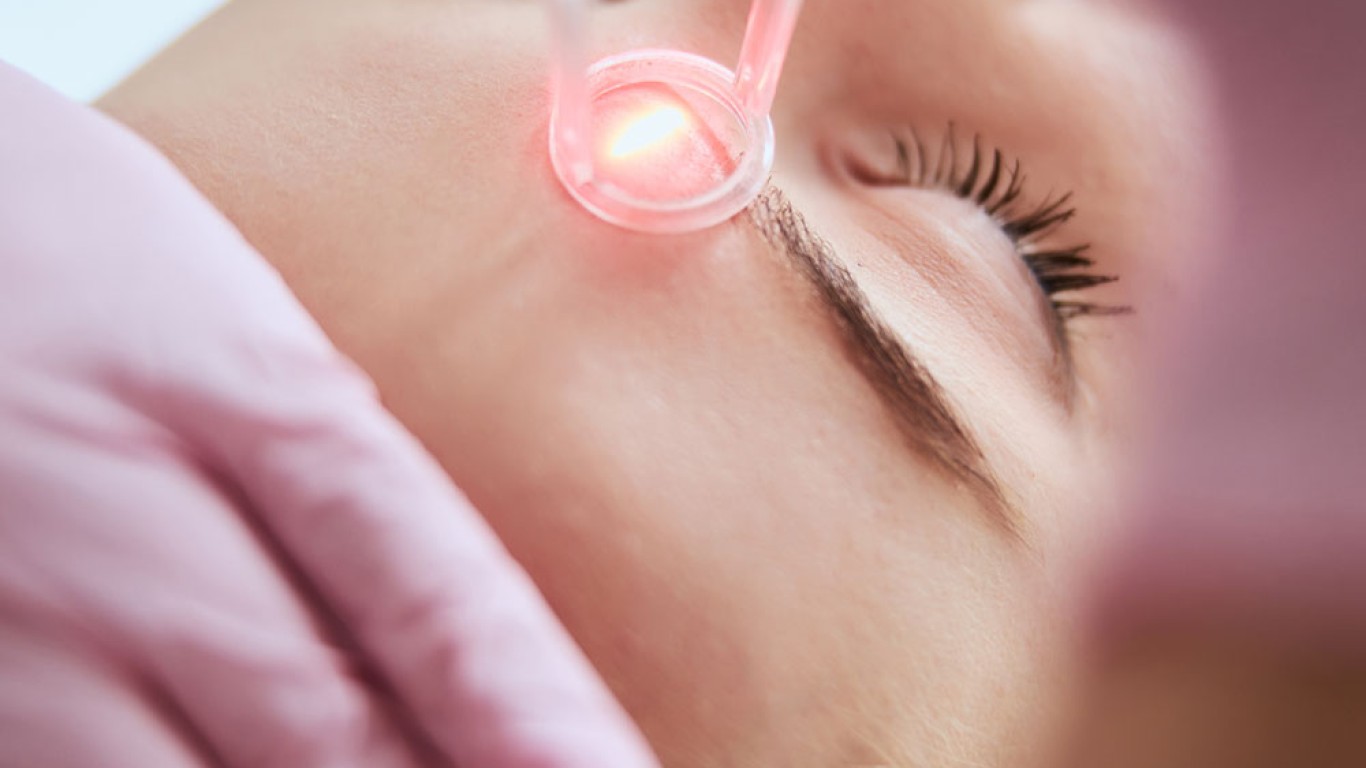
Laser resurfacing stimulates collagen renewal and improves overall skin texture gradually. These treatments target superficial irregularities and mild static lines effectively. Over several sessions, skin may appear smoother and more even. Radiofrequency devices also promote collagen production through controlled heat delivery. Gradual tightening may reduce visible wrinkles on the forehead while enhancing firmness. These options are suitable for patients seeking non injectable alternatives or combination treatment strategies.
Forehead Wrinkles and Brow Position
Sometimes forehead lines are related to brow descent rather than skin ageing alone. When brows drop, patients unconsciously lift their forehead muscles to compensate for heaviness. This repetitive action deepens horizontal lines across the upper face. In selected cases, brow lift procedures can address underlying structural positioning. By restoring brow height appropriately, muscle overuse decreases. This not only softens existing wrinkles but also reduces formation of new lines over time.
Lifestyle Factors That Influence Skin Quality
Hydration, sleep quality and balanced nutrition strongly influence skin resilience and repair capacity. Chronic stress may increase repetitive muscle tension in the forehead area. Adopting healthy routines supports long term skin smoothness and treatment longevity. Regular exercise improves circulation and oxygen delivery to the skin.
Why Many Patients Choose Turkey for Aesthetic Treatments
Turkey has become recognised for aesthetic procedures due to advanced facilities and experienced practitioners. Clinics provide personalised consultation to evaluate wrinkle depth and muscle activity carefully. Wrinkles on the forehead are assessed individually to determine the most suitable approach. Patients value structured treatment planning, modern technology and comprehensive follow-up care. Combining expertise with tailored strategy supports natural and proportionate outcomes.
How Facial Expressions Influence Line Depth
Facial expression plays a significant role in how forehead wrinkles develop and deepen. Individuals who frequently raise their eyebrows when speaking or reacting may notice earlier line formation. Over time, repeated folding of the skin reinforces creases within the same horizontal pattern. Even subtle habitual movements can gradually influence skin texture. Becoming aware of repetitive expressions can support preventative strategies. While it is not realistic to eliminate natural expression, reducing exaggerated movements may slow progression. Conscious muscle relaxation can complement medical treatments effectively.
The Role of Collagen Decline Over Time
Collagen production begins declining gradually after the mid twenties. This reduction affects overall skin thickness and resilience. As collagen decreases, the skin becomes less capable of returning to its original position after movement. Wrinkles on the forehead that were once temporary may remain visible even at rest. Environmental factors such as ultraviolet exposure accelerate this decline further. Supporting collagen health through sun protection and targeted skincare helps maintain structural integrity. Professional treatments that stimulate collagen may also enhance long term smoothness.
When Preventative Injectables May Help Forehead Wrinkles
Some patients choose early injectable treatments before lines become deeply etched. This approach is sometimes referred to as preventative care. By moderating muscle activity early, the skin experiences less repetitive stress. Forehead wrinkles may therefore form more slowly and remain softer. Preventative treatment does not freeze natural expression when performed conservatively. Instead, it reduces excessive contraction while preserving facial character. Early intervention can simplify long term maintenance and reduces need for more intensive correction later.
Combining Treatments for Comprehensive Results
Wrinkles on the forehead often respond best to combination approaches rather than single treatments. Muscle relaxation addresses dynamic movement, while skin resurfacing improves texture. Dermal support may soften deeper static creases where volume loss is present. Using multiple strategies allows tailored correction for individual anatomy. A personalised plan ensures balance between relaxation and structural support. Combination treatment can create smoother results without overreliance on one method. Comprehensive planning typically leads to more natural outcomes.
The Importance of Professional Assessment
Accurate assessment is essential before beginning any treatment plan. Not all forehead wrinkles are identical in origin or depth. Some lines result primarily from muscle activity, while others reflect skin thinning or brow position. Evaluating these differences guides appropriate intervention.
Seasonal Skin Changes and Wrinkle Appearance
Skin behaviour can vary with seasonal changes. Cold weather may increase dryness, making wrinkles on the forehead appear more pronounced. Dehydration can exaggerate fine lines temporarily. In contrast, warmer months may improve skin flexibility slightly due to increased humidity. Adjusting skincare according to seasonal conditions supports smoother texture.
Long Term Maintenance and Ageing Gracefully
Ageing cannot be stopped entirely, but it can be managed thoughtfully. Regular review of treatment plans ensures subtle adjustments over time. As collagen continues declining, treatment intervals may change. Forehead wrinkles can remain controlled with consistent maintenance rather than dramatic correction. Gradual refinement often appears more natural than sudden transformation.
Conclusion
Forehead wrinkles develop through a combination of muscle movement, collagen loss and environmental exposure. Early prevention and consistent skincare support smoother and more resilient skin. For more noticeable lines, injectables, fillers or energy-based treatments provide effective refinement. Selecting the appropriate method depends on wrinkle depth, muscle activity and facial structure. With professional guidance and tailored planning, wrinkles on the forehead can be softened while preserving natural expression and identity.
For more information and to book a consultation visit the ACIBADEM Beauty Center Skin Treatments webpage.
Frequently Asked Questions
Repeated muscle movement and collagen loss are primary contributors.
They can be significantly softened but not permanently erased.
Results typically last several months before maintenance is needed.
They can improve texture and mild static lines gradually.
Surgery is usually considered when brow descent contributes significantly.