Ataşehir Mah. Feza Sk. No:3 İstanbul / Türkiye
 English
Introduction
Many athletes find glasses and contact lenses frustrating during training and competition. Glasses can slip, fog or break, while contact lenses can move, dry out or cause irritation. Laser eye surgery can reduce or remove the daily need for glasses and lenses. For this reason, LASIK for athletes has become a popular topic among active people. However, returning to sport after surgery needs careful planning, especially for contact and water sports. This guide explains typical return-to-sport timelines and whether LASIK suits different types of athlete.
What Is LASIK?
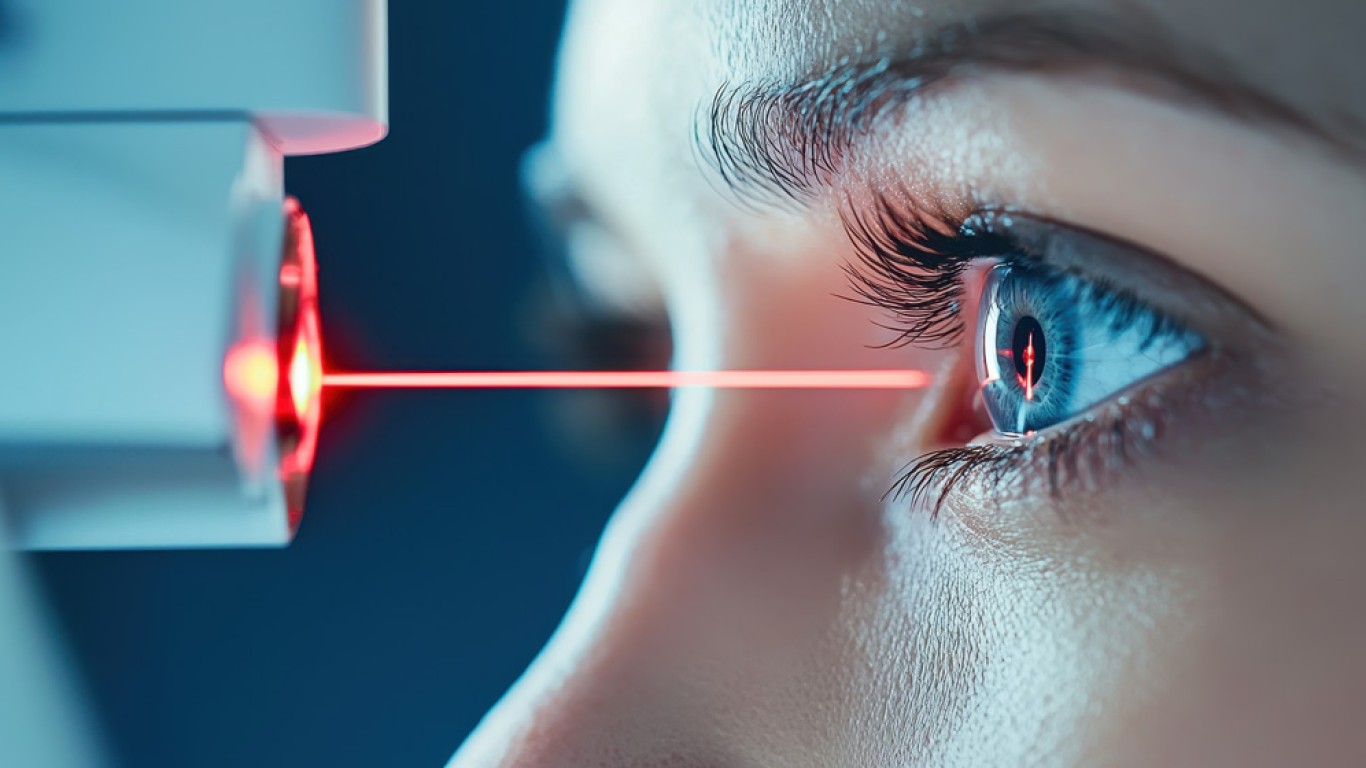
LASIK is a type of laser eye surgery that corrects short-sightedness, long-sightedness and astigmatism. It works by reshaping the cornea, which is the clear front surface of the eye. The surgeon creates a thin corneal flap and reshapes the tissue beneath it. The flap is then placed back, where it heals naturally without the need for stitches. Procedure usually takes around fifteen minutes for both eyes. Most patients notice clearer vision within a day or two after surgery. Some patients experience glare, halos or dry eyes for several weeks while the eyes settle, which can affect night training.
Why LASIK for Athletes Is a Popular Choice
Clear, stable vision is important in almost every sport, from running to racket games. LASIK for athletes can remove the practical problems that glasses and lenses often cause.
Common benefits reported by active patients include the following:
- No glasses slipping, fogging or breaking during training
- No contact lenses moving or drying out in wind, dust or heat
- Better peripheral vision without glasses frames in the way
- Easier use of helmets, goggles and protective eyewear
- Fewer concerns about lens hygiene when travelling to events
Many athletes also value the convenience of clear vision when waking early for training. LASIK does not improve vision beyond what glasses or lenses already achieve for most patients. Its main benefit is convenience, comfort and freedom from equipment that can fail during sport.
LASIK for Athletes suitability
LASIK is suitable for many athletes, but it is not the best option for everyone. The type of sport played is an important part of the decision. Even long after healing, a strong blow can move the corneal flap. This risk is low in most sports, but it matters more in combat and contact sports. Athletes in boxing, martial arts or rugby may be advised to consider other procedures. Surface laser treatments, which use no flap, may suit these athletes better. A detailed eye assessment will also check corneal thickness, prescription stability and overall eye health. Athletes who have had previous eye injuries should share this information with the surgeon before treatment. Athletes should mention their sport, training schedule and any competition dates during the consultation. This helps the surgeon plan surgery at a time that suits the athlete's season.

LASIK for Athletes: Alternatives to Consider
Several types of laser eye surgery exist, each with different strengths for active patients. PRK and other surface treatments reshape the cornea without creating a flap. Recovery is slower and more uncomfortable, but there is no flap to dislodge later. SMILE uses a small incision rather than a full flap to reshape the cornea. Some surgeons consider it a good option for patients who play contact sports. The surgeon will recommend a procedure based on the eyes, prescription and sport. Many athletes choose to have surgery during the off-season, when training is lighter and recovery is easier to manage.
LASIK for Athletes: General Timeline
Return-to-sport timelines vary between surgeons and depend on how quickly the eyes heal. The table below shows typical guidance after LASIK.
| Activity | Typical Return After LASIK | Main Precaution |
| Walking and light exercise | Around 1 to 3 days | Avoid sweat running into the eyes |
| Running, cycling and gym training | Around 1 week | Wear sunglasses outdoors to protect from dust |
| Swimming | Around 2 weeks | Use goggles and avoid rubbing the eyes |
| Racket and ball sports | Around 2 to 4 weeks | Consider protective eyewear |
| Contact and combat sports | Around 1 month or longer | Protective eyewear strongly advised |
These are general guides only, and the surgeon's own advice should always take priority.
LASIK for Athletes: Returning to Running, Cycling and the Gym
Light exercise, such as walking, is usually possible within the first few days after LASIK. Gentle stretching and light stationary cycling indoors may also be allowed, depending on the surgeon's advice. Sweat should be kept away from the eyes, as it can cause irritation and infection. Many patients can return to running, cycling and gym training after around one week. Wearing a headband can help to stop sweat running into the eyes during training. Outdoor athletes should wear wraparound sunglasses against wind, dust and bright light.
LASIK for Athletes: Returning to Swimming and Water Sports
Water sports usually need a longer wait after LASIK because of the risk of infection. Pools, lakes and the sea can all contain bacteria that may affect a healing eye. Most surgeons advise avoiding swimming for around two weeks after surgery. Chlorine and other pool chemicals can irritate the eyes and increase the risk of infection during early healing. Well-fitting goggles are recommended when patients return to the pool. Hot tubs, saunas and open water swimming may need a slightly longer wait. Water sports with facial impact, such as water polo, need extra caution.
LASIK for Athletes: Returning to Contact Sports
Contact and combat sports carry the greatest risk to the eye after LASIK. A direct blow to the eye could move the corneal flap, even long after surgery. Most surgeons advise waiting at least one month before returning to contact sports. Some recommend a longer wait, depending on the sport and healing. Protective eyewear is strongly advised when returning to contact sports after surgery. Many athletes choose to wear sports goggles for the rest of their careers as a precaution, especially in high-impact sports. Athletes should check that any protective eyewear meets the rules of their sport.
Conclusion
LASIK for athletes can remove many problems that glasses and lenses cause in sport. Most return to light training within a week and swimming within two weeks. Contact sports usually need a longer wait, and surface treatments may suit some athletes better. A specialist eye assessment is the best way to choose a procedure for your sport. Additionally, planning LASIK for athletes around training schedules allows sufficient recovery time before returning to competition. Following personalised aftercare instructions also helps protect healing eyes during physical activity. Furthermore, regular follow-up appointments allow surgeons to monitor visual progress and recommend suitable precautions. Ultimately, careful preparation supports long-term visual comfort.
Explore laser eye surgery at ACIBADEM Beauty Center to learn more about LASIK for Athletes.
Frequently Asked Questions
Light exercise is often possible within a few days of LASIK. Most patients return to running and gym training after around one week. Your surgeon will confirm the right timing.
LASIK can be suitable for some contact sports with a longer recovery period. However, a strong blow could move the corneal flap. Surface treatments may be advised for some athletes.
Most surgeons advise waiting around two weeks before swimming. Goggles should be worn when returning to the pool. Open water may need a longer wait.
Protective eyewear is strongly advised for contact and racket sports. It helps to protect the healing eye from impact. Sunglasses are also useful outdoors.
Many professional athletes choose laser eye surgery. The best procedure depends on their sport and eye health. A detailed assessment helps decide the safest option.