Ataşehir Mah. Feza Sk. No:3 İstanbul / Türkiye
 English
  German
  Spanish
Introduction
Tummy tuck surgery is no longer primarily a female procedure. Growing numbers of men seek abdominoplasty each year. Significant weight loss, ageing and genetics can leave men with excess abdominal skin and weakened muscles. Diet and exercise cannot correct these structural concerns. A male tummy tuck addresses them surgically. However, the approach differs from female abdominoplasty in important ways. Understanding these differences helps male patients prepare effectively. This article explains what makes a male tummy tuck distinct and what men should know before committing.
Why Men Seek a Male Tummy Tuck
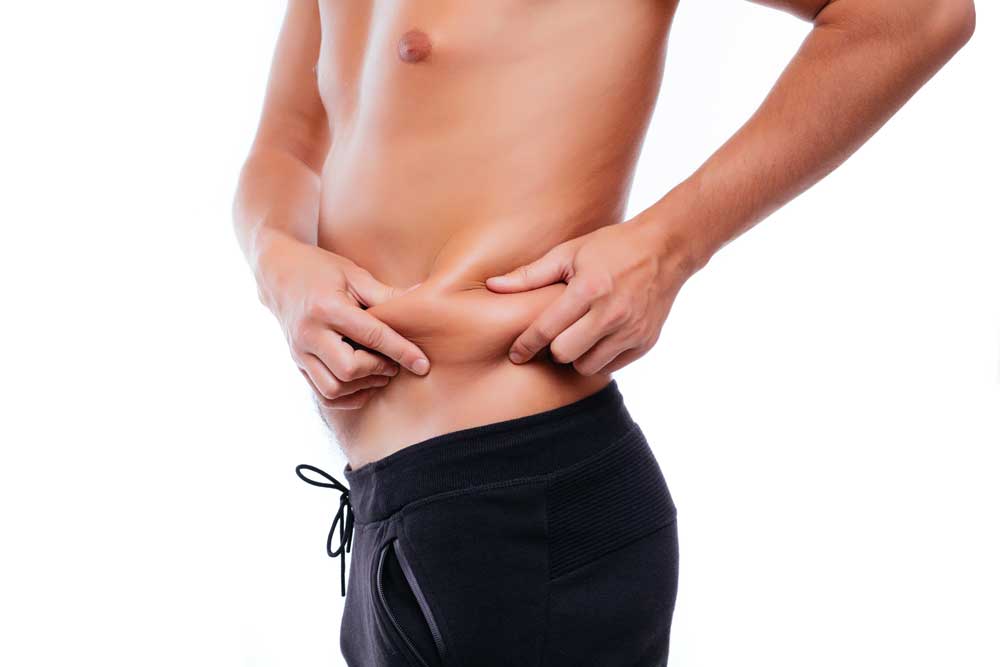
Men seek the procedure for several reasons. Significant weight loss is the most common motivation. Men who have lost forty kilograms or more often develop excess abdominal skin. This creates a hanging apron of tissue. Exercise cannot tighten loose skin. A male tummy tuck removes this excess permanently. Age-related abdominal changes also motivate men. The abdominal muscles separate over time. The core weakens. A protuberant belly develops despite regular exercise. A male tummy tuck repairs the separated muscles and removes surplus skin. Body contouring after bariatric surgery is increasingly common among male patients. The final body shape cannot be achieved without surgical removal of excess skin. A male tummy tuck completes the transformation that weight loss surgery began.
How a Male Tummy Tuck Differs from Female Abdominoplasty
Several differences distinguish the male procedure. A male tummy tuck must account for masculine body proportions. Men typically carry more visceral fat than women. This deeper fat sits beneath the abdominal muscles. Abdominoplasty does not remove visceral fat. Only subcutaneous fat above the muscle is addressed. A male tummy tuck candidate should understand this limitation. The waistline goal differs between genders. Women often want a narrowed, curved waist. Men generally prefer a straighter, more athletic contour. A tummy tuck creates a flat, firm abdominal profile rather than an hourglass shape. Hair distribution on the male abdomen affects incision planning. The surgeon positions the scar within the natural hair pattern where possible. Body hair also provides some scar concealment during healing.
Male Tummy Tuck: The Procedure
The surgery follows standard abdominoplasty principles with male-specific adaptations. A male tummy tuck is performed under general anaesthesia. The procedure takes two to four hours. A horizontal incision is placed above the pubic area. The length depends on the amount of excess skin. The surgeon lifts the abdominal skin. Separated rectus muscles are repaired with sutures. This restores core strength and creates a flatter profile. Excess skin is removed. The remaining skin is redraped smoothly. The navel is repositioned through a new opening. A tummy tuck may include liposuction of the flanks. This enhances the overall body contour. Drains are placed to manage fluid accumulation. A compression garment is fitted immediately. Most patients spend one to two nights in hospital.
Male Tummy Tuck Recovery
Recovery requires commitment. The first week involves rest and limited mobility. Pain is managed with prescribed medication. Walking short distances is encouraged from day one. A tummy tuck recovery requires wearing the compression garment continuously for four to six weeks. The garment supports the repair and reduces swelling. Drains are removed within three to five days. Most men return to desk work within two to three weeks. Driving resumes at two to three weeks. Light exercise begins at four weeks. A tummy tuck recovery restricts heavy lifting for six to eight weeks. Core exercises should wait until the surgeon confirms the muscle repair has healed. Full exercise including gym training resumes at six to eight weeks. Swelling resolves over two to four months. The final contour is typically visible at six months. Men often find the recovery more manageable than expected.
Male Tummy Tuck Results: What Men Can Expect
Results are dramatic for most male patients. A male tummy tuck creates a flat, firm abdominal profile. The hanging skin is eliminated. The waistline appears more defined. Clothing fits differently and more comfortably. The muscle repair restores core strength. Many men notice improved posture. Exercise becomes more effective because the muscle wall provides better support. A tummy tuck produces permanent results when body weight remains stable. The removed skin does not grow back. The repaired muscles maintain their corrected position. Significant weight gain after surgery can stretch the remaining skin. Maintaining a healthy weight and regular exercise preserves the result long term. Most men describe the improvement as life-changing. The confidence gained in their appearance often extends to broader quality of life improvement.
Male Tummy Tuck Scarring
Scarring is an important consideration for male patients. A male tummy tuck produces a horizontal scar across the lower abdomen. The scar sits below the waistband of most trousers and shorts. It is concealed by underwear and swimwear. The scar is typically more extensive than patients initially expect. However, most men accept it as a worthwhile trade-off. The improvement in abdominal contour and confidence far outweighs the scarring concern. A tummy tuck scar fades progressively over twelve to eighteen months. It transitions from red to pink to a fine line matching the surrounding skin tone. Silicone-based scar products and sun protection support optimal healing. Abdominal body hair may partially conceal the scar over time. This provides an additional advantage for male patients compared with female abdominoplasty patients.
Who Is a Good Candidate for a Male Tummy Tuck?
Ideal candidates have excess abdominal skin that does not respond to exercise. A tummy tuck suits men at a stable body weight. The procedure is not a weight loss treatment. Patients should be within a reasonable range of their target weight before surgery. Good general health is required. Non-smokers heal more predictably. Smoking must stop at least four weeks before surgery. A tummy tuck suits men who have completed their major weight loss. Those still actively losing should wait until weight stabilises. Realistic expectations about scarring and recovery timelines are important. Men who understand the trade-offs achieve the highest satisfaction. The consultation assesses individual anatomy and confirms candidacy. The surgeon evaluates skin excess, muscle separation and fat distribution.
Conclusion
A tummy tuck removes excess abdominal skin and repairs separated muscles. The procedure creates a flat, firm masculine abdominal profile. Results are permanent when body weight remains stable. Recovery takes six to eight weeks for full activity. Scarring is present but well concealed below the waistline. This tummy tuck differs from female abdominoplasty in aesthetic goals and anatomical considerations. Professional consultation ensures personalised surgical planning for each patient. Turkey offers the procedure at competitive pricing with experienced body contouring surgeons.
For more information about tummy tucks and to book a consultation visit the ACIBADEM Beauty Center Aesthetics page.
Frequently Asked Questions
The aesthetic goal is a straight, athletic contour rather than a curved waistline.
Most men return to work in two to three weeks. Full exercise at six to eight weeks.
The scar sits below the waistband. It is concealed by underwear and swimwear.
Yes. Flank liposuction is commonly combined for a more comprehensive body contour.
Typically three thousand to five thousand pounds all-inclusive.