Ataşehir Mah. Feza Sk. No:3 İstanbul / Türkiye
 English
Introduction
A hair transplant can restore hair in areas of thinning or baldness with long-lasting results. However, some patients later consider a second procedure to improve or extend their result. A second hair transplant is common and can be very effective when planned carefully. It is not usually a sign that the first procedure failed. Many surgeons plan for the possibility of a second procedure from the very first consultation. This helps them protect donor hair and design results that can be built on later. This guide explains the main reasons for a second hair transplant and its timing. It also covers donor hair limits, recovery and what results patients can expect.
Why Patients Consider a Second Hair Transplant
There are several reasons why a patient may consider a second hair transplant. The most common reason is continued hair loss in untreated areas. Hair loss often progresses over many years, especially in men with pattern hair loss. Transplanted hair is usually long lasting, but surrounding native hair may continue to thin.
Other common reasons include the following:
- Adding more density to an area treated in the first procedure
- Treating a new area, such as the crown, after the hairline was restored
- Refining the hairline for a softer or more natural appearance
- Correcting results from an earlier procedure that did not meet expectations
Each of these situations requires careful assessment before a second procedure is planned.
How Long to Wait Before a Second Hair Transplant
Most surgeons recommend waiting at least twelve months after the first hair transplant. This allows the transplanted hair to grow fully and show the final result. Transplanted hair usually begins to grow around three to four months after surgery. However, full growth and thickening often take twelve to eighteen months. Planning too early makes it difficult to judge the true result of the first procedure. It may also risk damaging hair that is still developing beneath the scalp. The donor area also needs time to heal fully before more follicles are taken from it. Waiting also gives patients time to see whether medical treatment is slowing their hair loss.
Second Hair Transplant and Donor Hair Limits
Donor hair is the most important consideration when planning a second hair transplant. Hair is usually taken from the back and sides, where it resists loss. The supply of donor hair is limited, and each procedure uses part of that supply. A surgeon must assess how much donor hair remains and how healthy it is. If donor hair is thin or limited, a second procedure may be smaller or more targeted. In some cases, a surgeon may advise against further surgery to protect the remaining donor area. Careful management of donor hair over a lifetime is a key part of good hair restoration planning.
Who Is a Good Candidate for a Second Hair Transplant?
A good candidate for a second hair transplant usually has enough healthy donor hair remaining. Their hair loss should also be reasonably stable and well understood.
Suitable candidates often share the following characteristics:
- Fully grown results from the first procedure
- Adequate donor hair density in the back and sides of the scalp
- Stable or well-managed hair loss with medical treatment
- Good general health without uncontrolled medical conditions
- Realistic expectations about what a second procedure can achieve
A surgeon will examine the scalp closely and may measure donor hair density before advising. Magnified scalp imaging can show how many healthy follicles remain in each area.
What Happens During the Procedure?
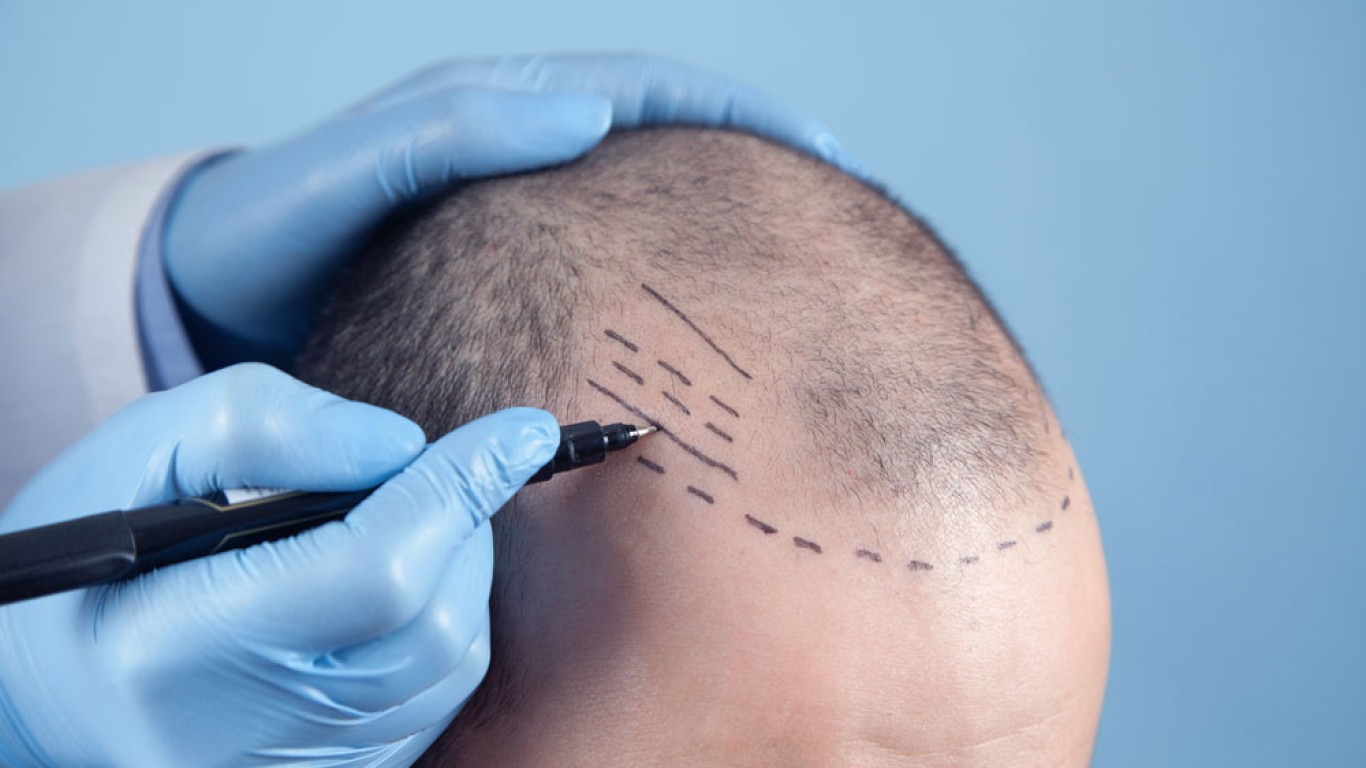
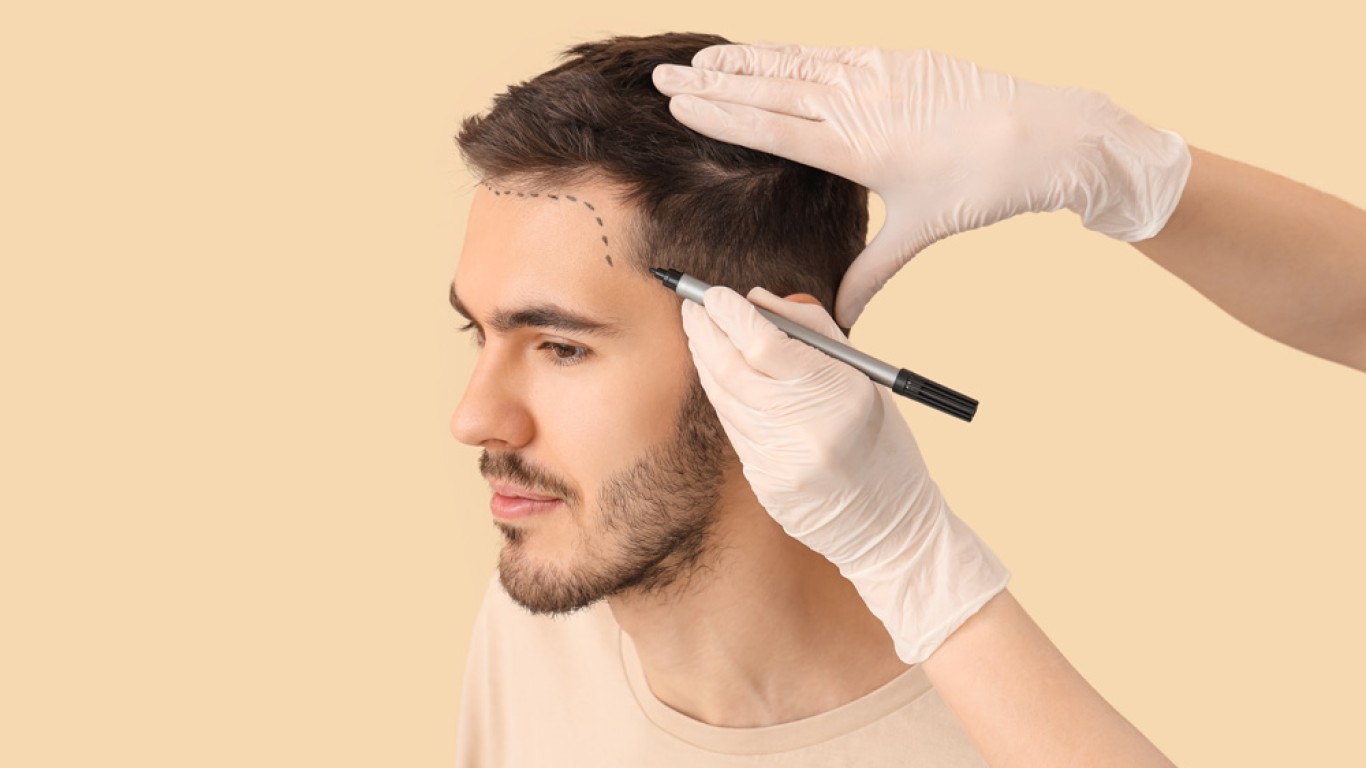
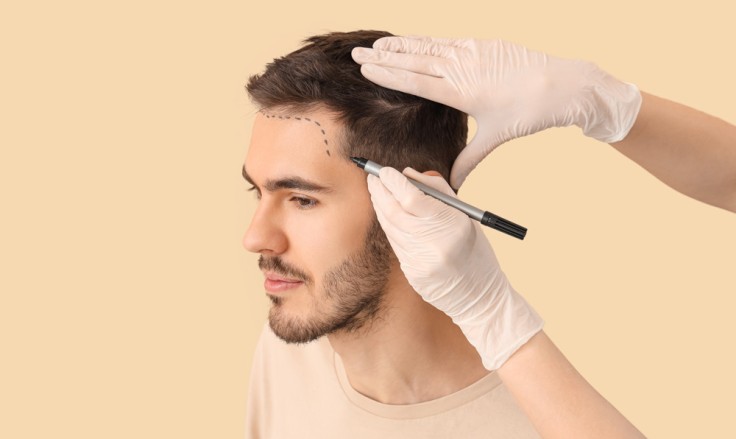
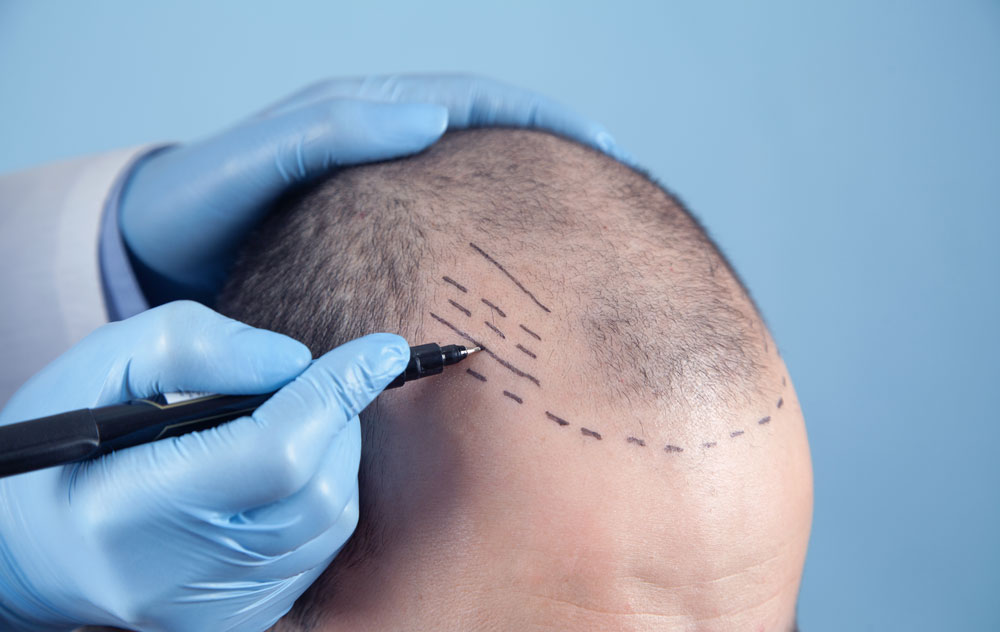
A second hair transplant follows a similar process to the first procedure. The surgeon first plans the areas to be treated and marks the hairline if needed. Direct hair implantation, known as DHI, places individual follicles using a specialised implanter tool. This allows precise placement between existing transplanted and native hair. Working around existing hair requires care to avoid damaging follicles that are already growing. The procedure is usually performed under local anaesthesia and may take several hours. Scar tissue from the first procedure can sometimes make graft extraction or placement more challenging. An experienced surgeon will adjust their technique to work safely with this tissue.
Second Hair Transplant Recovery
Recovery after a second hair transplant is usually similar to recovery after the first procedure. Most patients experience some redness, swelling and small scabs in the treated area.
| Stage | What to Expect |
| Days 1 to 3 | Redness, mild swelling and tenderness in treated and donor areas |
| Days 7 to 10 | Small scabs usually fall away |
| Weeks 2 to 8 | Transplanted hairs often shed, which is a normal stage |
| Months 3 to 4 | New hair growth usually begins |
| Months 12 to 18 | Full results usually become visible |
Most patients return to desk-based work within a few days to one week after surgery.
Second Hair Transplant Results
Results from a second hair transplant can add density, extend coverage or improve the hairline. Many patients notice the greatest change in density when the crown is treated. Many patients find the combined result of both procedures more natural and complete. However, results depend on donor hair supply, scalp health and the extent of hair loss. A second procedure cannot always achieve the density of a full head of natural hair. Taking photographs before and after each procedure helps patients and surgeons track progress over time. Some patients find the second procedure easier because they already know what to expect. Familiarity with recovery and aftercare can make the whole experience feel more manageable.
Protecting Results Over Time
Transplanted hair is usually resistant to pattern hair loss, but native hair can continue to thin. Protecting existing hair helps to maintain a natural overall appearance. Many surgeons recommend continuing medical treatment to slow ongoing hair loss. Some patients also choose platelet-rich plasma treatments to support thinning hair. Following aftercare instructions closely after surgery also helps to protect the new grafts. This includes gentle washing, avoiding direct sun and sleeping with the head slightly raised.
Conclusion
A second hair transplant can add density, treat new areas or refine an earlier result. Most surgeons recommend waiting at least twelve months after the first procedure. Donor hair supply, stable hair loss and realistic expectations are key to a successful outcome. A specialist consultation is the best way to find out whether a second procedure suits you. Additionally, careful planning helps preserve healthy donor follicles for future hair restoration needs. Following personalised aftercare instructions supports healing and protects newly transplanted grafts. Furthermore, managing ongoing hair loss can help maintain a balanced appearance over time. Regular follow-up appointments also allow surgeons to monitor growth and assess results.
Explore hair transplant options at ACIBADEM Beauty Center to learn more about DHI hair transplants.
Frequently Asked Questions
Yes, many patients have more than one hair transplant over their lifetime. Hair loss often continues in untreated areas. A second procedure can help to maintain a natural appearance.
Most surgeons recommend waiting at least twelve months after the first procedure. This allows the final result to become clear. The donor area also needs time to heal.
Most patients find the experience similar to the first procedure. Local anaesthesia keeps the treatment comfortable. Some tenderness is common for a few days afterwards.
This depends on the quality and density of the remaining donor hair. A surgeon will assess the donor area before advising. In some cases, a smaller procedure may be recommended.
A second procedure can often improve an earlier result, such as an unnatural hairline. Success depends on donor supply and the condition of the scalp. An experienced surgeon can advise on what is achievable.