Ataşehir Mah. Feza Sk. No:3 İstanbul / Türkiye
 English
Introduction
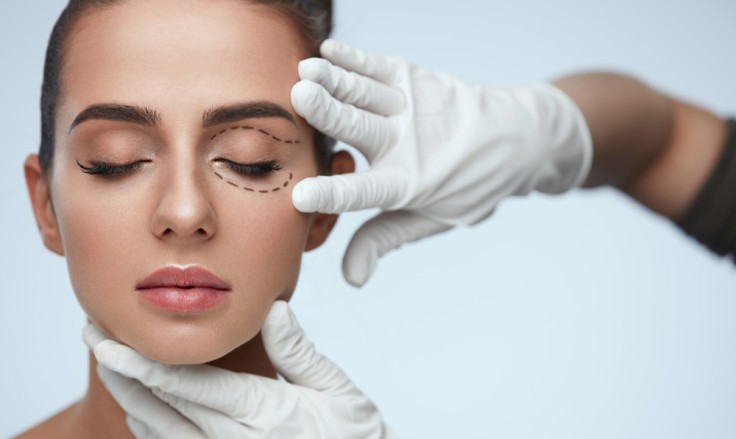
Knowing when to wear makeup after eyelid surgery is a common concern for blepharoplasty patients. Eyelid surgery, or blepharoplasty, removes excess skin and fat from the eyelids. Recovery requires careful attention to the delicate healing skin around the eyes. Applying makeup too soon can introduce bacteria and irritate healing incision lines. However, many patients are eager to use makeup to conceal bruising and swelling. Understanding the safe timeline for makeup after eyelid surgery protects healing and prevents complications. This article explains when to resume makeup and which products are safest. It also covers how to protect healing eyelids during recovery. These guidelines help patients recover confidently while maintaining their appearance.
Why Makeup Must Wait After Eyelid Surgery
Eyelid skin is the thinnest on the body, making it especially vulnerable during healing. Blepharoplasty incisions need time to close, seal and begin early scar maturation. Applying makeup too soon puts cosmetic products directly onto open or healing wounds. Makeup contains pigments, preservatives and binding agents that can irritate delicate healing tissue. Bacteria from brushes, applicators and products pose an infection risk to fresh incisions. Even gentle makeup removal involves rubbing or wiping that can disturb sutures and incisions. Using makeup too early can worsen swelling, cause contact dermatitis or significantly delay healing. The eyes are also more sensitive to irritation during early recovery. Waiting until the surgeon confirms the incisions have healed protects the surgical outcome. Patience during this period helps ensure the best possible cosmetic result.
Timeline for Wearing Makeup After Eyelid Surgery
The safe timeline for makeup after eyelid surgery depends on individual healing and surgical technique. The following table outlines general guidelines for resuming different types of makeup.
| Time After Surgery | Makeup Type | Guidance |
| Days one to seven | No makeup at all | Focus on rest, cold compresses and prescribed ointments only |
| Days seven to ten | Mineral foundation on cheeks and forehead only | Avoid the eye area entirely; use clean applicators |
| Ten to fourteen days | Light mineral concealer near the eye area | Apply gently; avoid direct contact with incision lines |
| Two to three weeks | Eye makeup including eyeshadow and mascara | Use new, hypoallergenic products; apply and remove gently |
| Four weeks and beyond | Full makeup routine including eyeliner | Resume normal routine; continue gentle application habits |
These timelines are general guidelines. Patients should always follow their surgeon’s specific instructions about makeup after eyelid surgery.
The First Week: No Makeup After Eyelid Surgery
The first week after eyelid surgery is the most critical period for healing. No makeup should be applied near the eye area for the first seven days. The incision lines are still fresh and the sutures remain in place. Swelling and bruising peak during the first three to five days. Patients should rest, keep the head elevated and apply cold compresses as directed. Prescribed eye drops or ointments should be the only products applied to the eyes. Wash hands thoroughly before touching the eye area for any reason. Sunglasses offer sun protection and a convenient way to conceal bruising in the first week. Avoid rubbing, touching or putting pressure on the healing eyelids throughout recovery. Following these restrictions in the first week lays the foundation for the best healing outcome.

Weeks Two and Three: Gradual Makeup Introduction
Makeup after eyelid surgery can be cautiously introduced in the second and third weeks. Light makeup may be permitted once sutures are removed and the surgeon confirms adequate healing. Mineral foundation or concealer on the cheeks and forehead can even out skin tone. Light concealer may be gently applied near the lower eye area to camouflage residual bruising. Avoid applying makeup directly over the incision lines during this transitional period. Use clean, new applicators rather than old brushes or sponges to reduce contamination. Hypoallergenic, fragrance-free products minimise the risk of irritation during healing. Eyeshadow and mascara may be gradually reintroduced toward the end of the third week. Apply gently, without stretching or pulling the delicate healing eyelid skin.
Choosing Safe Makeup Products After Eyelid Surgery
Choosing appropriate products is essential when resuming makeup after eyelid surgery. New products are recommended, as opened containers accumulate bacteria over time. Mineral-based makeup is generally the safest option near healing surgical sites. Mineral formulas contain fewer preservatives, fragrances and chemical irritants than conventional makeup. Hypoallergenic products labelled for sensitive skin reduce the risk of allergic reactions. Avoid waterproof mascara at first, as its vigorous removal can stress the eyelids. Tubing mascara is gentler, sliding off with warm water instead of heavy makeup remover. Cream eyeshadows may be more comfortable than powders, which can shed particles into the eyes. Eyeliner pencils are generally safer than liquid liners during early recovery. They need less precision to apply.
Conclusion
Most patients can wear makeup after eyelid surgery within two to three weeks. No makeup is worn near the eyes in the first week. Gradual reintroduction begins in the second week. Mineral-based, hypoallergenic products applied gently with clean tools are the safest choice. Most patients return to their full makeup routine within four weeks. Every patient heals at a slightly different pace after blepharoplasty. Age, skin type and the extent of surgery all influence recovery speed. Some patients may be ready for light makeup sooner, while others need longer. Watch for signs of irritation, such as redness, itching or increased swelling. If any of these appear, stop using makeup and contact the surgeon.
Replacing old products and cleaning tools regularly further reduces the risk of infection. Sun protection also matters, as healing scars can darken with sun exposure. Following the surgeon’s guidance ensures a safe return to normal makeup use. Patience during recovery protects the surgical results and supports optimal scar healing. A gentle routine during recovery helps scars fade and keeps results looking natural. With care and patience, patients can enjoy their refreshed appearance with confidence. A professional consultation addresses individual concerns about resuming makeup after blepharoplasty.
To find out more information about makeup after eyelid surgery and to book a consultation visit the ACIBADEM Beauty Center Aesthetics webpage.
Frequently Asked Questions
Most surgeons recommend waiting two to three weeks before applying mascara after blepharoplasty.
Yes, applying makeup too soon can introduce bacteria to healing incisions. Wait until the surgeon confirms adequate healing.
Mineral-based, hypoallergenic and fragrance-free products are recommended for use near healing eyelid incisions.
Eye creams should be avoided near incision lines during early recovery. The surgeon advises when to resume their use.
Use a mild, oil-free cleanser with soft cotton pads. Pat gently rather than rubbing or dragging across the eyelids.