Ataşehir Mah. Feza Sk. No:3 İstanbul / Türkiye
 French
  English
  German
  Spanish
Introduction
Abdominal contouring procedures are often discussed together, although they serve different purposes. Many patients researching body surgery encounter confusion when comparing options. Abdominoplasty vs panniculectomy is a common comparison, especially after weight loss or pregnancy. While both address excess abdominal tissue, their goals and outcomes differ significantly. Understanding these distinctions helps patients make informed decisions. Clear knowledge also supports realistic expectations. This article explains the key differences between abdominoplasty vs panniculectomy in a digestible way.
What Is Abdominoplasty?
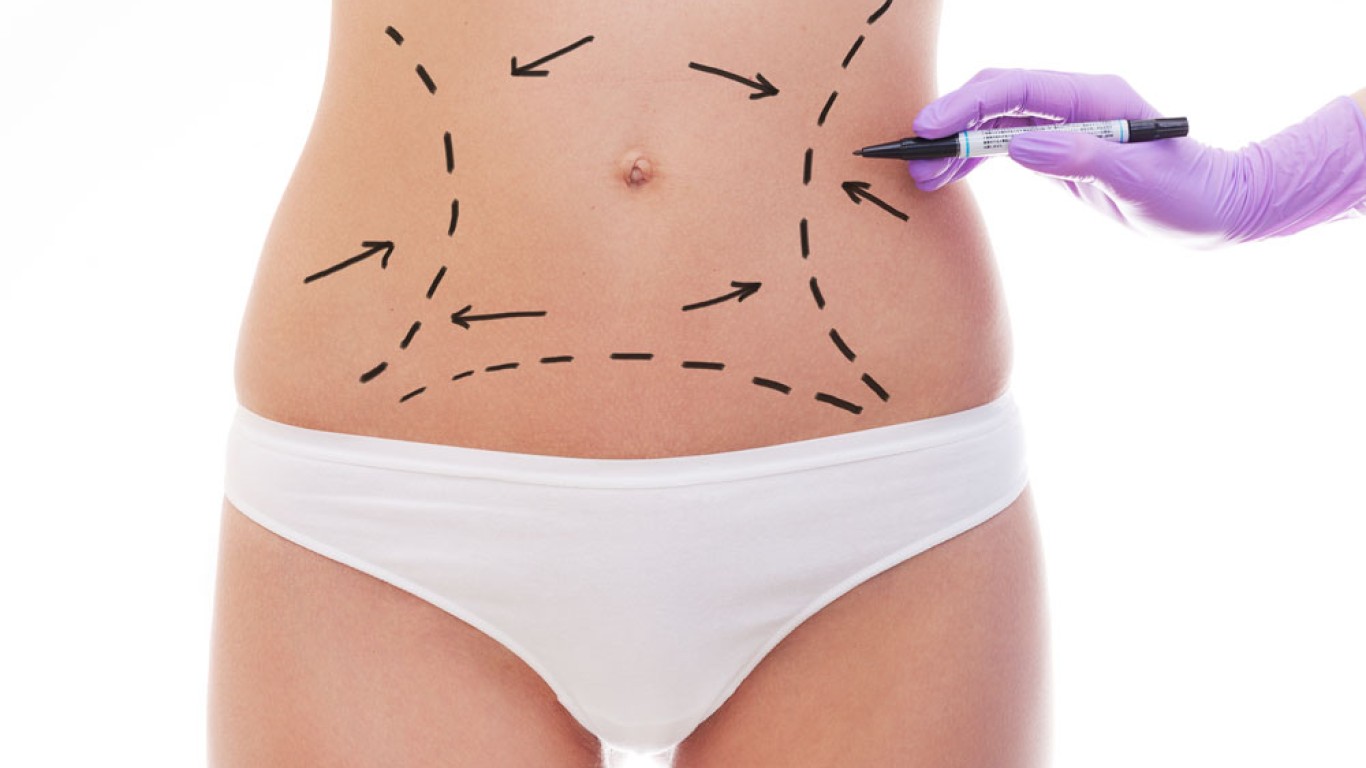
Abdominoplasty is commonly known as a tummy tuck procedure. It focuses on improving abdominal contour and firmness. Excess skin is removed, and underlying muscles may be tightened. This creates a flatter and more defined abdomen while also reshaping the waistline. Many patients choose abdominoplasty for aesthetic refinement. Pregnancy and weight changes often stretch the abdominal area. Abdominoplasty addresses these concerns comprehensively. It is designed to enhance body proportions. Visual improvement remains a central goal.
What Is Panniculectomy?
Panniculectomy focuses on removing a large overhanging apron of skin. This excess tissue often develops after significant weight loss. The procedure targets functional concerns rather than contouring. Skin removal improves comfort and mobility. Appearance refinement is not the primary aim. Unlike abdominoplasty, panniculectomy does not involve muscle tightening. The focus is limited to excess skin removal. This distinction defines the procedure clearly. Patients often seek panniculectomy for practical relief. Functional improvement guides treatment planning.
Defining the Pannus: Understanding the Anatomy of Overhanging Tissue
The pannus refers to excess skin and tissue that hangs from the lower abdomen. It commonly develops after significant weight loss or pregnancy. The size of the pannus varies between individuals. In some cases, it extends below the pubic region. Its weight can place strain on surrounding areas. Anatomically, the pannus consists of skin, fat, and connective tissue. It does not include muscle involvement. This distinction explains why panniculectomy focuses solely on removal. Understanding the pannus helps clarify surgical goals when deciding between abdominoplasty vs panniculectomy.
Abdominoplasty vs Panniculectomy Goals
The primary difference between abdominoplasty vs panniculectomy lies in treatment goals. Abdominoplasty aims to reshape the abdomen aesthetically. Panniculectomy prioritises removing problematic skin folds. One focuses on appearance, while the other addresses physical burden. Because goals differ, patient expectations must align correctly. Abdominoplasty delivers contour enhancement and definition. Panniculectomy offers relief from excess tissue. Understanding this distinction prevents disappointment. Proper consultation clarifies suitability.

When Does Excess Skin Become a Medical Issue?
Excess abdominal skin can move beyond cosmetic concern in certain situations. Large skin folds may interfere with daily movement and comfort. Clothing fit can become difficult, particularly during physical activity. Hygiene challenges may also arise within deep skin creases. These factors often prompt patients to seek functional solutions. Over time, persistent skin overhang can affect posture and activity levels. Some individuals notice limitations when walking or exercising. Functional discomfort rather than appearance becomes the main concern. In these cases, treatment decisions focus on restoring practicality. Understanding this distinction helps guide appropriate procedure selection.
Abdominoplasty vs Panniculectomy Differences in Surgical Technique
Surgical technique varies considerably between the two procedures. Abdominoplasty involves contouring and structural adjustment. Muscle repair may be included to support firmness. Skin is repositioned carefully for smooth results. Panniculectomy follows a more direct approach. Excess skin is removed without contour sculpting. Muscle structure is not altered, and the focus remains functional rather than aesthetic.
Visual Results and Body Shape Changes
Abdominoplasty typically produces visible body shape improvement. The abdomen appears flatter and more toned. Waistline definition often improves. Clothing fit may feel more balanced. Visual change is a key motivation for many patients. Panniculectomy results focus less on shape. The abdomen may still appear flat but not sculpted. The main change is reduced bulk. Comfort rather than silhouette is prioritised.
Abdominoplasty vs Panniculectomy for Weight Loss Patients
Patients after major weight loss often explore both options. Excess skin may cause discomfort or hygiene challenges. Panniculectomy can address these issues effectively. It removes the hanging skin directly. However, some patients also desire aesthetic improvement. In these cases, abdominoplasty may be preferred. Abdominoplasty vs panniculectomy decisions depend on priorities. Consultation helps determine appropriate timing.
Scarring Differences Between the Procedures
Scarring patterns differ due to surgical approach. Abdominoplasty scars are usually placed low on the abdomen. They are designed to be concealed by clothing. Scar placement is a key aesthetic consideration for these procedures. Panniculectomy scars may be longer or higher. Placement prioritises skin removal rather than concealment. Scar appearance is a secondary consideration. Understanding this difference supports informed consent. Expectations should remain realistic at all times.
Navigating Navel Transposition vs Removal
Navel management, also known as belly button management, differs between abdominal procedures. In abdominoplasty, the navel is typically repositioned. This preserves natural appearance while tightening the abdomen. Careful placement supports aesthetic balance. The navel remains an important visual landmark. In panniculectomy, navel repositioning may not always be prioritised. In some cases, the navel may be removed if medically necessary. The focus remains functional rather than aesthetic. This difference often surprises patients. Clear discussion helps set expectations accurately.
Choosing the Right Procedure
Choosing between abdominoplasty vs panniculectomy depends on personal priorities. Aesthetic goals suggest abdominoplasty. Functional needs suggest panniculectomy. However, both options address different concerns. Consultation allows thorough evaluation. Surgeons consider anatomy, lifestyle, and expectations. Clear discussion supports confident decision making. There is no universal answer - the right choice aligns with individual goals.
Can You Perform a Functional and Cosmetic Surgery Together?
Some patients present with both functional and aesthetic concerns. In such cases, combining abdominoplasty vs panniculectomy may be considered. Surgeons assess whether contouring can be incorporated safely and effectively. Combining goals requires detailed planning and assessment from the surgeon. Both anatomy and expectations guide decisions. When feasible, a combined approach can address excess skin and shape together. This may reduce the need for separate procedures and suits patients with both functional and aesthetic concerns. However, not all patients are suitable candidates. Individual assessment remains essential and clear consultation supports appropriate recommendations.
Recovery Focus and Aftercare Priorities
Recovery emphasis differs between procedures. Abdominoplasty recovery focuses on contour stability. Patients gradually resume activity as healing progresses. Support garments are commonly recommended. Panniculectomy recovery focuses on comfort and mobility. The goal is improved daily function. Aftercare supports wound healing and movement. Both procedures require structured follow-up. Recovery goals align with procedure intent.
Addressing the Challenges of Pain Management
Pain management considerations differ noticeably when comparing abdominoplasty vs panniculectomy, particularly due to internal muscle sutures. Abdominoplasty often involves tightening the abdominal muscles, which can create a feeling of firmness during movement. This internal support changes how the abdomen responds to posture and activity. Managing discomfort therefore focuses on gradual movement and core awareness.
In contrast, panniculectomy does not involve muscle suturing, so internal tension is usually less prominent. Patients undergoing abdominoplasty are often guided on positioning techniques that reduce strain on repaired muscles. Support garments can help stabilise the area during everyday tasks. Understanding these differences helps patients prepare realistically. Clear guidance supports comfort while the body adjusts. Recognising the role of internal muscle sutures highlights a key distinction between the two procedures.
How Weight Fluctuations Affect Your Surgical Outcome
Weight stability plays an important role in abdominal surgery outcomes. Significant weight changes can alter results over time. Weight gain may affect contour and firmness. Weight loss may lead to further skin laxity. Surgeons often encourage patients to reach a stable weight before surgery. This allows accurate planning and lasting improvement. Long-term lifestyle habits also influence outcomes. Understanding this relationship helps patients plan effectively.
Abdominoplasty vs Panniculectomy in Turkey
Turkey has become a popular destination for abdominal procedures. Clinics in Istanbul offer both treatments with experienced surgeons. International patients often seek clear explanations of differences. Abdominoplasty vs panniculectomy consultations emphasise personalised planning. Centres such as Acibadem provide structured assessments. Treatment recommendations reflect individual needs and goals. Comprehensive care pathways support medical travel. Turkey combines expertise with accessibility. Patient education remains central.
Conclusion
Abdominoplasty vs panniculectomy comparisons highlight important differences in purpose and outcome. Abdominoplasty focuses on contour and definition. Panniculectomy addresses excess skin for functional relief. Understanding goals, techniques, and results supports informed decisions. Turkey offers structured care for both procedures. Personalised consultation remains essential. Clear expectations lead to greater satisfaction.
For more information and to book a consultation visit the ACIBADEM Beauty Center Tummy Tuck webpage.
Frequently Asked Questions
Abdominoplasty reshapes the abdomen, while panniculectomy removes excess skin.
No, muscle repair is not part of panniculectomy.
Abdominoplasty provides greater contour enhancement.
Patients with significant excess skin often consider panniculectomy.
Turkey offers experienced surgeons and organised treatment pathways.