Ataşehir Mah. Feza Sk. No:3 İstanbul / Türkiye
 English

Introduction
Many new mothers look forward to life without glasses or contact lenses. Laser eye surgery such as LASIK can seem like an appealing option during this busy time. However, most eye surgeons advise against having LASIK while breastfeeding. Hormonal changes and medication concerns can affect both the safety and the accuracy of treatment. This guide explains why surgeons usually recommend waiting and how long the wait may be. It also covers what to expect when planning laser eye surgery after breastfeeding.
What Is LASIK?
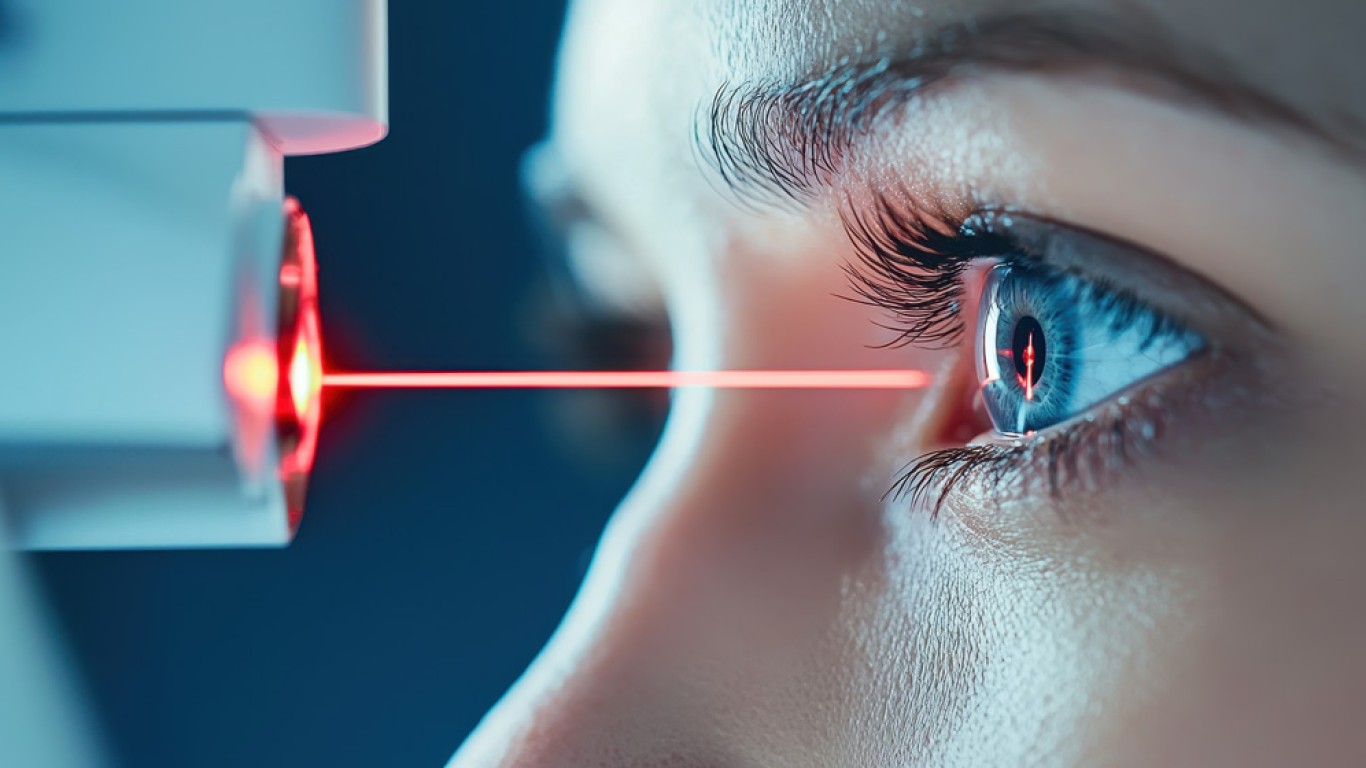
LASIK is a type of laser eye surgery that corrects short-sightedness, long-sightedness and astigmatism. It works by reshaping the cornea, which is the clear front surface of the eye. The surgeon creates a thin corneal flap and reshapes the tissue beneath with a laser. The flap is then placed back, where it heals naturally without stitches. Procedure usually takes around fifteen minutes for both eyes.
Most patients notice clearer vision within a day or two of surgery. Not everyone suits LASIK, as the cornea must be thick and healthy enough. A detailed eye assessment checks corneal thickness, prescription stability and overall eye health. Pregnancy can also affect vision in a similar way, so LASIK is not usually performed during pregnancy. Many women notice that their prescription changes slightly between pregnancy and the months after birth. This is another reason surgeons prefer to wait until the eyes have fully settled. Some patients are offered other procedures if LASIK is not the best option for their eyes.
Why Surgeons Advise Against LASIK While Breastfeeding
Most surgeons do not recommend LASIK while breastfeeding for several important reasons. The main concerns are unstable vision, dry eyes and the medication needed after surgery. During pregnancy and breastfeeding, hormone levels change significantly. These changes can affect the shape of the cornea and the eye's prescription. LASIK relies on an accurate, stable prescription to plan treatment. If the prescription changes after surgery, the result may not be as clear as expected. Recovery after LASIK also requires rest and careful eye care for several days. Night feeds and broken sleep can make this more difficult for new mothers with young babies.
How Breastfeeding Hormones Affect Vision
Hormones such as prolactin and oestrogen can affect fluid balance in the body, including the eyes. This can cause the cornea to change shape slightly or become thicker. As a result, some women notice blurred vision or a change in their glasses prescription. Some also find contact lenses less comfortable than usual during this time. These changes are usually temporary and settle once breastfeeding stops and hormones return to normal. Updating glasses during this time is not always necessary, as vision may change again. However, this can take some time, and the timing varies between women.
Dry Eyes and LASIK While Breastfeeding
Dry eyes are common during pregnancy and breastfeeding because of hormonal changes. LASIK can also cause temporary dry eyes in the weeks and months after surgery. Having LASIK while breastfeeding may therefore increase the risk of more severe or longer-lasting dryness. Dry eyes can affect comfort, healing and the quality of vision after surgery. Waiting until tear production has returned to normal helps to support a smoother recovery. The surgeon will usually measure tear quality and quantity during the pre-surgery assessment. If dry eye is present, it is often treated first to improve comfort and results. Treating dry eye before surgery can help the eyes heal more comfortably after LASIK.
LASIK While Breastfeeding: Medication Concerns
After LASIK, patients usually use antibiotic and anti-inflammatory eye drops for a short period. Some patients are also offered medicine to help with relaxation or sleep. Small amounts of some medicines may pass into breast milk. Eye drops are used in small doses, but surgeons prefer to avoid any unnecessary risk. Patients should always discuss any medication with their doctor if they are breastfeeding. A doctor can explain which medicines are considered safe and which are best avoided.
How Long to Wait Before LASIK After Breastfeeding
Advice on timing varies between surgeons, but most recommend waiting until breastfeeding has stopped. Many surgeons then advise waiting a further period for hormones and vision to settle. Some surgeons suggest waiting a few weeks after breastfeeding ends, while others recommend around three months. The aim is to make sure the prescription has returned to a stable level. Surgeons usually confirm stability by checking the prescription over more than one appointment. If the prescription is still changing, surgery is usually delayed until it settles.
LASIK While Breastfeeding: Key Considerations at a Glance
The table below summarises the main considerations for timing laser eye surgery after pregnancy. Individual advice may differ, so patients should follow their surgeon's recommendations.
| Stage | Common Advice | Main Reason |
| During pregnancy | Avoid LASIK | Hormones affect the cornea and prescription |
| While breastfeeding | Usually avoid LASIK | Unstable vision, dry eyes and medication |
| After breastfeeding stops | Wait for vision to stabilise | Allows hormones and prescription to settle |
| Before surgery | Confirm stable prescription | Supports accurate and lasting results |
Alternatives to LASIK While Breastfeeding
While waiting for laser eye surgery, glasses are usually the simplest and safest option. They do not affect the eyes and can be updated if the prescription changes. Contact lenses can also be worn, although some women find them less comfortable during breastfeeding. Daily disposable lenses may feel more comfortable for some women with mild dryness. Lubricating eye drops may help with mild dryness, but medical advice should be sought first. Patients may also use this time to research clinics and attend an initial consultation. An early consultation can explain suitability and help plan the timing of treatment. Keeping a record of any changes in vision during breastfeeding can be useful for the surgeon. This information helps them judge when the eyes are likely to have stabilised.
Conclusion
Most surgeons advise against LASIK while breastfeeding because of hormone-related vision changes, dry eyes and medication concerns. Surgery is usually planned once breastfeeding has stopped and the prescription has stabilised. Waiting helps to support safer and more predictable results. A specialist eye assessment is the best way to plan the right timing for treatment.
Explore laser eye surgery at ACIBADEM Beauty Center to learn more about LASIK While Breastfeeding.
Frequently Asked Questions
Most surgeons do not recommend LASIK while breastfeeding. Hormonal changes can affect vision and make results less predictable. Medication after surgery is also a consideration.
Advice varies, but many surgeons recommend waiting a few weeks to three months after breastfeeding stops. The prescription should be stable before surgery. Your surgeon will confirm the right timing.
Yes, hormonal changes during breastfeeding can affect the shape of the cornea. This can cause blurred vision or a change in prescription. These changes are usually temporary.
Small amounts of some medicines may pass into breast milk. Eye drops are used in small doses, but surgeons usually prefer to avoid any risk. This is one reason surgery is postponed.
LASIK can be safe after pregnancy once hormones and vision have stabilised. A full eye assessment is needed before surgery. The surgeon will check that the prescription is no longer changing.