Ataşehir Mah. Feza Sk. No:3 İstanbul / Türkiye
 English
  German
  Spanish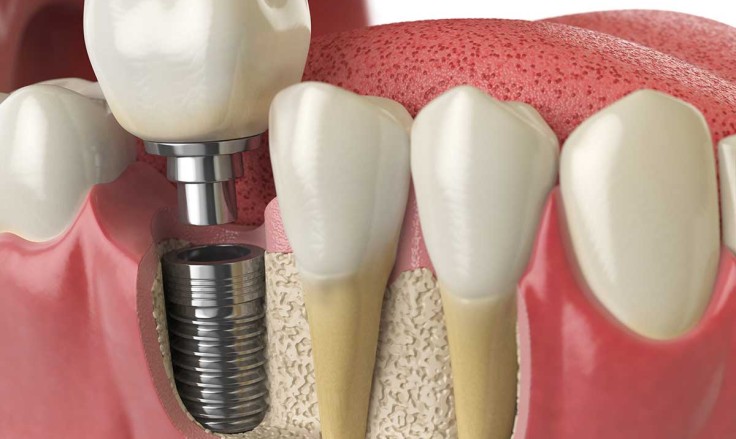
Introduction
Dental implant treatment involves multiple healing stages. Each phase serves a specific biological purpose. Understanding the dental implant healing stages helps patients navigate the process with confidence. The timeline is longer than many patients initially expect. Patience during each stage supports the best outcome. This article explains every dental implant healing stage from placement through to the final crown, providing practical guidance at each phase.
Dental Implant Healing Stages Overview
| Stage | Timeline |
| Soft tissue healing (gum closure) | One to two weeks |
| Early bone healing around implant | Two to six weeks |
| Active osseointegration | Six weeks to three months |
| Bone maturation | Three to six months |
| Abutment placement | After osseointegration confirmed |
| Crown fitting | Two to four weeks after abutment |
Dental implant healing stages span four to nine months in total. The timeline depends on individual healing speed, whether bone grafting was performed and the location of the implant. Upper jaw implants typically take longer to integrate than lower jaw implants. Bone density affects the speed of osseointegration. Each dental implant healing stage must complete before the next begins. Rushing the process risks implant failure. The dentist monitors progress and confirms readiness before advancing to each subsequent stage.
Dental Implant Healing Stages: Day of Surgery
The implant is placed during a procedure lasting thirty to sixty minutes per implant. Local anaesthesia ensures comfort. The dentist creates a precise channel in the jawbone. Titanium implant is inserted. The gum tissue is closed. Dental implant healing stages begin immediately. The blood clot forms at the surgical site. This clot is the foundation for healing. It must not be dislodged. Avoid rinsing vigorously for the first twenty-four hours. Do not use a straw. Light bleeding is normal. Swelling develops within hours. Cold compresses help manage this. Pain medication should be taken before the anaesthesia wears off. This prevents pain from establishing. Dental implant healing stages on day one require rest, gentle care and medication compliance. Most patients feel comfortable enough to return home within an hour of the procedure.
Dental Implant Healing Stages: The First Week
The first week focuses on soft tissue healing and comfort management. Dental implant healing stages during week one involve managing swelling, pain and diet. Swelling peaks at days two to three. It resolves over the following days. Pain decreases steadily. Most patients describe day three as significantly more comfortable than day one. Dental implant healing stages during the first week require a soft food diet. Avoid chewing directly on the implant site. Soups, yoghurt, scrambled eggs and smoothies provide nutrition without stressing the surgical area. Dental implant healing stages oral hygiene during week one involves gentle brushing around the surgical site. Avoid direct contact with the implant area. A prescribed chlorhexidine mouthwash helps keep the area clean. Sutures are typically removed at seven to fourteen days. By the end of week one, most patients feel significantly improved. The surface of the gum begins closing over or around the implant.
Dental Implant Healing Stages: Weeks Two to Six
Deeper healing progresses during this period. Healing stages at week two show the gum tissue largely healed. Surface tenderness has resolved. Normal brushing around the area resumes. Diet expands to include softer regular foods. Healing stages during this phase involve early bone healing around the implant surface. The titanium post stimulates bone cell activity. New bone begins forming at the interface between the implant and the jaw. This is the beginning of osseointegration. Healing stages at six weeks show measurable bone formation. The implant is becoming more stable. However, it is not yet ready for loading. Patients should continue avoiding hard or chewy foods on the implant side. Healing stages during this period are largely invisible. Healing occurs beneath the surface. The patient may feel that nothing is happening. In reality, the process is underway.
Dental Implant Healing Stages: Osseointegration
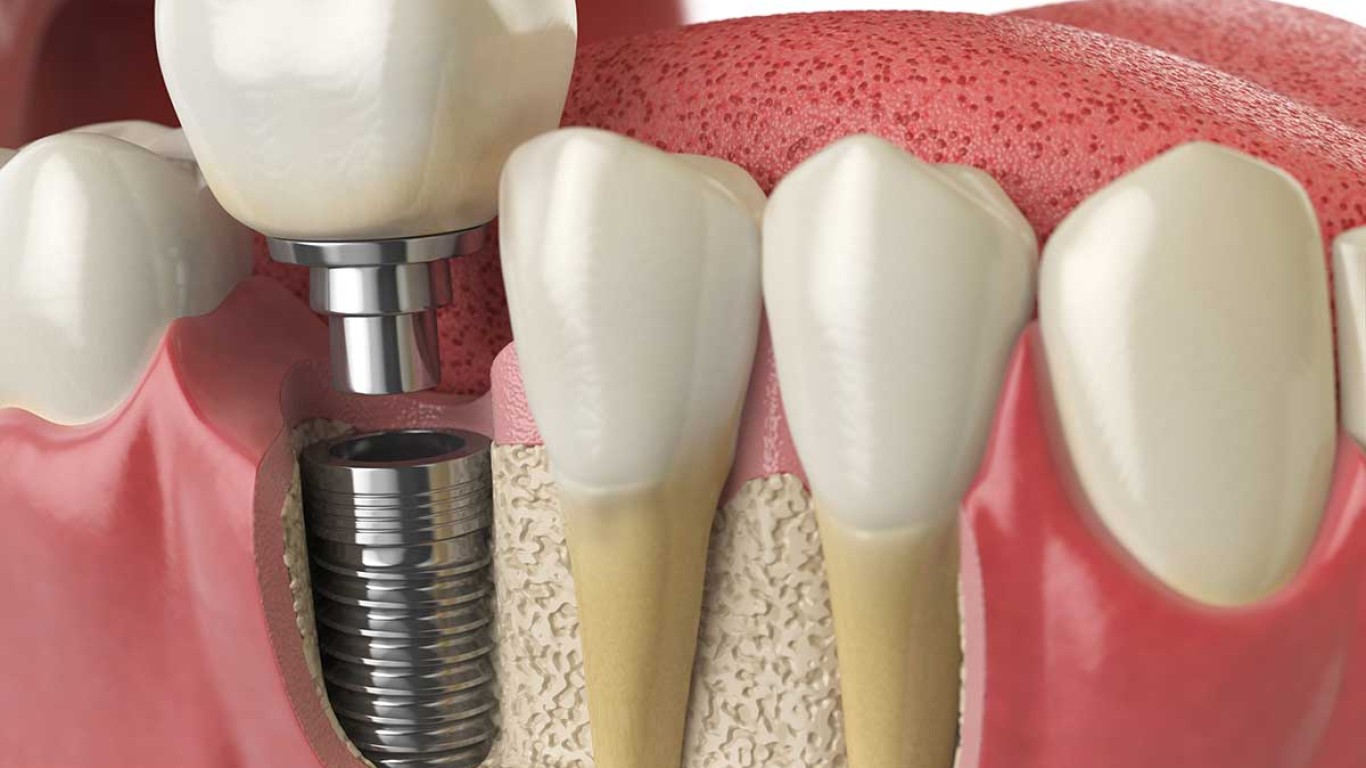
Osseointegration is the most critical dental implant healing stage. It describes the direct structural connection between the implant and living bone. The titanium surface promotes bone cell attachment. New bone grows into the micro-textured implant surface. Healing stages during osseointegration span approximately six weeks to three months for the lower jaw. The upper jaw may require three to six months. Upper jaw bone is typically less dense. The integration process takes longer in softer bone. Dental implant healing stages during osseointegration require patience. The implant must not be loaded with excessive force. A temporary restoration may be worn for aesthetics. It should not bear significant chewing force. Healing stages monitoring during osseointegration involves periodic dental check-ups. The dentist may test implant stability using resonance frequency analysis. This confirms whether integration is progressing appropriately. Successful osseointegration creates an immovable foundation for the final restoration.
Dental Implant Healing Stages: Abutment Placement
Once osseointegration is confirmed, the abutment is placed. This is a connector piece that links the implant to the final crown. Dental implant healing at this point involves a minor procedure. Gum tissue is opened to expose the implant. The abutment is secured to the integrated implant. The gum heals around the abutment over one to two weeks. Dental implant healing stages during abutment healing are straightforward. Mild tenderness at the site resolves quickly. Soft food for a few days is usually sufficient. The gum tissue contours around the abutment naturally. Healing stages after abutment placement prepare the site for impressions. Once the gum has healed and settled, the dentist takes precise impressions or digital scans. These capture the exact position and angle of the abutment.
Crown Fitting
Crown placement completes the healing stages. The crown is fitted onto the abutment. Dentist checks the bite and adjusts as needed. The crown is secured permanently. Healing stages conclude when the patient has a fully functional, natural-looking replacement tooth. Most patients cannot distinguish the implant crown from their natural teeth. It looks, feels and functions identically. Healing stages from placement to crown take four to nine months in total. Patients requiring bone grafting face a longer timeline. Those with adequate bone and straightforward cases may complete the process more quickly. The investment in time produces a restoration that can last a lifetime. Dental implant healing stages are a marathon rather than a sprint.
Conclusion
Dental implant healing progress from surgical placement through soft tissue healing, osseointegration and crown fitting over four to nine months. Each stage serves a specific biological purpose. Osseointegration is the most critical phase. The implant bonds permanently with the jawbone. Good aftercare, nutrition and smoking cessation support the best outcomes. Dental implant healing requires patience. The result is the most durable and natural tooth replacement available. Professional guidance ensures appropriate progress at each stage. Turkey offers comprehensive implant treatment with support throughout all healing stages at competitive pricing.
For more information about dental implants and to book a consultation visit the ACIBADEM Beauty Center Dental Treatments page.
Frequently Asked Questions
Four to nine months from placement to final crown depending on bone quality and grafting needs.
The biological process where the titanium implant bonds directly with the jawbone.
Mild discomfort during the first week. Pain is well managed with medication.
Soft food during the first weeks. Avoid chewing on the implant site until cleared by the dentist.
Yes significantly. Smoking is the greatest risk factor for implant failure. Complete cessation is essential.