Ataşehir Mah. Feza Sk. No:3 İstanbul / Türkiye
 French
  English
  German
  Spanish
Introduction
Non-surgical fat reduction has become one of the most requested aesthetic treatments worldwide. Many patients seek these treatments as alternatives to liposuction. The appeal is understandable. Non-surgical weight reduction promises body contouring without incisions, anaesthesia or extended recovery. However, patients often wonder whether these treatments really deliver meaningful results. Understanding how non-surgical weight reduction works helps set realistic expectations. This article examines the technologies behind these treatments, their effectiveness and what patients can expect. The goal is to provide honest information that supports informed decision-making about body contouring options in modern aesthetic medicine.
What Is Non-Surgical Fat Reduction?
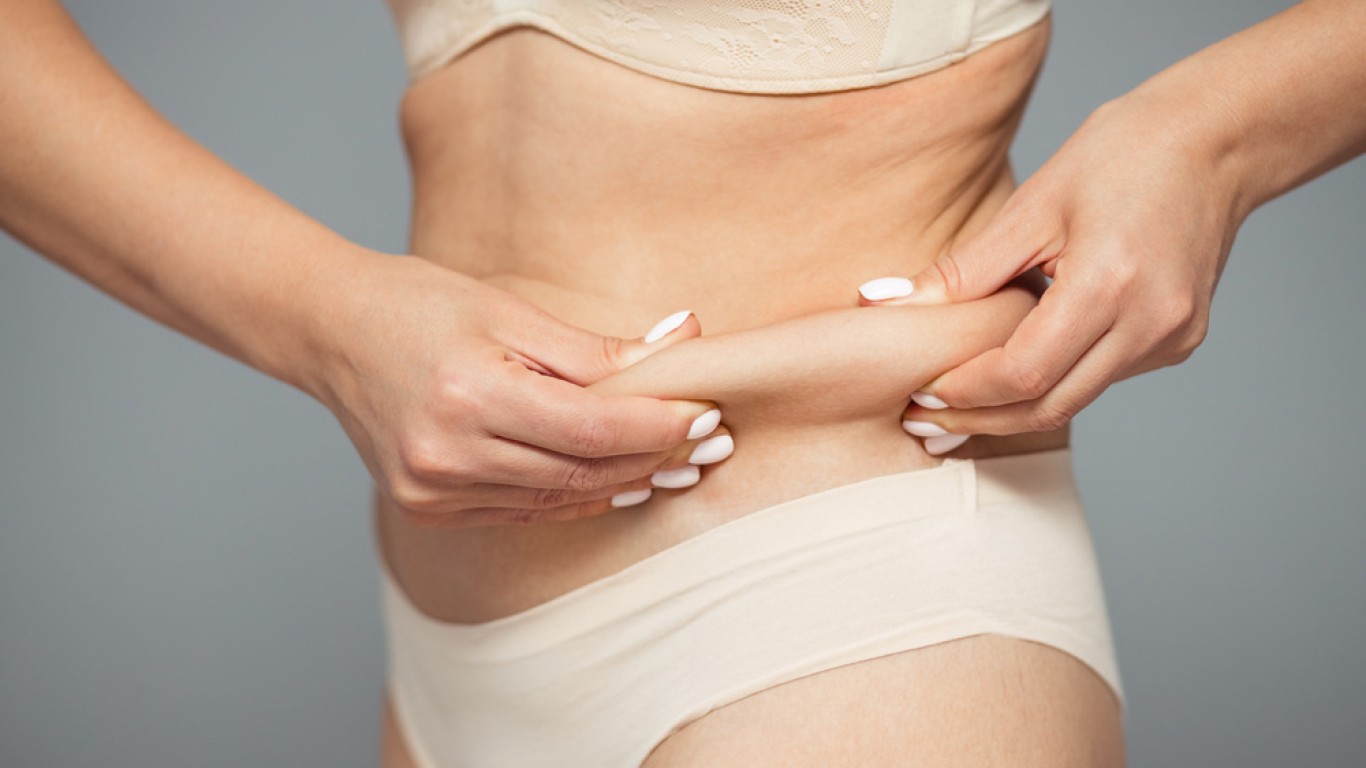
Non-surgical fat reduction refers to a range of treatments that eliminate fat cells without surgery. The treatments use various energy-based technologies. Cooling, heating, ultrasound and injectable approaches all fall within this category. Each technology targets fat cells while sparing surrounding tissues. The damaged fat cells are then naturally eliminated by the body over several weeks. Non-surgical weight reduction treatments do not require incisions or anaesthesia. Most involve no downtime. The treatments address specific stubborn fat deposits rather than providing overall weight loss. Modern technologies have made non-surgical weight reduction increasingly effective and popular for targeted body contouring.
How Non-Surgical Weight Reduction Works
Non-surgical fat reduction works through several different mechanisms depending on the technology. Cooling treatments freeze fat cells to damage them. The body then eliminates the damaged cells over weeks. Heat-based treatments use radiofrequency or lasers to destroy fat cells. Ultrasound treatments use focused sound waves to break down fat. Injectable treatments use chemical agents to dissolve fat. Each approach exploits the greater vulnerability of fat cells compared with surrounding tissues. The treated fat cells are permanently eliminated. The body processes the destroyed fat through its natural waste removal systems. Results develop progressively over several weeks to months.
Does Non-Surgical Fat Reduction Really Work?
The honest answer is yes, non-surgical weight reduction does work when used appropriately. Clinical studies demonstrate measurable reduction in fat thickness after treatment. Most treatments produce fifteen to twenty-five percent reduction in fat thickness in the treated area. Results are not as dramatic as liposuction. Multiple sessions are typically needed for optimal results. The treatments work best for localised stubborn fat rather than significant weight loss. Patient selection is crucial for good outcomes. Those near their ideal body weight with localised problem areas achieve the best results. Non-surgical fat reduction technologies have improved substantially over recent years with better outcomes.
Popular Non-Surgical Weight Reduction Technologies
Several non-surgical fat reduction technologies are widely used. CoolSculpting uses controlled cooling to freeze fat cells - the technique is known as cryolipolysis. It has been extensively studied and widely used. Radiofrequency treatments such as Vanquish and TruSculpt use heat to destroy fat cells. Ultrasound technologies such as Ultrashape and Liposonix use focused sound waves. Laser-based treatments such as SculpSure use heat from lasers. Injectable treatments such as Aqualyx use chemicals to dissolve fat. Each technology has specific advantages and limitations. The practitioner recommends the most appropriate non-surgical weight reduction option based on individual concerns and the target treatment area.
Areas That Respond Well to Non-Surgical Fat Reduction
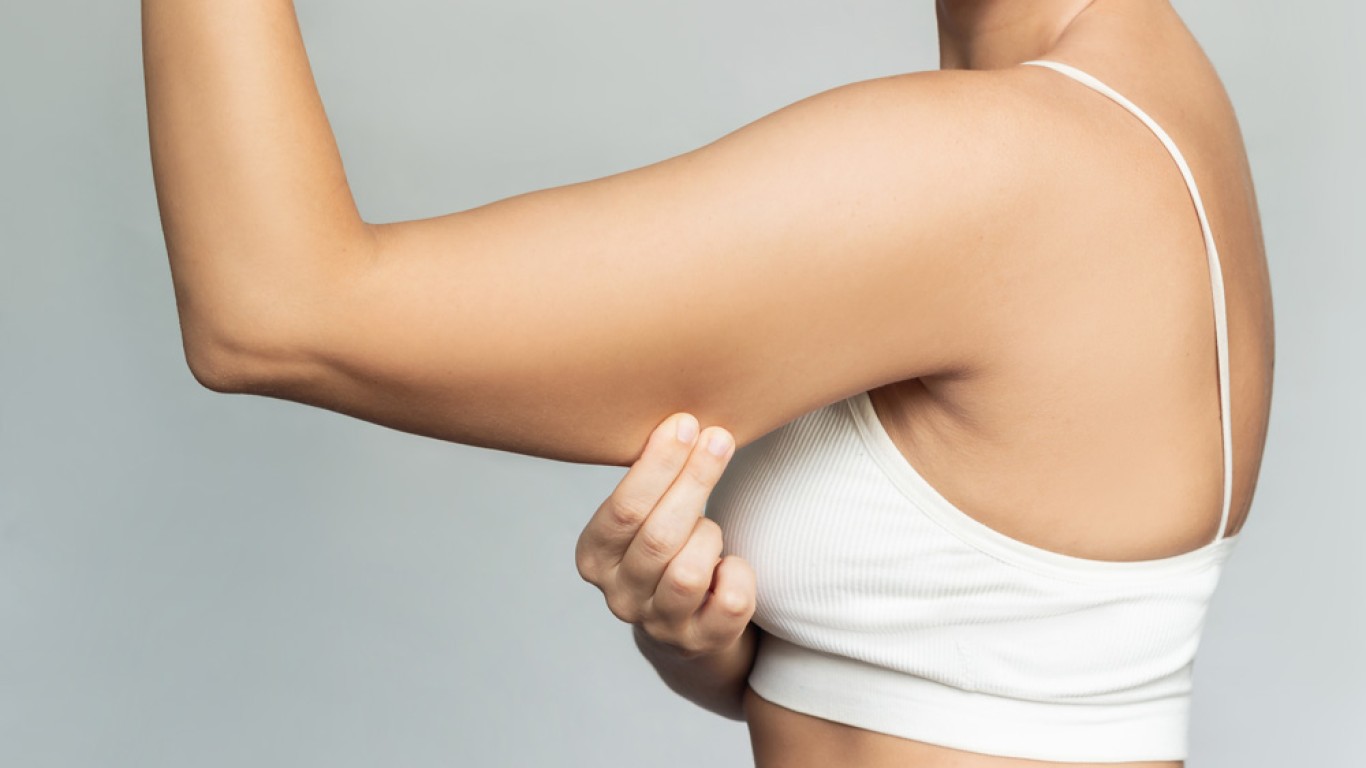
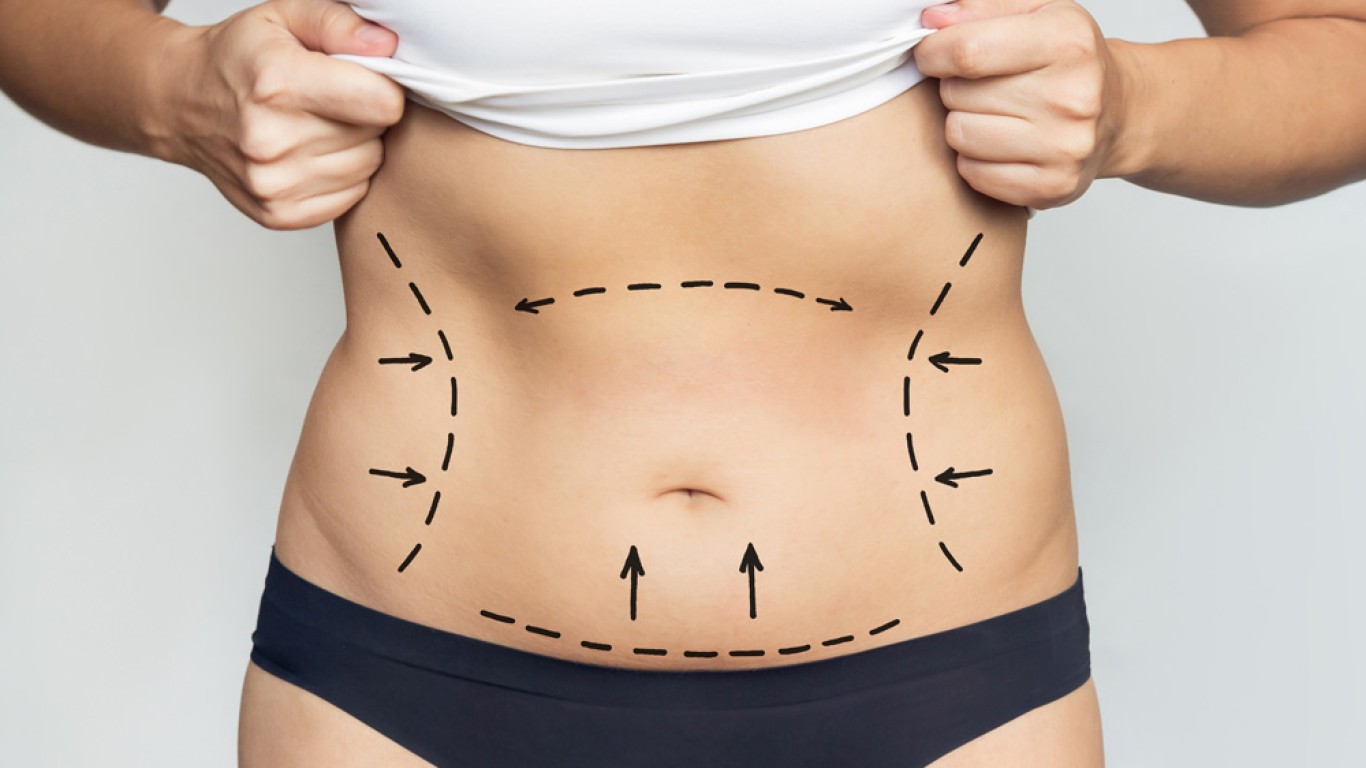
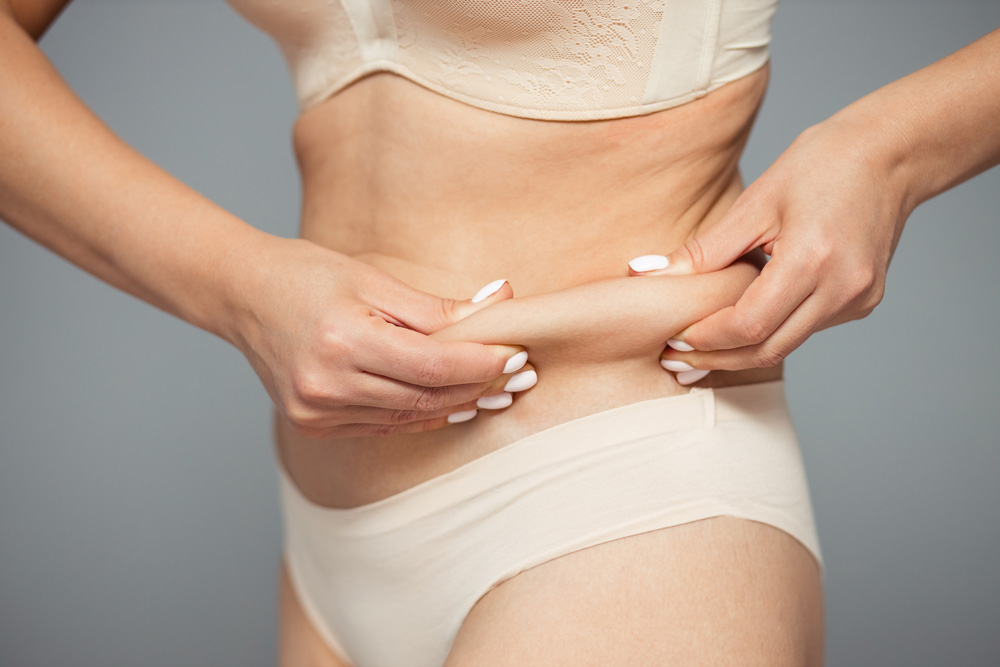
Not all body areas respond equally well to non-surgical fat reduction. The abdomen, particularly the lower belly, is a popular treatment area. The flanks or love handles respond well. Inner and outer thighs can be treated effectively. The upper arms benefit from treatment. Double chin beneath the jaw responds particularly well. The bra fat area on the back can be addressed. The knees and calves may also benefit. Areas with stubborn localised fat typically respond best. Areas of general weight distribution respond less well. The treatment is not effective for overall weight loss. Realistic expectations about which areas respond well support satisfaction.
Non-Surgical Fat Reduction vs Liposuction
Comparing non-surgical weight reduction with liposuction highlights important differences. Liposuction can remove significantly more fat in a single procedure. Non-surgical treatments produce more modest reductions. Liposuction involves surgical incisions, anaesthesia and recovery. Non-surgical treatments require none of these. Liposuction produces immediate visible results after swelling resolves. Non-surgical results develop gradually over weeks. Liposuction is more expensive for comprehensive treatment. Non-surgical weight reduction costs less per session but may require multiple treatments. Each approach has valid roles. Liposuction suits those seeking dramatic change, while non-surgical fat reduction suits those with localised concerns wanting to avoid surgery and downtime.
How Many Sessions of Non-Surgical Weight Reduction Are Needed?
Most patients require multiple sessions for optimal results from non-surgical weight reduction. The number depends on the treatment area and amount of fat. Smaller areas may achieve good results with one or two sessions. Larger areas typically require two to four sessions. Sessions are spaced six to twelve weeks apart. This allows the body to process fat destroyed in previous sessions. Some technologies require more sessions than others. The practitioner advises on the recommended treatment course during consultation. Most patients see initial results within weeks of starting treatment. The full effect develops over three to six months as collagen remodelling completes.
Realistic Results from Treatment
Realistic expectations are essential for satisfaction with non-surgical fat reduction. The treatments produce measurable but modest reductions. Most patients see fifteen to twenty-five percent reduction in fat thickness per treatment course. This typically translates to a visible improvement in the treated area. Clothing may fit better and body contour improves. The change is not as dramatic as liposuction. Patients expecting transformation rather than refinement may be disappointed. Non-surgical weight reduction works best for patients wanting subtle improvement in localised areas. Before and after photographs from qualified practitioners demonstrate typical results. Setting accurate expectations during consultation supports satisfaction with outcomes.
Who Is Suited to Non-Surgical Fat Reduction?
Non-surgical fat reduction suits specific patients well. Those near their ideal body weight with localised stubborn fat are ideal candidates. Patients who exercise regularly but have problem areas that resist diet and exercise benefit. The treatments suit those wanting to avoid surgery and downtime. Good general health supports safe treatment. Active lifestyles particularly value the non-invasive nature. Pregnancy is a contraindication. Certain medical conditions such as cold-related disorders may exclude patients from cooling treatments. Those with significant excess weight benefit more from weight loss first. A consultation evaluates individual suitability. The practitioner recommends the most appropriate treatment approach based on concerns and goals.
Maintaining Results Long Term
Long-term results from non-surgical weight reduction require maintenance of healthy habits. The destroyed fat cells do not return. Remaining fat cells can still expand with weight gain. Maintaining a stable weight preserves the improved contour. Regular exercise supports long-term results. A balanced diet prevents weight gain that could compromise the treatment benefits. Patients who maintain healthy lifestyles enjoy lasting improvement. Those who gain significant weight after treatment may see the treated area increase in size again. The treatments work best as part of a comprehensive approach to body contouring rather than as a standalone solution. Long-term commitment to healthy habits maximises the investment in treatment.
Safety of Non-Surgical Weight Reduction
Modern non-surgical fat reduction technologies have favourable safety profiles. Common side effects include temporary redness, swelling and tenderness in the treated area. These typically resolve within days to weeks. Less common effects include numbness, sensitivity or mild pain. Rare complications include paradoxical adipose hyperplasia with cooling treatments. This involves fat increase rather than decrease in the treated area. Choosing an experienced practitioner using quality equipment reduces risks. The treatment should only be performed at clinics with proper training. Most patients tolerate the procedures well. The safety advantages over liposuction represent one of the main appeals of non-surgical weight reduction treatments.
Conclusion
Non-surgical fat reduction does work for appropriate patients with appropriate expectations. The treatments produce measurable reductions in fat thickness without surgery or downtime. Results are more modest than liposuction but significant for those with localised concerns. Multiple sessions, realistic expectations and patient selection all influence outcomes. The treatments suit patients near their ideal weight with stubborn fat deposits. Significant weight issues require different approaches. Non-surgical weight reduction offers a valuable option within modern body contouring. Professional consultation ensures the most appropriate treatment is selected for each individual seeking improved body contour without surgery.
For more information and to book a consultation visit the ACIBADEM Beauty Center Aesthetics page.
Frequently Asked Questions
Yes, most treatments produce fifteen to twenty-five percent fat reduction in treated areas.
Most patients require two to four sessions for optimal results.
Most treatments require no significant downtime.
Liposuction produces more dramatic results but requires surgery and recovery.
Yes, when body weight remains stable through healthy habits.