Ataşehir Mah. Feza Sk. No:3 İstanbul / Türkiye
 English
Introduction
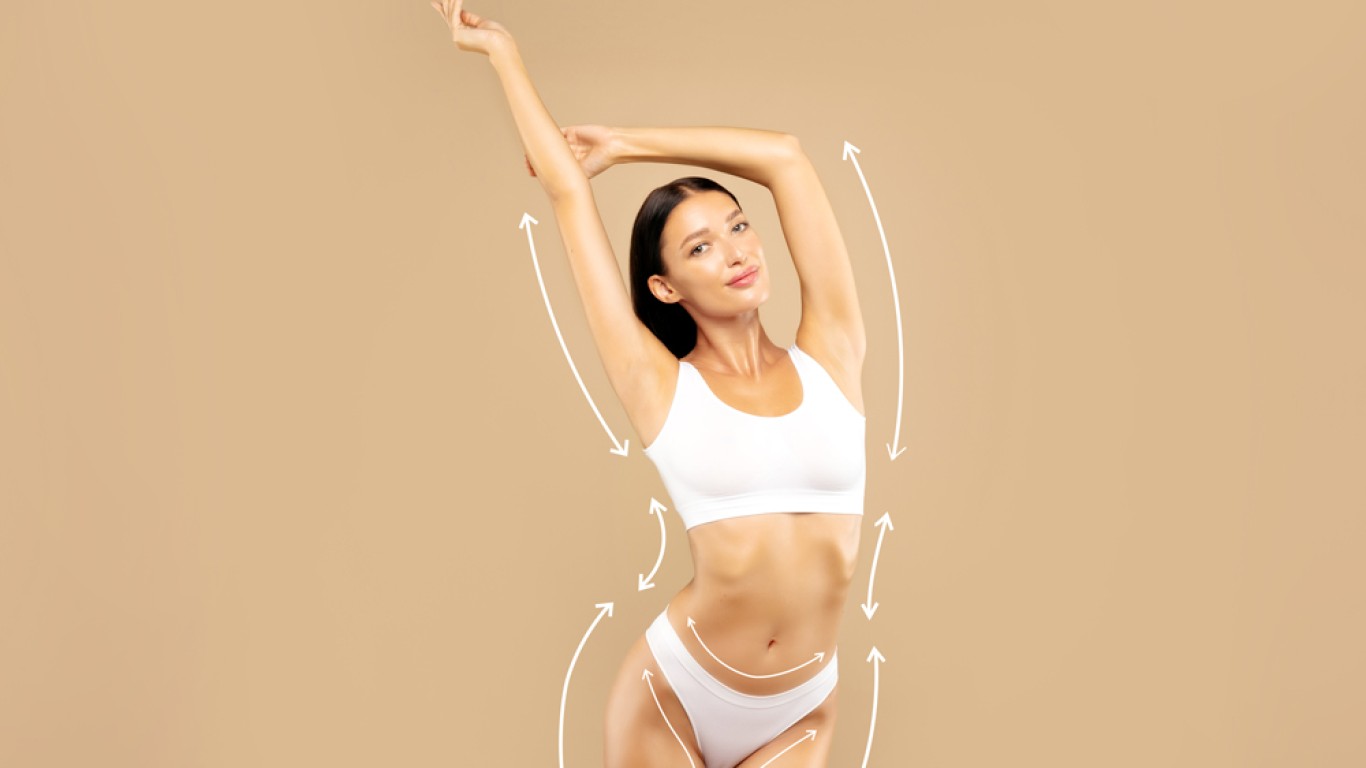
Significant weight loss is a remarkable achievement. However, it often leaves behind excess skin that no amount of exercise can tighten. The skin stretched during years of carrying extra weight does not fully retract once the weight is lost. Excess skin removal surgery addresses this physically and emotionally challenging consequence of successful weight loss. Understanding which procedures are available and what they involve helps patients plan their post-weight-loss body contouring journey. This article covers the full range of excess skin removal surgery options.
Why Excess Skin Develops After Weight Loss
Skin has limited elasticity. When stretched significantly for years, the collagen and elastin fibres that allow the skin to snap back are damaged beyond repair. Excess skin removal surgery becomes necessary because the skin cannot remodel itself to fit the smaller body. The degree of excess skin depends on several factors. The amount of weight lost matters. Patients who lose fifty kilograms or more typically develop more excess skin than those who lose twenty. The duration the weight was carried affects skin damage. Decades of stretching produce more permanent damage than a few years. Age influences skin quality. Younger patients retain more elasticity. Older patients' skin retracts less. Skin removal surgery addresses the physical reality that natural skin retraction has limits.
Excess Skin Removal Surgery: Available Procedures
| Procedure | Area Addressed | Recovery |
| Abdominoplasty (tummy tuck) | Abdomen | Four to six weeks |
| Lower body lift | Abdomen, hips, buttocks, outer thighs | Six to eight weeks |
| Brachioplasty (arm lift) | Upper arms | Three to four weeks |
| Thigh lift | Inner or outer thighs | Four to six weeks |
| Breast lift or reduction | Breasts | Three to four weeks |
| Upper body lift | Back, bra line area | Four to six weeks |
Excess Skin Removal Surgery: Abdominoplasty
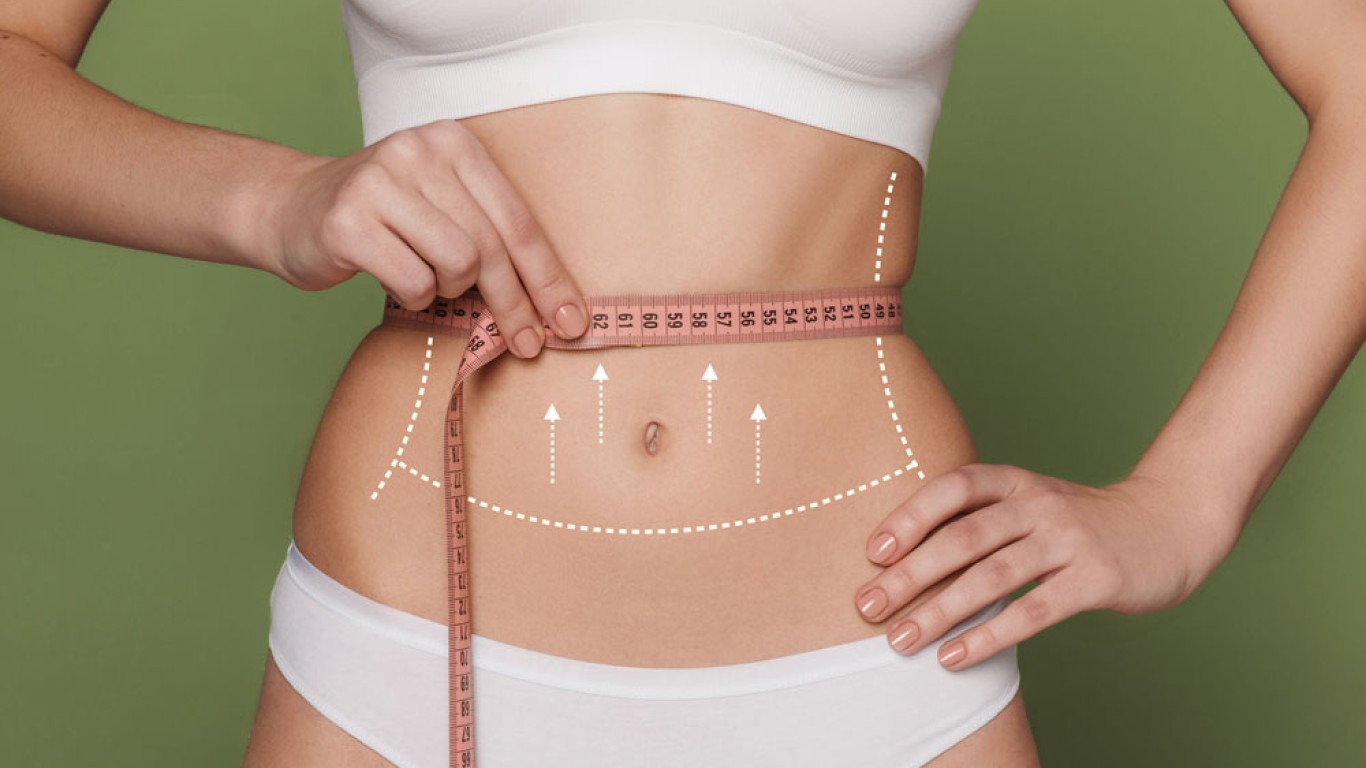
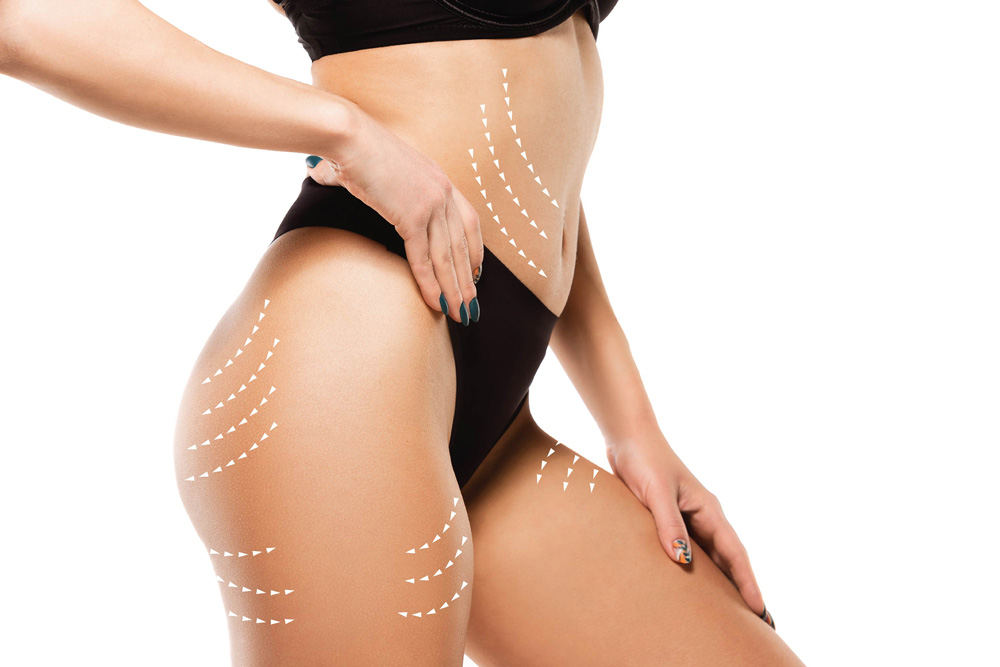
The tummy tuck is the most commonly requested procedure. Skin removal surgery for the abdomen removes the hanging skin apron that develops after significant weight loss. The incision runs horizontally across the lower abdomen. Large amounts of skin and tissue are removed. The abdominal muscles are tightened. Excess skin removal surgery for the abdomen after massive weight loss often involves an extended abdominoplasty. The incision extends further around the hips to address lateral excess. A fleur-de-lis tummy tuck adds a vertical incision for patients with both horizontal and vertical excess. Skin removal surgery for the abdomen produces one of the most transformative single-procedure results. The hanging apron is eliminated. The waistline is defined. Clothing fits properly. The physical comfort improvement from removing the weight and friction of excess abdominal skin is significant.
Excess Skin Removal Surgery: Lower Body Lift
The lower body lift is the most comprehensive single procedure. Skin removal surgery through a lower body lift addresses the abdomen, hips, buttocks and outer thighs in one circumferential operation. The incision circles the entire body at the waistline. Excess tissue is removed from all sides. The buttocks are lifted. The outer thighs are tightened. Excess skin removal surgery through body lift produces dramatic improvement in body contour. The procedure is extensive. Surgical time ranges from four to seven hours. Recovery is the longest of any body contouring procedure. However, skin removal surgery through body lift addresses more area than any other single operation. Patients who would otherwise need separate procedures for the abdomen, hips and thighs achieve comprehensive correction in one session.
Excess Skin Removal Surgery: Arms and Thighs
The upper arms and inner thighs commonly retain excess skin after weight loss. Skin removal surgery for the arms is called brachioplasty. An incision runs along the inner upper arm from the armpit toward the elbow. Excess skin and fat are removed. The arm contour becomes slimmer and more proportionate. Skin removal surgery for the arms produces visible scarring along the inner arm. This is the primary trade-off. Most patients accept the scar as worthwhile given the improvement in arm shape and function. Excess skin removal surgery for the thighs uses medial or lateral thigh lift techniques. The inner thigh incision sits in the groin crease and may extend down the inner thigh for more significant excess. Skin removal surgery for the thighs produces a slimmer, more proportionate leg contour. The scarring is placed to minimise visibility but is present.
Excess Skin Removal Surgery: Breasts and Back
Weight loss affects the breasts and back significantly. Skin removal surgery for the breasts involves lift or reduction. Breast tissue deflates during weight loss. The skin envelope remains large. The breast sags dramatically. A breast lift repositions and reshapes. A reduction removes additional tissue if the breasts remain large despite weight loss. Skin removal surgery for the back addresses skin rolls along the bra line. An upper body lift removes excess tissue from the mid and upper back. The incision sits across the back. The rolls that prevented comfortable bra wear are eliminated. Skin removal surgery for the back is typically combined with other procedures during a staged plan.
Planning a Staged Approach
Comprehensive body contouring requires strategic planning. Excess skin removal surgery should not be rushed. Weight must be stable for at least six to twelve months before surgery. Ongoing weight loss changes the body dimensions. Operating on a still-changing body risks suboptimal results. Skin removal surgery staging typically prioritises the area causing the most physical or emotional distress. The abdomen is most commonly addressed first. The lower body lift is the next priority for patients with circumferential excess. Arms and thighs follow. Breasts may be addressed at any stage depending on patient priority. Skin removal surgery stages are separated by three to six months. Each procedure heals. The body recovers. The next stage is planned based on the updated body contour. Surgeon adjusts the plan between stages as the shape evolves.
Excess Skin Removal Surgery: Scarring
Scarring is the primary trade-off. Excess skin removal surgery produces significant scars. The amount of skin removed requires long incisions. These scars are permanent. They fade over twelve to eighteen months but do not disappear. Skin removal surgery scarring is positioned to be concealed by clothing where possible. The abdominal scar sits within the bikini line. The arm scar runs along the inner surface. Thigh scar sits in the groin crease. Excess skin removal surgery scar quality depends on genetics, surgical technique and aftercare. Silicone products, scar massage and sun protection support the best outcomes. Most patients describe the scars as an acceptable exchange for the dramatic improvement in body contour and quality of life.
Conclusion
Excess skin removal surgery addresses the skin that remains after significant weight loss. Multiple procedures target different body areas. Abdominoplasty, body lift, brachioplasty, thigh lift and breast surgery each address specific zones. Treatment is staged over multiple sessions. Weight must be stable before surgery. Scarring is the primary trade-off. The physical and psychological benefit is consistently described as transformative. Professional consultation plans the most effective staging approach. Turkey offers skin removal surgery at competitive pricing with experienced body contouring surgeons.
For more information about skin removal and to book a consultation visit the ACIBADEM Beauty Center Aesthetics page.
Frequently Asked Questions
Tummy tuck, body lift, arm lift, thigh lift, breast lift and upper body lift depending on the area.
Six to twelve months of stable weight before surgery.
Yes. Long incisions are necessary. Scars fade significantly but are permanent.
Rarely. Staged procedures three to six months apart are safer and produce better results.
Varies by procedure combination. Turkey offers forty to sixty percent savings compared with UK pricing.