Ataşehir Mah. Feza Sk. No:3 İstanbul / Türkiye
 English
  German
  Spanish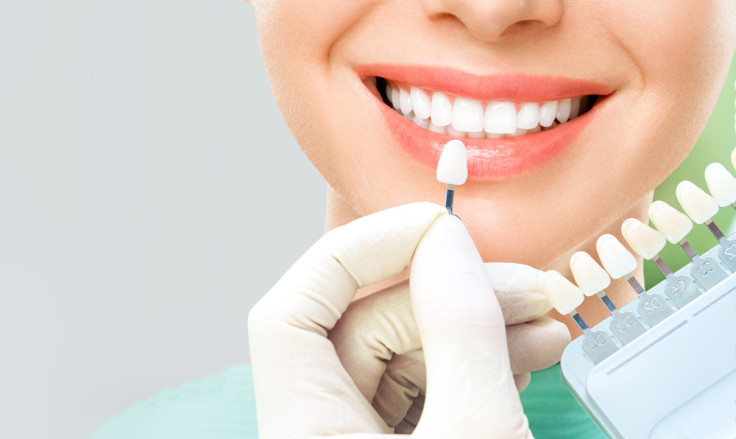
Introduction
The treatment is one of the most popular cosmetic dentistry treatments worldwide. They transform smile appearance by covering imperfections on the front surface of teeth. It corrects discolouration, chips, gaps and minor misalignment. Despite their popularity, many patients have questions before committing to treatment. Understanding the facts about veneers helps individuals make informed decisions. This article addresses the most frequently asked questions. It covers materials, procedure, aftercare and expected results.
What Are Veneers?
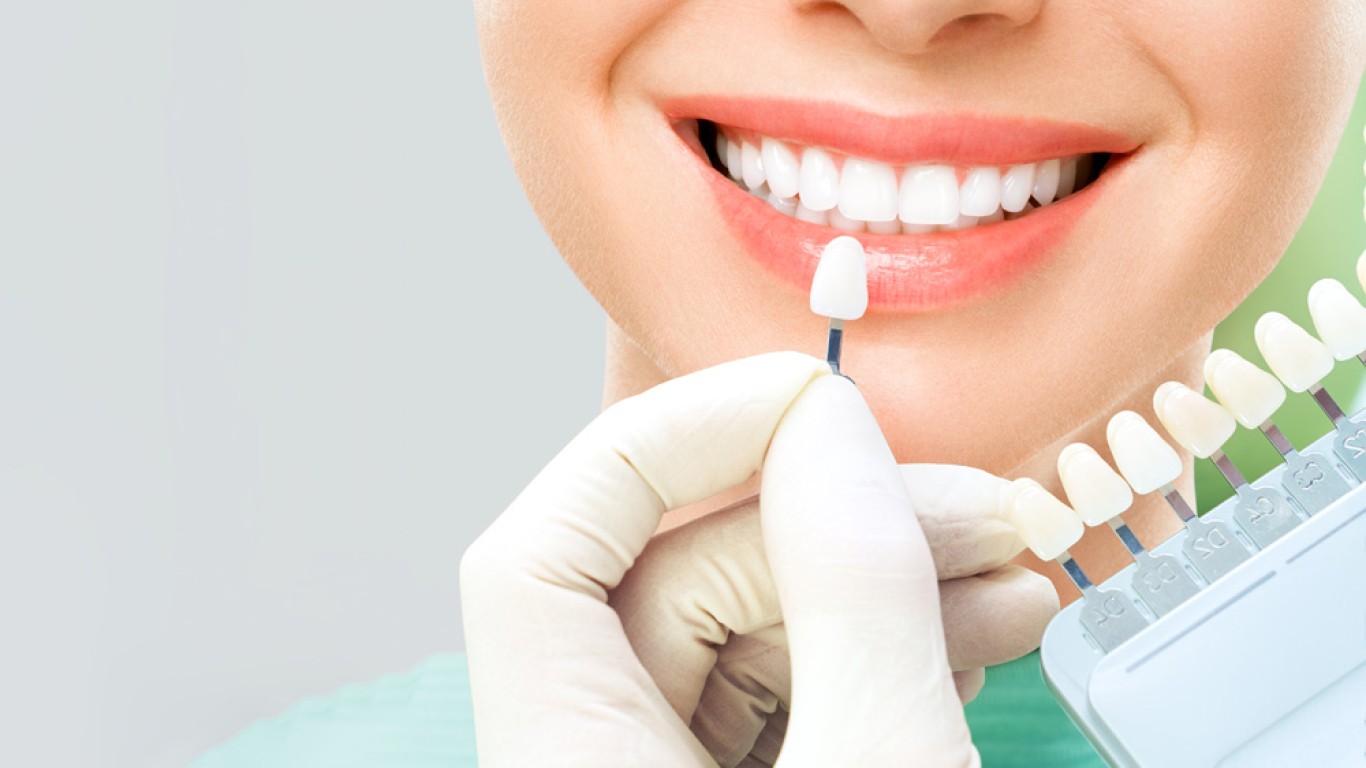
They are thin shells bonded to the front surface of teeth. They cover visible imperfections to create a more uniform smile. Porcelain and composite are the two main materials used. Porcelain veneers are fabricated in a dental laboratory. They are custom-made to match the desired shade and shape. Composite ones are applied directly by the dentist. They are sculpted onto the teeth during a single appointment. The procedure improves the colour, shape, size and alignment of teeth. They create a natural-looking result when placed by experienced dentists. The treatment is conservative compared with crowns. Less tooth structure is removed during preparation. This procedure has become one of the most requested smile makeover treatments globally.
Who Is a Suitable Candidate for Veneers?
Suitable candidates have healthy teeth and gums. It requires sufficient enamel for secure bonding. Patients with severe tooth decay or gum disease should address these first. The procedure suits patients with discoloured teeth that do not respond to whitening. Chipped or worn teeth are corrected effectively. Minor gaps between teeth can be closed. Mild misalignment is improved cosmetically without orthodontics. Patients who grind their teeth heavily may need a night guard to protect their new teeth. Realistic expectations about achievable results are important. The procedure improves appearance significantly. They do not replace orthodontic treatment for major alignment issues. A dental consultation assesses individual suitability. The dentist evaluates tooth health, enamel thickness and bite alignment before recommending veneers.
How Are Veneers Applied?
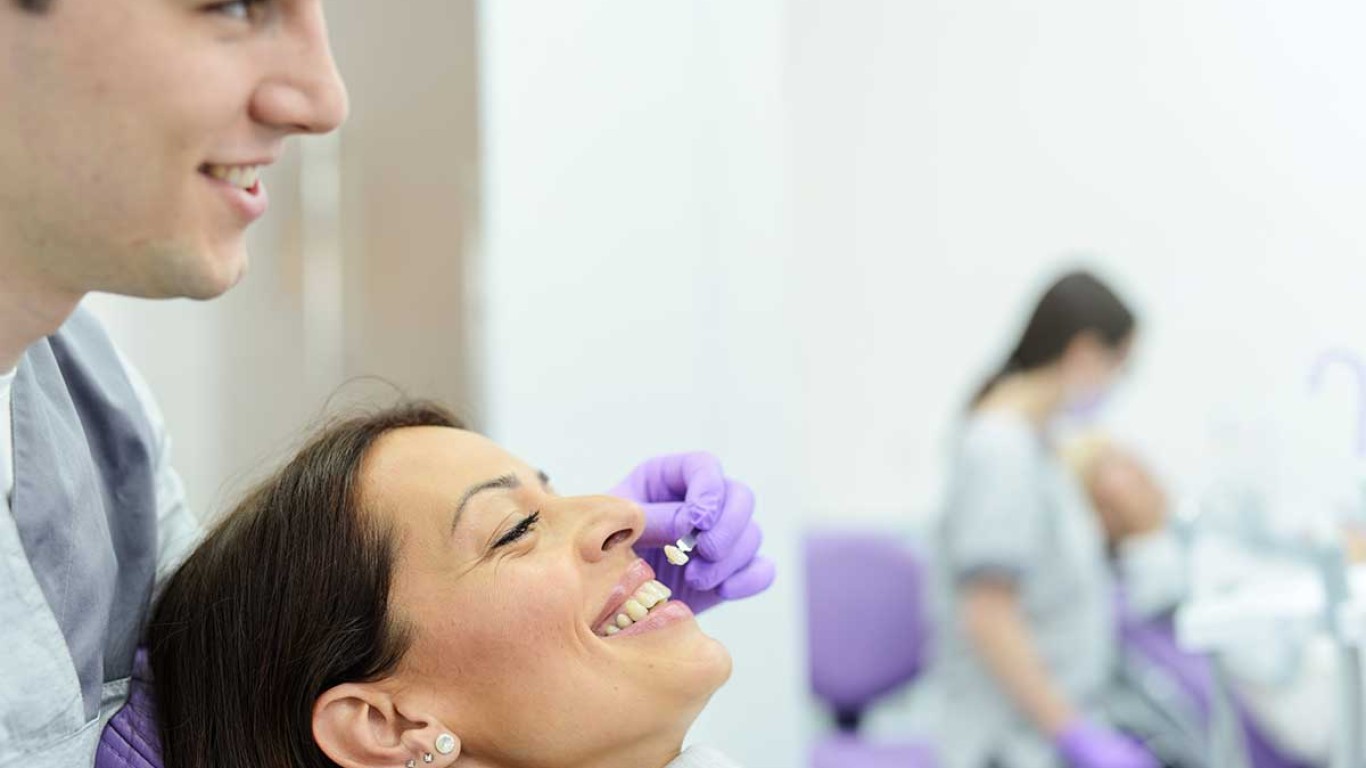
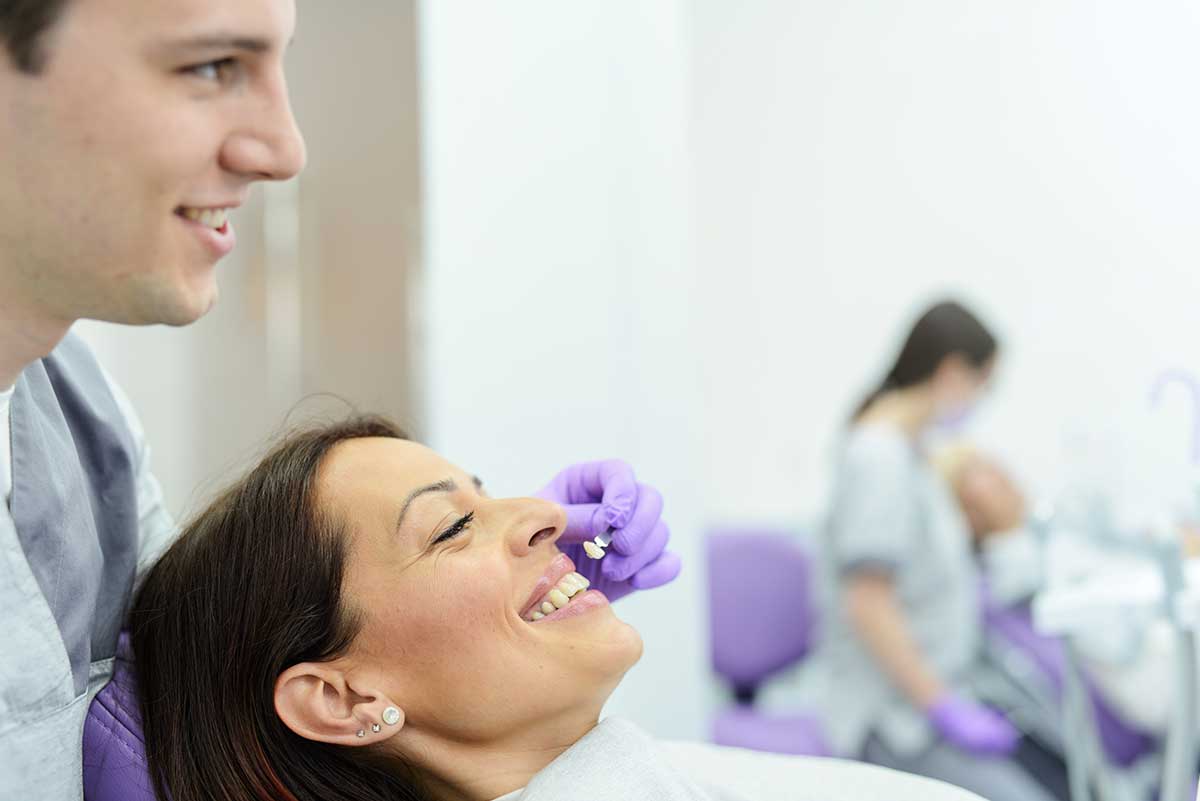
The procedure follows a structured process. The first appointment covers consultation and smile design. Digital photographs and scans capture precise measurements. The target shade and shape are agreed with the patient. On the preparation appointment, a thin layer of enamel is removed from each tooth. This creates space for the veneer. Temporary ones protect the prepared teeth. Permanent veneers are fabricated in the laboratory over two to five days. The final appointment involves fitting and bonding. Each veneer is checked for fit, shade and alignment. Once approved, the restorations are permanently bonded using dental adhesive. The bite is checked and refined. Most veneer treatments are completed within five to ten days. Patients leave with their completed smile at the final appointment.
What Is the Difference Between Porcelain and Composite Veneers?
Porcelain and composite options differ in several ways. Porcelain is stronger and more durable. They resist staining effectively. Their translucency closely mimics natural tooth enamel. Porcelain typically lasts ten to fifteen years. They require laboratory fabrication over several days. Composites are applied in a single appointment. They cost less than porcelain. However, they are less durable. Composite typically lasts five to seven years. It is more prone to staining and chipping over time. Porcelain produces a more refined and natural aesthetic. Composite suits patients wanting a more affordable entry point. The dentist recommends the most appropriate material based on individual dental health, aesthetic goals and budget. Many patients choose porcelain for front teeth and consider composite for less visible areas.
How Long Do Veneers Last?
Veneer lifespan depends on material and aftercare. Porcelain typically lasts ten to fifteen years. Zirconias may last fifteen to twenty years. Composites last five to seven years before needing replacement or polishing. Veneers do not last forever. Eventual replacement is expected. Proper aftercare extends lifespan significantly. Brushing twice daily with non-abrasive toothpaste protects the restorations. Flossing daily prevents decay at the veneer margins. Regular dental check-ups identify issues early. Night guards protect the new teeth from grinding damage during sleep. Avoiding hard foods prevents chipping. Patients who follow aftercare consistently achieve the longest veneer lifespans. The investment in good maintenance habits pays dividends over many years.
Do Veneers Look Natural?
Modern procedures produce highly natural results. Porcelain ones closely replicate the light properties of real teeth. They transmit and reflect light similarly to natural enamel. The dentist selects shade, shape and translucency to match the patient's features. Veneers should complement facial proportions. Overly bright or uniform results look artificial. Experienced cosmetic dentists create subtle shade variations for a more natural appearance. Digital smile design technology supports precise planning. Patients preview their result before treatment begins. This reduces the risk of unexpected outcomes. Natural-looking veneer is virtually indistinguishable from healthy teeth. The quality of the result depends heavily on the dentist's skill and aesthetic judgment.
Are Veneers Reversible?
Standard ones are not fully reversible. Enamel is removed during preparation. This preparation is permanent. The teeth require veneers or alternative restorations from that point onward. Minimal preparation ones remove very little enamel. These are closer to reversible but still involve some tooth modification. No-preparation veneers bond directly without enamel removal. They are fully reversible but suit only specific cases. Patients should understand the permanent nature of standard veneer preparation before committing. The decision to proceed should be well considered. Once enamel is removed, veneer or similar restorations are needed indefinitely. The trade-off is a significantly improved smile appearance that lasts for many years.
Veneers Treatment Experience and Aftercare
The veneer treatment experience is comfortable and well tolerated. Local anaesthesia numbs the teeth during preparation. Temporary ones protect the teeth between appointments. The bonding appointment is painless. Sensitivity to hot and cold may occur during the first few days. This settles quickly. Aftercare is straightforward. Maintain normal oral hygiene. Brush and floss daily. Attend dental check-ups every six months. Professional cleaning removes plaque that home care may miss. Avoid biting directly into very hard foods with the front teeth. Cut apples and similar items into pieces. A night guard protects against grinding damage. These simple habits support the longest possible veneer lifespan.
How Much Do Veneers Cost?
Pricing varies by material and location. In the UK, porcelain cost between six hundred and one thousand two hundred pounds per tooth. Turkey offers significantly lower pricing. Porcelain in Turkey typically costs one hundred fifty to three hundred fifty pounds per tooth. All-inclusive packages cover consultation, treatment, accommodation and transfers. The pricing difference reflects lower operational costs. Material quality remains identical. Leading Turkish clinics use the same Emax and zirconia brands available in the UK. Comparing total package value ensures the most informed decision. Many patients save thousands on a full set of new teeth by choosing Turkey. The combination of quality and value makes Turkey one of the most popular destinations for veneer treatment. Flexible treatment packages suit different budgets and smile goals.
Choosing the Right Veneer Shade
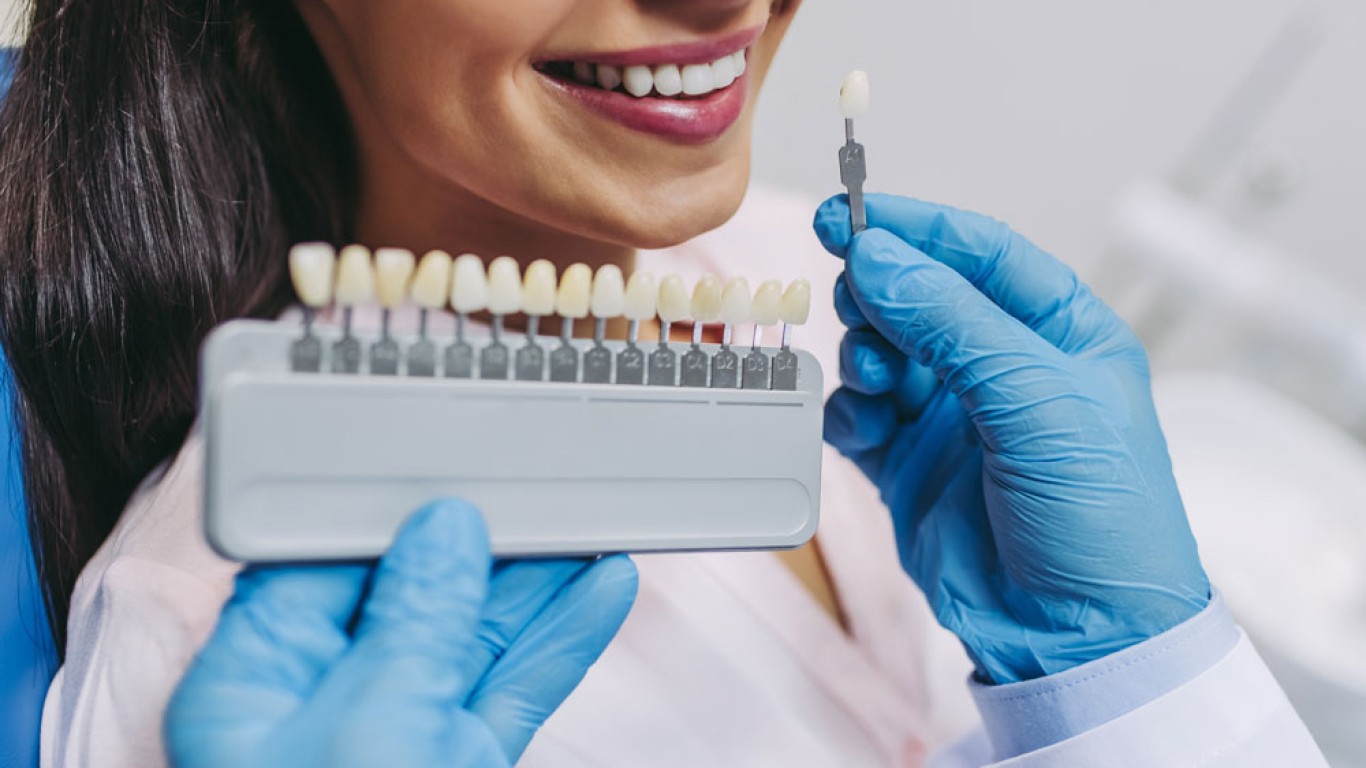
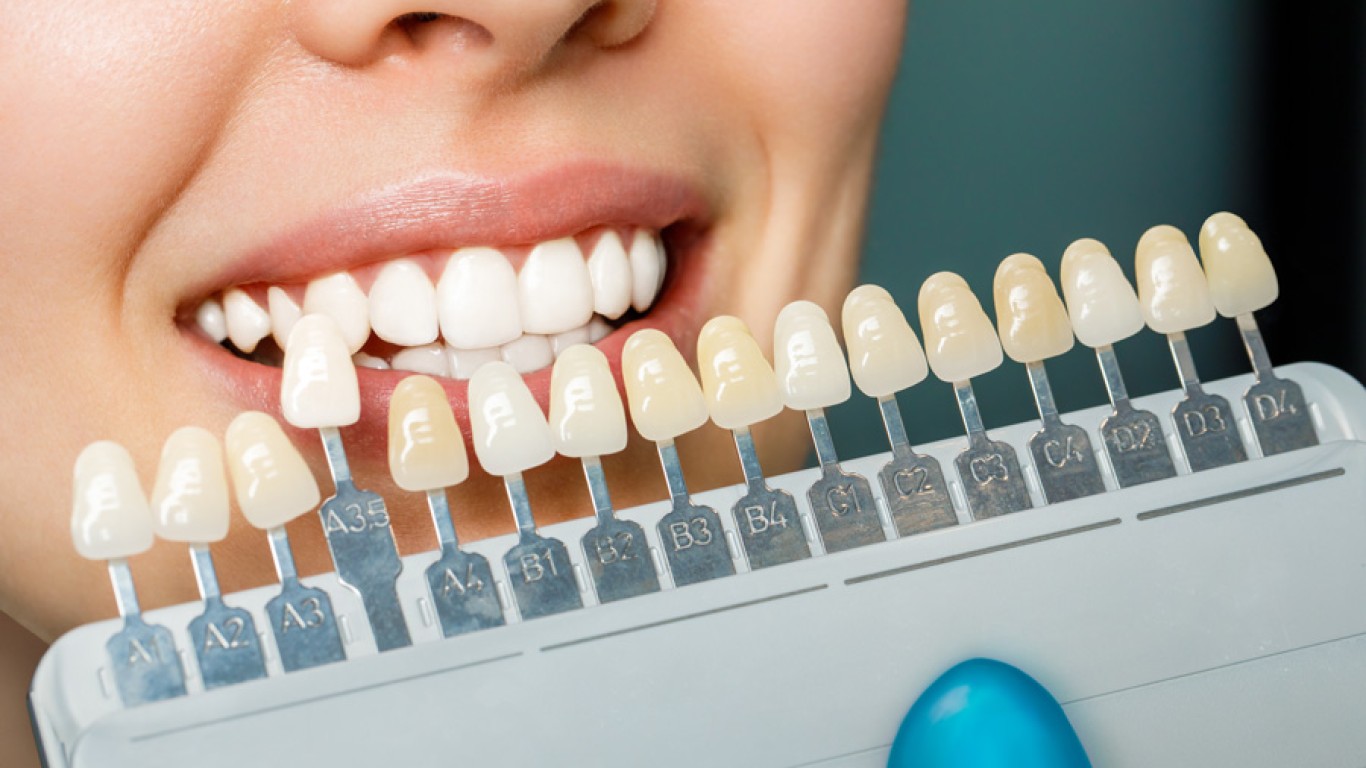
Patients frequently ask about teeth whitening before getting this procedure. Whitening the natural teeth before veneer placement helps achieve the best shade match. They do not change colour after bonding. The surrounding natural teeth should match the chosen veneer shade. Whitening beforehand establishes a consistent baseline. Once they are placed, only the natural teeth can be whitened if future shade adjustment is needed. They remain the original shade permanently. Discussing shade selection carefully during consultation prevents dissatisfaction. Digital smile design helps patients visualise different shade options before committing. Most patients prefer a bright but natural shade rather than an overly white appearance. The dentist guides shade selection based on skin tone, age and personal preference. Getting the shade right is one of the most important decisions in veneer treatment. Careful planning creates a balanced smile that complements overall facial appearance.
Conclusion
Veneers are a well-established treatment that transforms smile appearance effectively. Porcelain offers the best combination of aesthetics and durability. Composite provides an affordable alternative. Treatment takes five to ten days. Results are immediate and long lasting. Proper aftercare extends veneer lifespan significantly. Professional consultation ensures personalised assessment and supports confident decision-making. Modern materials and digital planning continue to improve natural-looking results and patient satisfaction after veneer treatment. Turkey offers experienced cosmetic dentists and high-quality veneer treatment at competitive pricing.
To find out more information about dental procedures and to book a consultation visit the ACIBADEM Beauty Center Dental Treatments page.
Frequently Asked Questions
Typically ten to fifteen years with proper aftercare.
Yes. Modern porcelain closely replicates natural tooth enamel.
No. Local anaesthesia ensures comfort during preparation.
Porcelain resists staining well. Composite is more prone to discolouration.
Typically one hundred fifty to three hundred fifty pounds per tooth all-inclusive.