Ataşehir Mah. Feza Sk. No:3 İstanbul / Türkiye
 English
Introduction
Getting rid of dark spots on your face is one of the most common skin care goals. Sun damage, acne marks, hormonal changes and ageing all leave behind unwanted pigmentation. The good news is that effective treatments exist at every level from professional clinical interventions to daily-use topical products. The challenge is choosing the right approach for the specific type of pigmentation. This article provides a practical guide to getting rid of dark spots on the face through the most effective methods available in 2026.
How to Get Rid of Dark Spots on Your Face: Options Overview
| Approach | Speed | Effectiveness |
| IPL / laser | Two to four weeks | High for sun spots and age spots |
| Chemical peel | One to four weeks | High for surface pigmentation |
| Microneedling | Four to eight weeks | Moderate, suits all skin tones |
| Hydroquinone (topical) | Four to eight weeks | High for all types |
| Retinol (topical) | Eight to twelve weeks | Moderate, supports other treatments |
| Vitamin C (topical) | Eight to twelve weeks | Mild to moderate, excellent preventive |
| Niacinamide (topical) | Six to twelve weeks | Mild to moderate, all skin tones |
Getting rid of dark spots on your face is fastest with professional treatments. IPL and chemical peels produce visible improvement within weeks. Topical products work more gradually but are more accessible and affordable. The most comprehensive approach combines professional treatment with daily topical maintenance and sun protection.
Get Rid of Dark Spots on Your Face with Professional Treatments
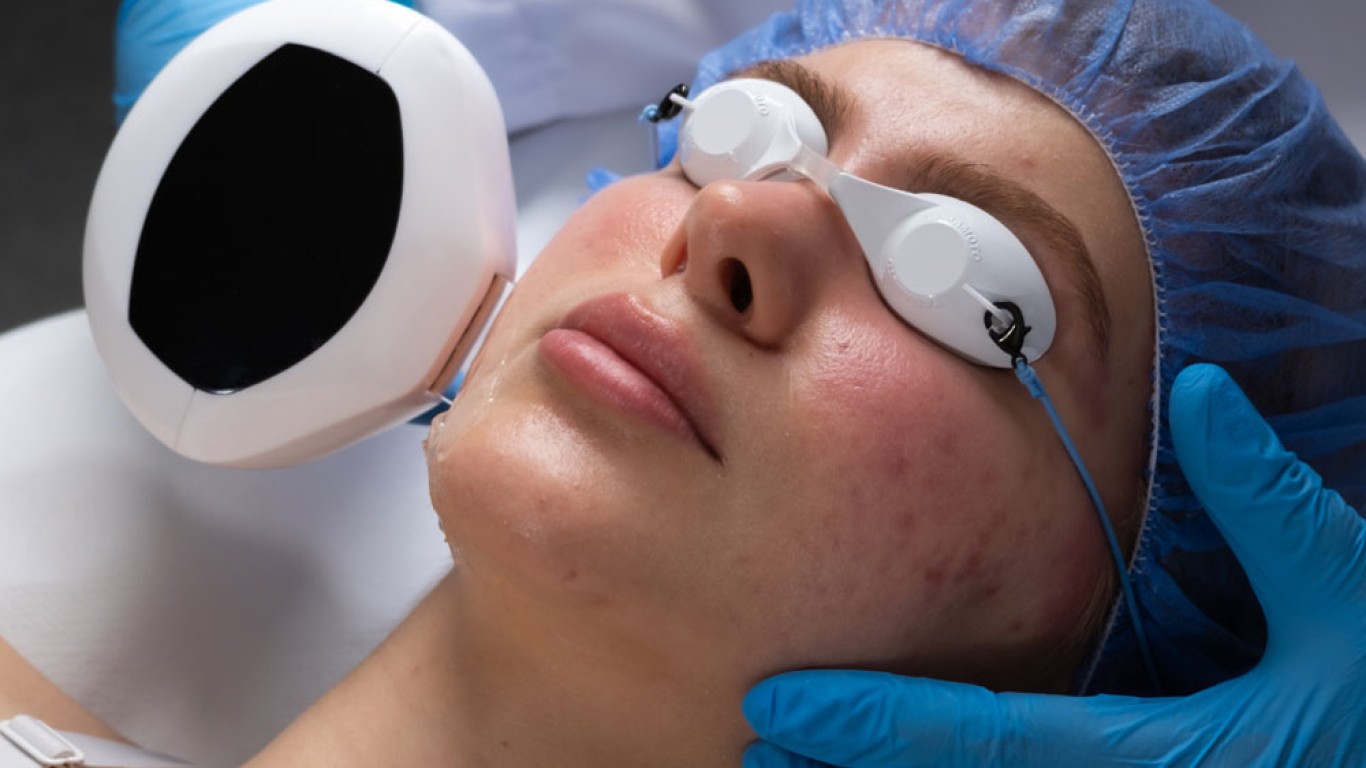
Professional treatments produce the fastest and most dramatic results. Dark spots on your face treated with IPL respond within two to four weeks. The intense pulsed light fragments melanin clusters. Body processes the fragmented pigment. The spot fades. One to three sessions produce significant clearing for sun damage and age spots. Dark spots on your face treated with chemical peels resurface the pigmented outer layers. New skin regenerates beneath. The improvement appears as the peel resolves over one to four weeks. Glycolic, lactic and TCA peels all address pigmentation. The depth is matched to the pigmentation severity. Dark spots on the face treated with microneedling respond over four to eight weeks. The controlled micro-injuries stimulate collagen turnover. Pigmented cells are replaced by new, normally pigmented cells. RF microneedling adds thermal energy for enhanced results. Microneedling suits all skin tones safely.
Get Rid of Dark Spots on Your Face with Topical Products
Topical products provide the most accessible treatment. Dark spots on your face respond to hydroquinone through melanin production inhibition. It is the most effective topical depigmenting agent. Prescription-strength formulations produce visible improvement in four to eight weeks. Over-the-counter strengths work more gradually. Dark spots on the face respond to retinol through accelerated cell turnover. New, unpigmented skin cells replace the pigmented ones. Results develop over eight to twelve weeks. Retinol also prevents future pigmentation by maintaining rapid cell renewal.
Dark spots on your face respond to vitamin C through antioxidant protection and mild melanin inhibition. L-ascorbic acid serum at ten to twenty percent concentration produces gradual lightening. The primary value is preventive. Vitamin C protects against the oxidative stress that triggers pigmentation. Dark spots on the face respond to niacinamide through melanin transfer inhibition. The pigment is produced but not distributed to the skin surface. Two to ten percent concentrations produce improvement over six to twelve weeks. Niacinamide suits all skin types and combines safely with every other active ingredient.

Get Rid of Dark Spots on Your Face: Building a Routine
An effective daily routine supports both treatment and prevention. Dark spots on your face morning routine should include vitamin C serum, moisturiser and SPF fifty. The vitamin C provides antioxidant protection. The SPF blocks the UV that triggers pigmentation. This combination prevents new spots while existing ones are being treated. Dark spots on your face evening routine should include cleansing, a depigmenting active and moisturiser. Hydroquinone, retinol, azelaic acid or niacinamide are applied in the evening. These actives work overnight during the skin's repair cycle. Dark spots on the face routine consistency determines results. Daily application produces cumulative improvement. Skipping days delays results. Products need eight to twelve weeks of consistent use before results are fully apparent. Patience and consistency are the two most important factors in topical pigmentation treatment.
Get Rid of Dark Spots on Your Face: Skin Tone Considerations
Treatment must be calibrated to skin tone. Dark spots on your face in lighter skin tones respond well to IPL, laser and medium-depth peels. The full range of professional treatments is available. The risk of treatment-induced pigmentation is low. Dark spots on your face in medium to darker skin tones require more conservative professional treatment. Aggressive energy-based treatments can trigger post-inflammatory hyperpigmentation. The treatment creates new dark spots while attempting to clear existing ones. Dark spots on the face in darker skin tones respond best to topical treatments, gentle peels and microneedling. These approaches produce genuine improvement without triggering the inflammatory pigmentation response that laser and IPL can cause. An experienced dermatologist selects treatment intensity and technology appropriate to the individual skin tone.
The Role of Sun Protection
SPF is the single most important element. Dark spots on the face cannot be treated effectively without daily sun protection. Every clinical treatment and topical product is undermined by subsequent UV exposure. The UV restimulates melanin production. Treated spots return. New spots form. Dark spots on your face treatment investment is wasted without SPF. SPF fifty applied every morning is the minimum standard. Reapplication every two hours during sun exposure maintains protection throughout the day. Tinted SPF provides additional visible light protection. This is particularly important for melasma patients. Visible light and heat contribute to melasma alongside UV. Dark spots on your face prevention through SPF is more effective than treatment. Preventing one dark spot costs nothing beyond the daily sunscreen application. Treating one dark spot may require multiple professional sessions. The preventive approach is both more effective and more economical.
Conclusion
Getting rid of dark spots on your face requires appropriate treatment for each pigmentation type. Professional options include selected laser treatments, chemical peels and other dermatological procedures. Topical ingredients such as hydroquinone, retinoids, vitamin C and niacinamide may support gradual improvement. However, individual results depend on the underlying cause and treatment consistency. Daily broad-spectrum sun protection is essential for managing many pigmentation conditions. Combination approaches may be appropriate following professional assessment. Patients should also understand that some pigmentation conditions can recur despite successful initial treatment. Ongoing maintenance and realistic expectations are therefore important. Professional assessment supports suitable treatment selection and appropriate monitoring. Turkey offers various pigmentation treatments through specialist providers at potentially competitive prices.
For more information about dark spots and to book a consultation visit the ACIBADEM Beauty Center Skin Treatments page.
Frequently Asked Questions
IPL and chemical peels produce visible improvement within one to four weeks.
Yes. Hydroquinone, retinol, vitamin C and niacinamide produce genuine improvement with consistent use.
Professional: one to four weeks per session. Topical: eight to twelve weeks of consistent daily use.
They can without daily SPF. Sun protection is essential for maintaining all treatment results.
Generally not. Lemon juice and baking soda can irritate skin without producing reliable depigmentation.