Ataşehir Mah. Feza Sk. No:3 İstanbul / Türkiye
 English

Introduction
Inverted nipple correction is a short procedure that helps nipples project outwards permanently. An inverted nipple points inwards or lies flat rather than protruding. The condition can affect one or both nipples in women and men. Many people are born with inverted nipples, while others develop them later in life. For some, the concern is mainly cosmetic and affects confidence. For others, it can cause hygiene problems or difficulty with breastfeeding. Fortunately, effective treatment options are widely available. This article explains what causes inverted nipples and how they are graded. It also describes non-surgical and surgical treatments, recovery and expected results.
What Causes Inverted Nipples?
Inverted nipples can be present from birth or develop later. Congenital inversion is usually caused by short milk ducts beneath the nipple. Tight bands of fibrous tissue can also pull the nipple inwards. These structures tether the nipple and prevent it from projecting normally. Acquired inversion develops over time for a variety of reasons. Breastfeeding, ageing and significant weight changes can all affect nipple shape. Previous breast surgery or infection, such as mastitis, may cause scarring. Scar tissue can then pull the nipple inwards. Importantly, a newly inverted nipple should always be assessed by a doctor. In rare cases, new inversion can be a sign of an underlying breast condition. Medical evaluation should take place before any cosmetic treatment is considered.
What Is Inverted Nipple Correction?
Inverted nipple correction is a treatment that brings the nipple into a normal, projecting position. The aim is to achieve a natural appearance and lasting projection. Treatment can be surgical or non-surgical, depending on the severity of inversion. Surgical correction releases the tissues that pull the nipple inwards. The nipple is then supported in its new position with fine internal stitches. The procedure is usually performed under local anaesthesia. Most patients go home on the same day. The surgery leaves only small scars that typically fade well over time. Results are generally permanent, although recurrence can occasionally occur.
Grades of Nipple Inversion
Surgeons classify nipple inversion into three grades. The grade helps determine the most suitable treatment approach. The following table summarises each grade.
| Grade | Description | Typical Treatment |
| Grade 1 | Nipple can be pulled out easily and stays out for some time | Non-surgical methods or minimal surgery |
| Grade 2 | Nipple can be pulled out but quickly retracts | Surgery with partial release of fibrous tissue |
| Grade 3 | Nipple cannot be pulled out manually | Surgery, often with division of tight ducts |
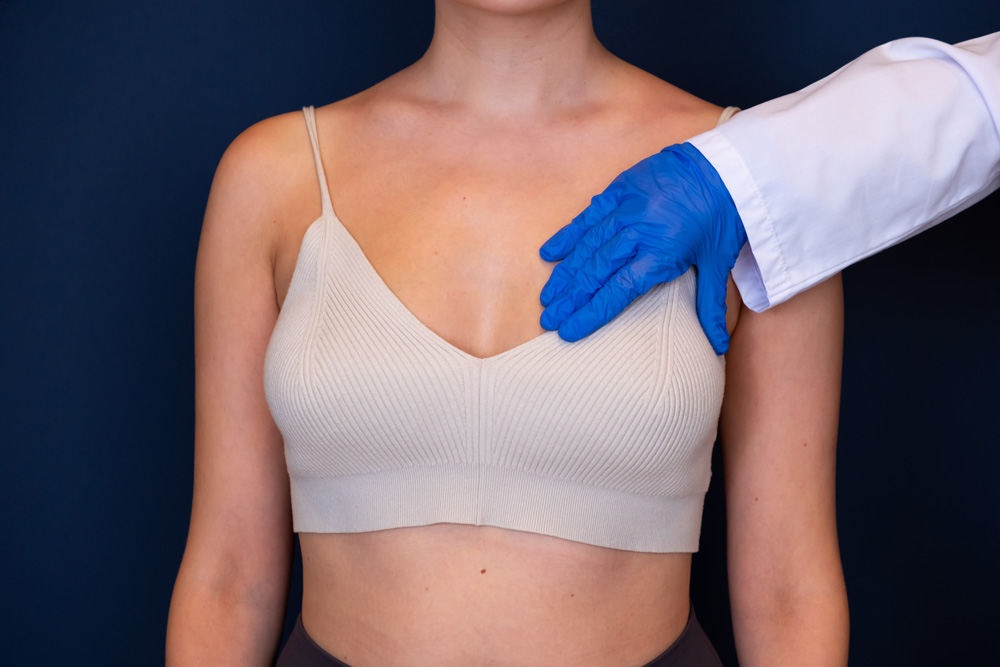
Higher grades usually involve more fibrous tissue and shorter milk ducts. A surgeon will confirm the grade during a physical examination.
Who Is a Suitable Candidate for Inverted Nipple Correction?
Inverted nipple correction suits adults bothered by the appearance or function of their nipples. Candidates may have congenital inversion affecting one or both sides. Others may have developed inversion after breastfeeding or weight changes. Patients should be in good general health and have realistic expectations. Any recent or unexplained change in nipple shape requires medical assessment first. Patients planning future pregnancies should discuss breastfeeding goals with their surgeon. Smokers are usually advised to stop before surgery to support healing. Men with inverted nipples can also benefit from the procedure.
Non-Surgical Inverted Nipple Correction Options
Some patients with mild inversion may try non-surgical approaches first. Suction devices are the most common non-surgical option. These small cups apply gentle, continuous suction to draw the nipple outwards. Patients usually wear them for several hours each day over several weeks or months. Over time, the suction can gradually stretch the tight tissues. Results vary and may not last once the device is no longer used. Manual stretching techniques may also help some patients with grade one inversion. Nipple piercing can keep the nipple projected in some cases. However, piercing carries risks such as infection and duct damage. For moderate or severe inversion, surgery usually offers more reliable results.
Surgical Inverted Nipple Correction: Step by Step
Surgery is the most effective option for lasting results in moderate or severe cases. The procedure usually takes thirty to sixty minutes for each nipple. It is typically performed under local anaesthesia, sometimes with light sedation. The surgeon first makes a small incision at the base of the nipple. Through this incision, tight fibrous bands are carefully released. In mild cases, the milk ducts can be preserved. In severe cases, some tight ducts may need to be divided to allow projection. The nipple is then lifted into its new position. Fine internal stitches help support the nipple and prevent it from retracting. The incision is closed with small, often dissolvable sutures. A protective dressing or nipple shield may be applied to avoid pressure.
Recovery After Inverted Nipple Correction
Recovery after inverted nipple correction is usually quick and comfortable. Most patients experience mild soreness that over-the-counter pain relief can manage. Swelling and minor bruising typically settle within one to two weeks. Many patients return to work within one to two days. Patients should wear a soft, supportive bra that avoids pressure on the nipples. A protective shield may be recommended for the first few days. Strenuous exercise should be avoided for two to three weeks. Patients should keep dressings clean and dry as instructed. Sutures usually dissolve or are removed within one to two weeks. Scars typically fade well and become difficult to see over time. Final results are usually visible within two to three months.
Inverted Nipple Correction and Breastfeeding
Breastfeeding is an important consideration before surgery. Techniques that preserve the milk ducts aim to protect the ability to breastfeed. These techniques are usually possible for grade one and some grade two cases. In severe cases, dividing some milk ducts may be necessary for lasting correction. This can reduce or prevent the ability to breastfeed from the treated nipple. Patients planning future pregnancies should discuss this openly with their surgeon. The surgeon can explain which technique is most suitable and its likely effects. Some patients choose to delay surgery until after they have finished breastfeeding.
Preparing for Surgery
Good preparation supports a smooth procedure and recovery. The process begins with a consultation and physical examination. The surgeon confirms the grade of inversion and discusses treatment goals. Breastfeeding plans and medical history are reviewed in detail. Patients with recent nipple changes may need breast imaging before surgery. Smokers are advised to stop several weeks beforehand to support healing. Some medications and supplements may need to be paused before the procedure. Patients should wear a loose, front-opening top on the day of surgery. Arranging a lift home is sensible if sedation is used.
Conclusion
Inverted nipples are common and can be corrected effectively. Mild cases may respond to suction devices or other non-surgical methods. Surgery offers reliable, long-lasting results for moderate and severe inversion. The procedure is quick, usually performed under local anaesthesia, with a short recovery. Patients should discuss breastfeeding plans and expected outcomes with their surgeon. A professional consultation ensures the most suitable approach for each patient.
To learn more about inverted nipple correction and to book a consultation, visit the ACIBADEM Beauty Center Aesthetics webpage.
Frequently Asked Questions
Most patients feel only mild soreness. Local anaesthesia keeps the procedure comfortable.
The procedure usually takes thirty to sixty minutes for each nipple.
Duct-preserving techniques aim to protect breastfeeding. Severe cases may affect this ability.
Results are generally permanent, although recurrence can occasionally occur.
Most patients return to work within one to two days after surgery.