Ataşehir Mah. Feza Sk. No:3 İstanbul / Türkiye
 French
  English
  German
  Spanish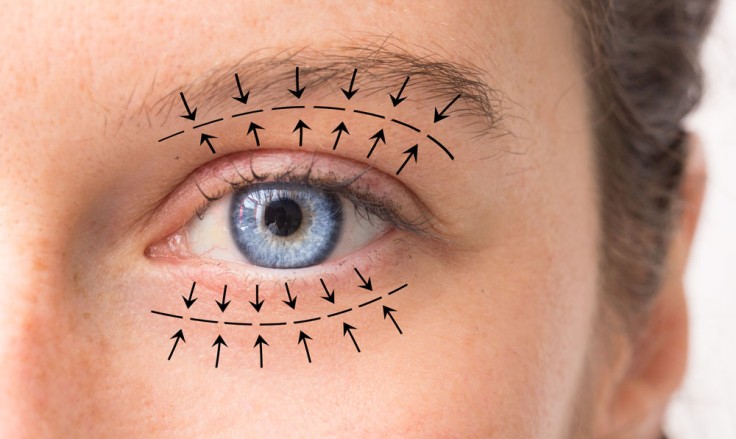
Introduction
Drooping eyelids can affect both appearance and visual function. The condition occurs when the upper eyelid drops lower than its normal position over the eye. In some cases, the droop is mild and primarily cosmetic. In others, it can obstruct the upper visual field and interfere with daily activities. Ptosis surgery is designed to correct this condition by repositioning or tightening the muscle responsible for lifting the eyelid. The procedure restores a more open and symmetrical eye appearance. Many patients seek treatment to improve both function and aesthetics. Understanding the procedure helps patients set realistic expectations.
What Causes Drooping Eyelids?
Drooping eyelids develop for several reasons. The most common cause is age-related weakening of the levator muscle that lifts the upper eyelid. Over time, this muscle can stretch and lose its ability to hold the eyelid in its correct position. Congenital ptosis is present from birth and results from underdeveloped levator muscle fibres. Neurological conditions can also contribute to eyelid drooping by affecting nerve signals to the muscle. Trauma or previous eye surgery may weaken the eyelid structure as well. Surgical correction addresses the underlying cause regardless of origin. A thorough examination identifies the specific factor responsible in each patient.
How Ptosis Surgery Works
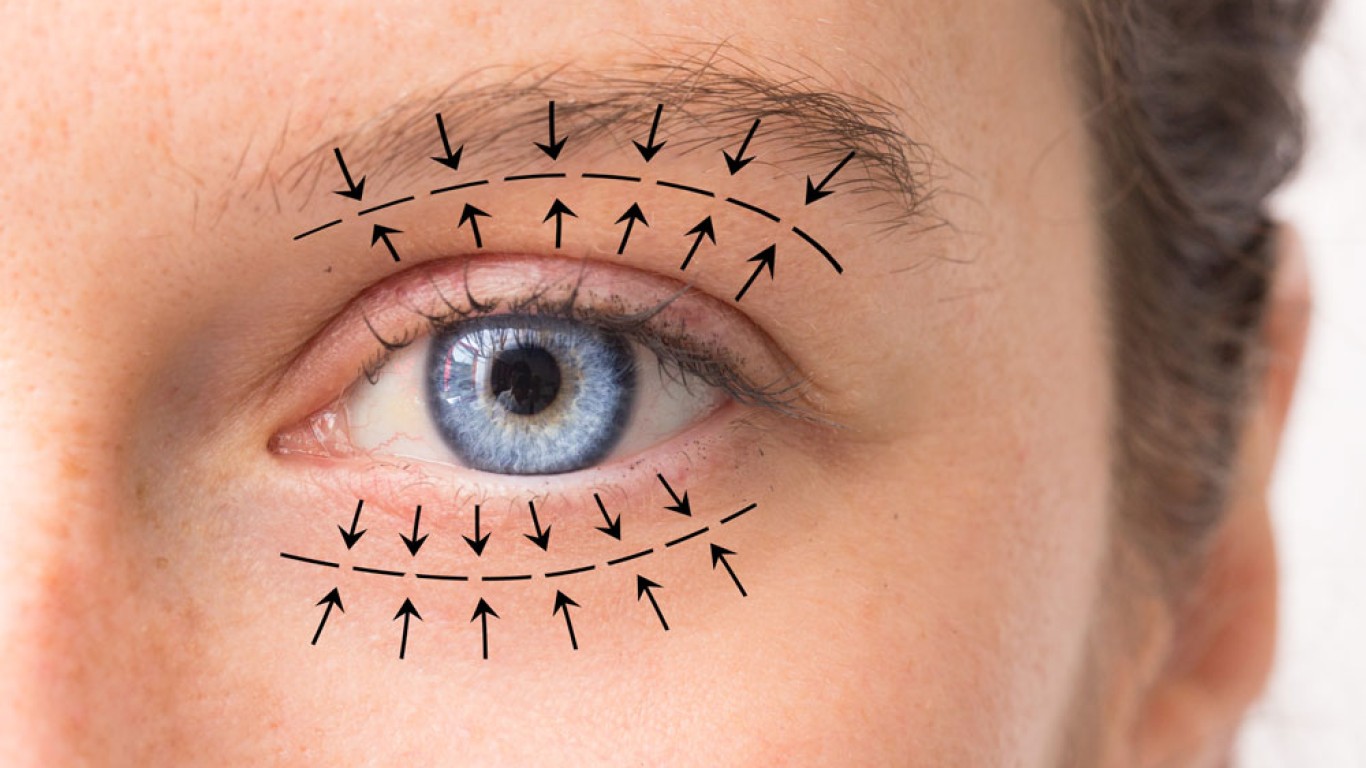
Ptosis surgery corrects drooping by strengthening or repositioning the levator muscle in the upper eyelid. The surgeon accesses the muscle through an incision in the natural eyelid crease. The muscle is tightened or reattached to lift the eyelid. A frontalis sling technique may be used when the muscle is severely weakened. The procedure aims to restore symmetry between both eyes while creating a natural appearance. The incision is closed with fine sutures that heal within the eyelid crease. This placement helps minimise visible scarring after the procedure.
Who Is a Good Candidate for Ptosis Surgery?
Ideal candidates have a measurable eyelid droop that affects appearance or visual function. The procedure suits patients whose drooping is caused by muscle weakness rather than excess skin alone. Candidates should be in good general health. Non-smokers tend to heal more predictably. Adults and children with congenital ptosis may both benefit from surgical correction depending on the severity of the condition. A comprehensive eye examination evaluates droop, muscle function and eyelid structure. This assessment determines the most appropriate surgical technique for each individual patient.
Comparing Ptosis Correction with Blepharoplasty
Ptosis surgery and blepharoplasty are different procedures that address different concerns. Blepharoplasty removes excess skin from the upper eyelid to correct hooding. Ptosis surgery specifically targets the levator muscle to lift a drooping eyelid. Some patients have both excess skin and a weak levator muscle. In these cases, the two procedures may be combined for comprehensive correction. The distinction is important because skin removal alone will not correct a true ptosis. Accurate diagnosis ensures the correct procedure is recommended. Specialists assess eyelid height, muscle strength and skin excess during consultation to determine the right approach.

What to Expect During the Procedure
The procedure is typically performed as a day case under local anaesthesia with sedation. This procedure usually takes between forty-five minutes and ninety minutes depending on whether one or both eyelids are treated. The surgeon makes precise adjustments to the levator muscle through the eyelid crease incision. Eyelid height is carefully assessed during the procedure to ensure balanced symmetry between both sides. Fine sutures close the incision. Most patients return home the same day. The procedure is considered safe when performed by experienced oculoplastic or eyelid specialists.
Recovery After the Procedure
Recovery is generally straightforward. Mild swelling and bruising around the eyes are common during the first week. Cold compresses and head elevation help manage these effects. Sutures are typically removed within seven to ten days. Most patients feel comfortable returning to daily activities within one to two weeks following the procedure. Visible improvement appears even during the early healing stage as the eyelid sits higher immediately after treatment. Final results develop as swelling resolves fully over the following weeks. Following aftercare instructions carefully supports smooth healing and an optimal outcome.
Results and How They Develop
Improvement is visible almost immediately because the eyelid is physically repositioned during the procedure. However, swelling can temporarily affect the appearance of the result during the first few weeks. As healing progresses, the eyelid settles into its corrected position. Results typically stabilise within two to three months. The eyes appear more open, alert and symmetrical. Most patients notice a significant improvement in their field of vision if functional ptosis was present. Results are designed to be long lasting. Natural ageing may cause mild changes over many years.
Functional Benefits of Ptosis Surgery
For patients with significant drooping, the procedure offers important functional benefits beyond cosmetic improvement. A drooping eyelid can obstruct the upper portion of the visual field. This affects activities such as reading, driving and using screens. Ptosis surgery lifts the eyelid to restore a clearer and wider visual field. Many patients report reduced eyestrain after the procedure. The improvement in daily visual comfort can be significant. Patients who previously compensated by raising their eyebrows often notice reduced forehead tension after correction. Both cosmetic and functional improvements contribute to high satisfaction.
Risks and Considerations
As with any surgical procedure, ptosis surgery carries potential risks. These may include temporary asymmetry, mild dryness or difficulty closing the eyelid fully during the initial healing period. Undercorrection or overcorrection can occasionally occur. In rare cases, a revision procedure may be needed to fine-tune the result. Serious complications are uncommon when surgery is performed by experienced specialists. Patients are informed of potential risks during the consultation process so they can make fully informed decisions. Choosing a qualified surgeon is one of the most important steps.
Treatment in Children
Congenital ptosis affects some children from birth. The condition occurs when the levator muscle does not develop properly. If the droop is severe, it can obstruct vision and affect normal visual development in the affected eye. Ptosis surgery in children aims to lift the eyelid to allow clear vision and support healthy eye development. Early intervention may be recommended when ptosis risks causing amblyopia. The surgical approach in children is tailored to the severity of the condition. Paediatric specialists assess each case individually to determine the appropriate timing and technique.
Preparing for Ptosis Surgery
Preparation supports a smooth surgical experience. Patients typically receive guidance about medications to avoid before the procedure. Blood-thinning medications may need to be paused temporarily. Transport home after surgery is important because driving is not permitted on the same day. Patients should plan for a few days of rest following the procedure. Keeping cold compresses and prescribed eye drops ready in advance helps with early recovery. Preparation also includes a detailed consultation. During this the surgeon explains the planned approach and expected outcome clearly.
Choosing the Right Specialist
Selecting an experienced specialist is essential for achieving the best possible ptosis procedure outcome. Oculoplastic surgeons have specific training in eyelid anatomy and function. Reviewing before-and-after photographs helps patients understand what results can realistically be expected. Professional memberships and board certifications provide reassurance about training standards. Patient testimonials offer insight into the care experience and satisfaction levels. Ptosis surgery requires detailed understanding of eyelid mechanics. Specialist experience directly influences the quality and predictability of the correction achieved.
Emotional Impact of Drooping Eyelids
Drooping eyelids can affect self-confidence and daily comfort. Many patients feel that their eyes appear tired or asymmetrical even when they are well-rested. This perception can influence self-image and social interactions over time. Correction addresses these concerns by restoring a more alert appearance. Patients often report improved confidence after the procedure. Feeling that their eyes reflect how they actually feel is an important benefit.
Ptosis Surgery and Long-Term Eye Health
Correcting a drooping eyelid can support long-term eye health as well as appearance. A severely drooping lid may cause the patient to tilt their head or raise their eyebrows constantly to compensate. These compensatory habits can lead to forehead tension and neck discomfort over time. Correction eliminates the need for these adjustments. The eyelid functions more naturally after correction. Patients who previously strained to keep their eyes open often notice immediate relief after the procedure. These functional gains add meaningful value to the surgical outcome.
Conclusion
Ptosis surgery is an effective treatment for correcting drooping eyelids and restoring a more open eye appearance. The procedure targets the levator muscle to lift the eyelid to its correct position. Both functional and cosmetic improvements contribute to high patient satisfaction. Recovery is generally straightforward with visible improvement from the first week. Results are long lasting when performed by experienced specialists. Professional consultation ensures personalised planning and the most appropriate surgical approach for each patient.
For more information and to book a consultation visit the ACIBADEM Beauty Center Blepharoplasty page.
Frequently Asked Questions
It is a procedure that corrects drooping eyelids by tightening the levator muscle.
Yes, lifting a drooping eyelid can restore a wider visual field.
Most patients return to daily activities within one to two weeks.
It is typically performed under local anaesthesia with sedation.
Results are designed to be long lasting with stable improvement.