Ataşehir Mah. Feza Sk. No:3 İstanbul / Türkiye
 French
  English
  German
  Spanish
Introduction
Significant weight loss often improves health, mobility and overall wellbeing. Many individuals feel stronger and more energetic after reducing body weight. However, changes in body weight can also affect skin elasticity and body contour. As fat volume decreases, the skin sometimes appears looser in certain areas. This occurs because the skin previously stretched to accommodate increased body mass. Skin tightening after weight loss is frequently considered to address these changes. In some cases, small pockets of fat may also remain in certain areas. Combining fat removal with skin tightening treatments can help refine body shape and restore smoother transitions between body regions. Understanding how these approaches work together helps individuals achieve balanced and natural-looking contour improvements.
Why Loose Skin Occurs After Weight Loss
The skin stretches gradually when the body gains weight. Over time, collagen and elastin fibres within the skin adapt to this expansion. These fibres provide flexibility and structural support that allow the skin to expand. When weight is reduced, the skin may not always retract completely. Skin tightening after weight loss focuses on restoring firmness to these areas. The amount of loose skin depends on several factors including age, genetics and the amount of weight lost. Rapid weight reduction may also increase the likelihood of skin laxity because the skin has less time to adapt. Treatments are therefore designed to support the skin as it adjusts to the new body shape.
Understanding Skin Tightening After Weight Loss
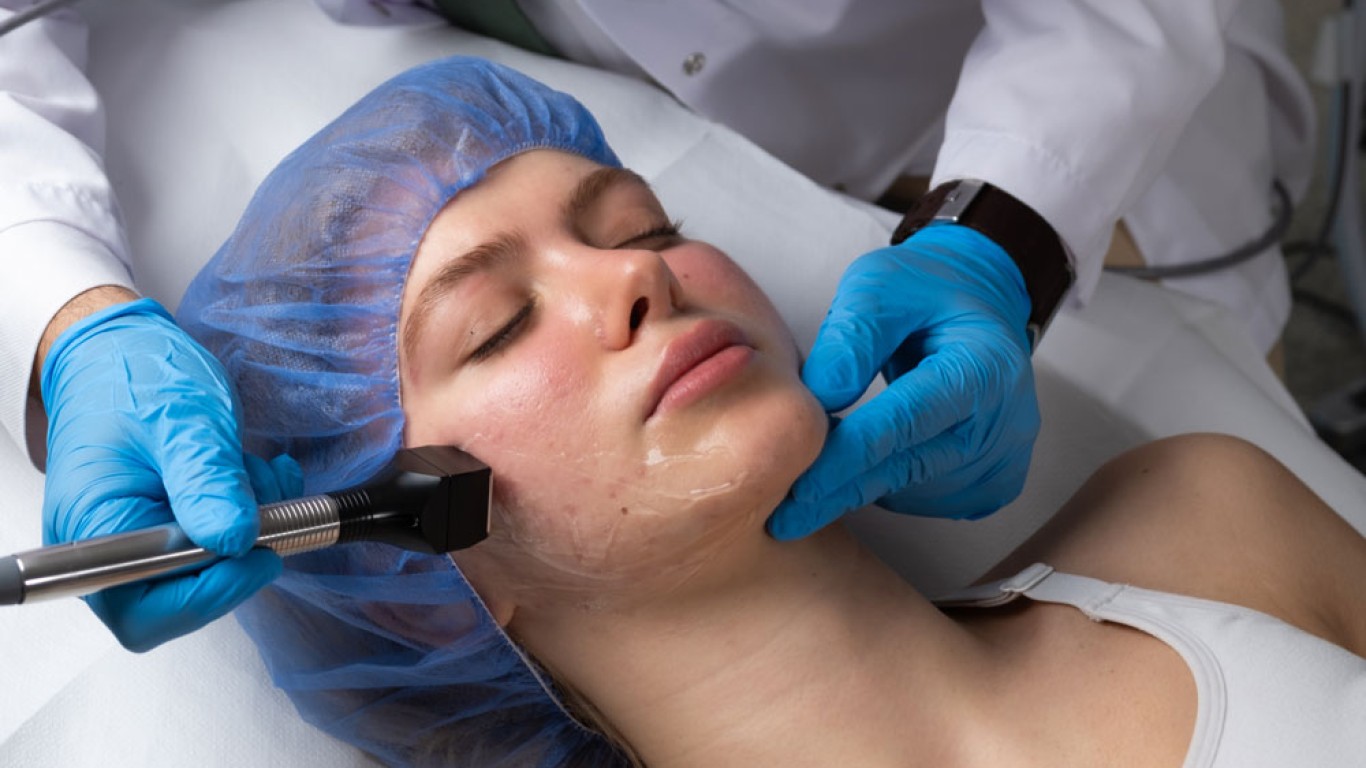
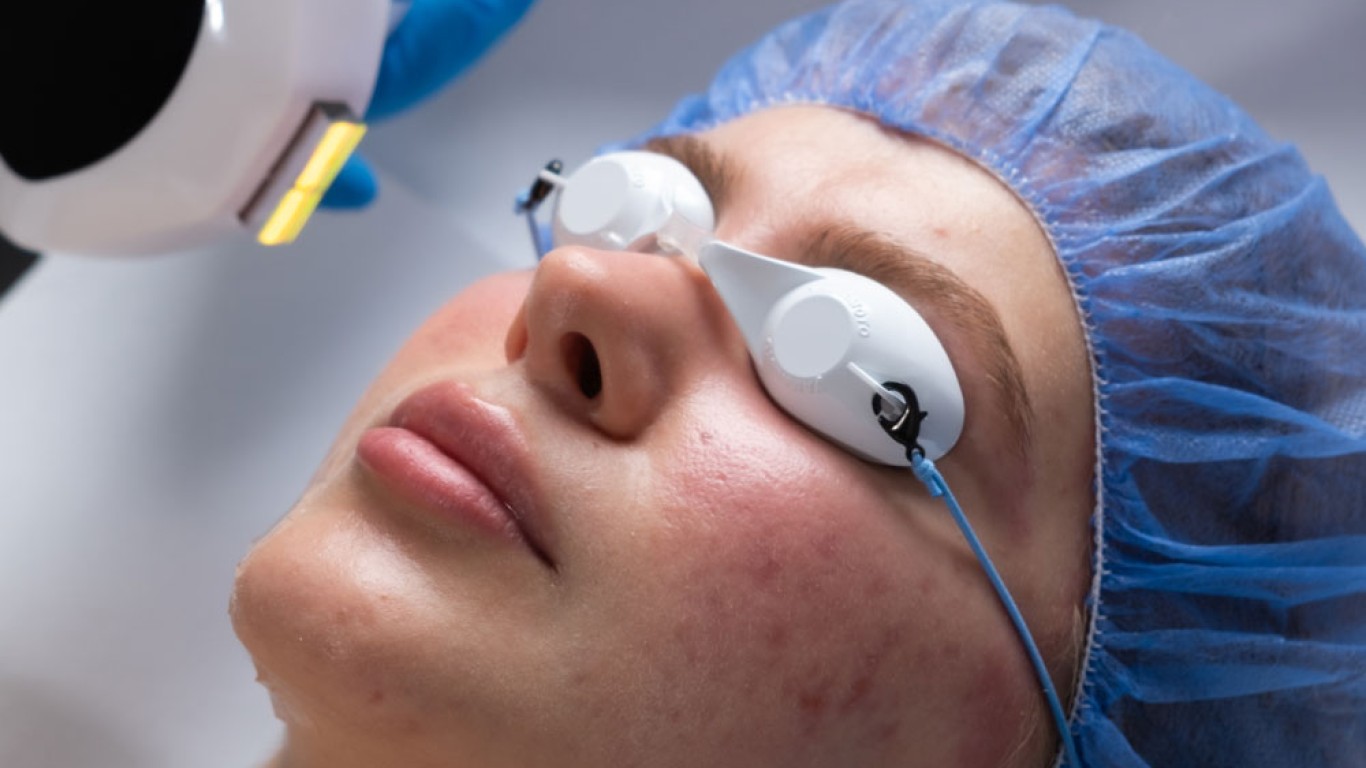
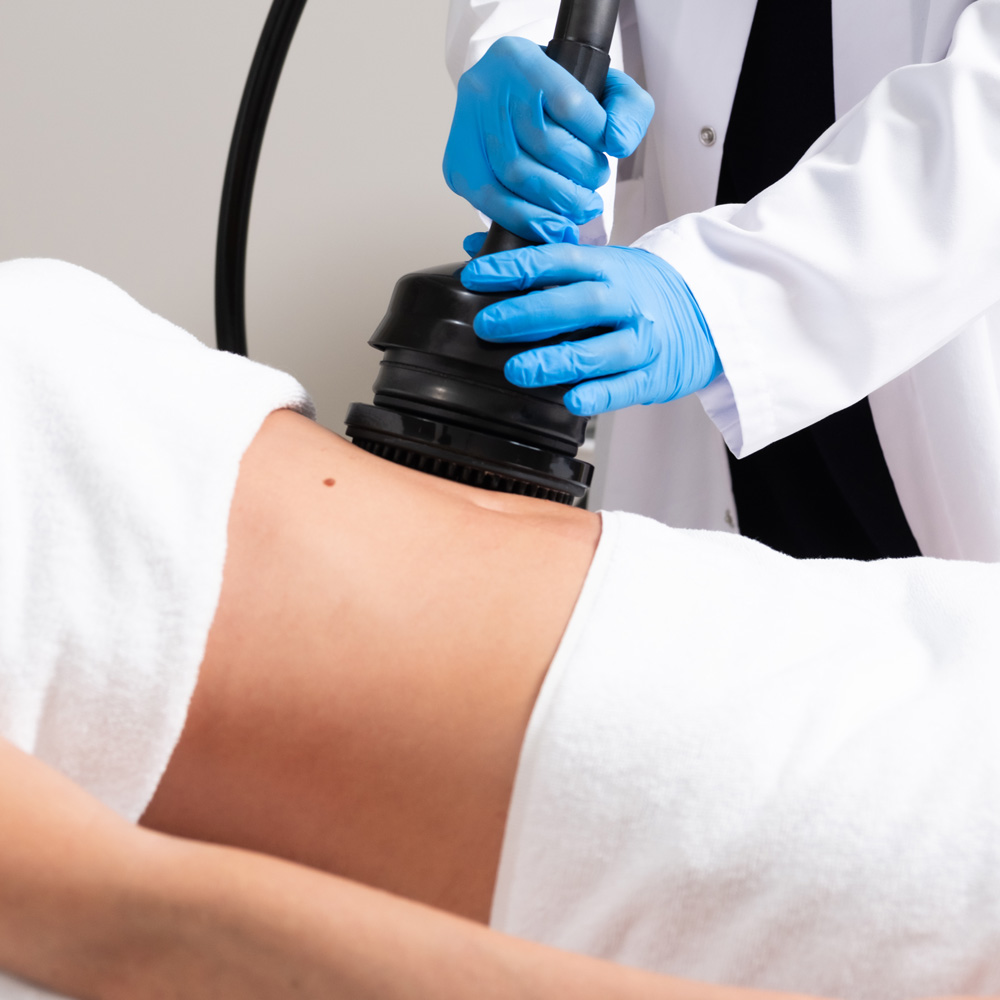
Skin tightening procedures aim to stimulate collagen production within the skin. Collagen fibres play an essential role in maintaining skin firmness and elasticity. Technologies such as radiofrequency, ultrasound or laser energy can activate collagen beneath the skin surface. Skin tightening after weight loss treatments gradually improve skin texture and firmness. These procedures help the skin appear smoother and more structured over time. These methods are often recommended when laxity is mild to moderate. In cases where the skin retains some elasticity, collagen stimulation can produce noticeable improvement. Over time, the skin may adapt more closely to the body’s new contours.
How Fat Removal Complements Skin Tightening
After weight reduction, some individuals still notice localised fat deposits in certain areas. These deposits may remain in regions such as the abdomen, thighs or arms. Fat removal procedures target these pockets to refine body contour. Skin tightening after weight loss can be combined with fat removal to enhance the final appearance. Removing excess fat may improve body proportions, while tightening treatments support smoother skin adaptation. Together, these approaches address both fat distribution and skin laxity. This combination helps create more balanced body contours and improves the overall body silhouette.
Common Areas Treated With Skin Tightening After Weight Loss
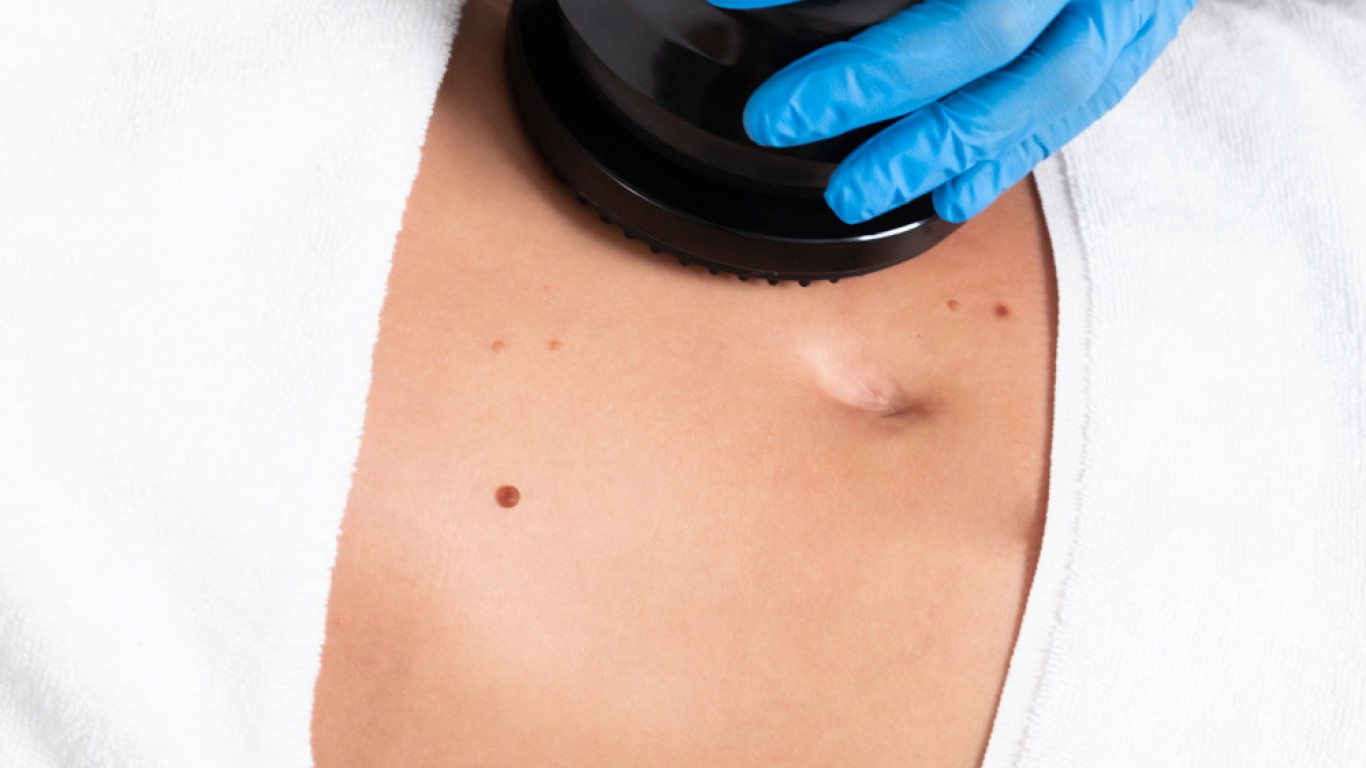
Certain areas of the body are more likely to show changes after weight loss. The abdomen often develops loose skin due to previous stretching during weight gain. The upper arms may also appear softer if skin elasticity has decreased. Thighs, hips and lower back regions can experience similar changes following weight reduction. Skin tightening after weight loss treatments frequently target these areas to improve contour. In some individuals, the chest or buttocks may also show changes in firmness. Combining treatments helps refine the overall body silhouette and improve smooth transitions between body regions.
The Importance of Skin Elasticity in Treatment Planning
Skin elasticity plays a key role in determining which treatments are most suitable. Elasticity reflects the strength of collagen and elastin fibres within the skin layers. Younger skin often contains stronger collagen networks that respond well to tightening technologies. When elasticity remains strong, non-surgical approaches may improve firmness effectively. Skin tightening after weight loss planning begins with evaluating skin condition and overall tissue quality. Specialists assess collagen strength and the degree of laxity before recommending treatment. This evaluation helps ensure that procedures align with each patient’s anatomy and treatment goals.
Timing Treatments After Weight Loss
Timing is an important factor when combining contour treatments after weight loss. Specialists usually recommend waiting until body weight stabilises before planning procedures. Skin tightening after weight loss treatments often work best once weight fluctuations have stopped. Stabilisation allows the body to adapt naturally to the new weight. It also helps specialists design more accurate treatment plans based on the final body shape. Patients who wait until their weight stabilises often achieve more consistent results. This timing also supports long-term contour stability after treatment.
Recovery and Treatment Experience
Recovery varies depending on the combination of procedures used. Non-surgical skin tightening treatments often allow patients to resume daily activities quickly. Fat removal procedures may involve short recovery periods depending on the technique used. Skin tightening after weight loss treatments typically improve gradually as collagen production increases. Patients may notice subtle improvements in skin texture during the weeks following treatment. Over time, the treated areas become firmer and more defined. Patients usually notice contour improvements as the body adapts to these changes.
Maintaining Results Long Term
Maintaining contour improvements requires consistent healthy lifestyle habits. Balanced nutrition supports stable body weight and overall skin health. Regular exercise helps maintain muscle tone beneath the skin. Skin tightening after weight loss results often last longer when these habits are maintained. Hydration also supports healthy skin structure and elasticity. Skincare routines that protect collagen can further support skin firmness. These habits contribute to the longevity of contour improvements achieved through treatment.
Who May Consider Combined Treatments
Individuals who have achieved significant weight loss often consider combined contour treatments. Some people notice both loose skin and localised fat deposits after weight reduction. Skin tightening after weight loss combined with fat removal may address both concerns simultaneously. Specialists evaluate body structure, skin elasticity and treatment goals before recommending procedures. Patients seeking refined body proportions often explore this combined approach. The aim is to support natural contour improvements that match the individual’s anatomy.
How Muscle Tone Supports Skin Tightening Results
Muscle tone plays an important role in how the body appears after weight loss. When underlying muscles are strengthened, they provide better structural support for the skin. This can improve the appearance of areas that previously looked softer or less defined. Many individuals who pursue skin tightening after weight loss also incorporate strength training into their routines. Exercises that focus on the abdomen, arms and thighs can improve body definition. Increased muscle tone beneath the skin can create a firmer visual contour. While exercise alone may not eliminate loose skin, it can support the overall outcome of contouring treatments.
Gradual Improvement in Skin Texture
Skin adaptation after weight loss often occurs gradually rather than immediately. Treatments designed to stimulate collagen production work over time as the body responds to the procedure. Skin tightening after weight loss therefore often produces progressive improvements rather than instant results. As collagen activity increases, the skin may appear firmer and smoother. Many patients notice that skin texture improves slowly during the weeks following treatment. This gradual process allows the skin to adjust naturally to the body’s new shape. Over time, the treated areas may look more refined and balanced.
Combining Contouring with Healthy Skin Care
Proper skin care can support the results of body contouring treatments. Hydration helps maintain the flexibility and resilience of the skin. Ultraviolet radiation can weaken collagen fibres and contribute to reduced elasticity. Patients who maintain consistent skin care routines often notice better long-term skin quality after contouring procedures.
Achieving Balanced Body Contours After Weight Loss
After major weight reduction, body proportions may change significantly. Some areas may appear slimmer while others show signs of skin laxity. Treatments designed to improve skin firmness can help restore smoother transitions between body regions. When contour procedures are carefully planned, the body can appear more proportionate overall. Achieving balance across the abdomen, arms and thighs often improves the overall silhouette. Many individuals find that these improvements help them feel more confident in their appearance.
Conclusion
Skin tightening after weight loss can play an important role in refining body contour following major weight reduction. Combining tightening treatments with fat removal addresses both skin laxity and remaining fat deposits. Careful treatment planning ensures that procedures complement each other and support natural body balance. With modern technologies and structured lifestyle habits, individuals can achieve smoother body contours and improved confidence.
For more information and to book a consultation visit the ACIBADEM Beauty Center webpage.
Frequently Asked Questions
It refers to treatments that improve skin firmness following significant weight reduction.
Yes, combining these approaches can improve contour and skin structure.
The abdomen, arms and thighs are commonly addressed after weight loss.
They are usually planned after body weight has stabilised.
Results can last longer when healthy lifestyle habits are maintained.