Ataşehir Mah. Feza Sk. No:3 İstanbul / Türkiye
 French
  English
  German
  Spanish
Introduction
The button nose shape has become one of the most requested rhinoplasty profiles recently. Many patients bring reference images to consultations hoping to achieve this delicate, rounded aesthetic. However, experienced surgeons know that no single nose shape suits every face. The button nose appearance works beautifully on some facial structures but creates imbalance on others. Understanding what surgeons consider when assessing candidacy helps patients approach consultation with realistic expectations. This article explores the factors professionals evaluate when determining whether a button nose shape suits a specific patient and why individual assessment matters.
What Defines a Button Nose Shape?
A button nose appearance features specific characteristics that create its distinctive appearance. The overall size is small relative to the face. The bridge is short and gently sloped. The tip is rounded and slightly upturned. The nostrils are discreet and proportionate. The profile shows a soft curve rather than sharp angles. These features combine to create a youthful and feminine appearance. The button nose appearance is often associated with delicate facial features overall. Understanding the defining characteristics helps patients and surgeons share a common vocabulary during consultation. These conversations make it more likely the procedure will achieve the desired outcome.
Facial Proportion Assessment
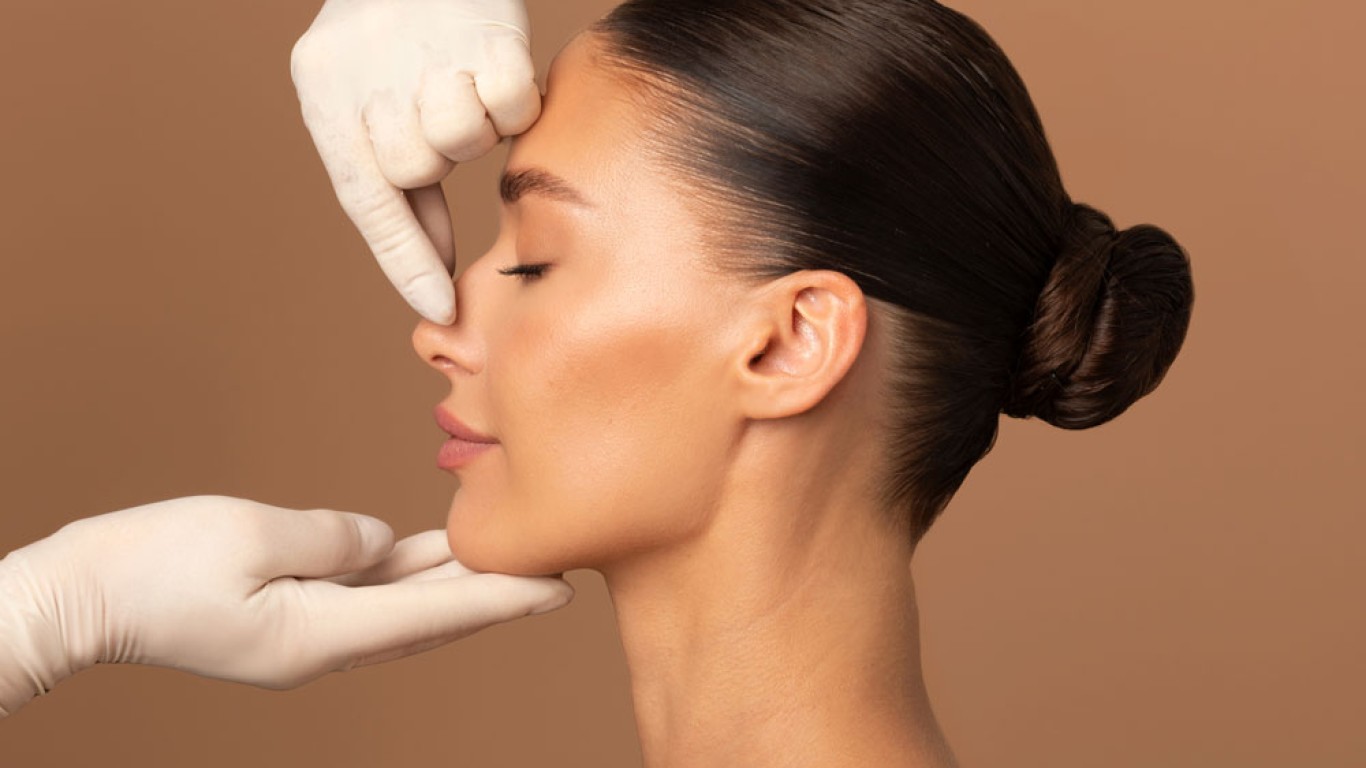
Facial proportion assessment is the foundation of determining whether a button nose shape will suit an individual. Surgeons evaluate the relationship between the nose and other facial features. The length of the face influences how a small nose will appear. The width of the face affects how delicate features will look. The chin, cheeks and forehead all contribute to the overall balance. A button nose shape that looks beautiful on one face may appear disproportionate on another. Surgeons use specific measurements and visual assessments to guide their recommendations. The goal is always a harmonious overall appearance rather than any single idealised feature.
Skin Thickness Considerations
Skin thickness significantly affects whether a button nose shape can be achieved surgically. Thin skin drapes closely over the underlying cartilage, showing refined details clearly. Patients with thin skin can typically achieve more delicate and defined tip shapes. Thicker skin masks underlying structural changes. The tip may appear softer and less defined regardless of the surgical work performed. Surgeons assess skin thickness during examination. They advise patients honestly about what is achievable given their skin characteristics. The button nose appearance requires sufficient tip definition to look distinctive. This depends partly on skin quality.
Cartilage Strength and Structure
Cartilage strength and structure play a key role in surgical planning. Strong cartilage provides reliable support for shape changes. Weak or soft cartilage may require structural reinforcement through grafts. The shape of the existing cartilage affects how dramatically the nose can be reshaped. Some patients have cartilage configurations that naturally lend themselves to a button nose shape. Others would require extensive reshaping that may not produce stable long-term results. Surgeons assess cartilage during examination and imaging. This informs their recommendations about what is realistically achievable for each individual.
Age and Ethnicity Factors
Age and ethnicity influence surgical planning for a button nose appearance. Younger patients typically have better skin elasticity which supports refinement. Older patients may see less precise shape changes due to reduced tissue responsiveness. Ethnicity affects both anatomy and cultural aesthetic preferences. Surgeons adapt techniques to work with rather than against ethnic characteristics. The goal is enhancement that respects the patient's heritage. Some ethnic features lend themselves naturally to the button nose shape. While others require more extensive modification. Cultural sensitivity guides modern rhinoplasty planning for diverse patient populations.
Matching the Button Nose Shape to the Face
Matching the button nose appearance to the individual face requires artistic judgement. Surgeons consider how the proposed nose will look from multiple angles. The frontal, profile and three-quarter views all matter. Digital imaging can preview potential outcomes during consultation. The surgeon may recommend modifications to the classic button nose appearance. These suggestions will help the final nose better suit the patient's face. A slightly longer bridge or less pronounced tip rotation may produce better harmony. These subtle adjustments honour the patient's aesthetic goals while ensuring facial balance. The best outcomes come from collaboration between surgeon and patient.
When a Button Nose Shape May Not Be Ideal
Certain facial characteristics indicate that a button nose shape may not produce the best result. Larger facial structures often look imbalanced with very small noses. Strong jawlines may appear even more prominent with a delicate nose. Patients with thick skin may not achieve the refinement the look requires. Previous nasal surgery or injury can limit what is achievable. Surgeons advise honestly when the requested shape will not suit the individual. This guidance protects patients from disappointing results. An alternative shape that better suits the face typically produces higher satisfaction. Rather than forcing an unsuitable aesthetic.
The Consultation Process To Perfect The Button Nose Shape
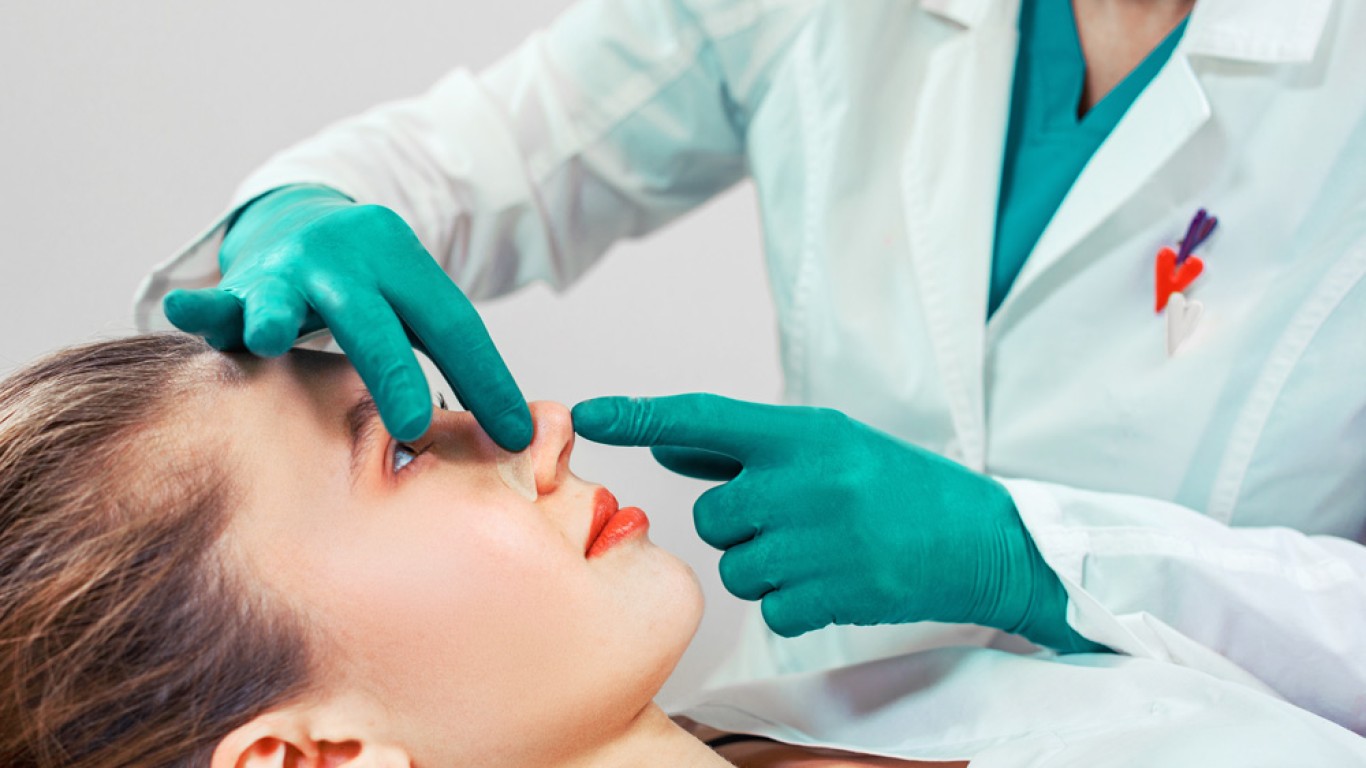
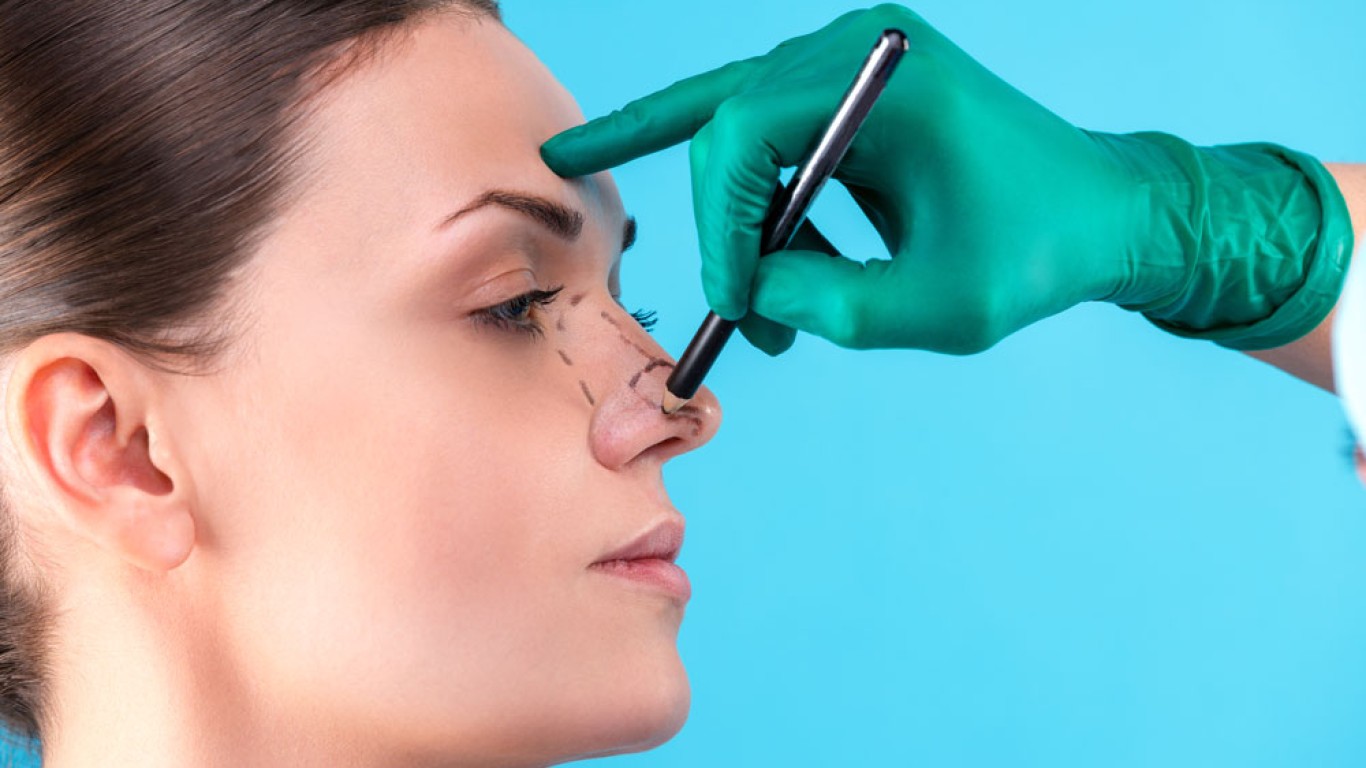
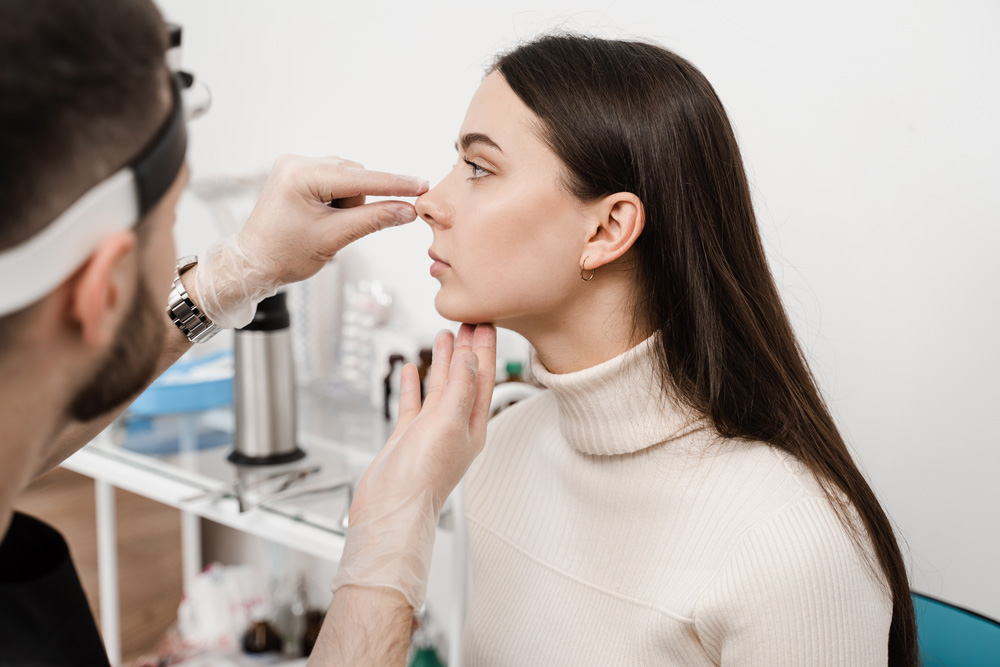
A thorough consultation is essential for patients seeking a button nose shape. The surgeon examines facial proportions, nasal anatomy and skin quality. Photographs are taken from multiple angles. Digital imaging may preview potential outcomes. The consultation explores the patient's aesthetic goals in detail. Reference images help illustrate the desired look. The surgeon advises on what is realistically achievable and what modifications may be appropriate. Open communication ensures both parties share a clear vision. The consultation also covers surgical techniques and recovery. The consultation will discuss realistic expectations about what surgery can and cannot achieve. Patients are encouraged to ask questions and clarify any concerns. This helps build trust and ensures a well-informed and confident decision before proceeding.
Realistic Expectations
Setting realistic expectations is essential when pursuing a button nose appearance. Social media images often feature heavy filtering that creates unrealistic standards. A surgical result looks natural in person rather than matching digitally enhanced photographs. Individual anatomy limits what is achievable. The surgeon discusses these limitations openly. A result that suits the patient's face produces better satisfaction. This is opposed to one that mimics an unrealistic reference image. Patients should approach the consultation with openness to professional guidance. This way they will typically achieve the most balanced and satisfying results. Flexibility in the specific desired shape often leads to better outcomes. Understanding that subtle refinement often appears more natural helps patients appreciate the long-term value. Patients will find more value in proportionate, personalised results.
Risks of Pursuing an Unsuitable Button Nose Shape
Pursuing a button nose appearance that does not suit the face carries risks. Over-refinement can compromise cartilage structure. Excessive narrowing may cause breathing difficulties. A nose that looks disproportionate to the face creates dissatisfaction rather than improvement. Revision surgery is more complex and less predictable than primary procedures. These risks increase when the desired aesthetic pushes beyond what the anatomy can safely support. Experienced surgeons recognise these limits and advise patients accordingly. They will not perform surgery that compromises function or long-term stability. Even if the patient requests it. Respecting anatomical boundaries helps ensure both aesthetic balance and long-term nasal function are preserved effectively.
Conclusion
A button nose shape is not universally ideal. Surgeons carefully assess proportions, skin thickness, cartilage strength, age and ethnicity before recommending this aesthetic. The goal of modern rhinoplasty is harmony with the individual face. Rather than replicating a single trending shape. Individual anatomy places real limits on what is achievable and what will look balanced. Patients who approach consultation with openness to professional guidance typically achieve the most satisfying results. Professional consultation ensures personalised planning that respects both aesthetic goals and anatomical reality.
For more information and to book a consultation visit the ACIBADEM Beauty Center Rhinoplasty page.
Frequently Asked Questions
No, individual proportions and skin characteristics influence suitability.
Facial proportions, skin thickness, cartilage strength and aesthetic goals.
Not always; anatomy limits what surgery can realistically achieve.
Thicker skin may mask the refined tip definition a button nose requires.
Yes, but be open to professional guidance about what will suit your face.