Ataşehir Mah. Feza Sk. No:3 İstanbul / Türkiye
 French
  English
  German
  Spanish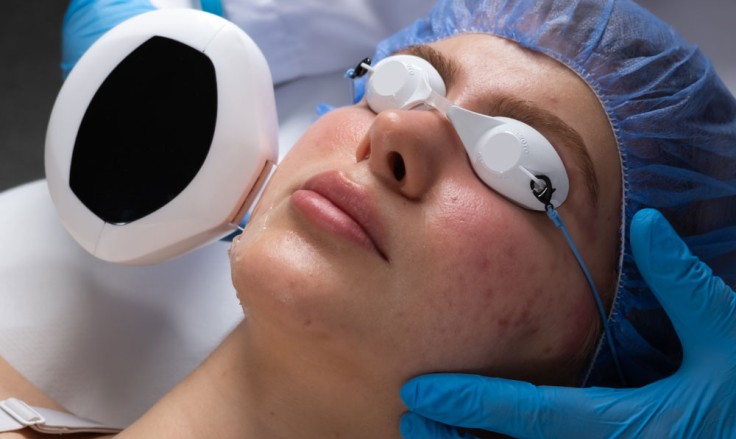
Introduction
Collagen is the structural protein that keeps skin firm, smooth and youthful. As the body ages, collagen production naturally declines. The skin becomes thinner, less elastic and more prone to wrinkles. Collagen stimulation therapies aim to reverse this process. These treatments encourage the body to produce new collagen from within. Many patients seek these therapies to restore firmness without invasive surgery. The treatments range from injectable products to energy-based devices. Understanding how collagen stimulation works helps patients choose the most appropriate approach. This article explains the available options, who they suit and what results patients can realistically expect from professional treatment.
What Is Collagen and Why Does It Matter?
Collagen is the most abundant protein in the human body. It provides structural support to the skin, bones, tendons and connective tissues. In the skin, collagen forms a strong network beneath the surface. This network maintains firmness, elasticity and smoothness. Collagen production peaks in early adulthood. From the mid-twenties onward, levels gradually decline. By the age of forty, collagen production has decreased significantly. Sun exposure, smoking and stress accelerate this loss. The result is thinner, looser skin with visible signs of ageing. Collagen stimulation therapies address this decline by triggering the body’s natural production of new collagen.
How Collagen Stimulation Works
Collagen stimulation works by triggering the body’s natural healing response. The skin contains specialised cells called fibroblasts - these cells are responsible for producing collagen. Various treatments activate fibroblasts through controlled stimulation. Some treatments create micro-injuries that prompt repair while others deliver heat or biological signals that activate collagen production. The body responds by producing new collagen over the following weeks and months. This new collagen integrates into the existing structure. The result is firmer, smoother and more resilient skin. The gradual nature of collagen stimulation produces natural-looking improvements that develop over time rather than creating sudden change.
Microneedling for Collagen Stimulation
Microneedling is one of the most popular collagen stimulation treatments. The procedure uses a device with tiny needles to create controlled micro-injuries in the skin. These small punctures trigger the body’s wound healing response. Fibroblasts produce new collagen and elastin in the treated area. The treatment improves skin texture, firmness and tone over time. Microneedling can address acne scars, fine lines and enlarged pores. The procedure suits most skin types and tones, and multiple sessions are typically recommended for optimal results. Recovery is brief with mild redness for one to two days. Microneedling is often combined with other treatments such as serums or platelet-rich plasma.
Radiofrequency Treatments
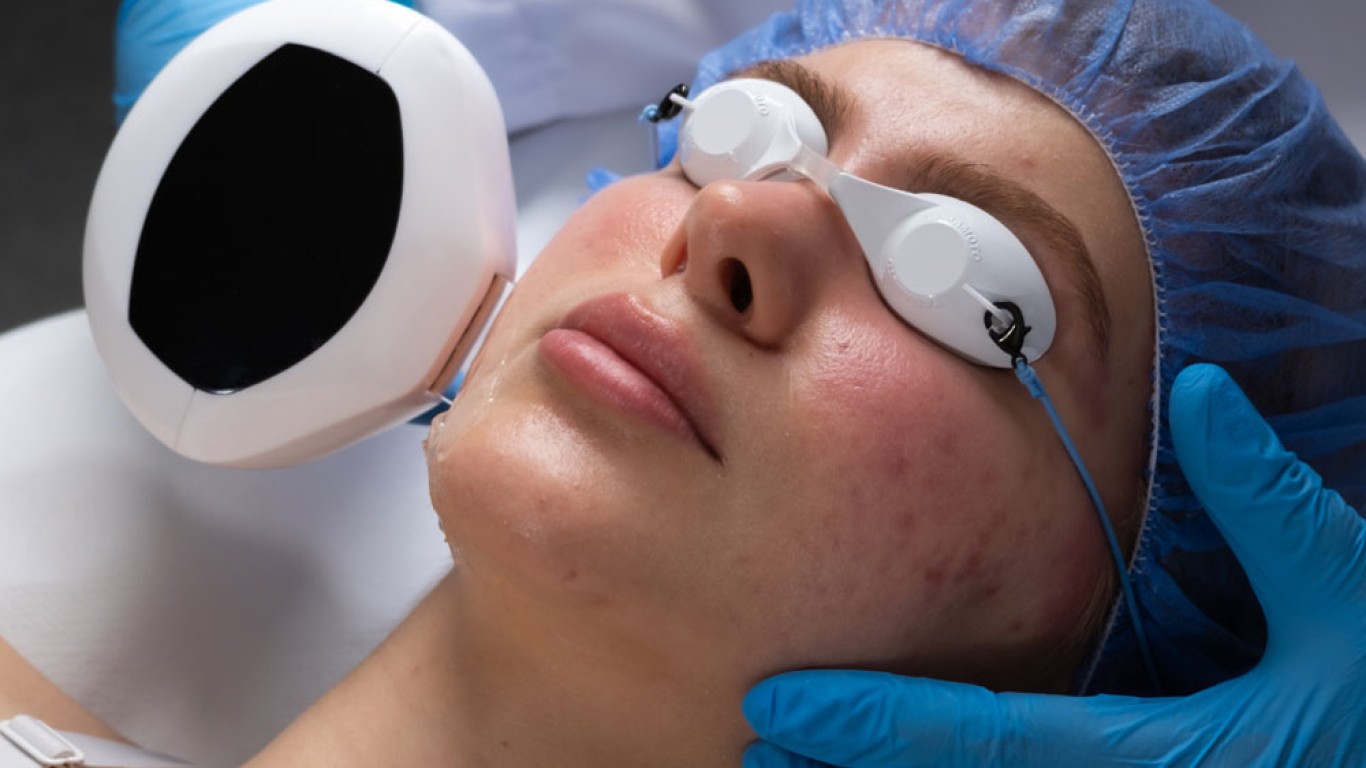
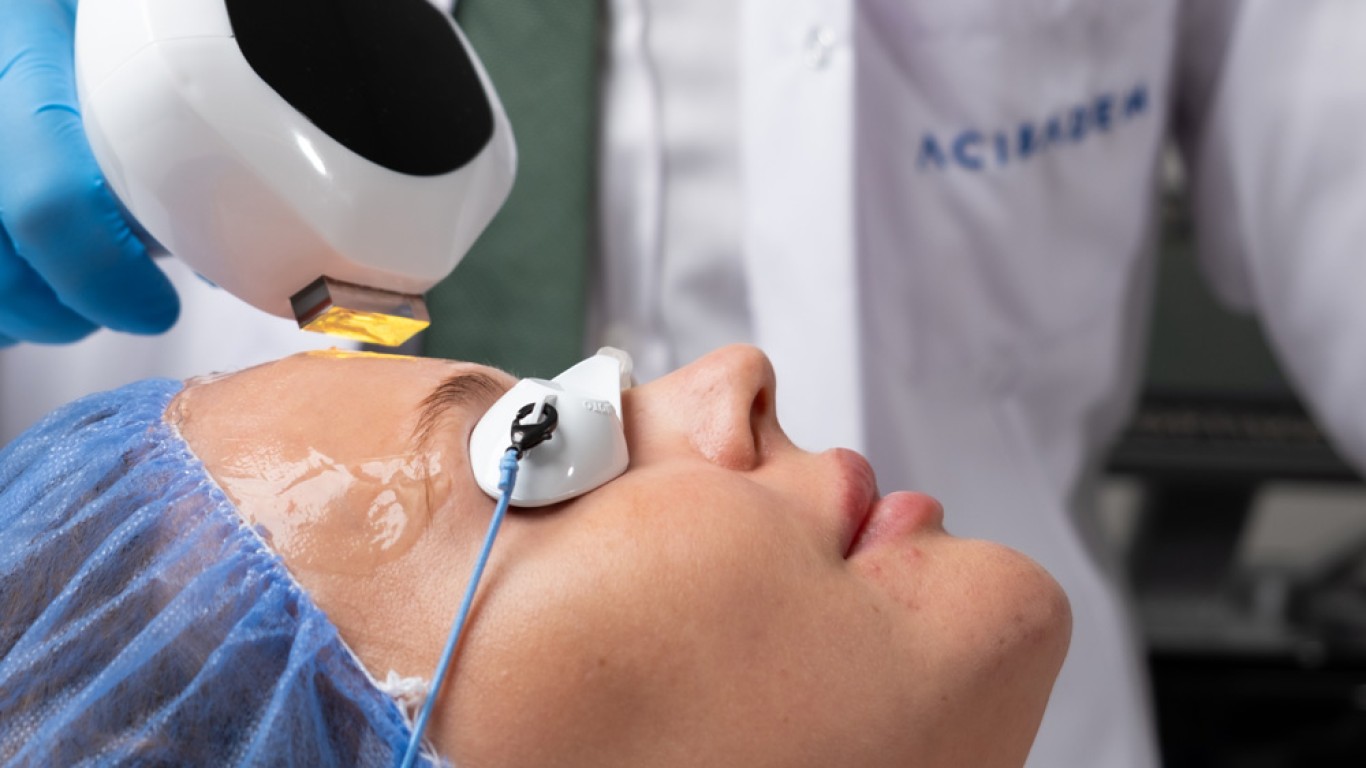
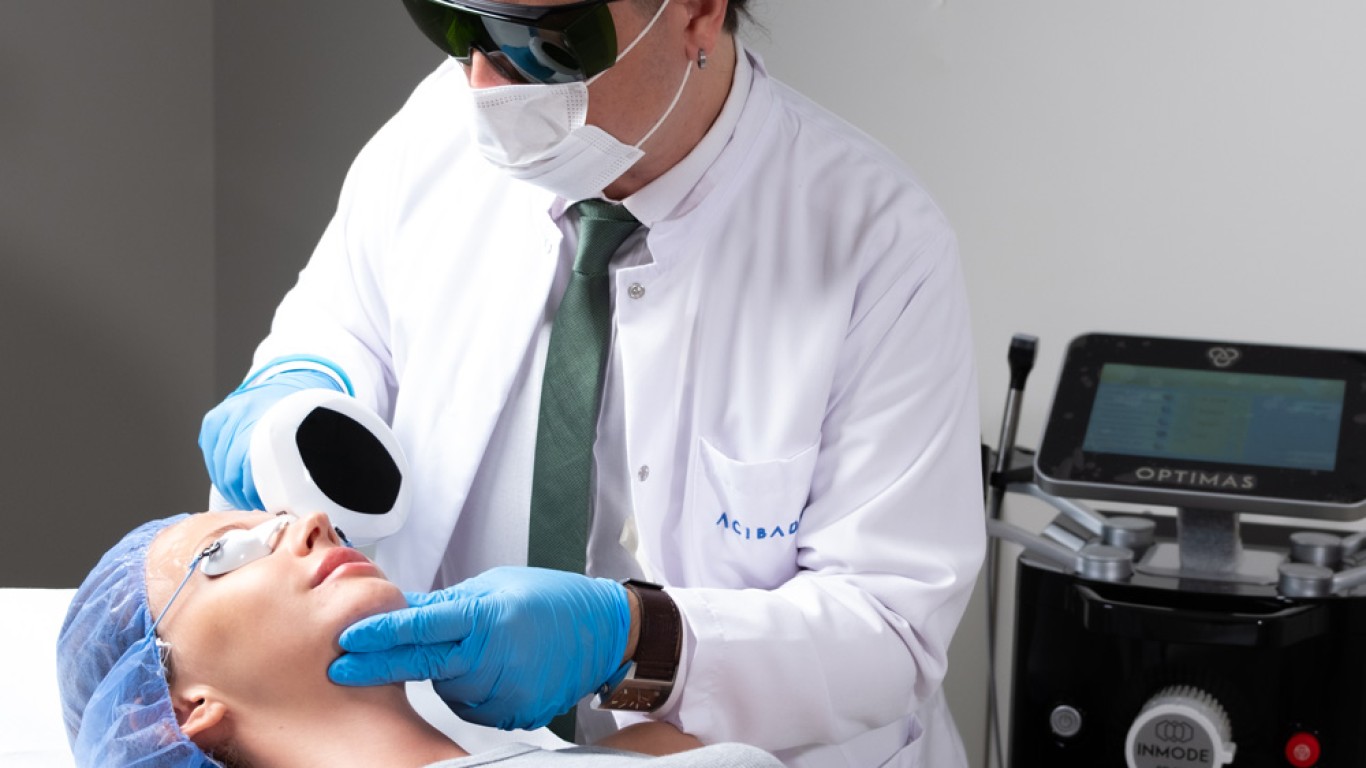
Radiofrequency is a popular form of collagen stimulation that uses heat energy. The treatment delivers controlled radiofrequency waves into the skin. The heat penetrates the deeper dermal layers without damaging the surface. This thermal energy causes existing collagen fibres to contract immediately. It also stimulates fibroblasts to produce new collagen over the following months. The combined effect produces both immediate tightening and progressive firming. Radiofrequency suits a wide range of skin types and tones. The treatment can be applied to the face, neck and various body areas. Multiple sessions are typically recommended for optimal results and recovery requires no significant downtime.
Laser-Based Collagen Stimulation
Various laser treatments stimulate collagen production through different mechanisms.
- Fractional lasers create columns of treated skin surrounded by untreated tissue. This pattern triggers rapid healing and collagen production. The treatment improves skin texture, tone and firmness.
- Non-ablative lasers heat the deeper layers without damaging the surface. These suit patients seeking minimal downtime.
- Ablative lasers remove the top layer of skin for more dramatic resurfacing.
- The choice of laser depends on individual skin concerns and recovery preferences. Each laser type offers specific benefits for collagen stimulation.
- The practitioner recommends the most appropriate option based on skin type and goals.
Injectable Collagen Stimulators
Injectable products specifically designed for collagen stimulation have become widely used.
- Poly-L-lactic acid is one of the most well-known injectable stimulators. The product is injected into the deeper skin layers and dissolves gradually over months while encouraging collagen production.
- Calcium hydroxylapatite is another injectable option that combines immediate volume with collagen stimulation.
- Polynucleotide treatments deliver biological signals that activate fibroblasts. These injectable options offer targeted stimulation in specific areas. Results develop progressively as new collagen forms.
- Multiple sessions are typically recommended. The improvements can last twelve to twenty-four months depending on the product used.
Ultrasound Treatments for Collagen Stimulation
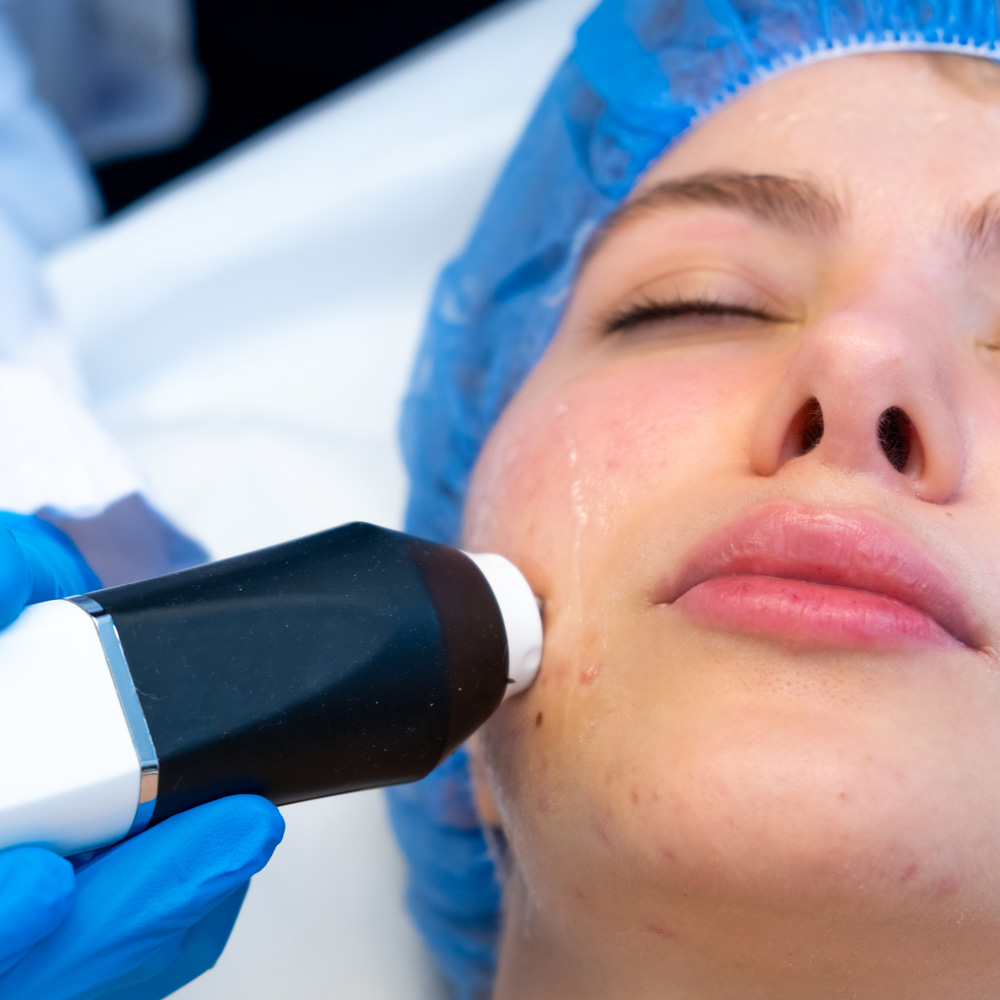
High-intensity focused ultrasound is an advanced form of stimulation. The treatment delivers focused ultrasound energy deep into the skin. This creates precise zones of thermal coagulation in the deeper tissue. The body responds by producing new collagen in the treated areas. Results develop over several months as collagen forms. Ultrasound treatments are particularly effective for skin tightening and lifting. The face, neck and decolletage all respond well. The treatment requires no incisions or surface damage and recovery is minimal with no downtime. A single session may produce visible results for some patients. Others benefit from a course of treatments for optimal improvement.
Who Is Suited to Collagen Stimulation Therapies?
Collagen stimulation suits a wide range of patients with skin concerns. Those with early to moderate signs of skin ageing respond particularly well. Patients with mild laxity, fine lines or texture issues are good candidates. Younger patients can benefit from preventive stimulation. The treatments are suitable for most skin types and tones. Those with very advanced skin laxity may need surgical alternatives. Active skin infections should be resolved before treatment. A consultation evaluates each patient’s individual suitability. The practitioner recommends the most appropriate stimulation approach based on skin condition, goals and lifestyle preferences.
Combining Collagen Stimulation Treatments
Different collagen stimulation treatments combine well for comprehensive results.
- Microneedling can be combined with radiofrequency for enhanced effects.
- Injectable stimulators complement energy-based treatments.
- Hyaluronic acid skin boosters add hydration alongside collagen stimulation.
- Botulinum toxin can address dynamic wrinkles while collagen forms beneath.
- The practitioner plans combination treatments to ensure optimal results.
- Some treatments are scheduled in the same session. Others are spaced apart to allow each to take effect.
- A personalised plan addresses each patient’s specific concerns through complementary approaches.
Combining treatments often produces more comprehensive improvement than any single approach alone.
Realistic Expectations for Collagen Stimulation
Setting realistic expectations is essential for satisfaction with stimulation therapies. The treatments produce gradual rather than immediate results. Most improvements develop over two to six months as new collagen forms. The change is typically subtle but cumulative across multiple sessions. Patients describe their skin as looking healthier rather than dramatically different. The results last for many months but eventually fade as natural collagen breakdown continues. Maintenance treatments help sustain the improvements over time. Younger patients may notice more dramatic results due to better baseline collagen production, while older patients may need more sessions to achieve their goals.
Lifestyle Factors That Support Collagen
Several lifestyle factors support the body’s natural collagen production. Sun protection is essential because UV exposure breaks down collagen rapidly. Daily SPF use protects existing collagen and supports new production. A balanced diet rich in protein, vitamin C and antioxidants provides building blocks for collagen. Adequate hydration supports skin health. Smoking severely damages collagen and should be avoided. Stress management helps because chronic stress increases collagen breakdown. Quality sleep allows the body to repair and produce new collagen. These lifestyle habits complement professional collagen stimulation treatments. Combining good habits with professional care produces the best long-term skin health outcomes.
Conclusion
Collagen stimulation therapies offer effective approaches to restoring skin firmness through a variety of treatment options. Microneedling, radiofrequency, lasers and injectable stimulators all encourage the body to produce new collagen. The treatments suit a wide range of patients with different concerns. Results develop gradually over several months. Combining treatments often produces the most comprehensive improvement. Lifestyle factors support the long-term benefits of professional treatment. Realistic expectations support the best satisfaction with results. Professional consultation ensures personalised planning for each patient seeking firmer, healthier skin.
For more information and to book a consultation visit the ACIBADEM Beauty Center Skin Treatments page.
Frequently Asked Questions
Treatments that encourage the body to produce new collagen for firmer skin.
Most improvements develop over two to six months as new collagen forms.
Most are well tolerated with topical anaesthetic where needed.
Most treatments require a course of three to six sessions for optimal results.
Results typically last twelve to twenty-four months with maintenance recommended.