Ataşehir Mah. Feza Sk. No:3 İstanbul / Türkiye
 French
  English
  German
  Spanish
Introduction
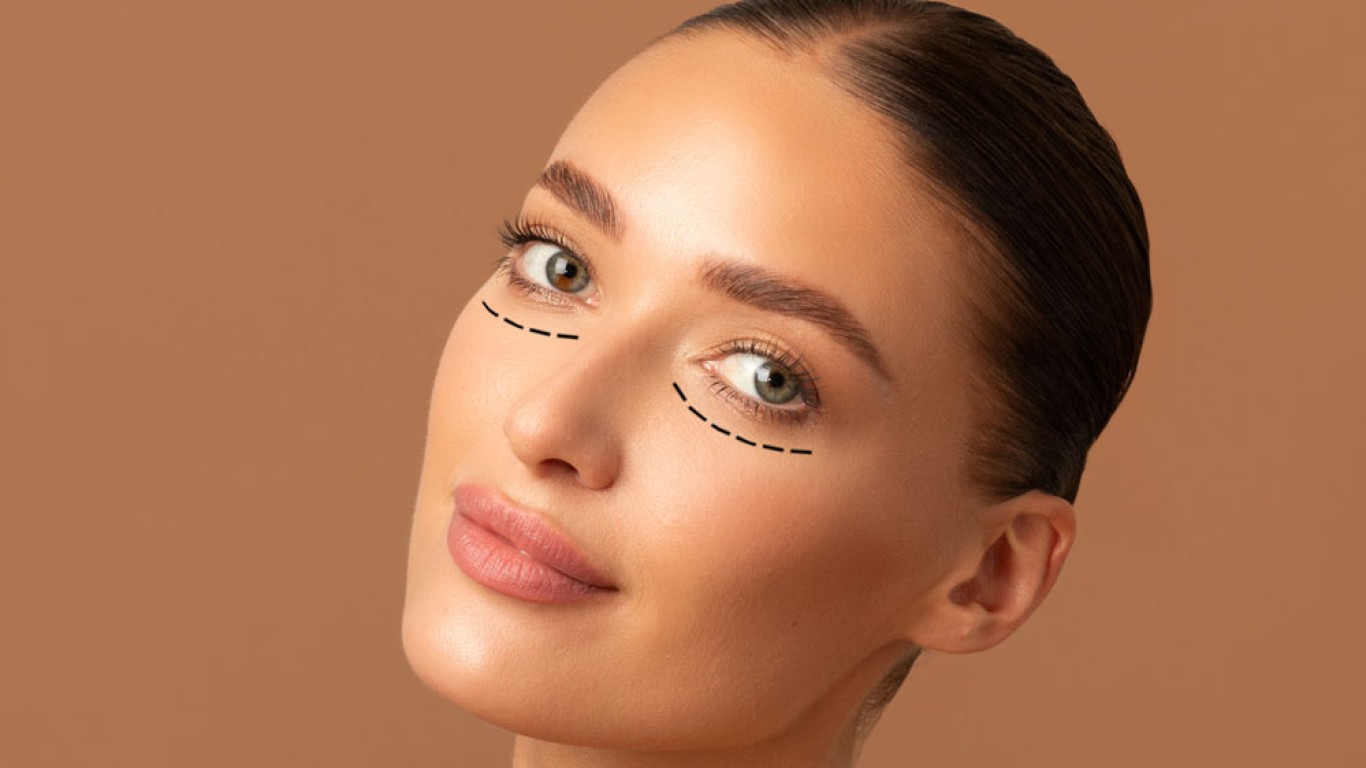
Under-eye hollowing is a concern that can make the face appear tired, aged or drawn. The area beneath the eyes is one of the first to show volume loss. As the body ages, fat pads beneath the eyes gradually diminish. This can create visible hollows and dark shadows. The procedure has become an increasingly popular treatment for restoring lost volume and creating a refreshed, youthful appearance. The technique uses the patient's own fat to fill the hollow areas naturally. Understanding how fat transfer under eyes works helps patients decide whether this approach suits their concerns and aesthetic goals.
What Causes Under-Eye Hollowing?
Under-eye hollowing develops as a result of several factors. Natural ageing causes gradual loss of fat and collagen beneath the eyes. The skin in this area is very thin. This makes volume changes more visible than in other facial zones. Genetics play a significant role in how early hollowing develops. Some individuals notice under-eye hollows from a young age due to inherited facial structure. Weight loss can also reduce facial fat volume. Fatigue and dehydration can make existing hollows appear more pronounced. The treatment addresses the structural volume loss that creates these visible changes.
How Fat Transfer Under Eyes Works
Fat transfer under eyes involves three key stages.
- First, fat is harvested from a donor site such as the abdomen, thighs or inner knees using gentle liposuction.
- The collected fat is then purified. Processing isolates the healthiest fat cells.
- Finally, the purified fat is injected carefully beneath the eyes using very fine cannulas.
The procedure requires precision because the area is delicate and has limited space for volume. Small amounts are placed in multiple layers. This creates smooth, even correction. The technique restores the natural fullness that has been lost through ageing or genetics.
Fat Transfer Under Eyes: Benefits Over Fillers
Fat transfer under eyes offers several advantages compared with dermal filler treatments. The transferred fat uses the patient's own tissue, which eliminates the risk of allergic reaction. Results from fat transfer tend to last significantly longer than filler. Once transferred fat cells establish blood supply, they become a permanent part of the tissue. The results produce a very natural feel and appearance. Filler can sometimes create a slightly puffy or overfilled look in the delicate under-eye area. Fat integrates smoothly with surrounding tissue. However, the treatment is a more involved procedure than filler injection and requires a short recovery period.
Who Is a Good Candidate for Fat Transfer Under Eyes?
Ideal candidates have noticeable under-eye hollowing that affects their appearance. Patients with adequate donor fat available for harvesting are suitable for the procedure. The procedure suits individuals who prefer using their own tissue rather than synthetic fillers. Candidates should be in good general health. Those with very deep hollows or significant skin laxity may benefit from combining several treatments. Patients who have been dissatisfied with the temporary nature of filler may find this approach a more lasting solution. A professional consultation determines suitability.
The Procedure in Detail
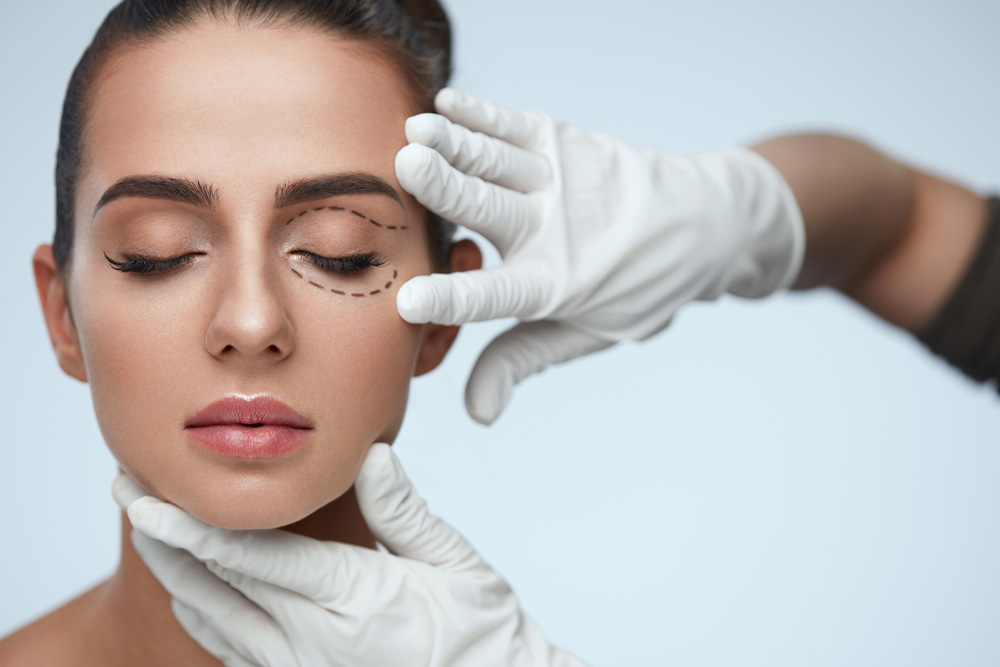
Fat transfer under eyes is typically performed under local anaesthesia with sedation. The procedure begins with liposuction at the donor site. Small incisions are made and fat is gently extracted. The harvested fat is processed in a centrifuge to separate healthy cells from fluid and damaged tissue. The purified fat is then loaded into fine syringes. Using blunt-tipped cannulas, the surgeon injects small amounts beneath each eye. The procedure requires careful layering to avoid lumpiness. The entire procedure typically takes one to two hours. Patients can usually return home the same day.
Recovery After Fat Transfer Under Eyes
Recovery involves mild swelling and bruising around the eyes and at the donor site. Swelling beneath the eyes typically peaks within the first two to three days. Cold compresses help manage discomfort during this initial period. Most patients feel comfortable returning to work within seven to ten days. Bruising usually fades within one to two weeks. Recovery requires patience because the final result takes time to develop. Some swelling may persist for several weeks as the transferred fat settles and establishes itself. Sleeping with the head elevated supports smoother recovery.
Fat Transfer Under Eyes: When Results Become Visible
Initial results are visible once swelling begins to subside, typically within two weeks. However, the final outcome develops over three to six months. During this time, the transferred fat cells establish new blood supply. Some volume loss is expected as a proportion of transferred cells may not survive. Fat transfer under eyes results typically stabilise around the three-month mark. The under-eye area appears fuller, smoother and more refreshed. Dark shadows caused by hollowing are significantly reduced. The face looks more rested and youthful once the transferred fat has fully integrated.
How Long Do Results Last?
One of the key advantages of fat transfer under eyes is the longevity of results. Surviving fat cells integrate with surrounding tissue. They become permanent. This means results can last many years. Fat transfer under eyes provides a more lasting solution than dermal fillers, which dissolve within twelve to eighteen months. However, natural ageing continues after the procedure. Gradual changes may occur over the years as the face continues to age. Some patients choose a touch-up procedure after several years to maintain optimal results. The long-term outcome depends on individual ageing patterns and lifestyle factors.
Potential Risks and Considerations
Fat transfer under eyes carries some risks that patients should understand before treatment. Swelling and bruising are expected and temporary. Asymmetry between the two sides may occur if fat survival differs. Lumpiness can develop if fat is not placed evenly. This is uncommon with experienced practitioners. Over-correction may create temporary puffiness that resolves as swelling decreases. Under-correction may require a secondary procedure. Fat transfer under eyes is a technique-sensitive procedure that benefits from specialist expertise. Choosing an experienced surgeon with specific under-eye fat transfer experience supports the best outcomes.
Fat Transfer Under Eyes vs Dermal Filler
Both fat transfer under eyes and dermal filler address under-eye hollowing, but they differ in important ways.
- Filler is quicker to perform and requires no donor site procedure. Results are immediate. However, filler must be repeated every twelve to eighteen months.
- Fat transfer under eyes offers longer-lasting results using the patient's own tissue. The procedure is more involved and requires a brief recovery period.
- Fat produces a more natural integration with the delicate under-eye tissue. Filler carries a small risk of migration in the thin-skinned under-eye area.
- Each approach has merits depending on patient priorities and lifestyle.
Choosing the Right Practitioner
The under-eye area is one of the most delicate zones for aesthetic treatment. Selecting a practitioner with specific experience in fat transfer under eyes is essential for achieving smooth, natural results. Specialists who perform this procedure regularly develop the refined technique needed for even fat distribution in this sensitive area. Reviewing before-and-after photographs helps patients assess the quality of results achieved. Fat transfer under eyes is a technique-sensitive procedure where practitioner skill directly influences the outcome. Asking about case volume and training during consultation provides useful insight into the specialist's expertise.
Conclusion
Fat transfer under eyes is an effective treatment for restoring lost volume and reducing hollowing. The technique uses the patient's own tissue for natural-looking and long-lasting results. Recovery involves mild swelling that resolves over one to two weeks. Final results develop over three to six months as transferred fat establishes itself. The procedure offers advantages over filler in terms of longevity and natural integration. Professional consultation ensures personalised planning for each patient.
If you're interested in finding out more about how to tackle under-eye hollowing, visit the ACIBADEM Beauty Center Aesthetics webpage.
Frequently Asked Questions
Results can last many years once fat cells are established.
Most patients experience minimal discomfort under local anaesthesia.
Most patients return to normal activities within seven to ten days.
Yes, it provides a longer-lasting alternative for suitable patients.
Yes, a proportion of transferred fat may not survive.