Ataşehir Mah. Feza Sk. No:3 İstanbul / Türkiye
 English

Introduction
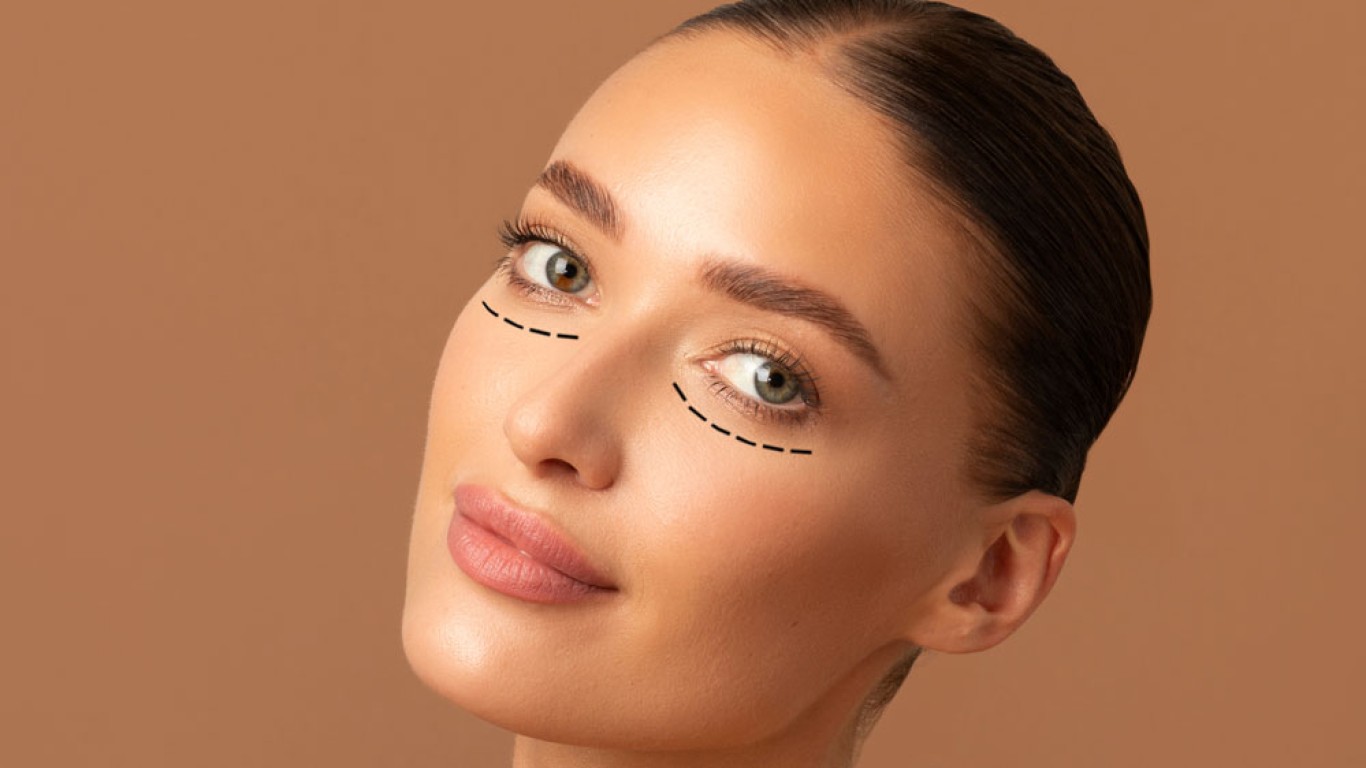
Learning how to get rid of under-eye bags matters to patients noticing puffiness and shadows. These changes beneath the eyes can create a tired, older appearance. Under-eye bags affect adults across different age groups and have several possible causes. Genetics, ageing, fluid retention and lifestyle habits can all contribute. Lower blepharoplasty remains an established treatment for severe, structural under-eye bags. Nevertheless, not every patient needs surgery to improve their appearance. Several non-surgical treatments can meaningfully improve mild or moderate concerns. This article explores options for patients wondering how to get rid of under-eye bags. Each approach has several different benefits, limitations and recovery considerations for individual patients. It explains how treatments work, their likely results and important limitations. Additionally, it considers when surgery might provide a more appropriate solution.
What Causes Under-Eye Bags?
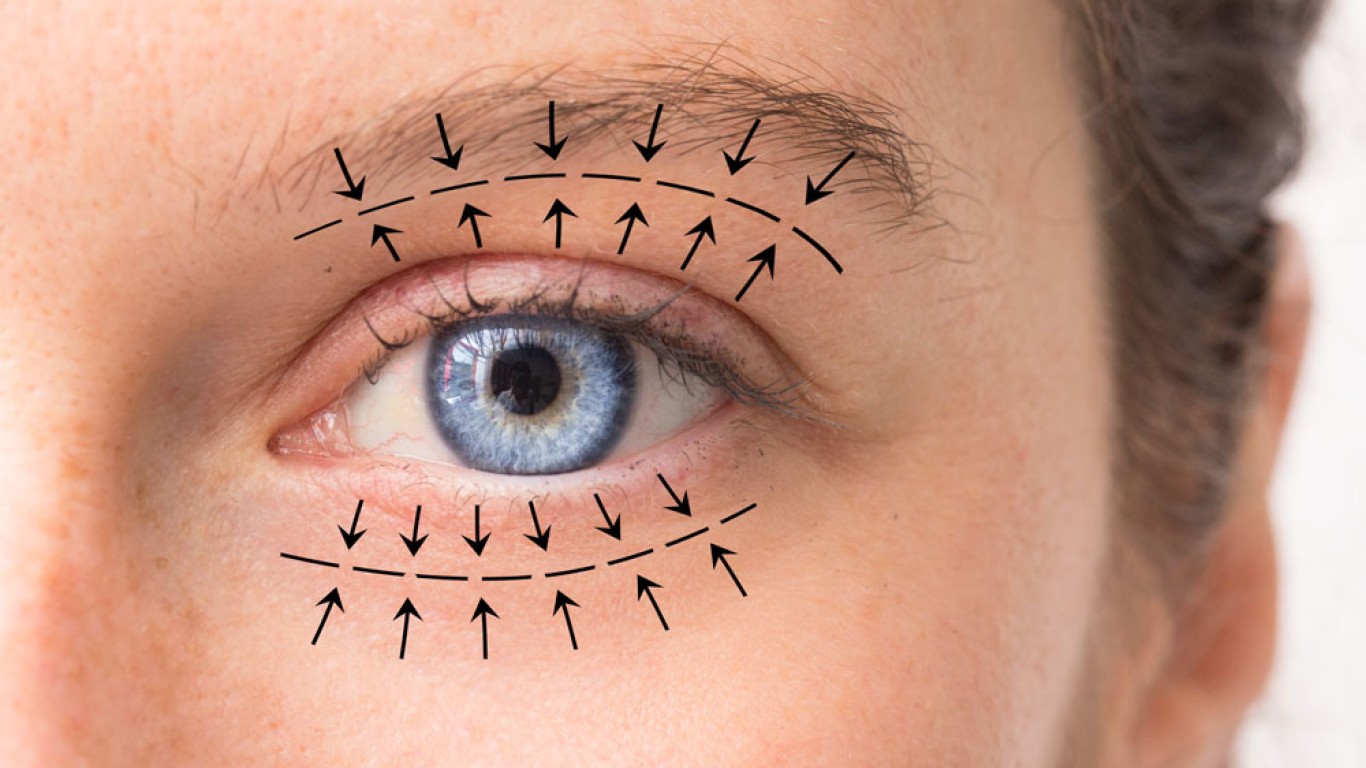
Under-eye bags develop through structural changes and lifestyle factors affecting the lower eyelids. Ageing gradually weakens the delicate muscles and tissues supporting this area. Fat pads normally cushion the eyes within their surrounding bony sockets. However, these pads can move forward, creating visible bulges beneath the eyes. Under-eye skin is exceptionally thin, making small changes in volume particularly noticeable. Collagen and elastin also decline with age, reducing firmness and structural support.
Genetics strongly influence whether someone develops under-eye bags and when they first appear. Meanwhile, fluid retention can temporarily increase puffiness around the lower eyelids. High sodium intake, poor sleep, allergies and hormonal changes may contribute. Insufficient sleep does not directly cause structural bags, but it can exaggerate existing puffiness. Sun exposure also accelerates ageing, skin laxity and discolouration around the eyes. Understanding these causes helps determine how to get rid of under-eye bags appropriately. A suitable treatment should address the main reason behind the visible changes.
How to Get Rid of Under-Eye Bags: Non-Surgical Treatments That Work
Several non-surgical options help patients exploring how to get rid of under-eye bags. Each treatment targets particular concerns rather than every possible cause. The following table summarises common approaches and the improvements patients might expect.
| Treatment | How It Works | Expected Outcome |
| Dermal filler (tear trough treatment) | Hyaluronic acid fills hollow areas beneath the eye | Immediate improvement; lasts twelve to eighteen months |
| Radiofrequency skin tightening | Heat energy stimulates collagen and tightens skin | Gradual firming over several weeks; multiple sessions needed |
| Ultrasound skin tightening | Focused ultrasound targets deep tissue layers | Lifting and firming effect over two to three months |
| Chemical peels | Removes damaged surface skin to improve texture and tone | Smoother, brighter under-eye skin over a series of treatments |
| Platelet-rich plasma therapy | Growth factors from own blood stimulate tissue renewal | Improved skin quality and reduced hollowness over multiple sessions |
The best treatment depends on what causes the visible under-eye changes. Possible causes include protruding fat, lost volume, loose skin or several combined factors. A professional assessment identifies the primary concern and guides treatment selection.
How to Get Rid of Under-Eye Bags with Dermal Filler
Tear trough filler is popular among patients asking how to get rid of under-eye bags. This procedure places hyaluronic acid filler into hollows beneath the lower eyelids. The filler reduces depressions that create shadows between the eyelid and cheek. Consequently, the area may look smoother, brighter and more refreshed immediately afterwards. However, filler works best when hollowness or volume loss causes the concern. It cannot reliably correct protruding orbital fat or substantial excess skin. The procedure usually takes approximately fifteen to thirty minutes. Most patients experience little downtime and can resume ordinary activities relatively quickly. Results commonly last twelve to eighteen months before further maintenance becomes necessary.
Nevertheless, duration varies according to the product, anatomy and individual response. Mild swelling or bruising may develop after injections. The under-eye region is delicate and requires considerable anatomical expertise. Therefore, choosing an experienced, appropriately qualified injector is especially important. Poor placement can cause irregularities, swelling or bluish discolouration called the Tyndall effect. Rare but serious vascular complications are another important consideration. Ultimately, filler cannot remove excess fat pads or significantly tighten loose lower-eyelid skin.

Radiofrequency and Ultrasound Skin Tightening
Radiofrequency and ultrasound offer non-invasive options for under-eye bags. Radiofrequency uses controlled heat within deeper layers of the skin. This energy encourages existing collagen to contract and stimulates further collagen production. Over subsequent weeks, the skin may gradually appear firmer and tighter. Ultrasound treatments deliver focused energy into selected tissue layers beneath the skin. Consequently, collagen remodelling may produce a gradual lifting or firming effect. Improvements commonly develop over two to three months rather than immediately. Both approaches are most suitable for mild or moderate skin looseness. They are less effective when protruding fat is the principal problem.
Multiple sessions may be recommended, often spaced several weeks apart. These procedures may suit patients seeking early intervention before changes become pronounced. Some practitioners also combine tightening treatments with carefully selected fillers. Such combinations can address both hollowness and skin quality when clinically appropriate. Nevertheless, devices used near the eyes require suitable safety precautions and specialist experience.
Conclusion
Understanding how to get rid of under-eye bags begins with identifying their underlying cause. Dermal fillers, radiofrequency and ultrasound may improve selected mild or moderate concerns. Meanwhile, lifestyle changes and targeted skincare help manage temporary puffiness and skin quality. However, non-surgical improvements are limited and usually require ongoing maintenance. Significant protruding fat and excess skin often need lower blepharoplasty for lasting correction. Professional consultation helps determine the best approach for individual anatomy and treatment goals. Turkey offers experienced practitioners and modern facilities for surgical and non-surgical under-eye treatments. Nevertheless, patients should prioritise qualifications, safety standards and appropriate clinical assessment.
To find out more information about how to get rid of under-eye bags and to book a consultation visit the ACIBADEM Beauty Center Aesthetics webpage.
Frequently Asked Questions
Non-surgical treatments can improve their appearance but generally require ongoing maintenance. Surgical lower blepharoplasty offers longer-lasting correction for suitable structural concerns.
Tear trough filler is commonly chosen for hollowness-related concerns. Improvements may appear immediately and last twelve to eighteen months.
Creams containing retinol, caffeine or peptides may modestly improve mild puffiness or skin appearance. However, creams cannot correct structural under-eye bags.
Results depend on the procedure and individual response. Fillers may last twelve to eighteen months; tightening effects can persist several months or longer.
Under-eye bags can appear from the late twenties onwards. Genetics, ageing and lifestyle factors influence their timing and severity.