Ataşehir Mah. Feza Sk. No:3 İstanbul / Türkiye
 English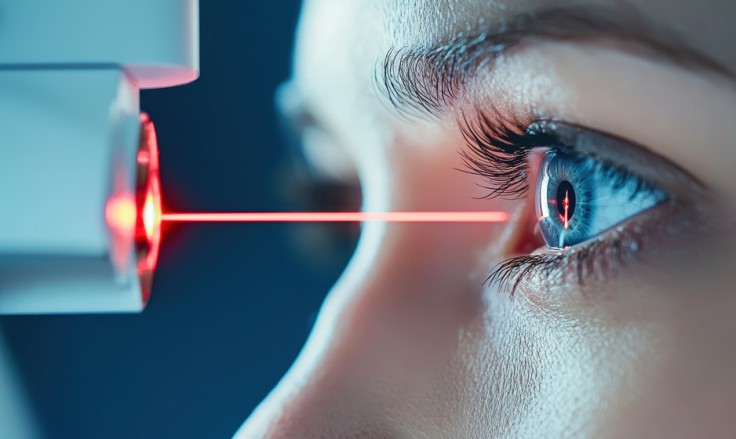
Introduction
Glaucoma laser surgery is a common procedure for managing intraocular pressure. Selective laser trabeculoplasty, laser iridotomy and other laser treatments offer effective pressure reduction with minimal downtime. Recovery after laser surgery is generally straightforward. However, understanding what to expect during the days and weeks following treatment helps patients manage recovery confidently. This article provides a detailed guide to recovery after glaucoma laser surgery.
What Happens During Glaucoma Laser Surgery
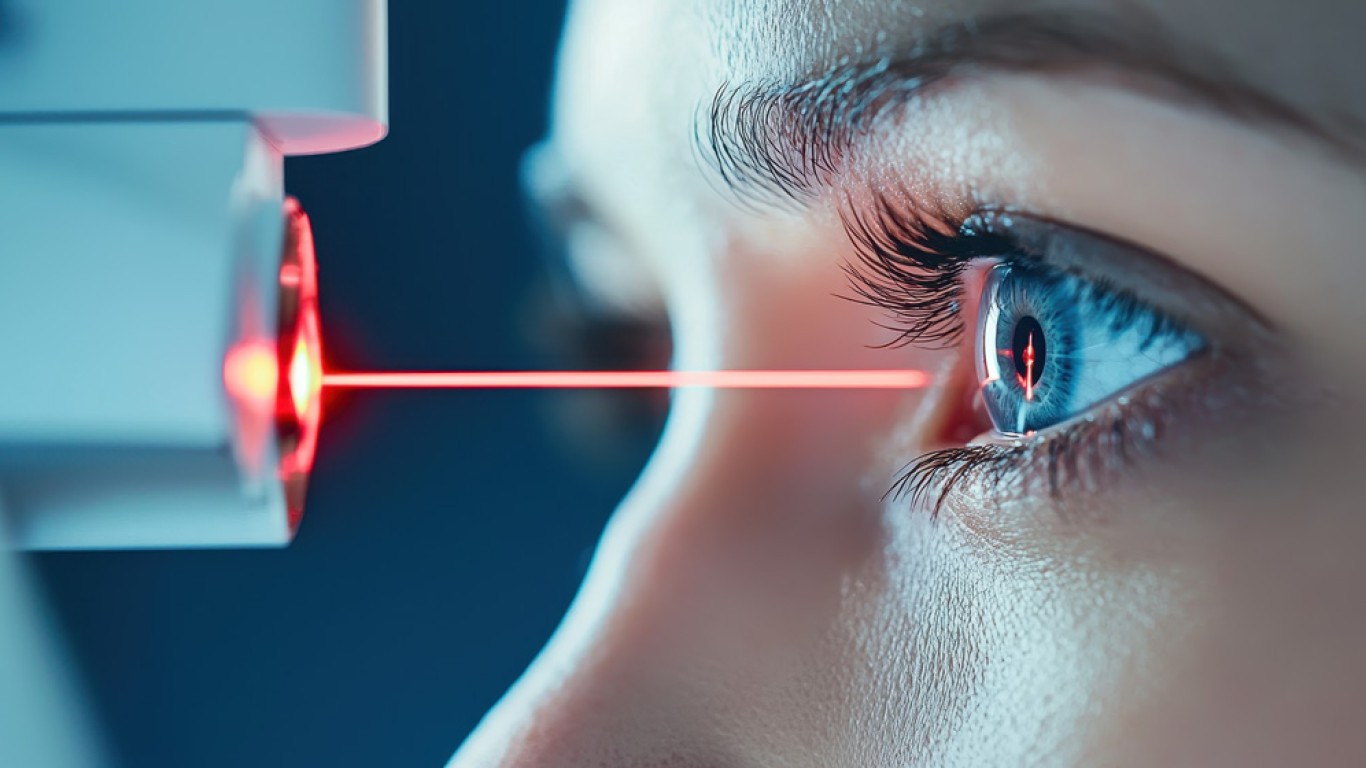
Glaucoma laser surgery uses focused light energy to modify eye structures that control fluid drainage. Recovery after glaucoma laser surgery begins immediately because the procedure is minimally invasive. No incisions are made. No stitches are required. The treatment takes five to fifteen minutes. Recovery after laser surgery for SLT involves laser energy applied to the trabecular meshwork. This structure controls fluid outflow from the eye. The laser stimulates improved drainage. Intraocular pressure reduces over the following weeks. Recovery after laser surgery for iridotomy involves creating a small hole in the iris. This allows fluid to flow between the anterior and posterior chambers. The procedure prevents angle-closure glaucoma. Recovery after laser surgery begins with a brief observation period. The ophthalmologist checks the intraocular pressure approximately thirty to sixty minutes after the procedure. If the pressure is stable, the patient goes home.
Recovery After Glaucoma Laser Surgery: Timeline
| Timeline | What to Expect |
| First few hours | Mild discomfort, blurred vision, light sensitivity |
| Day one | Vision clearing, mild redness, pressure check |
| Days two to seven | Progressive comfort, prescribed drops, light activity |
| Weeks two to four | Follow-up pressure check, drops may continue |
| Weeks four to eight | Full effect measured, medication adjusted |
Recovery after glaucoma laser surgery follows a predictable timeline. Most patients return to normal activities within one to two days. The full pressure-reducing effect develops over four to eight weeks. The ophthalmologist measures this at follow-up appointments and adjusts medications accordingly.
Recovery After Glaucoma Laser Surgery: The First Day
The first day is the most symptomatic. Recovery after glaucoma laser surgery immediately after the procedure may involve mild discomfort. A gritty or scratchy sensation in the treated eye is common. This resolves within hours. Over-the-counter pain relief is usually sufficient. Recovery after laser surgery vision is typically blurred for the first few hours. The pupil has been dilated for the procedure. The dilation takes four to eight hours to resolve. Vision clears progressively as the pupil returns to normal size. Recovery after laser surgery light sensitivity is common during the first day. Sunglasses provide comfort outdoors and in bright indoor environments. The sensitivity resolves within twenty-four to forty-eight hours for most patients. Recovery after laser surgery the treated eye may appear red. Mild conjunctival redness from the laser energy is normal. It resolves within a few days without treatment. The redness is cosmetic rather than concerning.
Recovery After Glaucoma Laser Surgery: Prescribed Drops
Eye drops are a critical part of recovery. Recovery after glaucoma laser surgery typically involves anti-inflammatory drops prescribed for several days to one week. These drops reduce the inflammatory response from the laser treatment. They prevent pressure spikes caused by inflammation. Recovery after laser surgery drop administration follows the ophthalmologist's specific instructions. The frequency, duration and technique are important. One drop per application is sufficient. More is wasteful and may increase side effects.
Recovery after laser surgery existing glaucoma drops may continue alongside the anti-inflammatory drops. The ophthalmologist specifies which existing medications to continue and whether any should be paused. Do not stop any prescribed glaucoma medication without the ophthalmologist's instruction. Recovery after laser surgery drop technique involves washing hands before application, tilting the head back, pulling the lower lid down and placing the drop in the pocket between the lid and the eye. Close the eye gently for one to two minutes after application. This maximises absorption and reduces systemic side effects.
Recovery After Glaucoma Laser Surgery: Activity Restrictions
Activity restrictions are minimal. Recovery after glaucoma laser surgery allows most normal activities from day one. Light walking, desk work and daily household tasks are all appropriate. Recovery after laser surgery avoids heavy lifting and straining for one to two days. These activities increase intraocular pressure temporarily. Allowing the eye to settle for a day or two before resuming strenuous activity is sensible. Recovery after laser surgery avoids rubbing the treated eye. Rubbing is not advised after any eye procedure. Use lubricating drops if the eye feels irritated.
Recovery after laser surgery driving may resume once vision has cleared from the dilation. This is typically the same day or the following day. The ophthalmologist advises based on individual visual recovery. Recovery after laser surgery swimming should wait three to five days. Pool water and ocean water carry bacteria. The eye surface is mildly irritated from the laser. Avoiding submersion for a few days reduces infection risk.
Recovery After Glaucoma Laser Surgery: When the Full Effect Develops
Patience is needed. Recovery after glaucoma laser surgery pressure reduction does not occur immediately for most patients. SLT produces its full pressure-reducing effect over four to eight weeks. The trabecular meshwork remodels gradually. Drainage improves progressively. Recovery after laser surgery the ophthalmologist measures intraocular pressure at follow-up appointments. The typical schedule is one week, one month and two to three months after the procedure. These measurements track the developing pressure reduction.
Recovery after laser surgery medication adjustment follows the pressure response. If the laser has reduced pressure sufficiently, some glaucoma drops may be reduced or discontinued. This is one of the primary goals of laser treatment. Fewer drops improve compliance and reduce side effects. Recovery after laser surgery the pressure response varies between patients. Some achieve significant pressure reduction. Others achieve moderate reduction. A small percentage do not respond. The ophthalmologist assesses the individual response and adjusts the overall treatment plan accordingly.
Potential Side Effects
Side effects are usually mild and temporary. Recovery after glaucoma laser surgery may involve a temporary pressure spike in the hours after treatment. This is why the ophthalmologist checks pressure before discharge. If a spike occurs, it is treated immediately with drops. Recovery after glaucoma laser surgery mild inflammation is expected. The anti-inflammatory drops manage this. Significant inflammation is uncommon. If the eye becomes increasingly red, painful or vision deteriorates, the patient should contact the ophthalmologist promptly. Recovery after laser surgery rare side effects include peripheral vision changes after iridotomy and persistent inflammation after SLT. These are uncommon at experienced eye clinics. The vast majority of patients recover smoothly with no complications.
Conclusion
Recovery after glaucoma laser surgery is straightforward for most patients. Mild discomfort, blurred vision and light sensitivity on the first day resolve within twenty-four to forty-eight hours. Anti-inflammatory drops are used for several days. Normal activities resume within one to two days. The full pressure-reducing effect develops over four to eight weeks. Follow-up appointments measure the response and guide medication adjustment. Side effects are usually mild and temporary. Professional guidance supports smooth recovery. Turkey offers glaucoma laser surgery with comprehensive aftercare at competitive pricing.
For more information and to book a consultation visit the ACIBADEM Beauty Center Laser Eye Surgery page.
Frequently Asked Questions
Normal activities resume in one to two days. Full pressure effect develops over four to eight weeks.
No. Mild discomfort and a gritty sensation are common for a few hours. Pain is not expected.
Four to eight weeks. The ophthalmologist measures pressure at follow-up appointments.
Possibly fewer. The ophthalmologist adjusts medications based on the pressure response after the procedure.
Yes. SLT can be repeated if the effect diminishes over time. This is one of its advantages.